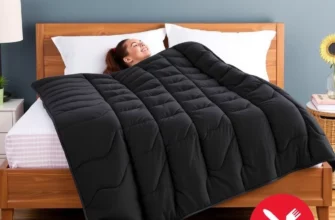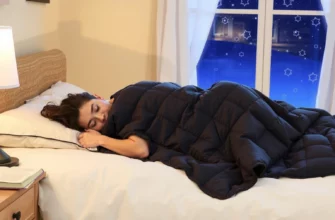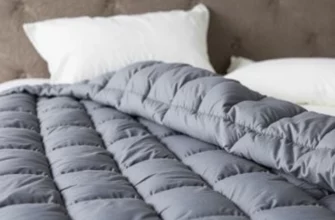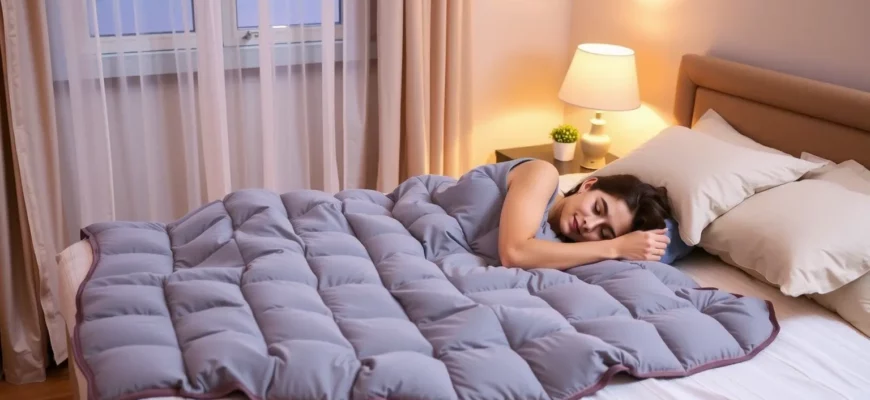
- Why Sleeping Under a Weighted Blanket Feels Like a Full-Body Hug
- What to Expect During Your First Night with a Weighted Blanket
- Mastering the Logistics: Side Sleeping and Finding the Right Weight
- Weighted Blanket vs. Body Weight: Calculating Your Ideal Match
- Glass Beads vs. Poly Pellets: Decoding the Best Blanket Fillers
- Choosing Between Glass, Plastic, and Natural Pellets
- Can You Take the Comfort with You? Flying and Traveling with a Weighted Blanket
- TSA Tips for Flying with a Weighted Blanket
- The Surprising Effects: Vivid Dreams and Sensory Compression
- Occupational Therapy Insights and Nervous System Benefits
- Alternatives to Traditional Weighted Blankets: Sleep Pods and Lycra Bags
- Compression vs. Weight: Which is Right for You?
- Essential Safety: Recalls, Quality, and Ethical Considerations
- How to Spot a High-Quality and Safe Weighted Blanket
- Expert Perspective: The Role of Proprioceptive Input in Sleep Quality
- Frequently Asked Questions
Why Sleeping Under a Weighted Blanket Feels Like a Full-Body Hug
The immediate sensation of pulling a weighted blanket over your shoulders is often described as a physical manifestation of relief. This isn’t just a psychological trick; it is the result of deep pressure stimulation, a therapeutic technique that applies firm but gentle pressure to the body to switch the nervous system from a state of “fight or flight” to “rest and digest.”
When you settle in for the night, the evenly distributed weight mimics the feeling of being held or hugged, which triggers the brain to release a cocktail of feel-good hormones. This tactile input signals to your brain that you are in a protected, secure environment, allowing your heart rate to slow and your breathing to steady almost instantly.
What to Expect During Your First Night with a Weighted Blanket
Your first night with a weighted blanket can feel surprisingly intense because your body isn’t accustomed to the added resistance. Some users report a fleeting sense of restriction, but this usually fades within minutes as the proprioceptive system begins to process the input. Give yourself at least 20 minutes of stillness during that initial session to allow your sensory receptors to calibrate to the new load.
Getting used to sleeping under a weighted blanket is rarely an overnight process for everyone. While many feel the benefits immediately, others require a gradual introduction—perhaps using it only over the legs for the first few hours. The nervous system often needs a “bridge” period of three to seven days to fully accept the weight as a signal for relaxation rather than a physical obstacle to movement.
Mastering the Logistics: Side Sleeping and Finding the Right Weight
Choosing the correct weight is the most significant factor in whether you will love or loathe your new bedding. The industry standard suggests a blanket that is roughly 10% of your total body weight, but this rule is more of a starting point than a strict law. If you fall between sizes, it is generally safer to round up unless you have joint issues or respiratory concerns.
Side sleepers face a unique challenge because the weight tends to concentrate on the hips and shoulders rather than spreading across the torso. To avoid morning aches, side sleepers should look for blankets with smaller quilted squares—ideally 4 inches or less—to prevent the filling from pooling in the “valleys” created by your body’s curves. This ensures the pressure remains therapeutic rather than burdensome on your joints.
| User Body Weight | Recommended Blanket Weight | Sleeper Type Adjustment |
|---|---|---|
| 100 ー 130 lbs | 10 ‒ 12 lbs | Side sleepers should lean toward 10 lbs to protect shoulder joints. |
| 140 ‒ 170 lbs | 15 lbs | Standard weight; ideal for back sleepers seeking maximum grounding. |
| 180 ‒ 220 lbs | 20 lbs | High-intensity pressure; ensures the weight isn’t “lost” on larger frames. |
| 230 lbs + | 25 ー 30 lbs | Requires heavy-duty stitching to prevent bead leakage over time. |
Weighted Blanket vs. Body Weight: Calculating Your Ideal Match
Calculating the ratio of a weighted blanket vs body weight requires looking at your specific sleep goals. If you struggle with severe restlessness, a slightly heavier blanket (up to 12% of body weight) can provide the necessary “cocoon” effect to inhibit tossing and turning. However, if you are primarily using it for temperature regulation or mild anxiety, a lighter 7% ratio may feel more breathable and less claustrophobic.
Learning how to adjust to a weighted blanket involves listening to your body’s morning feedback. If you wake up with sore knees or ankles, the blanket may be too heavy for your frame, or the weight distribution might be uneven. Always ensure the blanket covers you from the shoulders down; never cover your head or neck, as this poses a significant safety risk and offers no additional therapeutic benefit.
Glass Beads vs. Poly Pellets: Decoding the Best Blanket Fillers
The magic of the weighted blanket lies in its “guts,” or the material used to provide the mass. Not all fillers are created equal, and the choice between glass beads vs plastic beads in weighted blankets will dictate your comfort, the noise level of the blanket, and how hot you feel during the night. High-end manufacturers have largely moved toward glass microbeads because they offer a superior sensory experience.
Glass beads are roughly the size of grains of sand, making them significantly denser than plastic. This means the blanket can be thinner and less bulky while maintaining the same weight. On the other hand, plastic poly pellets are larger and can feel “pebbly” through the fabric. While more affordable, plastic pellets retain significantly more body heat, which can lead to night sweats for many users;
| Filler Type | Pros | Cons |
|---|---|---|
| Glass Microbeads | Hypoallergenic, silent, excellent heat dissipation, very thin profile. | Generally more expensive; can leak through poor quality stitching. |
| Plastic Poly Pellets | Affordable, durable, machine washable in most cases. | Bulky, holds heat, makes a “rustling” noise when you move. |
| Steel Shot Beads | Densely packed, very durable for heavy-duty 30lb+ blankets. | Can feel lumpy; often creates a “metallic” sound during use. |
| Natural Grains (Rice/Beans) | Eco-friendly, DIY-friendly, pleasant earthy scent. | Cannot be washed; prone to mold and insect infestations. |
Choosing Between Glass, Plastic, and Natural Pellets
When weighing the options of a pellet versus glass bead weighted blanket, consider your sensory sensitivities. If you are a light sleeper, the rustling sound of plastic pellets can be enough to pull you out of a deep sleep cycle. Glass beads are virtually silent, moving like heavy liquid within the quilted pockets. This fluid movement allows the blanket to contour precisely to your body shape, maximizing the surface area receiving deep pressure.
For those looking for DIY ideas for the weight in weighted blankets, natural fillers like dried corn or cherry pits are popular in the crafting community. However, these organic materials come with a major caveat: they absorb moisture from the air and your body. Organic fillers will eventually degrade or rot if not kept perfectly dry, making them a poor choice for long-term sleep hygiene compared to inorganic glass or plastic.
Can You Take the Comfort with You? Flying and Traveling with a Weighted Blanket
For anxious travelers, the idea of leaving their weighted blanket at home is daunting. Traveling with a weighted blanket is entirely possible, but it requires a strategic approach to luggage management and airport security. Because these blankets are essentially large bags of dense material, they often trigger manual inspections at security checkpoints.
The primary hurdle when flying with a weighted blanket is the weight limit of checked or carry-on bags. A 15-pound blanket takes up a significant portion of a standard 50-pound checked bag allowance. Always weigh your suitcase at home before heading to the airport to avoid surprise fees at the check-in counter. If you are determined to bring it on the plane, consider using it as your personal item draped over your arm, though this can be physically taxing during long layovers.
- Do: Inform the TSA agent that you have a weighted blanket in your bag before it enters the X-ray machine.
- Do: Use a vacuum-seal bag to compress the fabric bulk, though the weight will remain the same.
- Do: Check your airline’s specific policy on “medical comfort items,” as some may offer leniency on weight.
- Don’t: Pack a blanket filled with natural grains (like rice) for international travel, as customs may seize it as an agricultural risk.
- Don’t: Attempt to wear the blanket through the metal detector; it must go through the X-ray.
- Don’t: Forget that travel-sized weighted lap pads are a lighter, more portable alternative for the flight itself.
TSA Tips for Flying with a Weighted Blanket
TSA agents are becoming more familiar with these items, but the density of glass beads can still look suspicious on an X-ray screen. Expect a “bag check” where an agent will likely pat down the blanket or test it for explosive residue. To make this process faster, pack the blanket at the very top of your suitcase so it can be easily removed and inspected without digging through your clothes.
If you find the logistics of traveling with a full-sized blanket too difficult, look into “travel-weight” versions. These are often smaller (throw-sized) and weigh between 5 and 7 pounds. While they don’t provide the full-body experience, they can be folded and placed over the torso during flight or hotel stays to provide enough sensory input to manage travel-induced insomnia.
The Surprising Effects: Vivid Dreams and Sensory Compression
A common but unexpected report from new users is the occurrence of vivid dreams after using a weighted blanket. This isn’t a side effect of the blanket itself, but rather a sign that your sleep architecture is improving. By reducing cortisol and increasing serotonin, the blanket helps you transition more effectively into REM (Rapid Eye Movement) sleep—the stage where dreaming is most intense.
When your body is finally able to stay still and relaxed, you spend more time in these deep, restorative cycles rather than hovering in the “light sleep” phase. Vivid dreams are often a marker of high-quality REM rebound, occurring as your brain finally gets the deep rest it has been craving. This neurological shift is why many people wake up feeling more “mentally clear” after their first successful week with a weighted blanket.
Occupational Therapy Insights and Nervous System Benefits
Long before they were a consumer trend, occupational therapy weighted blanket instructions were used to help children with ADHD and sensory processing disorders. The goal is to provide proprioceptive input, which is the brain’s ability to understand where the body is in space. For someone with a “noisy” nervous system, this extra weight acts as a calming filter for external stimuli.
There is also a growing interest in the sensory compression blanket vs weighted blanket debate. While a weighted blanket uses gravity to provide pressure, a compression blanket (often made of Lycra) uses elasticity to “squeeze” the user. Compression blankets are often better for those who feel “trapped” by heavy weights but still crave the snugness of a swaddle. They are also significantly cooler, making them a favorite for those who live in warmer climates.
Alternatives to Traditional Weighted Blankets: Sleep Pods and Lycra Bags
Innovation in the sleep industry has led to alternatives that provide the same psychological benefits without the heavy, often shifting mass of beads. The “Sleep Pod” is one such invention, functioning like a breathable, stretchy cocoon that wraps around the entire body. It uses four-way stretch fabric to apply gentle, consistent pressure across all limbs simultaneously.
For those who find themselves kicking off their blankets in the middle of the night, these alternatives can be a game-changer. Because they are worn or stepped into, they stay in place regardless of how much you move. This is particularly useful for restless leg syndrome sufferers who need the sensation of pressure but find that traditional blankets slide off the bed during a “kick” episode.
| Feature | Standard Weighted Blanket | Sleep Pod / Lycra Bag |
|---|---|---|
| Pressure Source | Gravity-based weight (beads/pellets). | Tension-based compression (elasticity). |
| Portability | Heavy and difficult to pack. | Lightweight and folds like a T-shirt. |
| Temperature Control | Can be hot depending on the filler. | Highly breathable and moisture-wicking. |
| Ease of Movement | Can feel restrictive for some. | Allows for full range of motion. |
Compression vs. Weight: Which is Right for You?
The choice between a sleep pod vs weighted blanket often comes down to your primary sleep complaint. If you suffer from “nighttime wandering” or extreme tossing and turning, the physical mass of a 20-pound blanket is more effective at physically grounding you. However, if your issue is purely anxiety-based, a lycra sleeping bag vs weighted blanket might be the better choice, as it provides the “swaddle” sensation without the crushing weight.
Staying cool under a weighted blanket is a major concern for many. If you are a “hot sleeper,” avoid traditional quilted blankets with polyester batting. Instead, look for knitted weighted blankets made from heavy cotton loops. These blankets provide weight through the fabric’s density rather than fillers, allowing air to circulate freely through the gaps in the knit, keeping your core temperature stable throughout the night.
Essential Safety: Recalls, Quality, and Ethical Considerations
Safety is paramount when dealing with heavy bedding, especially in households with children or pets. High-quality blankets must have reinforced double-stitching to prevent the beads from leaking. Small glass or plastic beads can be a significant choking hazard if they escape the fabric casing. Furthermore, blankets should never be used for children under the age of two or anyone who lacks the physical strength to remove the blanket themselves.
Quality also extends to the ethical and environmental impact of the product. While many affordable options exist, checking for certifications like OEKO-TEX ensures that the fabrics are free from harmful chemicals; In recent years, specific news items, such as the Halston weighted blanket reviews or reports on the pur therapy weighted blanket wkyc, have highlighted the importance of buying from reputable brands that adhere to rigorous safety testing and recall protocols to prevent accidental suffocation or injury.
- Check for “Baffle-Box” Stitching: This ensures the beads stay in their designated squares and don’t all slide to one side.
- Weight Limit Warning: Never exceed 12% of a child’s body weight, and always consult a pediatrician before use.
- Breathability Check: Ensure the outer cover is made of natural fibers like cotton or bamboo to prevent overheating.
- Durable Fasteners: If using a duvet cover, ensure it has at least 8 attachment points to keep the heavy inner blanket from bunching.
How to Spot a High-Quality and Safe Weighted Blanket
A reddit durable weighted blanket search will often point you toward brands that prioritize construction over aesthetics. A high-quality blanket will feel “balanced” when you pick it up; if the weight shifts violently from one end to the other, the internal stitching is likely failing. Be wary of blankets that are unusually cheap, as they often skimp on the internal lining that keeps the beads from migrating or poking through the fabric.
Finally, consider the history and origin of these tools. While they have become a staple of modern “wellness,” the concept of weighted pressure has deep roots in occupational therapy and indigenous practices of swaddling. Respecting the tool means using it as intended—as a therapeutic aid for sleep and regulation—rather than a mere decorative accessory. By investing in a well-made, safe product, you ensure that your journey into deep pressure therapy is both effective and long-lasting.
Expert Perspective: The Role of Proprioceptive Input in Sleep Quality
In my professional experience as an Occupational Therapist, I have seen firsthand how deep pressure stimulation can transform a patient’s sleep hygiene. The brain perceives the weight of the blanket as a form of proprioceptive input—essentially “data” that tells the nervous system exactly where the body ends and the bed begins. This clarity reduces the “noise” in the brain, allowing the amygdala to downregulate the fight-or-flight response. I always advise my clients to view the first week as a training period; your brain is literally learning to interpret the weight as a safety signal. Once that connection is made, the transition into deep, restorative REM sleep becomes much more fluid and consistent.
Frequently Asked Questions
Most users require 3 to 7 nights to fully adjust. It is normal for the weight to feel slightly restrictive at first, but your nervous system usually adapts within a week.
Can I use a weighted blanket if I sleep on my side?
Yes, but side sleepers should ensure the weight is evenly distributed. Look for blankets with smaller quilted pockets to prevent weight from pooling around your hips and shoulders.
Are glass beads better than plastic poly pellets?
Glass beads are generally superior because they are denser, quieter, and thinner. They also stay cooler than plastic pellets, which tend to trap body heat.
Why am I having vivid dreams after using a weighted blanket?
The blanket promotes deeper relaxation, leading to longer and more stable REM sleep cycles. Since REM is the stage where most dreaming occurs, you may remember your dreams more vividly.
What are the best alternatives to a standard weighted blanket?
Sleep pods and Lycra compression sheets are excellent alternatives. They provide a “swaddle” effect through fabric tension rather than heavy fillers, making them ideal for hot sleepers.
Is it safe to fly with a weighted blanket in carry-on luggage?
Yes, they are legal for air travel. However, be prepared for extra security screening, as the dense filling can look unusual on X-ray scanners.