- Why Plastic Pellets for Weighted Blankets Remain the Top Choice for DIYers
- The Science of Comfort: How Poly Pellets Create the Perfect Weight
- Glass vs. Plastic Pellets: Which Filler Wins the Heavyweight Title?
- Fine Glass Pellets for Weighted Blankets: The Sleek Alternative
- Exploring Heavy-Duty Alternatives: From Steel to Natural Pebbles
- Steel and Stainless Steel Pellets for Maximum Density
- Can You Use Pebbles or Sand in a Weighted Blanket?
- The DIY Buyer’s Guide: Where to Find Quality Pellets in Bulk
- Finding Poly Pellets at Joann Fabrics and Big-Box Retailers
- Sourcing Bulk Pellets for Weighted Blankets Internationally
- Essential Safety Standards: Washability and Material Quality
- Identifying Washable Pellets for Weighted Blanket Longevity
- Step-by-Step: How to Fill Your Blanket with Plastic Pellets
- Calculating the Right Amount of Pellets for Your Weight Goal
- Frequently Asked Questions
Why Plastic Pellets for Weighted Blankets Remain the Top Choice for DIYers
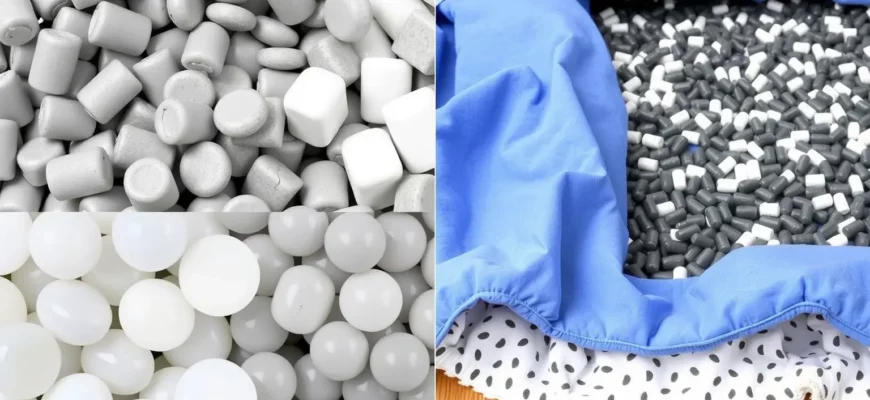
Polypropylene pellets have established themselves as the industry standard for homemade weighted blankets because they offer a balance of durability and tactile comfort. Unlike organic fillers that can degrade over time, these small plastic beads are engineered to withstand the mechanical stress of daily use and repeated laundering.
The primary appeal for many crafters lies in the specific “hug” sensation created by the density of plastic. When you fill a blanket with quality plastic pellets for weighted blanket projects, you are creating a tool designed for deep pressure stimulation, which helps calm the nervous system.
The Science of Comfort: How Poly Pellets Create the Perfect Weight
Achieving an even weight distribution is the most difficult part of sewing a weighted blanket, and poly pellets for weighted blankets make this task significantly easier. Their uniform size allows them to flow easily into quilted pockets, ensuring that the finished product doesn’t have “dead zones” where the weight is missing.
From a tactile perspective, poly pellets provide a distinct texture that many sensory-seekers find grounding. The slight crunch and shift of the beads inside the fabric offer a subtle auditory and physical feedback that can be particularly helpful for individuals with sensory processing disorders. Always choose virgin polypropylene to ensure the beads are smooth and free from jagged edges that could eventually tear through your fabric or liners.
Glass vs. Plastic Pellets: Which Filler Wins the Heavyweight Title?
Choosing between glass and plastic is often the biggest decision a DIYer faces, as the material completely changes the profile of the blanket. While plastic is more affordable and provides a bulkier, “puffy” feel, glass beads offer a high-density alternative that creates a much thinner, more discreet blanket.
The following table breaks down the core differences to help you decide which material aligns with your specific sensory needs and sewing capabilities.
| Feature | Plastic Poly Pellets | Micro-Glass Beads |
|---|---|---|
| Density | Lower; creates a thicker, bulkier blanket. | Higher; creates a thin, low-profile blanket. |
| Noise Level | Mild “shuffling” sound when moved. | Virtually silent; feels like heavy sand. |
| Heat Retention | Acts as an insulator; holds more body heat. | Excellent heat dissipation; stays cooler. |
| Cost | Very budget-friendly and widely available. | More expensive, especially in bulk. |
| Durability | Extremely durable; machine washable. | Durable but requires tighter stitching to prevent leaks. |
Fine Glass Pellets for Weighted Blankets: The Sleek Alternative
Many users are moving toward fine glass pellets for weighted blankets because they eliminate the “bulk” associated with traditional plastic fillers. If you are a hot sleeper, glass is almost always the superior choice because it does not trap heat between the layers of fabric as easily as plastic polymers do.
When using glass poly pellets for weighted blanket construction, you must use a high-thread-count fabric or a dedicated inner liner. Because the beads are so small—often the size of grains of salt or sugar—they can migrate through standard needle holes if your stitch length is too long or your fabric weave is too loose.
Exploring Heavy-Duty Alternatives: From Steel to Natural Pebbles
If you are looking to create a heavy lap pad or a very small blanket with significant weight, standard plastic pellets might be too voluminous for the project. In these cases, high-density materials like steel can provide the necessary weight without turning the item into a massive, unmanageable pile of fabric.
However, moving away from standard poly pellets requires careful consideration of how the finished item will be maintained. Never use organic materials like rice, beans, or corn if you plan on washing the blanket, as these will rot, mold, or sprout when exposed to moisture.
Steel and Stainless Steel Pellets for Maximum Density
For those who need extreme weight in a small footprint, stainless steel pellets for weighted blankets are the gold standard. They are significantly heavier than plastic or glass, meaning you only need a fraction of the volume to reach your target weight.
When sourcing these, it is vital to specifically look for steel pellets for weighted blankets that are labeled as rust-resistant or stainless. Standard carbon steel will rust after the first wash, leaving permanent orange stains on your fabric and potentially causing skin irritation or ruining the aesthetic of your project.
Can You Use Pebbles or Sand in a Weighted Blanket?
Using smooth pebbles for weighted blanket projects is a common “hack” for those on a tight budget. While they are a cheap alternative for poly pellets for weighted blanket fillers, they are very noisy and can be quite uncomfortable if the stones have any sharp edges.
Sand used in weighted blankets is generally discouraged by professional seamstresses. Sand is notorious for leaking through even the tightest seams, and it tends to clump together when washed, making it almost impossible to dry the interior of the blanket completely. This trapped moisture eventually leads to mildew issues that can ruin the entire piece.
The DIY Buyer’s Guide: Where to Find Quality Pellets in Bulk
Sourcing your materials locally can save you a fortune on shipping costs, which often exceed the price of the pellets themselves due to the weight. For smaller projects, hobbyist shops are convenient, but for a full-sized adult blanket, you will likely need to look toward industrial suppliers or bulk online retailers.
- Check for “Virgin” Grade: Always ensure the plastic is non-recycled to avoid chemical odors.
- Verify the Melting Point: Ensure the plastic can handle the heat of a standard residential dryer.
- Compare Volume: Remember that 10 lbs of plastic takes up much more space than 10 lbs of glass.
- Look for Flat-Rate Shipping: Many Etsy and Amazon sellers offer flat-rate boxes that are ideal for heavy filler materials.
Finding Poly Pellets at Joann Fabrics and Big-Box Retailers
If you need to start your project immediately, buying poly pellets for weighted blanket joann fabrics or similar craft stores is the fastest route. Brands like Poly-Fil or Primo plastic pellets for weighted blankets are commonly stocked in the quilting or doll-making aisles.
While convenient, retail prices are usually much higher per pound than bulk orders. Always use a store coupon or wait for a sale if you are buying 10 or 20 pounds of filler, as the retail markup on small bags can be as high as 300% compared to industrial pricing.
Sourcing Bulk Pellets for Weighted Blankets Internationally
For crafters in regions like Canada and the UK, shipping heavy materials from the USA can be cost-prohibitive. Searching for plastic pellets for weighted blankets canada or plastic pellets for weighted blankets uk on local marketplaces like Etsy often reveals regional suppliers who offer more reasonable shipping rates.
Ordering bulk poly pellets for weighted blankets in 25-pound or 50-pound increments is usually the most cost-effective method for making multiple blankets. Contact local plastic injection molding companies in your area; they often sell virgin polypropylene pellets by the bag at a fraction of craft store prices.
Essential Safety Standards: Washability and Material Quality
Safety should be your top priority, especially if the blanket is intended for a child or someone with skin sensitivities. Using non-toxic, food-grade, or virgin plastic is non-negotiable because the blanket will likely be used for hours at a time in close contact with the body.
Critical Safety Warning: Always ensure your pellets are BPA-free and lead-free. Some industrial-grade plastics contain additives that are not intended for consumer textile use.
Identifying Washable Pellets for Weighted Blanket Longevity
Not all plastics are created equal when it comes to heat resistance. When selecting washable pellets for weighted blanket use, you want high density plastic pellets for weighted blankets that have a high melting point.
Most polypropylene beads can handle a “low heat” dryer setting, but never use the “high heat” or “sanatize” cycle on your dryer. Excessive heat can cause the pellets to soften or fuse together, turning your soft, flexible blanket into a series of hard, uncomfortable plastic lumps that cannot be fixed.
Step-by-Step: How to Fill Your Blanket with Plastic Pellets
Construction is a game of math and patience. To ensure the weight doesn’t all slump to one side of the bed, you must sew the blanket into a grid of individual pockets, filling each one with a precise amount of material before sealing the row.
- Calculate Total Weight: Determine the target weight (usually 10% of body weight).
- Create the Grid: Sew vertical channels down the length of the blanket.
- Measure the Fill: Use a kitchen scale to weigh out the exact amount for a single pocket.
- Use a Funnel: Place a long-neck funnel into the vertical channel to drop the pellets to the bottom.
- Sew the Horizontal Line: Pin the pellets down and sew across the width to lock them into their square.
- Repeat: Continue row by row until the blanket is complete.
Calculating the Right Amount of Pellets for Your Weight Goal
To find the right amount of pellets for making weighted blankets, divide your total desired weight by the number of pockets in your grid. For example, if you want a 15-pound blanket and your grid has 150 squares, you need exactly 1.6 ounces of weight pellets for blankets per square.
Do not eyeball the measurements. Even a slight variation in each pocket will lead to an unbalanced blanket that slides off the user during the night. Use a dedicated measuring cup or a digital scale to keep every pocket uniform.
In my professional experience as an occupational therapist, the “grip” of the filler is just as important as the weight. I have found that while glass is popular for its cooling properties, the slight friction of polypropylene pellets actually helps the blanket “stay put” on the body better during sleep. If a filler is too slippery, the weight shifts too quickly when the user moves, which can interrupt the calming proprioceptive input we are trying to achieve. I always advise my clients to test a small sample of the filler material in their hands first to ensure the noise and texture don’t trigger any sensory aversions before committing to a full-sized DIY project.
Frequently Asked Questions
Yes, most polypropylene pellets are machine washable. You should use a cool or warm wash cycle and always dry on the lowest heat setting to prevent the plastic from softening or clumping.
What is the best cheap alternative for poly pellets in a weighted blanket?
Cleaned aquarium gravel or smooth river stones are the most effective low-cost alternatives. However, avoid sand or organic materials like rice, as they cannot be washed and may leak or mold over time.
Which is better for hot sleepers: glass or plastic pellets?
Glass pellets are the superior choice for hot sleepers. They are much denser and less bulky, which allows for better airflow and heat dissipation compared to the insulating properties of plastic.
Are plastic pellets for weighted blankets toxic?
They are generally safe if you buy “virgin” or “food-grade” polypropylene. Always check that your supplier provides BPA-free and non-toxic certifications to ensure the material is safe for long-term skin contact.
How many pounds of pellets do I need for a standard adult weighted blanket?
The standard rule of thumb is 10% of the user’s body weight plus 1 or 2 pounds. For most adults, this results in a blanket weighing between 12 and 20 pounds.
Can I use sand in my DIY weighted blanket?
It is strongly advised to avoid sand. It is difficult to contain within seams, retains moisture which leads to mold, and becomes extremely heavy and clumpy when wet, making it impossible to launder properly.