- Heated Blanket vs․ Weighted Blanket: Understanding the Science of Comfort
- How Heat Affects the Body vs․ Physical Weight
- Comparing the Benefits: Heat Therapy vs․ Compression Therapy
- Which is Better for Anxiety and Restlessness?
- Safety First: Using an Electric Blanket with a Weighted Blanket
- Can You Safely Layer Your Bedding?
- The Hot Sleeper Dilemma: Cooling Weighted Blankets vs․ Regular Options
- Difference Between Cooling Weighted Blanket and Regular Weighted Blanket
- Navigating Brands and Alternatives: Gravity, Hug Sleep, and More
- Is a Gravity Blanket the Same as a Weighted Blanket?
- Duvet vs․ Weighted Blanket vs․ Down Comforter
- Maintenance and Durability: Which Blanket Lasts Longer?
- Washing and Care Instructions
- Frequently Asked Questions
Heated Blanket vs․ Weighted Blanket: Understanding the Science of Comfort
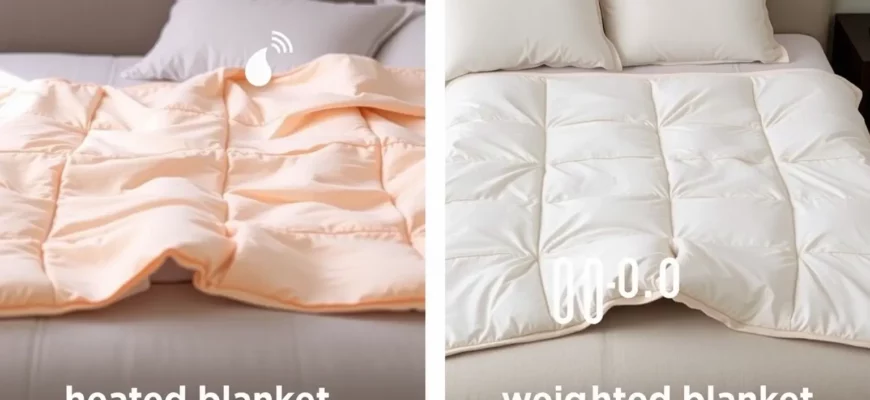
Choosing between a heated blanket and a weighted blanket isn’t just a matter of picking a favorite texture; it is a choice between two distinct physiological interventions․ While both products are designed to improve sleep quality and provide comfort, they interact with the human body through entirely different mechanisms—thermal energy and mechanical pressure․
For many, the decision depends on whether the primary goal is to combat physical chill and muscle stiffness or to quiet a racing mind and stabilize the nervous system․ Understanding how these tools work at a biological level is the first step in optimizing your sleep environment and ensuring you wake up feeling genuinely restored․
How Heat Affects the Body vs․ Physical Weight
The core difference between weighted and heated blanket options lies in the sensory systems they target․ Heated blankets utilize thin electrical wires to generate consistent thermal energy․ This exogenous heat promotes vasodilation, a process where blood vessels widen, increasing circulation and allowing oxygen-rich blood to reach tight muscles and stiff joints․ This is why heat therapy is often the gold standard for those suffering from chronic tension or the biting chill of winter bedding․
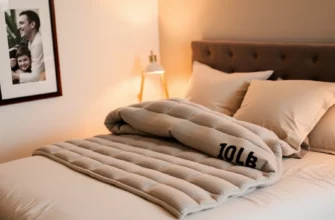
In contrast, an electric blanket vs weighted blanket comparison reveals that the latter relies on Deep Pressure Stimulation (DPS)․ By applying a firm, distributed weight across the body—usually via glass beads or plastic pellets—weighted blankets mimic the sensation of being hugged or swaddled․ This physical input signals the brain to transition from the “fight or flight” sympathetic nervous system to the “rest and digest” parasympathetic nervous system․ This transition is scientifically linked to a reduction in cortisol levels and an increase in the production of serotonin and melatonin, the hormones responsible for mood regulation and sleep-wake cycles․
Comparing the Benefits: Heat Therapy vs․ Compression Therapy
To determine which bedding choice aligns with your specific health needs, it is helpful to look at their features side-by-side․ While some people crave the immediate muscle relief of heat, others find that the grounding effect of weight is the only thing that stops their legs from tossing and turning throughout the night․
| Feature | Heated Blanket | Weighted Blanket |
|---|---|---|
| Primary Mechanism | Thermal Radiation | Deep Pressure Stimulation (DPS) |
| Best For | Arthritis, muscle aches, poor circulation | Anxiety, ADHD, Insomnia, RLS |
| Weight Range | 2–5 lbs (Lightweight) | 5–35 lbs (Heavy) |
| Maintenance | Delicate (Internal wiring) | Heavy (Requires high-capacity machines) |
| Safety Risk | Overheating, electrical fire | Respiratory restriction, joint strain |
Which is Better for Anxiety and Restlessness?
When comparing compression vs weighted blanket technology for mental health, the weighted option is almost always the superior choice․ Anxiety often manifests as a physical “floatiness” or a lack of body awareness, which can lead to fidgeting and racing thoughts․ The heavy, tactile feedback provided by a weighted blanket helps ground the individual, providing a sense of security that a standard fleece or heated blanket cannot replicate․
Choosing a heavier or lighter weighted blanket is a critical part of this process․ The industry standard suggests selecting a blanket that is roughly 10% of your total body weight․ If the blanket is too light, it won’t trigger the deep pressure response; if it is too heavy, it can feel claustrophobic or put unnecessary strain on the hips and knees․ For those with Restless Leg Syndrome (RLS), the constant pressure helps suppress the involuntary urge to move, providing a “calming shield” that allows the brain to drift into deeper stages of sleep․
Safety First: Using an Electric Blanket with a Weighted Blanket
A common question among those living in extreme climates is whether they can combine these two items for the ultimate cozy experience․ However, safety experts and manufacturers generally advise against this practice․ Combining high-voltage electrical components with heavy, dense materials creates a unique set of risks that could lead to property damage or personal injury․
- Never place a weighted blanket on top of an electric blanket․ The weight can compress the internal heating elements, leading to “hot spots” where the wires may melt or catch fire․
- Avoid using heated blankets with infants or pets․ They may not be able to move the blanket if it becomes too hot, leading to severe burns․
- Inspect your cords regularly․ Any fraying or kinking in the wire of a heated blanket is a sign that it should be discarded immediately․
- Choose blankets with auto-shutoff․ Modern electric bedding should have a timer that turns the heat off after 2 to 10 hours to prevent prolonged skin exposure․
Can You Safely Layer Your Bedding?
The primary danger in using an electric blanket with a weighted blanket is the insulation effect․ Weighted blankets are designed to trap heat to some degree, but when they are placed over a heat source, they can cause the temperature of the electric wires to skyrocket beyond their intended safety threshold․ This creates a feedback loop where the heat cannot escape, potentially damaging the blanket’s internal sensors and leading to a fire hazard․
Furthermore, many manufacturers explicitly state that their warranties are voided if the product is used under heavy pressure․ If you find yourself debating the weighted vs heated blanket dilemma because you need both weight and warmth, the safest alternative is to use a weighted blanket made of a naturally warm material, like faux fur or heavy cotton, and use a space heater to warm the room rather than the bed itself․
The Hot Sleeper Dilemma: Cooling Weighted Blankets vs․ Regular Options
For years, the biggest complaint regarding weighted blankets was that they were “too hot․” Because they are filled with beads and multiple layers of fabric, they naturally act as a heavy insulator․ This was a dealbreaker for “hot sleepers” or those who suffer from night sweats․ Fortunately, material science has evolved to provide solutions for those who want the weight without the sweat․
The innovation of the hot and cold weighted blanket has changed the market․ By swapping out traditional heat-trapping materials for breathable alternatives, manufacturers have created products that remain cool to the touch throughout the night, making them viable even in the summer months․
Difference Between Cooling Weighted Blanket and Regular Weighted Blanket
The main weighted blanket vs cooling weighted blanket distinction lies in the fill and the shell fabric․ Regular weighted blankets often use poly-fill batting and plastic pellets, which act as a thermal barrier․ Cooling versions typically utilize glass beads, which are smaller, denser, and do not retain heat as efficiently as plastic․
Furthermore, the outer covers of cooling blankets are often made from bamboo-derived rayon or Tencel (lyocell)․ These fabrics are moisture-wicking and have a high degree of breathability, allowing air to circulate through the blanket․ If you are choosing between a fleece blanket vs weighted blanket, remember that fleece is a synthetic insulator designed to keep heat in, whereas a bamboo cooling weighted blanket is designed to move heat away from your skin․
Navigating Brands and Alternatives: Gravity, Hug Sleep, and More
As the sleep industry has exploded, so has the confusion regarding different brand names and product categories․ Many consumers search for a “Gravity blanket” thinking it is a specific type of technology, when in reality, it is simply the brand that popularized the weighted blanket trend․ Understanding these distinctions helps you avoid overpaying for a name when a generic alternative might suffice․
Myth: A Gravity blanket is a different invention than a weighted blanket․
Fact: Gravity is a brand name․ While they use high-quality materials like fine-grade glass beads and premium micro-fleece, the fundamental technology is the same as any other weighted blanket․
Is a Gravity Blanket the Same as a Weighted Blanket?
While the terms are often used interchangeably, there is no technical difference among brands weighted blankets in terms of how they work․ However, there are differences in construction quality․ High-end brands like Gravity use smaller quilted squares (usually 4×4 inches) to ensure the beads don’t bunch up on one side․ Cheaper alternatives may have larger pockets, leading to uneven weight distribution that can be frustrating during the night․
Another unique alternative is the Hug Sleep Sleep Pod․ When comparing hug sleep vs weighted blanket, the difference is mass versus tension․ The Hug Sleep pod is a specialized “swaddle” for adults made of four-way stretch material․ It provides 360-degree compression therapy through elastic tension rather than heavy beads․ This is often a better choice for people who travel frequently or those who find a 20-pound blanket too cumbersome to move․
Duvet vs․ Weighted Blanket vs․ Down Comforter
Traditional bedding also plays a role in this comparison; A duvet vs weighted blanket comparison highlights the difference in “loft․” A duvet or down comforter is designed to be fluffy, trapping air to provide warmth with very little weight․ This is the opposite of a weighted blanket, which is low-loft and high-density․
When you compare weighted blankets vs comforters, you must also consider maintenance․ A down comforter requires a duvet cover to stay clean and usually needs professional laundering․ A weighted blanket, due to its mass, can actually damage the suspension of a standard home washing machine․ If you prefer the look of a traditional bed, you can actually find weighted duvets that fit inside a standard cover, giving you the aesthetic of a cloud-like bed with the neurological benefits of deep pressure․
Maintenance and Durability: Which Blanket Lasts Longer?
Investing in high-quality bedding requires an understanding of how to care for it․ Heated blankets and weighted blankets both have “failure points” that can shorten their lifespan if not managed correctly․ Heated blankets are generally more fragile due to their internal circuitry, while weighted blankets are durable but difficult to clean․
Washing and Care Instructions
Most weighted blankets feature a removable cover․ This is essential because washing the weighted inner core is a logistical nightmare․ A 20-pound blanket becomes significantly heavier when wet, and the “thumping” action in a washing machine can lead to the beads leaking through the seams․ If you must wash the inner layer, it is often recommended to use a commercial-grade machine at a laundromat or to spot clean the fabric with a mild detergent․
- Heated Blankets: Always disconnect the power cord before cleaning․ Most modern versions are machine washable on a delicate cycle, but they should never be put in a dryer on high heat, as this can melt the wire insulation․
- Weighted Blankets: Air drying is the safest method․ Hanging a weighted blanket to dry can stretch the fabric, so it is best to lay it flat on a clean surface․
- Durability: A well-made weighted blanket can last 5–10 years․ A heated blanket typically has a lifespan of 3–5 years before the heating elements begin to degrade or lose consistency․
In my professional experience working with sleep hygiene protocols, I have observed that people often over-rely on external heat sources, which can inadvertently disrupt the body’s natural circadian rhythm․ For the brain to initiate deep sleep, the core body temperature must drop by about 2 to 3 degrees Fahrenheit․ While a heated blanket feels incredible when you first climb into bed, leaving it on all night can prevent this necessary cooling, leading to fragmented sleep and “micro-awakenings․” I always advise my clients to use a heated blanket for 15 minutes to pre-warm the bed, then switch it off․ For long-term sleep architecture, a cooling weighted blanket is often the superior tool because it leverages the parasympathetic nervous system through pressure without interfering with the body’s thermoregulation․
Frequently Asked Questions
Heat is generally better for inflammatory muscle pain and joint stiffness because it increases blood flow․ Weighted blankets are more effective for nerve-related restlessness and providing joint stability during sleep․
Can I use a weighted blanket if I am a hot sleeper?
Yes, but you should specifically look for cooling weighted blankets made from bamboo, Tencel, or those featuring glass bead fill, which stay significantly cooler than traditional cotton or fleece versions․
Is it safe to leave an electric blanket on all night?
While many modern blankets have auto-shutoff features, it is safest to use them only to warm the bed before sleep․ Prolonged use can lead to skin dehydration or even low-grade burns in those with sensitive skin․
How do I choose the right weight for a weighted blanket?
The general rule is 10% of your body weight plus one or two pounds․ If you are between sizes, it is usually better to go lighter to avoid straining your joints or feeling restricted․
What is the difference between a compression blanket and a weighted blanket?
A weighted blanket uses mass (beads or pellets) to provide pressure, while a compression blanket or “sleep pod” uses elastic fabric tension to squeeze the body, similar to a swaddle․
Are all weighted blanket brands the same?
No․ Quality varies significantly in terms of bead distribution, stitching strength, and fabric breathability․ Premium brands often use smaller quilted pockets to prevent the weight from shifting unevenly․