- Why the 60 x 80 Weighted Blanket is the Ultimate Queen-Size Choice
- Understanding the Fit: 60×80 vs. Traditional Bedding Sizes
- Decoding the Weight: Is a 20lb or 12lb Blanket Right for You?
- The Science of 20 Pounds: Who Benefits Most?
- Material Showdown: Cooling Bamboo vs. Cozy Cotton
- Why Glass Beads Beat Plastic Poly-Pellets
- Beyond the Queen: Navigating King and Oversized Dimensions
- The 80 x 87 and 90 x 90: Sharing the Weight
- Maintenance and Longevity: Covers and Care
- Protecting Your Investment: Removable Duvets
- Common Mistakes When Buying a 60×80 Blanket
- Expert Perspective: Weighted Sizing and Deep Pressure Touch
- Frequently Asked Questions
Why the 60 x 80 Weighted Blanket is the Ultimate Queen-Size Choice
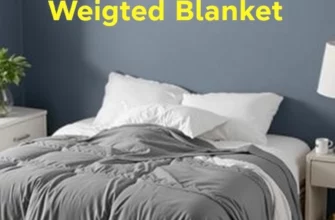
Choosing the right dimensions for a weighted blanket is the most overlooked step in the buying process. While most people assume they should match their bedding dimensions exactly, a 60 x 80 weighted blanket is specifically engineered to cover the surface of a queen mattress without draping over the sides.
This intentional sizing ensures that the weight remains concentrated on your body rather than being pulled toward the floor by gravity. When a weighted blanket hangs over the edge of the bed, the downward force often causes the entire blanket to slide off during the night, leaving you cold and without the therapeutic pressure you need for restful sleep.
Understanding the Fit: 60×80 vs. Traditional Bedding Sizes
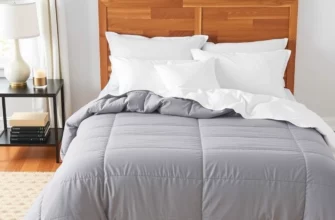
A standard queen-sized comforter typically measures 90 x 90 inches to allow for an aesthetic drape over the mattress corners. However, a queen size weighted blanket 60×80 is designed to be a functional tool, not a decorative bedspread. By staying within the 60-inch width of a queen mattress, the blanket provides a perfect fit that maximizes the surface area of pressure applied directly to the sleeper.
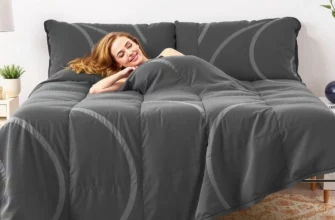
For solo sleepers, this size offers ample room to toss and turn while remaining fully cocooned. If you share a bed, the 60 x 80 dimensions are often better suited for one partner who needs the extra weight, while the other partner can continue using traditional bedding. This prevents the “tug-of-war” effect that occurs when two people with different weight preferences try to share a single heavy cover.
Decoding the Weight: Is a 20lb or 12lb Blanket Right for You?
Selecting the correct poundage is a balance of physics and personal comfort. The industry standard suggests choosing a blanket that is approximately 10% of your total body weight to achieve the desired neurological benefits without feeling restricted.
While the 10% rule is a solid baseline, individual sensitivity to pressure varies. Some users find that a slightly heavier 60 x 80 20 lb weighted blanket provides the “deep hug” sensation they crave, while others with joint issues or smaller frames may find a 12lb or 15lb version more manageable for long-term use.
| User Weight Range | Recommended Blanket Weight | Best Use Case |
|---|---|---|
| 100 ⎼ 130 lbs | 10 ⎼ 12 lbs | Lighter pressure, ideal for elderly or petite adults. |
| 140 ⎼ 180 lbs | 15 ⎼ 17 lbs | The “standard” adult feel for moderate anxiety relief. |
| 190 ー 230 lbs | 20 lbs | Deep pressure stimulation for chronic insomnia or high stress. |
| 240+ lbs | 25 ⎼ 30 lbs | Maximum therapeutic weight for larger frames. |
The Science of 20 Pounds: Who Benefits Most?
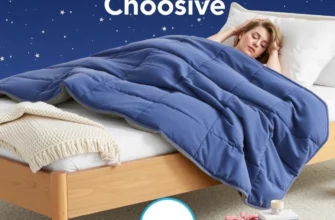
The 60 x 80 20 pound weighted blanket has become the most popular configuration for adults because it hits the “therapeutic threshold” for the average person. This weight is sufficient to trigger the release of serotonin and melatonin while simultaneously reducing cortisol levels in the brain. This chemical shift is what allows the nervous system to transition from a “fight or flight” state into “rest and digest.”
Safety is paramount when dealing with 20lbs of concentrated mass. You must ensure you have the physical strength to independently remove the blanket if you feel uncomfortable. For this reason, 20lb blankets are generally discouraged for individuals with respiratory conditions, circulatory issues, or those recovering from surgery, unless specifically cleared by a medical professional.
Material Showdown: Cooling Bamboo vs. Cozy Cotton
The fabric surrounding your weighted filling determines your thermal comfort throughout the night. A common complaint with weighted blankets is that they “sleep hot,” but this is usually a result of poor material choice rather than the weight itself. Understanding the breathability of different textiles is essential for maintaining a consistent core temperature.
Cotton is the traditional choice, offering a crisp feel and decent airflow. However, for those who experience night sweats or live in warmer climates, a bamboo weighted blanket 60×80 20lbs provides superior moisture-wicking properties. Bamboo fibers are naturally porous, allowing heat to escape up to three times more efficiently than synthetic polyester blends.
| Feature | Bamboo (Viscose) | Cotton (Organic) | Minky / Microplush |
|---|---|---|---|
| Breathability | Excellent (Cooling) | Good (Neutral) | Poor (Heat Trapping) |
| Durability | High (Silky Texture) | Very High (Crisp) | Moderate (Soft) |
| Moisture Control | Superior Wicking | Standard Absorption | Retains Moisture |
| Best For | Hot Sleepers | Year-round use | Winter / Cold Climates |
Why Glass Beads Beat Plastic Poly-Pellets
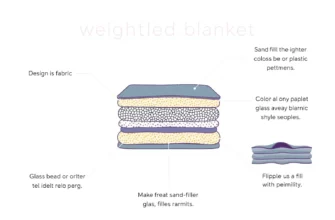
The internal “fill” of your 60 x 80 weighted blanket with glass beads is what creates the actual weight. In the early days of the industry, plastic poly-pellets were the norm, but they are increasingly viewed as inferior. Glass beads are much smaller and denser, similar to the texture of beach sand, which allows the blanket to contour more closely to your body’s curves.
Beyond the feel, glass beads are better for temperature regulation. Plastic is an insulator that traps body heat, whereas glass is a natural conductor that stays cool. Furthermore, glass beads are virtually silent when you move, whereas plastic pellets can make a distracting “crinkling” sound that may disrupt light sleepers during the night.
Beyond the Queen: Navigating King and Oversized Dimensions
While 60×80 is the queen standard, many users find that these dimensions don’t cut it for a King-sized bed or for couples who want to share a single weighted experience. If you move up to an 80 x 87 weighted blanket or the massive 88×104 weighted blanket, you are entering the territory of “oversized” therapeutic bedding.
These larger sizes are designed to cover the entire expanse of a King or California King mattress. However, keep in mind that as the surface area increases, the perceived pressure per square inch decreases. A 20lb blanket spread over a 90×90 area will feel much lighter than a 20lb blanket concentrated in a 60×80 area. If you are buying for a King bed, you may need to increase your weight selection to 30lbs or more to achieve the same effect.
The 80 x 87 and 90 x 90: Sharing the Weight
Sharing a weighted blanket requires careful calculation. If you and your partner have significantly different body weights—for example, one person is 130 lbs and the other is 210 lbs—a shared 80 x 90 weighted blanket might be too heavy for the lighter partner to move safely. In these cases, it is often better to use two separate 60×80 blankets side-by-side.
For those who insist on a single large blanket, the 88 x 104 weighted blanket is the gold standard for California King owners. It provides enough overhang to look like a traditional comforter while still maintaining even weight distribution. When selecting a weight for two people, experts often suggest using 10% of the combined weight of both partners, though this can result in a blanket weighing 40-50 lbs, which is extremely difficult to launder.
Maintenance and Longevity: Covers and Care
Maintaining a 20lb blanket is not as simple as throwing it in your home washer. Most residential washing machines have a weight limit on their drum suspension, and a water-soaked weighted blanket can easily exceed 40-50 lbs, leading to expensive mechanical failures. The secret to longevity is a 60×80 weighted blanket with removable cover.
By using an outer duvet cover, you can keep the heavy inner core clean for years. You only need to wash the cover—which is as light as a standard sheet—regularly. If the inner weighted section does need cleaning, it is best to take it to a commercial laundromat with heavy-duty front-loading machines or perform a gentle spot clean by hand.
- DO: Use a duvet cover with at least 8 internal ties to prevent the blanket from bunching in the corners.
- DO: Air dry the inner weighted blanket whenever possible to maintain the integrity of the stitching.
- DON’T: Use fabric softeners on bamboo or Coolmax covers, as they can clog the fibers and reduce breathability.
- DON’T: Iron your weighted blanket; high heat can damage the internal glass bead pockets or melt synthetic fabrics.
- DO: Inspect the seams every few months for “bead leakage” to ensure the weight remains evenly distributed.
Protecting Your Investment: Removable Duvets
A 60×80 weighted blanket with removable cover is a modular system. You can swap out a warm, microplush cover in the winter for a 60×80 coolmax weighted blanket cover in the summer. This versatility makes the initial investment much more cost-effective. When attaching the cover, always double-knot the interior loops; the weight of a 20lb blanket will put significant strain on these connections during movement.
If you find that your blanket is shifting inside the cover, it is likely because the cover is slightly too large. Ensure your 80×87 weighted blanket duvet matches the dimensions of the inner core exactly. Even a two-inch discrepancy can cause the inner blanket to fold over on itself, creating uncomfortable lumps of pressure.
Common Mistakes When Buying a 60×80 Blanket
Even with the best intentions, many buyers fall into common traps that lead to a poor sleep experience. The most frequent error is ignoring the weight-to-surface-area ratio. People often buy a larger size thinking more is better, but they end up losing the “hug” sensation because the weight is too spread out.
- Buying for the Bed, Not the Person: Choosing a King size for a Queen bed will result in the blanket falling off the sides due to gravity.
- Overestimating Weight Capacity: Jumping straight to a 30lb blanket without trying a 15lb or 20lb version can lead to feelings of claustrophobia or muscle soreness.
- Ignoring the “Chimney Effect”: Selecting a blanket that is too stiff prevents it from contouring to your body, creating air pockets that let cold air in.
- Neglecting Fabric Quality: Choosing cheap polyester can cause overheating, which increases your heart rate and negates the calming effects of the weight.
Another critical mistake is skipping the adjustment period. Your body needs time to adapt to deep pressure stimulation. I recommend using the blanket for only 20-30 minutes for the first few nights before committing to a full 8-hour sleep session. This allows your nervous system to recognize the pressure as a “safe” stimulus rather than a restrictive one.
Expert Perspective: Weighted Sizing and Deep Pressure Touch
In my professional experience as a sleep environment consultant, I’ve seen hundreds of clients return blankets because they didn’t understand the physics of Deep Pressure Touch (DPT). The goal of a 60×80 blanket is to provide uniform pressure across the major muscle groups and joints. When you choose a size that is too large, you lose that concentrated input, which is the very mechanism that inhibits the sympathetic nervous system.
I always advise my clients to focus on the density of the fill. A high-quality 60×80 blanket should have small, quilted squares—no larger than 5×5 inches. If the squares are too large, the glass beads will pool at one end of the pocket, creating “dead zones” where no pressure is applied. For the best therapeutic results, look for seven-layer construction, which adds extra padding around the beads to ensure you feel the weight, but never the texture of the beads themselves.
Frequently Asked Questions
No. A 60×80 blanket is designed specifically for a single adult on a Queen mattress. For couples, it is better to choose an 80×87 or 90×90 size to ensure both individuals are covered.
Will a 60 x 80 20 lb weighted blanket be too hot?
Only if you choose the wrong material. To stay cool, look for bamboo or Coolmax fabrics combined with glass bead filling, which dissipates heat much better than plastic pellets or minky fabrics.
How do I wash a 60×80 weighted blanket?
You should primarily wash the removable duvet cover in a standard machine. The inner weighted portion should be spot-cleaned or taken to a commercial-grade laundromat to avoid damaging your home washer’s motor.
What is the difference between an 80×87 and a 60×80 weighted blanket?
The 60×80 is sized to fit the top of a Queen mattress for one person. The 80×87 is an oversized version meant for King-sized beds or for two people to share.
Can I use a 60×80 weighted blanket on a Twin bed?
It is not recommended. The blanket will hang over the sides by 10 or more inches on each side, which creates enough gravitational pull to drag the blanket onto the floor while you sleep.