- Understanding Weighted Blanket Beads: The Science of Comfort
- Why the Right Filling Matters for Sleep Quality
- Glass vs. Plastic vs. Quartz: Comparing Weighted Blanket Filler Options
- Micro-Glass Beads: The Gold Standard for Cooling
- Solving the Shifting Problem: When Weighted Blanket Filling Starts Settling
- How to Fix Uneven Weight Distribution
- Maintenance 101: Navigating Weighted Blanket Laundry and Storage
- Safe Drying Practices for Bead Integrity
- Unconventional Fillers: Pros and Cons of Cork, Gravel, and DIY Ideas
- Creative DIY Stuffing for Homemade Blankets
- Smart Shopping: How to Find a High-Quality Weighted Blanket Clearance
- Red Flags to Watch for in Discounted Blankets
- Expert Perspective: Sensory Fillers
- Frequently Asked Questions
Understanding Weighted Blanket Beads: The Science of Comfort
The magic behind a weighted blanket isn’t just the fabric; it is the science of deep pressure stimulation. By applying gentle, distributed pressure across the body, these blankets mimic the sensation of being hugged or held. This physical input triggers the release of serotonin and melatonin while simultaneously reducing cortisol levels, helping the nervous system transition from a state of “fight or flight” to “rest and digest.”
Choosing the right weighted blanket beads is the most significant decision you will make regarding your sleep environment. These tiny fillers determine how the blanket contours to your limbs and how effectively it calms your sensory processing system. If the weight is too light, you miss the therapeutic benefits; if the filler is poor quality, the blanket becomes a lumpy, noisy distraction.
Why the Right Filling Matters for Sleep Quality
The material inside your blanket directly dictates your thermal comfort throughout the night. If you struggle with night sweats, choosing a filler with high thermal conductivity is essential. High-density glass beads allow for significantly better airflow than bulky plastic pellets, which tend to trap body heat and create an insulating layer that can lead to overheating.
Texture and noise are often overlooked but play a massive role in sleep hygiene. Some weighted blanket filler options, like plastic or natural stones, can create a “rustling” sound every time you roll over. For light sleepers, micro-glass beads are virtually silent, ensuring that your movement doesn’t wake you up during the critical REM cycles of sleep.
Glass vs. Plastic vs. Quartz: Comparing Weighted Blanket Filler Options
When you look at the market, you will primarily encounter three materials: micro-glass beads, plastic poly pellets, and quartz sand. Each offers a distinct tactile experience and price point. Understanding the physical properties of these weighted blanket glass quartz poly options is the first step toward a customized sleep setup.
| Feature | Micro-Glass Beads | Plastic Poly Pellets | Quartz Sand/Beads |
|---|---|---|---|
| Durability | High; won’t degrade over time. | Medium; can warp in high heat. | Very High; natural mineral. |
| Noise Level | Silent. | Noticeable rustling. | Minimal (sand-like sound). |
| Heat Retention | Very Low (Cooling). | High (Insulating). | Low (Breathable). |
| Profile | Thin and sleek. | Bulky and textured. | Extremely thin/dense. |
Micro-Glass Beads: The Gold Standard for Cooling
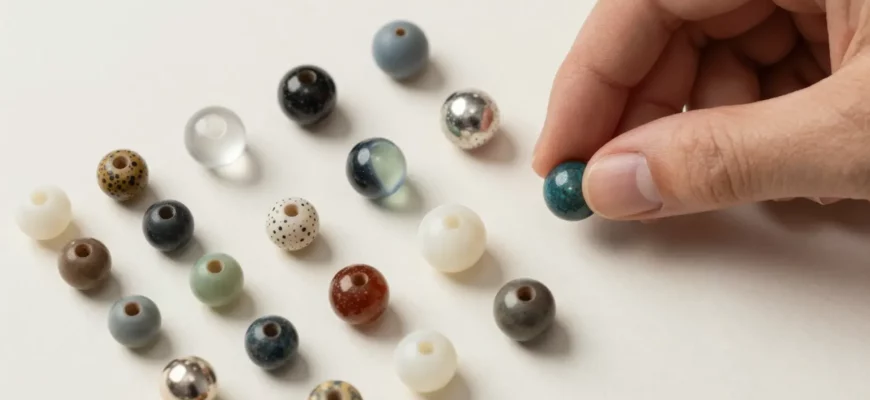
Micro-glass beads are widely considered the premium choice for high-end bedding. Because glass is much denser than plastic, manufacturers can use smaller volumes of beads to achieve the same weight. This results in a blanket that feels like a heavy fabric rather than a bag of bean-bag filler, providing a more uniform “drape” over your body.
For those seeking a cooling weighted blanket, glass is the clear winner. It doesn’t retain heat, and the small size of the beads allows them to shift through the inner fabric layers without creating air pockets that trap warmth. Furthermore, glass is an eco-friendly weighted blanket stuffing option, as it is non-toxic and doesn’t off-gas like some synthetic materials might.
Solving the Shifting Problem: When Weighted Blanket Filling Starts Settling
One of the most frustrating experiences is waking up to find all the weight pooled at your feet. This phenomenon, where weighted blanket beads move to the edges or corners, is usually a sign of poor internal construction. When weighted blanket filling settling occurs, the therapeutic pressure is lost, leaving you with a standard light blanket in the middle and a heavy lump at the bottom.
Quality blankets prevent this by using a “gridded” or “quilted” design. These small pockets, ideally measuring 4×4 or 5×5 inches, lock the beads into a specific area. If the pockets are too large, the beads have too much room to migrate, leading to an uneven and clumpy weighted blanket that fails to provide consistent pressure.
Critical Warning: Never hang a weighted blanket over the back of a chair or a thin rail. The force of gravity on the concentrated weight will stretch the internal stitching and cause the beads to migrate permanently into the lower sections of the blanket.
How to Fix Uneven Weight Distribution
If you notice your blanket feels lopsided, the first step is a thorough “reset” shake. Lay the blanket flat on the floor and shake it vigorously from the center outward to redistribute the filler within the individual pockets. If the weight remains stuck, you may be dealing with broken internal seams, which often occur in budget-friendly models with single-row stitching.
To avoid fixing weight distribution issues constantly, always check for double-stitched reinforced seams before purchasing. If you are a DIY enthusiast, you can sometimes “quilt” over a shifting blanket by sewing new lines of stitching to create smaller compartments, though this requires a heavy-duty sewing machine capable of handling the extra weight.
Maintenance 101: Navigating Weighted Blanket Laundry and Storage
Cleaning a heavy blanket is a logistical challenge. The primary concern isn’t just the beads; it’s the sheer weight on your appliance. Most standard home washing machines have a weight limit of 15 to 20 pounds. If you try to wash a 25-pound blanket at home, you risk burning out the motor or damaging the suspension springs of your washer.
- Check the weight capacity of your washer before starting; commercial laundromats are often the safer choice for blankets over 15 lbs.
- Use a gentle cycle with cold water to preserve the integrity of the inner fabric and prevent bead leakage.
- Avoid fabric softeners, as they can coat the beads and fabric fibers, reducing the blanket’s breathability over time.
- Spot clean the inner shell whenever possible to extend the time between full washes.
Safe Drying Practices for Bead Integrity
Drying is where many people accidentally ruin their blankets. If you have a blanket filled with plastic poly pellets, high heat is your enemy. Poly pellets can melt or clump together at high temperatures, turning your soft blanket into a hard, uncomfortable mess. Even glass bead blankets should be handled with care to avoid wearing down the fabric pockets.
When washing a heavy blanket, air drying is the gold standard. Lay it flat on a clean surface or a sturdy drying rack. If you must use a dryer, select the “air fluff” or “low heat” setting. For storing seasonal bedding, never use vacuum-seal bags for weighted blankets; the intense compression can cause the beads to puncture the inner lining. Instead, fold it loosely and store it in a breathable cotton bag.
Unconventional Fillers: Pros and Cons of Cork, Gravel, and DIY Ideas
While glass and plastic dominate the market, some niche manufacturers and DIYers experiment with unconventional materials. Weighted blanket cork and weighted blanket gravel are two such examples. Cork is favored by those looking for a sustainable, lightweight feel that still offers some resistance, while gravel is often a last-resort budget option for homemade projects.
| Filler Type | Pros | Cons |
|---|---|---|
| Cork | Sustainable, hypoallergenic, very quiet. | Low density (requires a very thick blanket). |
| Gravel/Small Stones | Extremely cheap, easy to source. | Loud, dusty, difficult to wash, can feel “lumpy.” |
| Steel Shot | Extremely dense, very thin profile. | Expensive, can rust if the casing is breached. |
Creative DIY Stuffing for Homemade Blankets
If you are making a homemade weighted blanket, you might be tempted to use organic materials like dried beans, rice, or corn. While these are accessible, they come with significant risks. Organic fillers can grow mold or attract pests if they become damp, and they cannot be laundered. If you are committed to eco-friendly stuffing, look for recycled glass or natural cherry pits, which can be dried more effectively.
For a truly sustainable DIY project, recycled micro-glass is the best balance of performance and ethics. It provides the necessary weight without the bulk of organic materials. Always ensure your fabric choice is a high-thread-count cotton or bamboo to prevent the small particles of filler from leaking through the weave.
Smart Shopping: How to Find a High-Quality Weighted Blanket Clearance
Finding a weighted blanket clearance deal can save you over 50% on a premium product, but you must be discerning. Retailers often discount blankets that use older filler technology, such as large plastic beads, or those with larger quilted pockets. To get the most value, prioritize the filler material over the color or pattern of the cover.
When buying a weighted blanket on sale, look specifically for “discontinued” premium models that feature micro-glass beads. These are often cleared out to make room for new aesthetic collections, even though the internal technology remains top-tier. A cheaper blanket with glass beads is almost always a better investment than an expensive blanket filled with plastic pellets.
Red Flags to Watch for in Discounted Blankets
The biggest risk with clearance items is “leaking.” Check the seams of the blanket for any tiny grains of glass or plastic. If you see beads escaping before you even buy it, the internal stitching is failing. This is a common issue with “factory seconds” where the quality vs price trade-off isn’t worth it.
Another red flag is cheap polyfill. Some manufacturers mix beads with a lot of polyester fiber to make the blanket feel “fluffy.” While this feels nice initially, polyfill is a major heat-trapper. If you are a hot sleeper, avoid blankets that feel too much like a standard comforter, as they likely contain excessive synthetic padding that will make you sweat.
Expert Perspective: Sensory Fillers
In my professional experience working with sensory processing disorders, the tactile consistency of a blanket is just as important as the weight itself. I always advise my clients to choose micro-glass beads because they provide a “fluid” weight distribution. Unlike plastic pellets, which can feel bumpy or “distracting” to someone with high sensory sensitivity, glass beads move like a thick liquid, conforming to the body’s natural curves. This smooth texture is critical for achieving a true calming response, as it minimizes “tactile noise” that can otherwise keep the brain in an alert state.
Frequently Asked Questions
Yes, glass bead blankets are generally machine-washable, but you must verify that your washer’s weight capacity exceeds the blanket’s weight. Always use a cold, gentle cycle and avoid high-heat drying to prevent fabric damage.
What is the quietest weighted blanket filler?
Micro-glass beads are the quietest filler option. Because they are significantly smaller and denser than plastic pellets, they do not rub against each other with the same friction, resulting in virtually silent movement.
How do I stop the beads in my weighted blanket from moving to one side?
To prevent shifting, choose a blanket with small quilted pockets (4×4 inches) and double-stitched seams. If movement has already occurred, a vigorous shake while the blanket is flat can help redistribute the beads.
Is quartz filling better than glass beads?
Quartz is very similar to glass in terms of cooling and density. However, quartz often has a finer, sand-like texture that some users find more comfortable for body contouring, though it is often more expensive.
Can I use gravel or rocks as a weighted blanket filler?
While gravel is a cheap DIY option, it is not recommended for long-term use. It is noisy, difficult to clean, and can create dust that eventually leaks through the fabric, making it a poor choice for sleep hygiene.