- The Ultimate Horse Blanket Weight Chart: Matching Fill to Temperature
- How to Use a Horse Blanket Weight Guide for Celsius and Fahrenheit
- Quick Reference: Blanket Weight and Temperature Guide
- Standard Temperature Ranges for Horse Blanketing
- Understanding Grams: How Many Grams is a Medium Weight Horse Blanket?
- Defining Fill Weight on Horse Blankets
- Horse Blanket Denier vs. Weight: What is the Difference?
- Does Higher Denier Mean More Warmth?
- Finding the Right Fit: Size 60 to Size 68 Medium Weight Options
- Measuring Your Horse for a Waterproof Turnout
- Beyond the Temp Chart: What Weight Blanket Does My Horse Actually Need?
- Factors Influencing Your Blanketing Decision
- Frequently Asked Questions
The Ultimate Horse Blanket Weight Chart: Matching Fill to Temperature
Selecting the correct horse blanket is a sophisticated balancing act that requires an understanding of equine physiology, local meteorology, and textile science. While a standard temperature chart provides a baseline, a horse’s health status and coat density fundamentally shift these requirements. Over-blanketing can be just as detrimental as under-blanketing, as trapped sweat against the skin leads to rapid cooling and potential illness.
How to Use a Horse Blanket Weight Guide for Celsius and Fahrenheit
External temperature serves as the primary driver for blanket selection, but it is rarely the only factor. For an unclipped horse with a natural winter coat, the hair follicles act as a built-in insulation layer by “lofting” or standing on end to trap air. When we apply a blanket, we flatten this natural insulation, meaning the blanket must provide more thermal resistance than the hair it replaces. If the temperature is 16 degrees Celsius (approx 60°F), most healthy horses with a full coat require nothing more than a lightweight rain sheet to stay dry, as their internal metabolic furnace handles the rest.
The calculation changes significantly for clipped horses. By removing the natural fur, you have stripped away the animal’s primary defense against heat loss. A clipped horse essentially requires a “synthetic coat” that mimics the warmth of their natural hair plus the added protection needed for the ambient temperature. When using a horse blanket weight guide in Celsius, always adjust your choice by at least 100 grams of fill if the horse is freshly clipped or if they are a “hard keeper” who struggles to maintain weight during the winter months.
Quick Reference: Blanket Weight and Temperature Guide
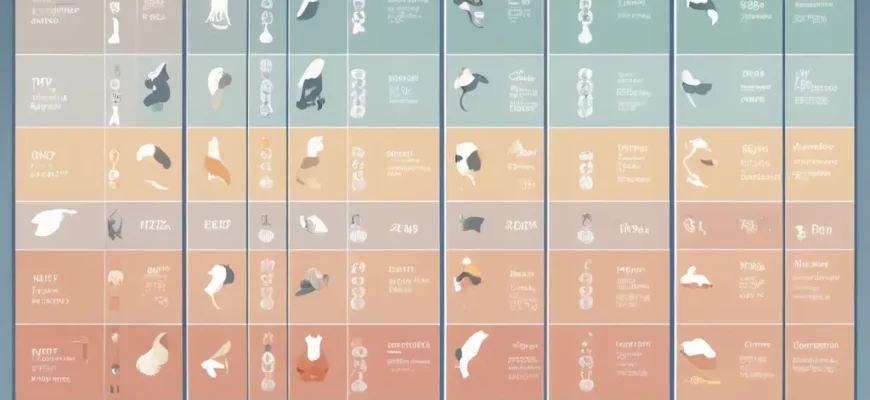
To ensure your horse remains in their “thermoneutral zone,” use the following metrics as a starting point. These ranges assume the horse is in good health and has access to some form of windbreak or shelter. Always prioritize the horse’s individual comfort over the thermometer reading, as wind chill and humidity can make 40°F feel significantly colder.
| Temperature (F) | Temperature (C) | Recommended Blanket Fill (Grams) | Horse Condition (Clipped/Unclipped) |
|---|---|---|---|
| Above 60°F | Above 15°C | 0g (Turnout Sheet) | Unclipped / Light Protection |
| 50°F to 60°F | 10°C to 15°C | 0g ⎯ 100g (Lightweight) | Clipped horses may need 100g |
| 40°F to 50°F | 4°C to 10°C | 150g ⎯ 250g (Medium) | Standard for most clipped horses |
| 30°F to 40°F | -1°C to 4°C | 200g ― 300g (Medium/Heavy) | Unclipped may only need 100g-200g |
| Below 30°F | Below -1°C | 300g ― 450g (Heavyweight) | Necessary for extreme cold or seniors |
Standard Temperature Ranges for Horse Blanketing
The 0g sheet, often called a turnout rug, is designed primarily for wind and rain protection rather than heat retention. It is the ideal choice for temperatures above 60°F when the weather is wet, preventing the coat from becoming saturated and losing its natural insulating loft. A wet coat loses heat 25 times faster than a dry coat, which is why even a non-insulated sheet is a critical piece of equipment for fall transitions.
As the mercury dips into the 40°F to 50°F (4°C to 10°C) range, a medium weight horse blanket becomes the standard. This category typically features 200g of polyester fiberfill. This amount of insulation is versatile enough to handle the fluctuating temperatures of late autumn. For horses living in regions where temperatures stay consistently below freezing, a heavyweight 300g to 400g blanket is required to prevent the horse from burning excessive calories just to maintain their core body temperature.
Understanding Grams: How Many Grams is a Medium Weight Horse Blanket?
In the world of equine apparel, the “gram” refers to the weight of the polyester fiberfill per square meter of fabric. It is a measurement of density and loft, not the total weight of the entire rug. Understanding this distinction is vital for calculating the actual warmth provided to the horse. Higher gram counts indicate more trapped air pockets, which are the actual mechanism that keeps the horse warm by slowing down the transfer of heat from the skin to the outside air.
Defining Fill Weight on Horse Blankets
Lightweight blankets range from 0g to 100g. These are primarily used for rain protection or as a “chill stopper” during cool spring nights. A 100g fill provides just enough insulation to compensate for the flattening of the hair coat without causing the horse to overheat if the sun comes out mid-day. Lightweights are excellent for hardy breeds like Mustangs or Ponies that naturally carry more subcutaneous fat and thicker winter coats.
When owners ask how many grams a medium weight horse blanket is, the industry standard is generally 200g to 250g. This is the most popular weight because it bridges the gap between mild cool and true winter cold. For a clipped horse, a 200g rug is often the “daily driver” for most of the winter in temperate climates. Conversely, a heavy weight horse blanket typically exceeds 300 grams, with some extreme-weather rugs reaching 450g or even 500g. Heavyweights should be reserved for temperatures consistently below 20°F or for senior horses with poor metabolic efficiency.
Horse Blanket Denier vs. Weight: What is the Difference?
One of the most frequent points of confusion for horse owners is the relationship between denier and warmth. Denier is a unit of measure for the linear mass density of fibers; specifically, it is the weight in grams of 9,000 meters of the individual fiber used in the fabric. In practical terms, denier measures the thickness and durability of the outer shell, while the “grams of fill” measures the warmth of the insulation inside.
Myth: A 1200D blanket is warmer than a 600D blanket because the fabric is thicker.
Fact: A 1200D blanket with 0g of fill is significantly colder than a 600D blanket with 200g of fill. The denier represents the “shield” against rips and weather, while the fill weight represents the “sweater” that keeps the horse warm.
Does Higher Denier Mean More Warmth?
A higher denier rating, such as 1200D or 1680D, indicates a tighter, stronger weave that is more resistant to tearing and abrasion. This is essential for horses that are turned out in groups where “blanket tag” is a common game. However, a 1200D outer shell does not inherently provide more warmth. A high denier is about longevity and waterproofing integrity, ensuring that the insulation inside stays dry and functional regardless of the horse’s activity level or the severity of the storm.
When selecting mid-weight horse blankets, look for a denier of at least 1200D if your horse is rough on their gear. While a 600D blanket might be cheaper, the fibers are thinner and more prone to snagging on fences or branches. Investing in a higher denier saves money long-term because the waterproof membrane is less likely to be compromised by micro-tears, which would otherwise allow moisture to seep into the polyester fiberfill and destroy its thermal properties.
Finding the Right Fit: Size 60 to Size 68 Medium Weight Options
The most expensive heavy weight waterproof horse blanket is useless if it does not fit correctly. A blanket that is too tight will compress the fill, reducing its insulating power, and cause painful rubs on the shoulders and withers. Conversely, a blanket that is too large will shift, potentially creating a safety hazard or allowing cold air to circulate freely under the rug, defeating the purpose of the insulation entirely.
Measuring Your Horse for a Waterproof Turnout
To find the correct size, use a soft measuring tape and start at the center of the horse’s chest, running the tape along the side of the body to the edge of the tail. Most brands use inches for sizing. For example, a size 60 medium weight is typically for a large pony or a very small horse, while a size 68 medium weight is common for refined breeds like Arabians or smaller Thoroughbreds. Always check the specific brand’s size chart, as some European cuts run narrower in the chest than American “stock horse” cuts.
When fitting a new rug, ensure you can slide at least two fingers between the blanket and the horse’s withers. If the blanket sits too far back, it will put immense pressure on the mane and skin. Waterproof outer shells are non-negotiable for turnout blankets, as they provide essential fall protection against freezing rain. Look for “ripstop” patterns in the fabric, which prevent a small puncture from turning into a massive tear that exposes the internal fill to the elements.
Beyond the Temp Chart: What Weight Blanket Does My Horse Actually Need?
While charts are helpful, they cannot account for the individual biological and environmental variables of your specific horse. An “easy keeper” with a thick layer of fat will require much less insulation than a thin, senior horse with a high metabolic rate. Furthermore, wind chill is the “silent killer” of equine warmth. A 30°F day with no wind is much easier for a horse to manage than a 40°F day with 25 mph gusts and rain.
Factors Influencing Your Blanketing Decision
- Age and Metabolism: Senior horses often have difficulty regulating their core temperature. A senior horse may need a medium weight blanket when a younger horse is perfectly comfortable in a light sheet.
- Shelter and Wind: If your horse has access to a three-sided run-in shed, they can escape the wind and stay warmer. Horses in open pastures without windbreaks require heavier fill to compensate for convective heat loss.
- The Hand Test: This is the gold standard for monitoring comfort. Slide your hand under the blanket and feel the horse’s skin behind the shoulder. If they feel cold, add a layer. If they feel hot or damp, they are sweating and must be cooled down immediately.
- Coat Condition: A horse with a “summer coat” (freshly clipped or under lights) has zero natural protection. They will almost always require 100g-200g more fill than their unclipped counterparts.
In my professional experience, the most common mistake horse owners make is over-blanketing based on their own human perception of “cold.” We must remember that a horse’s thermoneutral zone starts much lower than ours. I always advise owners that it is significantly safer for a horse to be slightly cool than to be too hot. When a horse overheats under a rug, they sweat. That sweat cannot evaporate efficiently through the blanket layers, leaving the horse damp. Once the temperature drops at night, that dampness acts as a conductor for cold, leading to a much higher risk of respiratory issues or chills than if the horse had been left in a lighter rug. My mantra is simple: if you aren’t sure, go one weight lighter and check the horse’s ears. If the base of the ears is warm, the horse is generally fine.
Frequently Asked Questions
A medium weight (200g-250g) is typically used when temperatures are between 40°F and 50°F (4°C to 10°C) for unclipped horses, or down to 30°F for clipped horses.
How many grams is a heavy weight horse blanket?
A heavy weight blanket usually contains between 300 and 450 grams of polyester fiberfill insulation for extreme cold protection.
Is a 1200 denier blanket warmer than a 600 denier blanket?
No. Denier measures the strength and thickness of the outer fabric shell, not the warmth. Warmth is determined solely by the grams of fill inside.
When should I use a lightweight turnout sheet?
Use a 0g sheet when temperatures are above 60°F to provide rain protection, or for unclipped horses in mild 50°F weather to act as a windbreaker.
How do I know if my horse is too hot under their blanket?
Slide your hand under the blanket behind the shoulder; if the skin feels hot or you detect moisture/sweat, the horse is over-blanketed and needs a lighter option.
Does my horse need a blanket if they have a thick winter coat?
Generally, no. Healthy, unclipped horses with shelter are fine without blankets unless it is raining or extremely windy, which flattens the coat and destroys its natural insulation.