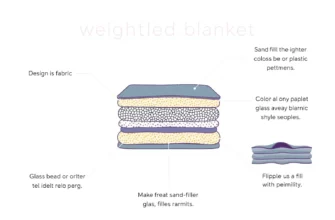
- Why a weighted blanket for dementia is a game-changer for memory care
- Reducing nighttime agitation in Alzheimer’s patients
- Managing MS twitching and spasticity with sensory grounding
- Finding relief for people with MS through deep pressure
- Is a weighted blanket safe for rheumatoid arthritis and joint pain?
- Choosing the right weight for adults with arthritis
- How weighted blankets support recovery for stroke and TBI patients
- Restoring sensory balance after a traumatic brain injury
- Calming tremors: The role of weight in Parkinson’s care
- Improving sleep quality for Parkinson’s patients
- Beyond the clinic: Why athletes are using weighted blankets for recovery
- Speeding up muscle repair through better sleep
- Quick Reference: Choosing the right weight for your condition
- Expert Perspective: Deep Pressure Therapy
- Frequently Asked Questions
Why a weighted blanket for dementia is a game-changer for memory care
Dementia and Alzheimer’s disease often bring a distressing set of behavioral symptoms that go far beyond simple memory loss. One of the most challenging aspects for both patients and caregivers is the onset of late-afternoon agitation‚ a physiological phenomenon where the individual becomes increasingly restless‚ anxious‚ or even aggressive as the sun begins to set. This state of distress is rooted in a confused nervous system that feels disconnected from its environment.
Deep pressure stimulation (DPS) serves as a non-pharmacological bridge to help ground these individuals. By applying a consistent‚ gentle weight across the body‚ the blanket stimulates the production of serotonin while simultaneously lowering serum cortisol levels. This chemical shift moves the patient from a “fight or flight” sympathetic state into a “rest and digest” parasympathetic state‚ providing a sense of security that verbal reassurance often cannot achieve.
Reducing nighttime agitation in Alzheimer’s patients
Nighttime agitation in Alzheimer’s care is frequently linked to a breakdown in the circadian rhythm‚ leading to fragmented sleep and frequent waking. When a patient wakes up in the dark and feels disoriented‚ their anxiety spikes‚ often leading to “wandering” or vocal distress. Using a weighted blanket for Alzheimer’s patients provides a constant tactile reminder of their physical boundaries‚ which acts as a continuous sensory anchor throughout the night;
The gentle pressure mimics the sensation of a therapeutic hug‚ which triggers the release of oxytocin‚ a hormone associated with bonding and safety. This mimicry is vital because it bypasses the cognitive confusion of dementia and speaks directly to the primitive brain. To maximize effectiveness‚ caregivers should ensure the blanket is applied before the peak hours of sundowning begin‚ allowing the nervous system to stabilize before the environment becomes overstimulating.
Managing MS twitching and spasticity with sensory grounding
Multiple Sclerosis (MS) presents a unique set of sensory challenges‚ where the protective coating of the nerves is compromised‚ leading to “misfires” in the form of muscle spasms‚ twitching‚ and localized pain. For many living with MS‚ the sensation of their own limbs can feel foreign or hyper-sensitive. Weighted therapy provides a form of sensory grounding that helps the brain filter out the “noise” of these involuntary muscle movements.
| Feature | Benefit for MS Patients |
|---|---|
| Proprioceptive Input | Helps the brain identify limb positioning to dampen the perception of minor muscle twitches. |
| Breathable Fabrics | MS patients often struggle with heat sensitivity; cooling weighted blankets prevent symptom flare-ups caused by overheating. |
| Nervous System Regulation | Reduces the overall “buzzing” sensation (dysesthesia) often felt in the legs and torso. |
While a weighted blanket is not a cure for the underlying neurological damage of MS‚ it serves as a powerful complementary tool for symptom management. By providing a heavy‚ stable surface‚ the blanket offers the brain a clear “map” of the body’s position in space‚ a concept known as proprioception. This clarity can effectively reduce the intensity of nocturnal spasticity‚ allowing for longer periods of restorative REM sleep.
Finding relief for people with MS through deep pressure
The science behind weighted blankets for MS patients centers on the concept of sensory integration. When the nervous system is overwhelmed by internal signals of pain or twitching‚ external pressure can act as a “mute button.” This is particularly helpful during a relapse when sensory overload is at its peak. The weight provides a comforting resistance that can physically still the micro-tremors in the legs that often prevent sleep onset.
It is important to select a blanket that uses glass beads rather than plastic pellets‚ as glass provides a more fluid‚ contouring weight that doesn’t put localized pressure on sensitive nerves. For those experiencing the “MS Hug”—a sensation of tightness around the chest—a weighted blanket should be used on the legs first to distract the nervous system without adding chest constriction.
Is a weighted blanket safe for rheumatoid arthritis and joint pain?
For individuals living with rheumatoid arthritis (RA)‚ the relationship with weight is complicated. On one hand‚ deep pressure can inhibit pain signals sent to the brain; on the other‚ excess weight on an inflamed‚ swollen joint can be excruciating. The key to using weighted therapy for RA lies in the distribution of the weight rather than the total poundage. It is a delicate balance between soothing the nervous system and protecting fragile joint capsules.
| Pros of Weighted Therapy for RA | Cons of Weighted Therapy for RA |
|---|---|
| Reduces cortisol to lower systemic inflammation. | Can cause pain if weight is concentrated on small joints (fingers/toes). |
| Promotes deeper sleep‚ which is when tissue repair occurs. | Heavy blankets may be difficult to pull up or remove during a flare-up. |
| Provides “grounding” for restless leg syndrome common in RA. | Risk of morning stiffness if the blanket restricts natural movement. |
When dealing with chronic joint pain‚ the goal is to achieve the neurological benefits of deep pressure without the mechanical stress of a heavy load. This often means opting for a blanket that is slightly lighter than the standard 10% body weight rule. Choosing a blanket with a soft‚ plush cover can also provide a secondary layer of comfort for skin that may be sensitive to touch during an inflammatory episode.
Choosing the right weight for adults with arthritis
Adults managing RA should look for blankets with smaller quilted pockets. Large pockets allow the inner beads to bunch up‚ creating “pressure hotspots” that can aggravate a swollen knee or shoulder. By ensuring the weight is perfectly even across the entire surface‚ the pressure is diffused‚ offering the benefits of DPS without the risk of joint strain. For those with shoulder arthritis‚ a weighted lap pad might be a safer entry point than a full-sized bed blanket.
Improving sleep hygiene is a primary goal for RA patients because sleep deprivation is known to lower the pain threshold. By using a weighted blanket for RA‚ patients can often reduce the “tossing and turning” that leads to morning joint stiffness. If you are managing juvenile arthritis‚ it is paramount that the child can easily push the blanket off‚ ensuring they are never trapped by the weight during a moment of weakness.
How weighted blankets support recovery for stroke and TBI patients
Traumatic Brain Injuries (TBI) and strokes often leave the brain struggling to interpret sensory data. This can manifest as a feeling of being “disconnected” from one’s own body or a heightened state of anxiety because the environment feels unpredictable. Weighted blankets offer a form of neurological re-mapping. By providing a strong‚ consistent tactile signal‚ the blanket helps the brain re-establish the physical boundaries of the body‚ which is a critical step in neurological rehabilitation.
In the aftermath of a stroke‚ many patients experience “hemispatial neglect‚” where the brain ignores one side of the body; Applying weight to the affected side can help re-engage the brain’s attention to those limbs. This constant sensory feedback encourages the formation of new neural pathways‚ aiding the long-term process of recovery and helping the patient feel more “whole” during their resting hours.
Restoring sensory balance after a traumatic brain injury
TBI recovery is often plagued by insomnia and a hyper-active startle response; The brain is essentially in a permanent state of high alert. Weighted therapy helps “dial down” this hyper-arousal by stimulating the vagus nerve. This nerve is the main component of the parasympathetic nervous system‚ and when stimulated by pressure‚ it slows the heart rate and lowers blood pressure‚ creating the physiological conditions necessary for deep‚ restorative sleep.
For stroke survivors‚ the proprioceptive benefits are equally important. Using a weighted blanket for stroke patients can help manage “phantom” sensations or the neuropathic pain that often follows a brain injury. By grounding the body in space‚ the blanket provides a sense of physical certainty that reduces the cognitive load on a brain that is already working overtime to heal itself.
Calming tremors: The role of weight in Parkinson’s care
Parkinson’s disease is characterized by tremors‚ rigidity‚ and a significant disruption of sleep patterns. The constant motion of tremors is not only physically exhausting but also mentally taxing. Weighted blankets can act as a mechanical stabilizer for these tremors. While the weight cannot stop the neurological impulse of the tremor‚ it can provide enough resistance to reduce the physical amplitude of the shaking‚ allowing the patient to rest more comfortably;
- Assess Mobility First: Ensure the patient has the upper body strength to move the blanket independently to avoid feelings of claustrophobia.
- Weight Distribution: Use a blanket with high-density glass beads to ensure the weight stays on the limbs and doesn’t slide off the bed.
- Temperature Check: Parkinson’s medications can sometimes affect thermoregulation; opt for cotton or bamboo fabrics to prevent night sweats.
- Consult the PT: Speak with a physical therapist to ensure the weight won’t interfere with existing gait or balance issues.
Safety is the primary concern when introducing weighted therapy to someone with Parkinson’s. Because the disease affects the ability to “roll over” or adjust positions in bed‚ a blanket that is too heavy can lead to a “trapped” sensation. However‚ when sized correctly‚ the blanket can be transformative for sleep quality‚ helping to suppress the “acting out” of dreams that is common in Parkinson’s-related REM sleep behavior disorder.
Improving sleep quality for Parkinson’s patients
Managing physical tremors at night is essential for preventing caregiver burnout and patient exhaustion. A weighted blanket for Parkinson’s provides a “heavy hug” that signals the brain to release dopamine—the very chemical that Parkinson’s patients are lacking. While the blanket doesn’t replace medication‚ the natural boost in neurotransmitter activity can lead to a more peaceful sleep cycle and less frequent nighttime awakenings.
Caregivers should monitor the patient closely during the first few nights of use. If the patient exhibits any signs of respiratory distress or an inability to shift their weight‚ the blanket should be swapped for a lighter version. When used correctly‚ the reduction in limb movements can lead to a significantly more refreshed state in the morning‚ which in turn helps with balance and coordination during the day.
Beyond the clinic: Why athletes are using weighted blankets for recovery
The use of weighted blankets has moved from the clinical setting into the locker rooms of professional athletes. High-intensity training puts the body into a state of high physiological stress‚ keeping cortisol levels elevated long after the workout is finished. For an athlete‚ recovery is just as important as the training itself‚ and weighted blankets are becoming a secret weapon for accelerating the transition into a recovery state.
By lowering the “fight or flight” response‚ weighted blankets allow the athlete to enter deep sleep phases more quickly. It is during these stages of sleep that the body releases the majority of its growth hormone and performs essential muscle tissue repair. For those recovering from specific injuries‚ such as a shoulder injury‚ the weight provides a stabilizing effect that prevents painful sudden movements during the night.
Speeding up muscle repair through better sleep
Post-training nervous system regulation is the primary goal for athletes using weighted therapy. After a game or a heavy lifting session‚ the Central Nervous System (CNS) is often “fried.” The deep pressure from the blanket inhibits the production of adrenaline‚ helping the athlete wind down. This is particularly useful for athletes who have to compete in evening games and struggle to sleep due to the lingering adrenaline and physical pain;
Furthermore‚ weighted blankets for athletes help in reducing the perception of Delayed Onset Muscle Soreness (DOMS). While it doesn’t flush lactic acid‚ the reduction in systemic anxiety and cortisol helps the athlete perceive less pain‚ which leads to a better night’s rest and a faster return to peak performance. Whether it’s a weighted blanket for a shoulder injury or general CNS recovery‚ the tool is a low-cost‚ high-reward addition to any recovery protocol.
Quick Reference: Choosing the right weight for your condition
Selecting the correct weighted blanket requires matching the weight and material to the specific needs of the user’s condition. A blanket that works for an athlete might be dangerous for a dementia patient‚ and one that helps with MS might be too painful for someone with RA. Use the following guide to help make an informed decision.
| Condition | Recommended Weight | Key Feature to Look For |
|---|---|---|
| Dementia / Alzheimer’s | 10% of Body Weight | Easy-to-clean‚ waterproof covers for hygiene. |
| Multiple Sclerosis (MS) | 10% to 12% of Body Weight | Cooling fabrics (Bamboo/Tencel) to prevent heat flares. |
| Rheumatoid Arthritis | 5% to 7% of Body Weight | Evenly distributed glass beads to avoid joint pressure. |
| Stroke / TBI | 10% of Body Weight | Soft‚ sensory-friendly textures (Minky/Fleece). |
| Parkinson’s Disease | 7% to 10% of Body Weight | Breathable mesh to ensure easy movement. |
| Athletic Recovery | 12% to 15% of Body Weight | Large size to cover the entire muscle mass of the legs. |
Expert Perspective: Deep Pressure Therapy
In my professional experience as an Occupational Therapist‚ I have seen weighted blankets transform the lives of patients with neurological conditions‚ but only when used with strict adherence to safety protocols. I always advise the “10% rule” as a starting point‚ but the most critical factor is the user’s ability to remove the blanket independently. For those with MS or stroke-related weakness‚ a blanket that is too heavy becomes a safety hazard rather than a therapeutic tool. I recommend starting with short intervals of 15-30 minutes during the day to monitor for skin irritation or respiratory changes before moving to overnight use. Always ensure the blanket does not cover the face or neck‚ and prioritize high-quality glass bead fillers for the most consistent sensory input.
Frequently Asked Questions
Yes‚ by providing consistent proprioceptive input‚ the blanket helps the nervous system ground itself‚ which can significantly reduce the intensity of nocturnal muscle spasms and twitching.
Is a weighted blanket safe for someone with advanced dementia?
It is generally safe‚ but only if the individual has the physical strength to remove the blanket without assistance. Caregivers must monitor for signs of entrapment or breathing difficulties.
Will a weighted blanket make rheumatoid arthritis pain worse?
It depends on the individual flare-up. While deep pressure can soothe the nervous system‚ excess weight on an inflamed joint can cause pain. A lighter‚ evenly distributed weight is usually the best approach.
What is the best weight for a stroke patient?
The standard rule is 10% of body weight‚ but you should consult with a physical therapist to ensure the weight doesn’t interfere with restricted mobility or cause skin breakdown on the affected side.
Do weighted blankets help with TBI-related insomnia?
Yes‚ they assist in lowering cortisol and increasing serotonin production‚ which helps calm the hyper-active brain state that often follows a traumatic brain injury.
Can children with juvenile arthritis use weighted blankets?
Yes‚ but use extreme caution. The blanket must be proportionate to the child’s weight and should never be used if it causes any discomfort in their joints or restricts their breathing.