- Defining the Weighted Blanket: What Are They for and How Do They Work?
- The Theory of Weighted Blankets: Deep Pressure Stimulation Explained
- Weighted Blanket Facts: Common Uses for Mental and Physical Health
- Managing Anxiety and Stress at Home
- Support for ADHD, Autism, and Sensory Processing
- Maximizing Sleep Quality: What Do They Do for Insomnia?
- Reducing Nighttime Movement and Restlessness
- Essential Safety: Who Should (and Shouldnt) Use a Weighted Blanket?
- The 10% Weight Rule for Optimal Results
- Common Misconceptions: Myths vs. Facts About Heavy Bedding
- Expert Perspective: Sensory Integration
- Frequently Asked Questions
Defining the Weighted Blanket: What Are They for and How Do They Work?
A weighted blanket is far more than a heavy piece of bedding; it is a specialized therapeutic tool designed to provide controlled sensory input. Originally used primarily in clinical settings, these blankets have transitioned into mainstream homes as a non-pharmacological intervention for sleep and stress management.
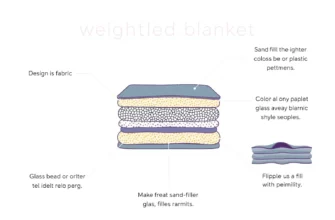
The construction of a heavy blanket typically involves multiple layers of fabric—often cotton, bamboo, or minky—stitched into a quilted pattern. These individual pockets are filled with dense materials such as micro-glass beads or medical-grade plastic pellets to ensure the weight remains evenly distributed across the body, preventing the “clumping” effect found in standard duvets.
By applying gentle, even pressure across the torso and limbs, these sensory tools provide what researchers call “grounding.” This sensation helps individuals feel more secure in their physical space, which is particularly beneficial for those who struggle with spatial awareness or high levels of environmental overstimulation.
The Theory of Weighted Blankets: Deep Pressure Stimulation Explained
The core functionality of these blankets rests on Deep Pressure Stimulation (DPS), a type of firm tactile input that reaches the deeper layers of the skin and muscles. This input signals the proprioceptive system, which is the body’s internal sense of self-movement and body position, helping the brain process where the body ends and the environment begins.
When the body experiences this consistent pressure, it triggers a cascade of neurochemical changes; The brain typically responds by increasing the production of serotonin and oxytocin, often referred to as the “feel-good” hormones, while simultaneously lowering the heart rate to induce a calming effect.
This shift represents a transition in the autonomic nervous system from the sympathetic state (fight or flight) to the parasympathetic state (rest and digest). For many users, this nervous system regulation is the primary reason for using a heavy blanket, as it provides a physical “off switch” for the heightened arousal associated with modern stress.
Weighted Blanket Facts: Common Uses for Mental and Physical Health
The application of weighted bedding spans a wide spectrum of health conditions, ranging from temporary stress to chronic neurological disorders. Understanding the specific purpose and function of these blankets allows users to tailor their usage to their unique physiological needs.
| Condition | Primary Function | Key Benefit |
|---|---|---|
| General Anxiety | Cortisol regulation | Reduction in physical “jitters” and racing thoughts. |
| Insomnia | Melatonin support | Faster sleep onset and reduced nighttime waking. |
| ADHD | Sensory feedback | Increased focus and improved emotional regulation. |
| Autism (ASD) | Tactile soothing | Prevention of sensory meltdowns and better transitions. |
| Restless Leg Syndrome | Physical suppression | Minimized involuntary limb movement during rest. |
Managing Anxiety and Stress at Home
Anxiety often manifests as a physical state of hyper-vigilance, where the body remains in a constant loop of stress responses. Using a weighted blanket provides a grounding sensation that physically tethers the user to their immediate environment, breaking the cycle of panic or worry.
Clinical studies have shown that anxiety relief is often linked to the reduction of cortisol, the body’s primary stress hormone. When the weight of the blanket is applied, the sudden drop in cortisol combined with the rise in serotonin creates a cocoon-like environment that makes the user feel protected and relaxed.
Support for ADHD, Autism, and Sensory Processing
For individuals with neurodivergent profiles, such as Autism Spectrum Disorder (ASD) or ADHD, the world can often feel like a chaotic barrage of sensory information. Occupational therapy professionals frequently use weighted tools to assist with sensory integration, helping patients organize their tactile experiences.
Sensory seekers—individuals who require more input than average to feel regulated—often find that the constant, predictable pressure of a heavy blanket helps them self-soothe during periods of high emotional intensity; In school or home environments, these blankets are used to help children regain focus after a period of overstimulation, acting as a portable “safe zone.”
Maximizing Sleep Quality: What Do They Do for Insomnia?
Sleep hygiene improvements are perhaps the most cited reason for the recent surge in weighted blanket popularity. Unlike traditional blankets that provide only warmth, weighted versions provide a mechanical solution to sleep disturbances by influencing the body’s circadian rhythm through tactile feedback.
The primary mechanism here is the facilitation of melatonin production. Because serotonin is a precursor to melatonin, the boost in serotonin provided by the blanket naturally primes the brain for a deeper, more restorative sleep cycle. This is particularly effective for individuals who experience “tired but wired” syndrome, where the mind remains active despite physical exhaustion.
Reducing Nighttime Movement and Restlessness
For those who suffer from sleep latency issues—the time it takes to fall asleep—the physical weight serves as a gentle restraint. By physically limiting the ability to toss and turn, the blanket encourages the user to find a comfortable position and remain there, which shortens the time it takes to enter the first stage of REM sleep;
This is especially beneficial for patients with restless leg syndrome (RLS). The downward pressure provides a counter-stimulus to the “creepy-crawly” sensations often felt in the legs, allowing the muscles to relax more fully. By providing a consistent level of input, the blanket prevents the brain from being alerted by minor movements, leading to fewer micro-awakenings throughout the night.
Essential Safety: Who Should (and Shouldnt) Use a Weighted Blanket?
While the benefits are extensive, safety is the most critical factor when introducing a weighted blanket into a daily routine. Because these items exert significant pressure, they are not suitable for everyone, and improper use can lead to respiratory distress or physical injury.
- Never use a weighted blanket for infants or toddlers under the age of two, as they lack the physical strength to move the blanket if it covers their face.
- Individuals with chronic respiratory issues, such as asthma or sleep apnea, should consult a physician before use, as the chest pressure may impede breathing.
- People with circulatory problems or Type 2 diabetes should monitor their limb sensitivity to ensure the weight does not restrict blood flow.
- Ensure the user has the physical cognitive ability to remove the blanket independently in an emergency.
The 10% Weight Rule for Optimal Results
A common mistake is assuming that a heavier blanket will automatically provide better results. In reality, the most effective weight is typically 10% of the user’s total body weight. For a 150-pound adult, a 15-pound blanket is the standard recommendation to achieve the therapeutic threshold without causing discomfort.
Choosing the right size also involves considering the dimensions of the bed. A weighted blanket should never hang over the edges of the mattress, as the gravity will pull the weight toward the floor, causing the blanket to slide off during the night and potentially creating a tripping hazard. For children, the weight calculation is even more precise, and it is often recommended to add only one or two pounds to the 10% calculation to ensure they are not overwhelmed by the pressure.
Common Misconceptions: Myths vs. Facts About Heavy Bedding
As weighted blankets have moved from the “weighted blanket wiki” pages to mainstream retail, several myths have surfaced regarding their practicality and comfort. Addressing these misconceptions is essential for setting realistic expectations for new users.
Myth: Weighted blankets are too hot for summer use.
Fact: Modern blankets use moisture-wicking fabrics like bamboo or cooling cotton and glass bead fillers that do not retain heat as much as traditional polyester stuffing. Many users find them cooler than standard down comforters.
Myth: They are only for people with clinical diagnoses.
Fact: While they began as medical tools, anyone experiencing general stress, temporary sleep issues, or muscle tension can benefit from the calming effects of deep pressure stimulation.
Myth: You can’t wash a weighted blanket.
Fact: Most high-quality blankets come with a removable duvet cover that is machine washable. While the inner weighted core usually requires a commercial-grade washer due to its weight, the outer layers are easily maintained.
Expert Perspective: Sensory Integration
In my professional experience as an Occupational Therapist, I have seen weighted blankets transform the lives of individuals with sensory processing challenges. However, I always advise my clients that a blanket is just one piece of a comprehensive “sensory diet.” While it is incredibly effective for modulation and calming the nervous system, it should not be viewed as a standalone cure. For the best results, use the blanket for 20-30 minute intervals during the day to reset the nervous system, rather than relying on it exclusively for 24-hour comfort. This prevents the body from becoming habituated to the pressure, ensuring the therapeutic effect remains potent over the long term.
Frequently Asked Questions
They are primarily used to manage anxiety, insomnia, and sensory processing disorders by providing calming deep pressure stimulation to the nervous system.
How do I choose the right weight for my blanket?
The standard guideline is to select a blanket that is approximately 10% of your total body weight, plus or minus a pound depending on personal comfort preferences.
Can you use a weighted blanket every night?
Yes, for healthy adults, nightly use is generally safe and can significantly improve sleep hygiene by reducing tossing and turning and promoting melatonin production.
Are weighted blankets safe for toddlers?
No, they are strictly not recommended for children under the age of two or anyone who cannot move the weight off themselves, due to the high risk of suffocation.
What is the science behind why weighted blankets work?
They utilize Deep Pressure Stimulation (DPS) to trigger the release of serotonin while lowering cortisol, effectively shifting the body from a stressed state to a relaxed state.