- Defining the Movement: What is Rewilding?
- Rewilding vs. Traditional Conservation
- The History of a Radical Idea: Who Coined Rewilding?
- The Evolution of Rewilding Wikipedia and Wiki Definitions
- Restoring the Wild: What it Means to Rewild Substantial Tracts of Land
- The Three Cs: Cores, Corridors, and Carnivores
- Urban Rewilding: Bringing Nature Back to the Concrete Jungle
- Small Steps for Big Impact in Cities
- Species Reintroduction: Defining Rewilding Animals
- Keystone Species and Trophic Cascades
- Human Rewilding: A Personal Shift in Perspective
- Reconnecting with the Wild Within
- Passive Rewilding Theory: Letting Nature Lead the Way
- The Power of Ecological Succession
- Expert Perspective: Rewilding Resilience
- Frequently Asked Questions
Defining the Movement: What is Rewilding?
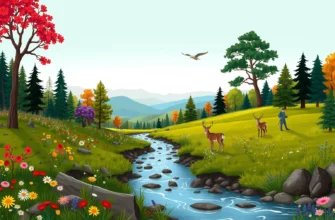
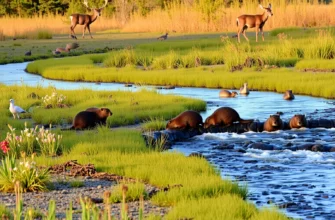
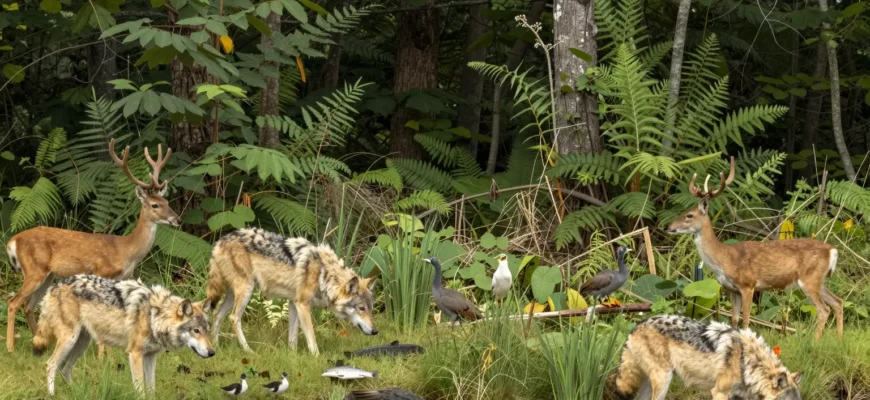
Rewilding represents a fundamental shift in how we perceive our relationship with the natural world. Rather than viewing nature as something that requires constant human “gardening” or restrictive management, this approach advocates for granting ecosystems the autonomy to repair themselves; When we define rewilding, we are looking at a progressive form of conservation that prioritizes the restoration of natural processes and the return of missing species.
This movement suggests that if we remove the barriers humans have built—such as dams, fences, and monoculture plantations—nature has an inherent ability to bounce back. It is not about reaching a specific historical end-point, but about restarting the biological engines that allow a landscape to become self-sustaining and resilient against climate fluctuations.
Rewilding vs. Traditional Conservation
Traditional conservation often focuses on “freezing” a landscape in a specific state to protect a single rare species. This human-led management frequently involves intensive intervention, such as manual weeding or controlled culling. In contrast, rewilding moves toward nature-led management where ecological functions take precedence over static aesthetic goals.
The primary objective is the creation of self-sustaining ecosystems. By restoring natural processes, such as the natural flooding of a river or the movement of large herbivores, we reduce the need for permanent human maintenance. This transition shifts the focus from preservation to transformation, allowing the land to evolve dynamically as it did for millennia.
The History of a Radical Idea: Who Coined Rewilding?
The term “rewilding” emerged from the radical environmentalism of the late 20th century. It wasn’t born in a government office but in the field, driven by activists and biologists who realized that simply protecting small “islands” of nature wasn’t enough to stop the extinction crisis. They argued for reconnecting fragmented habitats on a continental scale.
| Era | Key Concept | Primary Goal |
|---|---|---|
| Early 1990s | Cores, Corridors, Carnivores | Protecting large predators to stabilize ecosystems. |
| 2000s | Trophic Rewilding | Restoring food webs through species reintroduction. |
| 2010s-Present | Urban & Human Rewilding | Integrating wildness into cities and daily lifestyles. |
The Evolution of Rewilding Wikipedia and Wiki Definitions
The question of who coined the term rewilding leads back to Dave Foreman, a co-founder of the Wildlands Project, in the early 1990s. However, it was the conservation biologists Michael Soulé and Reed Noss who provided the scientific rigor in their 1998 paper. They established the “3 Cs” framework: Cores (large protected areas), Corridors (wildlife passages), and Carnivores (apex predators).
Since those early definitions, the concept has expanded globally. While the North American model focused on vast wilderness and wolves, the European model often emphasizes land abandonment and the return of herbivores like bison and wild horses. This evolution shows that rewilding is a flexible strategy adapted to different cultural and geographical contexts.
Restoring the Wild: What it Means to Rewild Substantial Tracts of Land
Rewilding substantial tracts of land involves more than just leaving a field fallow. It requires a deliberate strategy to remove the human “straightjackets” that prevent ecological movement. This might mean decommissioning old dams to let rivers find their natural course or removing miles of internal fencing to allow deer and boar to roam freely across the landscape.
When we ask what is rewilding land, we are talking about creating a space where natural disturbances—like fires, floods, and windthrow—become the architects of the terrain. These forces create a mosaic of habitats, from thick scrub to open grassland, which supports a far higher density of life than a neatly manicured forest or a commercial farm.
| Feature | Traditional Land Management | Rewilding Approach |
|---|---|---|
| Water Control | Straightened channels and drainage. | Meandering rivers and beaver wetlands. |
| Vegetation | Monoculture or specific species planting. | Natural regeneration and scrub growth. |
| Grazing | Controlled livestock numbers. | Free-roaming, mixed-species guilds. |
The Three Cs: Cores, Corridors, and Carnivores
The concept of habitat connectivity is central to large-scale efforts. Cores represent the “heart” of the ecosystem—undisturbed areas where nature is the primary influence. However, cores are useless if they are isolated islands. Wildlife corridors, such as green bridges over highways or protected river valleys, allow species to migrate, find mates, and adapt to changing climates.
The “Carnivore” aspect is often the most controversial but ecologically vital. Apex predators trigger trophic cascades that benefit the entire food chain. For instance, when predators are present, herbivores change their grazing patterns, which allows overgrazed riverbanks to recover, eventually providing habitat for songbirds, insects, and fish.
Urban Rewilding: Bringing Nature Back to the Concrete Jungle
Urban rewilding challenges the idea that “nature” is something that only happens far away in national parks. It is about integrating wildness into the spaces where we live and work. By changing our urban rewilding definition to include micro-habitats, we can turn cities from biological deserts into thriving wildlife hubs.
This approach is vital for climate resilience. Cities with high levels of biodiversity are better equipped to handle heatwaves and flash flooding. A “wilder” city uses nature-based solutions—like rain gardens and ivy-covered walls—to manage environmental stress while simultaneously improving the mental well-being of its human residents.
- Replace lawn monocultures with native wildflower meadows to support local pollinator populations.
- Install vertical forests or green walls on high-rise buildings to reduce the urban heat island effect.
- Daylight buried streams by removing concrete pipes and allowing water to flow naturally through neighborhoods.
- Create “hedgehog highways” by cutting small holes in garden fences to allow small mammals to travel.
Small Steps for Big Impact in Cities
You don’t need thousands of acres to make a difference. Urban rewilding examples often start with “micro-forests” planted using the Miyawaki method, where native trees are planted densely in small plots to encourage rapid growth. These tiny patches of wildness can become essential stepping stones for city biodiversity.
Creating pollinator pathways is another high-impact strategy. By ensuring that parks, balconies, and roadside verges are filled with native flora, we create unbroken corridors for bees and butterflies. These small-scale interventions prove that even the most industrial landscapes can be reclaimed by the wild.
Species Reintroduction: Defining Rewilding Animals
Animals are not just inhabitants of an ecosystem; they are its engineers. When we define rewilding animals, we focus on keystone species that perform specific ecological “jobs”. Beavers, for example, are master hydrologists. By building dams, they create wetlands that store water, filter pollutants, and provide homes for countless other species.
Reintroduction is often the spark that ignites a broader recovery. However, it requires careful scientific planning to ensure that the reintroduced species can survive and that the local community supports their return. This isn’t about “re-wilding” everything at once, but about strategically placing the right species back into the puzzle.
Keystone Species and Trophic Cascades
The reintroduction of wolves to Yellowstone National Park remains the most famous example of a trophic cascade. By regulating the elk population, the wolves indirectly allowed willow and aspen groves to flourish, which in turn brought back beavers and songbirds. This “top-down” effect demonstrates how one species can fundamentally reshape the physical geography of a region.
Interestingly, the discussion has expanded to include “rewilded chickens” and other feralized domesticates. In smaller plots where large wild herbivores aren’t feasible, allowing domestic breeds to live in semi-wild states can mimic the grazing impact of extinct ancestors. Rewilded chickens, for instance, act as forest floor scavengers, scratching the soil and dispersing seeds, effectively filling a niche that would otherwise remain vacant.
Human Rewilding: A Personal Shift in Perspective
What is human rewilding? It is the process of unlearning the rigid domesticity of modern life and reconnecting with our biological roots; This isn’t a call to abandon technology and live in caves, but rather an invitation to integrate natural rhythms back into our daily existence. It is about recognizing that humans are part of the ecosystem, not separate from it.
At its core, human rewilding is a psychological and sociological shift. It involves spending more time in “unmanaged” spaces and developing a “wilder” mindset that values ecological health as much as economic productivity. This reconnection has been shown to reduce stress, improve immune function, and foster a deeper sense of environmental stewardship.
Myth: Human rewilding means living like a hunter-gatherer and rejecting modern medicine.
Fact: It actually means prioritizing natural movements, seasonal eating, and outdoor immersion to counteract the sedentary, climate-controlled lifestyle of the 21st century.
Reconnecting with the Wild Within
Practical human rewilding can start with wild foraging—learning to identify and eat local, wild plants. This practice sharpens our senses and anchors us to the seasons. It transforms a walk in the woods from a passive activity into an active engagement with the landscape’s offerings.
Living naturally also involves physical movement. Instead of a treadmill, rewilding advocates for “natural movement” in outdoor settings—climbing, balancing, and walking on uneven terrain. These activities engage the body in ways that modern gym equipment cannot, building a type of functional strength that our ancestors relied upon for survival.
Passive Rewilding Theory: Letting Nature Lead the Way
Passive rewilding is perhaps the most radical form of the movement because it requires the ultimate human sacrifice: the relinquishing of control. This theory suggests that if we simply stop the activities that damage the land—such as intensive grazing or mowing—nature will take over through the process of ecological succession.
This approach is often the most cost-effective and authentic way to restore land. It doesn’t require expensive saplings or heavy machinery. Instead, it relies on the “seed rain” from nearby forests and the natural dispersal of plants by birds and wind. Passive rewilding allows the land to decide what it wants to become, leading to a more “honest” and resilient forest than any human-planted woodland.
The Power of Ecological Succession
Ecological succession is the predictable sequence of changes that occur in a plant community over time. In many regions, abandoned fields first become covered in hardy “pioneer” weeds, followed by scrub and brambles, and eventually transition into a climax forest of oak, beech, or pine.
By reducing human interference, we allow for the development of complex soil structures and fungal networks that are often destroyed by tilling or chemical use. The resulting landscape is not “messy” but is instead a high-functioning carbon sink. Natural forest growth captured through passive methods often results in higher biodiversity because the uneven, chaotic structure provides more niches for specialized wildlife.
Expert Perspective: Rewilding Resilience
In my professional experience, the biggest hurdle to successful rewilding isn’t biological—it’s psychological. We have been conditioned to see a “clean” landscape as a healthy one. I always advise land managers to embrace the “mess.” Dead wood, thorny scrub, and stagnant pools are not signs of neglect; they are the building blocks of ecological autonomy. Rewilding is not about looking backward to a pre-human past; it is about moving forward to a future where ecosystems have the tools to adapt to climate change independently. True resilience comes from diversity and chaos, not from human-imposed order.
Frequently Asked Questions
Rewilding boosts biodiversity by restoring habitats, sequesters massive amounts of carbon in soil and vegetation, and significantly reduces flood risks by allowing natural wetlands to act as sponges during heavy rains.
Is rewilding the same as tree planting?
No. While tree planting can be a tool, rewilding focuses on natural regeneration and the restoration of entire food webs, including the roles of animals, fungi, and natural disturbances like fire or flooding.
What is rewilding in GMO terms?
In a genetic context, rewilding often refers to “de-extinction” or using gene-editing tools to bring back the ecological functions of extinct species, such as the woolly mammoth, to help restore specific ecosystems like the Arctic tundra.
What does it mean to rewild land at home?
Rewilding at home means stopping the use of pesticides, leaving a patch of lawn to grow wild, and installing features like ponds or log piles to provide food and shelter for local insects and amphibians.
Who coined the term rewilding and why?
The term was coined by activist Dave Foreman in the early 1990s to describe large-scale wilderness protection that focused on connecting habitats and protecting apex predators to ensure long-term ecological health.
Are rewilded chickens actually wild?
Rewilded chickens are considered feral. They are domestic populations that have adapted to survive and breed in the wild without human assistance, often reverting to behaviors similar to their ancestor, the red junglefowl.