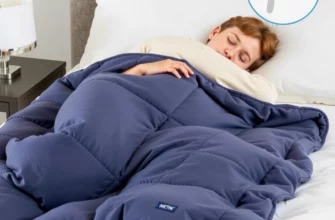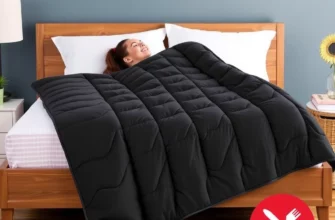
- Understanding Why You Experience Pain from a Weighted Blanket
- The Science of Pressure vs. Pain Thresholds
- Why Does My Weighted Blanket Make Me Sore? Analyzing the 10% Rule
- The Impact of Improper Weight Distribution
- When the Weight of Blankets Hurts Your Toes and Feet
- Preventing Foot Pain and Toe Cramps Under Heavy Bedding
- Shoulder Pain and Muscle Tension: Why Some Sleepers Feel Achey
- Side Sleeping vs. Back Sleeping Ergonomics
- How to Adjust Your Setup to Stop Waking Up Hurting
- The Gradual Entry Method for New Users
- Frequently Asked Questions
Understanding Why You Experience Pain from a Weighted Blanket
Weighted blankets have surged in popularity as a non-pharmacological intervention for anxiety and insomnia, primarily through a mechanism known as Deep Pressure Stimulation (DPS). While the gentle, firm pressure is intended to mimic a therapeutic hug and trigger the release of serotonin, the reality for many sleepers is a morning filled with unexpected physical discomfort. When the mechanical load of the blanket exceeds the structural tolerance of your joints or soft tissues, the restorative benefits are quickly overshadowed by musculoskeletal strain.
The transition from “soothing pressure” to “harmful compression” is often a matter of physics rather than a flaw in the product itself. For individuals with specific anatomical sensitivities, a blanket that is even slightly too heavy can turn a night of rest into an eight-hour session of low-grade mechanical stress. Understanding how your body processes this external load is the first step in determining whether your soreness is a temporary adjustment or a signal that your bedding is fundamentally incompatible with your physiology.
The Science of Pressure vs. Pain Thresholds
The human nervous system is highly adept at processing tactile input, but there is a fine line between proprioceptive feedback and nociceptive (pain) signaling. During the deeper stages of sleep, particularly REM, your muscles enter a state of atonia—a natural paralysis designed to prevent you from acting out your dreams. In this state, your body is less capable of micro-adjustments to alleviate pressure points, meaning a heavy blanket can compress nerves and blood vessels for hours without you realizing it.
If the weight is excessive, it can trigger a defensive nervous system response rather than a calming one. Instead of lowering cortisol, the physical “trap” of a heavy blanket can cause the body to remain in a state of high muscular tension as it subconsciously tries to maintain its structural integrity. To help the body recover and learn how to reduce inflammation caused by this stress, the pressure must be distributed across a large enough surface area to stay below the threshold of sensory hypersensitivity.
Why Does My Weighted Blanket Make Me Sore? Analyzing the 10% Rule
The most common advice given to new buyers is the “10% rule,” which suggests choosing a blanket that is roughly 10% of your total body weight. While this serves as a general baseline, it is an oversimplification that ignores body composition, sleep position, and individual bone density. A person who is 200 pounds with a petite frame will experience the pressure of a 20-pound blanket much differently than a 200-pound person with a broad, muscular build who can distribute that weight more effectively.
Waking up sore is the body’s primary indicator that the load is too high for your current level of conditioning or your specific frame. If you find that you are weighted blanket wake up sore, it is likely that the “10% rule” has failed you. This is especially true if you have a lower body mass index (BMI), where there is less natural cushioning between the heavy filler of the blanket and your skeletal structure.
| Common Mistake | Why It Causes Pain | The Solution |
|---|---|---|
| Ignoring Body Surface Area | Concentrates weight on a small frame, increasing PSI (pounds per square inch). | Select a lighter weight if you have a narrow or petite build. |
| Using a Twin Blanket on a King Bed | The blanket hangs off the body unevenly, pulling on the edges and creating tension. | Match blanket size to your body size, not necessarily the mattress size. |
| Starting with Max Weight | The musculoskeletal system hasn’t adapted to the new mechanical load. | Start with 5-7% of body weight and gradually increase over several weeks. |
| Ignoring Pre-existing Joint Issues | Heavy blankets can exacerbate inflammatory conditions like arthritis. | Consult a specialist and focus weight only on non-affected limbs. |
The Impact of Improper Weight Distribution
Not all weighted blankets are constructed equally, and the internal fill material plays a massive role in how the weight interacts with your body. Cheaply made blankets often use large plastic poly-pellets that can bunch up in the corners of the quilted pockets, leading to “hot spots” of intense pressure. When the weight shifts unevenly, it creates a localized strain on the muscles, as one part of your leg might be under five pounds of pressure while the other is under ten.
High-quality blankets typically use glass micro-beads, which are much smaller and denser, allowing for more even weight distribution across the entire fabric surface. To avoid waking up with localized aches, ensure your blanket has small quilted squares (under 4×4 inches) to prevent the fill from migrating. Proper distribution ensures that the deep pressure remains therapeutic rather than focusing the entire load on a single vulnerable joint or muscle group.
When the Weight of Blankets Hurts Your Toes and Feet
One of the most specific complaints regarding weighted bedding is localized pain in the extremities, particularly the toes and ankles. When you sleep on your back (supine position), the weight of the blanket pushes the tops of your feet downward. This forces the feet into a state of prolonged plantar flexion, where the toes point away from the shins for the entire duration of the night. This isn’t just uncomfortable; it’s a recipe for chronic tendon tightness.
The downward force can also cause significant toe joint pressure, especially for those who already deal with bunions or hammer toes. Because the feet have very little soft tissue to cushion the bones, the weight of blanket hurts feet more quickly than it does the meatier parts of the thighs or torso. This constant compression can restrict local blood flow, leading to cold feet or a “pins and needles” sensation known as paresthesia.
Preventing Foot Pain and Toe Cramps Under Heavy Bedding
You do not have to sacrifice the benefits of the blanket to save your feet from cramping. A common ergonomic trick is to “tent” the blanket at the foot of the bed. By placing a firm pillow or a dedicated foot bolster under the blanket at the level of your ankles, you create a protective canopy that bears the brunt of the weight. This allows your feet to move freely without being pinned into a downward position by the heavy filler.
Another effective strategy is to use a footboard or to simply pull the blanket up only to your mid-shin. Since the primary benefits of deep pressure stimulation are most effective on the trunk and large muscle groups of the legs, leaving your feet uncovered will not diminish the anxiety-reducing effects of the blanket. This simple adjustment removes the load from the delicate bones of the feet and prevents the Achilles tendon from being held in a shortened, stressed state all night.
Shoulder Pain and Muscle Tension: Why Some Sleepers Feel Achey
While the lower body often bears the weight, the upper body—specifically the shoulders and neck—can suffer from the “trapped” effect of a weighted blanket. For side sleepers, the weight of the blanket acts as a constant downward force on the top shoulder, pushing it toward the mattress. This can lead to internal rotation of the shoulder joint, which irritates the rotator cuff and the subacromial bursa over time.
Furthermore, many users report that they feel achey because their muscles are actually working harder during the night. Every time you roll over or adjust your position, your core and shoulder muscles must exert significantly more force to move against the 15-25 pounds of resistance. If you are a restless sleeper, using a weighted blanket is essentially like performing a low-intensity resistance workout in your sleep, leading to delayed onset muscle soreness (DOMS) by morning.
| Sleep Position | Primary Pain Point | Ergonomic Impact |
|---|---|---|
| Back Sleeping | Lower Back & Heels | Weight can flatten the natural lumbar curve if the mattress is too soft. |
| Side Sleeping | Shoulders & Hips | Increases side-loading on joints; can lead to hip bursitis or shoulder impingement. |
| Stomach Sleeping | Neck & Upper Back | Generally discouraged; weight can force the neck into extreme rotation. |
Side Sleeping vs. Back Sleeping Ergonomics
Side sleepers face a unique challenge because their body weight is already concentrated on a smaller surface area (the hip and shoulder). Adding a weighted blanket effectively doubles the pressure on these protruding joints. To maintain proper spinal alignment, side sleepers must use a blanket that is on the lighter end of the spectrum or utilize “body pillows” to help prop up the weight of the blanket and prevent it from collapsing the ribcage and shoulders inward.
If you find that sleep with weighted blanket increased shoulder pain, check your pillow height. A heavy blanket can pull your shoulders down and away from your head, effectively changing the distance between your ear and your shoulder. If your pillow is too flat, this downward pull puts the cervical spine in a compromised position. Upgrading to a more supportive, high-loft pillow can often counteract the shoulder-crushing effect of a heavy weighted blanket.
How to Adjust Your Setup to Stop Waking Up Hurting
If you are currently experiencing soreness, you don’t necessarily need to return your blanket. Most issues stem from an “all-or-nothing” approach to implementation. Your body needs time to adapt to the external load, much like how you wouldn’t start a weightlifting program by maxing out on day one. By making small, tactical adjustments to how and when you use the blanket, you can reap the neurological rewards without the physical price tag.
The goal is to find the “sweet spot” where the blanket provides enough sensory input to calm the nervous system but not enough mechanical load to compress the joints. This often involves repositioning the blanket so it covers only specific areas, such as the legs and hips, while leaving the chest and shoulders free. This allows for easier breathing and more natural movement of the upper body during the night.
- The 50/50 Coverage Rule: Pull the blanket only up to your waist for the first few nights to let your lower body acclimate before covering your torso.
- Layering for Cushion: Place a regular, plush comforter underneath the weighted blanket to provide a buffer between the heavy beads and your joints.
- Check Your Mattress: If your mattress is too soft, a weighted blanket will cause you to sink too deep, throwing your spine out of alignment. Use a firm mattress or a topper to provide the necessary counter-pressure.
- Hydration and Stretching: Heavy blankets can increase body temperature; staying hydrated prevents the muscle cramps that often accompany the added weight.
The Gradual Entry Method for New Users
If you feel achey with weighted blanket use, I recommend the “Gradual Entry Method.” Instead of diving into a full eight-hour sleep session, use the blanket for just 20 to 30 minutes while relaxing on the couch in the evening. This allows your proprioceptive system to register the weight while you are awake and able to move freely. This “micro-dosing” of pressure builds tolerance in the connective tissues and desensitizes the nervous system to the feeling of being “pinned.”
As you become more comfortable, move the blanket to the bed but only use it for the first hour of sleep. If you wake up in the night feeling restricted, have a lighter blanket nearby to swap it out. By slowly adjusting to heavy bedding over a period of 14 days, you give your tendons and ligaments the time they need to strengthen and adapt to the nocturnal resistance, eventually leading to a pain-free experience.
In my professional experience as a sleep ergonomics specialist, I always advise clients to distinguish between “new-user ache” and clinical red flags. While mild muscle fatigue is a common side effect of adjusting to a new resistance level, you should never experience sharp, shooting pain, or persistent numbness. If you feel a “burning” sensation or if your limbs feel like they are “falling asleep” frequently, this is a sign of nerve compression or compromised circulatory health. Individuals with peripheral neuropathy, severe asthma, or Type 2 diabetes should be especially cautious, as the extra weight can impede circulation or respiratory expansion. I always tell my patients: if the pain persists for more than three consecutive nights, stop using the blanket immediately and consult a professional to ensure you don’t have an underlying joint instability or vascular issue.
Frequently Asked Questions
Your body is likely working harder to move or breathe against the added resistance, leading to muscle fatigue similar to a light workout. This is often caused by a blanket that exceeds 10% of your body weight or poor sleep posture.
Can a weighted blanket cause joint pain?
Yes, particularly if you have pre-existing conditions like arthritis. The constant downward pressure can compress sensitive joint capsules and limit the micro-movements your body naturally makes to stay limber during sleep.
How do I stop my weighted blanket from hurting my toes?
To reduce pressure, you can “tent” the blanket using a pillow at the foot of the bed, use a footboard to hold the weight, or simply leave your feet uncovered so they aren’t pinned in a pointed position.
Is it normal to feel bruised after using a weighted blanket?
Surface-level soreness can occur if the fill material, like large plastic pellets, creates hard pressure points. It may also indicate sensory hypersensitivity or that the blanket lacks sufficient padding between the weight and your skin.
Should I stop using my weighted blanket if I wake up with a stiff neck?
First, check your pillow height; the blanket may be pulling your shoulders down and misaligning your neck. If adjusting your pillow doesn’t help, the blanket may be too heavy for your upper body, and you should consider a lighter model.