- Beyond Conservation: Why Rewilding is Important for a Dying Planet
- What is Rewilding and Why is it Important for Biodiversity?
- Letting Nature Lead: How Does Rewilding Work in Practice?
- The Mechanics of Restoration: How is Rewilding Done?
- A Comparison of Strategies: Why Should We Rewild Land vs․ Traditional Farming?
- The Patience of Nature: How Long Does Rewilding Take to Show Results?
- From Years to Centuries: The Timeline of Wilding
- The Megafauna Dilemma: What are Some of the Challenges of Pleistocene Rewilding?
- Navigating Social and Biological Hurdles
- Myth vs Fact: Truths About Restoring the Wild
- The Core Aims of Rewilding: Building a Resilient Bio-Infrastructure
- Why Should We Rewild Our Local Spaces?
- Essential Facts About Rewilding: A Quick Reference
- Frequently Asked Questions
Beyond Conservation: Why Rewilding is Important for a Dying Planet
Traditional conservation often focuses on protecting what little remains of our natural world, yet this defensive stance is no longer enough to halt the rapid decline of global ecosystems․ Rewilding represents a fundamental shift from preservation to active restoration, aiming to repair the broken links in the web of life by allowing nature to take the driver’s seat once again․
This approach moves away from the rigid, human-centric management of landscapes and instead prioritizes the return of natural rhythms and autonomous biological cycles․ By focusing on the health of the system as a whole, rewilding offers a foundational solution to the twin crises of climate instability and mass extinction․
What is Rewilding and Why is it Important for Biodiversity?
Rewilding is defined by its commitment to passive management, where humans provide the initial spark—such as reintroducing a lost species or removing a physical barrier—and then step back to let nature manage itself․ Unlike traditional gardening or forestry, there is no fixed “end state” or specific aesthetic goal; the success of a project is measured by the return of complexity and self-sustaining life cycles․
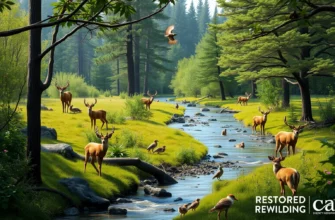
A central pillar of this process is the recovery of wildlife, specifically the return of keystone species that exert a disproportionate influence on their environment․ When we focus on restoring natural balance by reintroducing apex predators or large herbivores, we trigger a chain reaction that benefits hundreds of other species, from soil microbes to migratory birds․
For instance, the presence of large grazers prevents any single plant species from dominating the landscape, which in turn creates a mosaic of habitats that supports a far higher degree of biological variety․ This diversity is not just a luxury; it is the primary defense mechanism of our planet against environmental shocks and disease outbreaks․
Letting Nature Lead: How Does Rewilding Work in Practice?
The practical application of rewilding is less about “making” nature happen and more about removing the obstacles that prevent it from flourishing․ It requires a transition from intensive human control, such as industrial monocultures and dammed rivers, toward a state of ecological autonomy where natural processes dictate the landscape’s evolution․
Implementation often begins with the cessation of heavy-duty human activities, such as drainage, plowing, or chemical applications, allowing the land to breathe․ Once the pressure is removed, the focus shifts to identifying what is missing from the puzzle—whether that is a specific animal, a natural flood cycle, or the freedom for seeds to disperse across wide distances․
The Mechanics of Restoration: How is Rewilding Done?
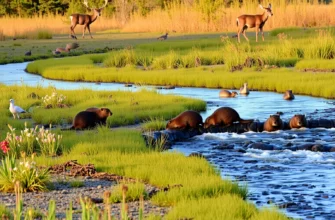
One of the most effective tools in the rewilding toolkit is trophic rewilding, which involves the reintroduction of species that have been lost due to hunting or habitat destruction․ By reinserting these biological “engineers,” we restore ecosystem functionality; for example, beavers act as natural hydrologists by building dams that filter water and create wetlands, which mitigate both droughts and floods․
Another critical mechanical aspect is improving landscape connectivity through the creation of wildlife corridors that bridge fragmented patches of forest or grassland․ These “green bridges” allow animals to migrate, find mates, and adapt to changing climates without being trapped in isolated ecological islands surrounded by highways or urban sprawl․
Abiotic interventions are also vital, particularly in river systems where removing obsolete dams can instantly restore the natural flow of nutrients and allow fish populations to recover․ By removing concrete constraints and letting rivers meander, we create diverse aquatic environments that are far more resilient than a straight, managed channel․
A Comparison of Strategies: Why Should We Rewild Land vs․ Traditional Farming?
Understanding the shift from traditional land use to rewilding requires a look at the trade-offs between intensive production and ecological recovery․ While farming focuses on high-yield outputs for human consumption, rewilding focuses on the long-term health of the land itself․
| Feature | Traditional Farming/Conservation | Rewilding Approach |
|---|---|---|
| Primary Goal | Maximum food yield or specific species protection․ | Restoration of natural processes and self-regulation․ |
| Human Intervention | High: constant mowing, weeding, and chemical use․ | Low: initial intervention followed by passive observation․ |
| Biodiversity Yield | Low to Moderate: limited by monocultures․ | Very High: supports complex, multi-layered food webs․ |
| Economic Cost | High ongoing costs for fuel, labor, and fertilizers․ | Low long-term costs after initial setup and monitoring․ |
| Resilience | Fragile: requires constant inputs to survive․ | Robust: naturally adapts to climate shifts and pests․ |
The Patience of Nature: How Long Does Rewilding Take to Show Results?
One of the hardest parts of rewilding for humans to grasp is the timeline, as we are accustomed to seeing immediate results from our labor․ Ecological recovery operates on a different clock, moving through stages of succession that can span decades or even centuries before reaching a state of stable equilibrium․
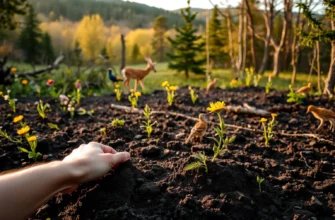
However, the initial signs of recovery are often surprisingly rapid, providing early encouragement for those willing to let go of the reins․ Within just a few seasons of stopping intensive management, the land begins to transform as dormant seeds in the soil bank find the opportunity to sprout for the first time in generations․
From Years to Centuries: The Timeline of Wilding
In the first five years, you will typically see an explosion of “pioneer” species—fast-growing grasses, wildflowers, and a massive surge in insect populations․ This “insect soup” provides the essential fuel for birds and small mammals, creating a sudden boom in local food webs that was previously impossible on sterilized, managed land․
By the 50-year mark, the landscape enters a phase of established scrub and young woodland, where trees like hawthorn, blackthorn, and oak begin to take hold․ This stage is critical for long-term sustainability, as the dense scrub protects young saplings from being overgrazed, eventually leading to the formation of a diverse, self-thinning forest structure․
True ecological maturity—the 100+ year mark—results in a climax community where the forest is a complex vertical structure of old-growth trees, deadwood, and undergrowth․ In these ancient-feeling spaces, nature becomes entirely self-sustaining, requiring zero human help to maintain its health or provide its essential services․
The Megafauna Dilemma: What are Some of the Challenges of Pleistocene Rewilding?
Pleistocene rewilding is perhaps the most ambitious and controversial branch of the movement, suggesting that we should reintroduce large mammals to fill the niches left by extinct ice-age giants․ Proponents argue that many plants and ecosystems evolved alongside megafauna like woolly mammoths and giant bison, and that their absence has left the world ecologically “hollow․”
While the theory is scientifically grounded, the practical reality of living alongside massive animals presents significant social and political hurdles․ Bringing back “proxies” for extinct species, such as using elephants to mimic the role of ancient mastodons, raises complex ethical questions about how far we should go to play architect with the past․
Navigating Social and Biological Hurdles
The most pressing challenge is the potential for human-wildlife conflict, particularly in densely populated regions where the return of large predators or massive herbivores can threaten livelihoods․ Farmers often fear for their livestock, and effective compensation schemes are necessary to ensure that local communities do not bear the sole cost of national conservation goals․
There are also biological risks associated with introducing species into environments that have changed significantly over the last 10,000 years․ If a proxy species behaves differently than its predecessor, it could inadvertently damage the very ecosystem it was meant to save, making rigorous monitoring and community engagement essential before any release․
Finally, the competition for land use remains a major barrier, as large animals require vast territories to survive and roam․ Securing enough space for megafauna often means negotiating complex land-sharing agreements between private owners, government agencies, and indigenous groups, which can take years of delicate diplomacy․
Myth vs Fact: Truths About Restoring the Wild
Myth: Rewilding means just abandoning the land and letting it go to waste․
Fact: Rewilding is a managed transition toward autonomy; it involves strategic planning to ensure that the land provides maximum ecological benefits like carbon storage and water purification․
Myth: Rewilding is a threat to global food security․
Fact: Most rewilding projects take place on “marginal land” where farming is already economically unviable; restoring these areas actually protects food security by supporting the pollinators that our crops rely on․
Myth: We must return the land to exactly how it looked in 1492 or 10,000 BC․
Fact: Rewilding is about the future, not the past․ It aims to give nature the tools to create new, functional ecosystems that can survive in a warming world․
The Core Aims of Rewilding: Building a Resilient Bio-Infrastructure
The ultimate goal of rewilding is to build a “bio-infrastructure” that protects both nature and humanity from the escalating effects of the climate crisis․ By restoring the natural landscape, we create massive, organic machines that work for free to regulate our atmosphere and protect our communities․
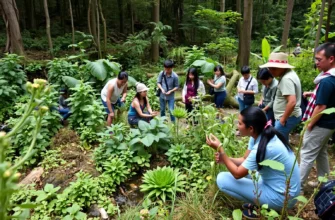
These benefits are not restricted to remote wilderness areas; the principles of rewilding are increasingly being applied to urban and suburban environments․ Even on a small scale, these efforts can have a profound impact on our local resilience and our collective mental health․
Why Should We Rewild Our Local Spaces?
Rewilding local spaces provides immediate climate resilience by creating natural carbon sinks that pull CO2 from the air and store it in healthy soil and biomass․ Furthermore, wetlands and wild grasslands act as sponges during heavy rain, preventing urban runoff from overwhelming drainage systems and flooding homes․
Beyond the environmental perks, there are significant community benefits, including the economic boost provided by nature-based tourism and the creation of “green jobs” in restoration and monitoring․ People are drawn to wilder places, and transforming a sterile park into a buzzing meadow can revitalize a local economy through increased foot traffic and interest․
Perhaps most importantly, rewilding addresses the “nature deficit disorder” prevalent in modern society by reconnecting people with the wild․ Studies consistently show that spending time in complex, biodiverse environments reduces cortisol levels and improves cognitive function, making the return of the wild a matter of public health․
Essential Facts About Rewilding: A Quick Reference
To understand the scale and success of rewilding, it helps to look at the hard data and the success stories that have already proven the concept in the field․
- Carbon Capture: Wilded grasslands and peatlands can sequester up to twice as much carbon as managed forests because they store the majority of the carbon underground in stable soil structures․
- The 30% Goal: Leading scientists suggest that protecting and rewilding at least 30% of the Earth’s land and sea is the minimum required to prevent a total collapse of global biodiversity․
- The Knepp Success: In the UK, the Knepp Estate transformed from a struggling farm into a wildlife haven, seeing the return of rare species like Purple Emperor butterflies and Nightingales within just two decades․
- Yellowstone Effect: The reintroduction of wolves to Yellowstone National Park famously changed the course of rivers by altering the behavior of grazing elk, allowing vegetation to stabilize the banks․
- Economic Return: For every dollar invested in rewilding and landscape restoration, there is an estimated economic return of up to $30 in ecosystem services and climate mitigation․
In my professional experience working with landscape-scale recovery, I have found that the biggest hurdle isn’t the biology—it’s the human desire for control․ I always advise land managers that rewilding is not about trying to recreate a specific snapshot of the past; that is impossible in a world with a changing climate and 8 billion people․ Instead, we must focus on giving nature the “functional tools”—the right species, the right space, and the right connectivity—to build a future that works․ I’ve seen firsthand how a landscape that looked “dead” can roar back to life in under a decade if you simply stop fighting against natural succession and start facilitating it․ We are not just saving animals; we are rebuilding the life-support systems of the planet․
Frequently Asked Questions
No, reforestation often involves planting specific tree species in rows, while rewilding allows for natural regeneration, resulting in a diverse mix of trees, shrubs, and grasslands that support more wildlife․
Can rewilding happen in urban areas?
Absolutely; micro-rewilding in gardens, rooftops, and city parks creates vital stepping stones for insects and birds, helping to link fragmented rural habitats through urban centers․
Does rewilding take away land from farmers?
Most projects focus on marginal land where farming is difficult; however, many farmers are now switching to “regenerative grazing” models that combine food production with rewilding principles․
Why is rewilding important for climate change?
Healthy, wild ecosystems are superior carbon sinks; peatlands, salt marshes, and old-growth forests store massive amounts of carbon that would otherwise contribute to global warming․
What happens if a reintroduced species causes damage?
Modern rewilding includes rigorous monitoring and compensation funds for farmers to cover any livestock losses, ensuring that the return of predators is managed responsibly and with community support․
How can I start rewilding my own land?
The simplest way is to stop mowing your lawn and let native plants return, which provides immediate habitat for pollinators and helps restore the local soil biology․