- Meeting Rewilding Facilitator Gina Chick: A Radical Shift in Modern Living
- The Philosophy Behind Gina Chick’s Rewilding Courses
- Collaborative Conservation: The Partnership with Jude and Award Recognition
- Why the Jude Award Nomination Matters for the Rewilding Community
- From Page to Pasture: Isabella Tree and the Sussex Weald Legacy
- Lessons from the Sussex Weald: Rewilding in the Dead of Winter
- How to Get Involved: Rewilding Volunteering in the UK and Beyond
- Finding Your Place in Volunteer Rewilding Projects
- Digital Roots: Joining the ‘Rewild Yourself’ Community Online
- Navigating the Rewild Yourself Facebook Community
- Expert Perspective: The Shift from Management to Partnership
- Frequently Asked Questions
Meeting Rewilding Facilitator Gina Chick: A Radical Shift in Modern Living
Gina Chick is not your typical survivalist, despite her high-profile victory on Alone Australia. She represents a growing movement of rewilding facilitators who believe that the true crisis of our era is not just ecological, but a fundamental disconnection from our own wild nature. By merging ancient survival skills with deep psychological insights, she helps people bridge the gap between a sterile, indoor existence and a vibrant, reciprocal relationship with the Earth.
Her approach goes beyond mere bushcraft; it is about stripping away the layers of modern conditioning to find what lies beneath. When we talk about a rewilding facilitator, we are looking at someone who guides others through the discomfort of the unknown to reach a state of ecological belonging. This process requires more than just technical knowledge; it demands a radical shift in how we perceive our place within the biological web.
The Philosophy Behind Gina Chick’s Rewilding Courses
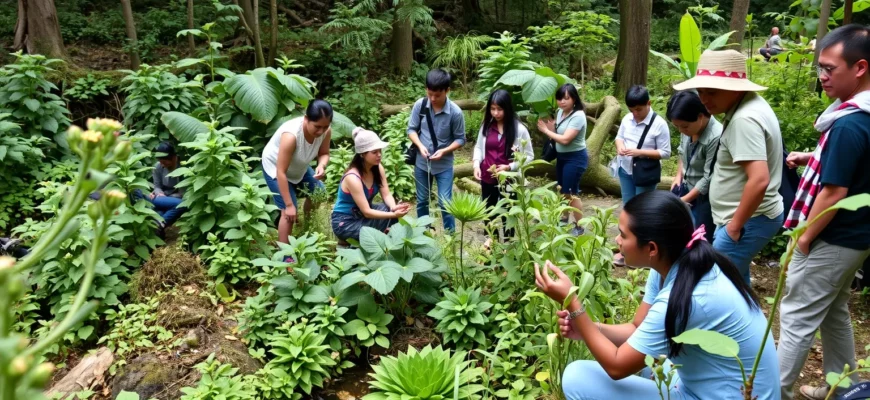
Participants entering one of Gina’s immersive programs should expect a curriculum that prioritizes sensory awareness over technical dominance. While fire-making and shelter-building are taught, they serve as vehicles for developing a relationship with the elements rather than just tools for survival. For many, these courses act as a form of “nature immersion” therapy, where the goal is to quiet the analytical mind and wake up the animal body.
The balance she strikes is delicate. You might spend a morning learning the mechanics of a bow drill, but the afternoon is often dedicated to “sit spots”—a practice of silent observation that fosters a profound emotional connection to the land. This duality ensures that students leave not just with a set of ancestral skills, but with a renewed sense of healing through wilderness that they can carry back into their everyday lives; True rewilding happens when you stop viewing the woods as a resource and start viewing them as a relative.
Collaborative Conservation: The Partnership with Jude and Award Recognition
Rewilding is rarely a solitary endeavor; it thrives on the synergy of diverse perspectives and shared goals. The professional relationship between Gina Chick and her partner Jude exemplifies how collaborative leadership can amplify the impact of ecological stewardship. Their work demonstrates that when we combine different skill sets—one focused on the visceral experience of the wild and the other on the strategic implementation of conservation—we create a more resilient framework for change.
Recently, their joint efforts have gained significant traction, moving from niche environmental circles into the broader public consciousness. This shift is reflected in the recognition they have received for their contributions to the rewilding movement. By focusing on the “why” behind their partnership, they show that community-led conservation is far more effective than top-down environmental management because it fosters a sense of collective ownership over the landscape’s future.
| Key Takeaway | Practical Application |
|---|---|
| Relational Ecology | Shift focus from managing species to fostering the relationships between them. |
| Collaborative Leadership | Partner with individuals who possess complementary skills (e.g., technical vs. emotional). |
| Community Impact | Use awards and recognition to build a platform for broader ecological education. |
| Resilience Building | Prioritize long-term habitat recovery over short-term aesthetic improvements. |
Why the Jude Award Nomination Matters for the Rewilding Community
The recent rewilding Jude award nomination is a landmark moment for the movement, signaling a shift in how society values “soft” conservation skills. For a long time, environmental awards focused strictly on data-driven metrics like carbon sequestration or acreage protected. However, this nomination highlights the importance of facilitating the human-nature bond as a core component of ecological restoration.
When leaders like Gina and Jude are recognized, it validates the idea that we cannot fix the planet without also fixing our relationship to it. This collaborative conservation model serves as a blueprint for others, proving that the most successful projects are those that integrate human culture with wild ecosystems. It encourages a new generation of practitioners to look beyond the fence line and consider how their work influences the social and emotional landscape of their communities.
From Page to Pasture: Isabella Tree and the Sussex Weald Legacy
Isabella Tree’s seminal book, Wilding, transformed the way we think about land management, moving the conversation from “conservation” (keeping things as they are) to “rewilding” (letting nature take the lead). The Sussex Weald, specifically the Knepp Estate, has become the physical manifestation of this philosophy. It proves that even the most depleted agricultural land can return to a state of high biodiversity if we have the courage to step back and let natural processes, such as “trophic cascades,” re-emerge.
The connection between the theoretical framework found in literature and the practical application on the ground is vital. Reading about the return of the purple emperor butterfly or the turtle dove provides the inspiration, but it is the seasonal observation and physical labor that turn that inspiration into reality. In places like Sussex, the work doesn’t stop when the weather turns; in fact, winter is one of the most critical times for habitat assessment and planning.
Lessons from the Sussex Weald: Rewilding in the Dead of Winter
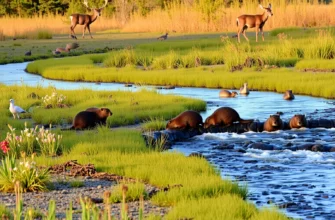
While most people associate rewilding with the lush growth of spring, the date of January 20th holds specific significance for those working in the Sussex Weald. This mid-winter period is a time for “reading the bones” of the land. Without the cover of foliage, volunteers and land managers can clearly see the drainage patterns, the structure of the scrub, and the movement of large herbivores like Tamworth pigs and Exmoor ponies. Observing the land in its most dormant state reveals the hidden architecture of the ecosystem.
Isabella Tree’s work serves as a practical blueprint for volunteers during these colder months. It teaches us that rewilding isn’t about planting trees in neat rows; it’s about encouraging “messy” habitats like thorny scrub, which provides essential protection for nesting birds. By following the Knepp Estate influence, volunteers learn to value the “unproductive” parts of the land, understanding that what looks like a wasteland to a farmer is a sanctuary for a thousand different species. Winter is the season of strategic non-intervention, where we prepare for the explosive growth to come.
How to Get Involved: Rewilding Volunteering in the UK and Beyond
For those inspired by Gina Chick or Isabella Tree, the transition from observer to participant often begins with volunteering. The opportunities vary wildly depending on your geography and the specific needs of the local ecosystem. In the UK, much of the work focuses on “habitat recovery” in rural landscapes, whereas in the US, there is a burgeoning movement toward “urban rewilding” and community-led greening projects.
Getting hands-on with the earth provides a level of “nature connection” that cannot be replicated through books or videos. Whether you are clearing invasive rhododendron in the Scottish Highlands or planting native pollinators in a vacant lot in Washington D.C., the act of physical labor creates a lasting neurological imprint of belonging. It moves the concept of “environmental conservation” from an abstract idea to a tangible, musculoskeletal experience.
| Region | Focus Area | Typical Activities | Target Outcome |
|---|---|---|---|
| United Kingdom (e.g., Sussex) | Large-scale rural estates | Scrub management, fencing, species monitoring | Increased biodiversity in former agricultural land |
| United States (e.g., Rewild DC) | Urban corridors | Native planting, soil remediation, youth education | Community resilience and urban heat reduction |
| Australia (Gina Chick’s focus) | Wilderness immersion | Ancestral skills, tracking, ecosystem awareness | Personal transformation and ecological advocacy |
Finding Your Place in Volunteer Rewilding Projects
When searching for a project, it is essential to distinguish between local initiatives and international conservation programs. Local volunteering often offers the most sustainable impact because it allows you to witness the changes in your own “bio-region” over time. For example, programs like Rewild DC’s Youth Employment Program (YEP) focus on empowering the next generation of ecological stewards within an urban context. These programs prove that you don’t need a thousand acres to make a difference; you just need a dedicated community and a patch of soil.
Urban rewilding projects are particularly important because they address the “extinction of experience”—the phenomenon where people living in cities lose their connection to natural cycles. By participating in a volunteer rewilding project, you aren’t just helping the plants; you are restoring the human element of the ecosystem. Always look for projects that prioritize native species and long-term soil health over quick-fix aesthetic landscaping.
Digital Roots: Joining the ‘Rewild Yourself’ Community Online
In a seemingly paradoxical twist, the digital world has become one of the most effective tools for rewilding. Online communities allow individuals who may feel isolated in their environmental values to find a tribe. These platforms serve as a digital campfire where knowledge is shared, mentors are found, and physical meetups are organized. However, the goal of any digital rewilding group should always be to encourage offline action.
Building a community online is often the first step for those who are new to the philosophy. It provides a low-stakes environment to ask questions, share successes, and learn from the mistakes of others. By connecting with like-minded people, you build the “social capital” necessary to launch larger, physical rewilding projects in your local area. The internet should be the map, but the forest must be the destination.
- Verify the Group’s Mission: Ensure the community focuses on ecological principles rather than just “survivalist” aesthetics.
- Identify Local Sub-groups: Look for “Rewild Yourself” chapters or Facebook groups specific to your city or county.
- Engage with Mentors: Seek out members who have practical experience in land management or ancestral skills.
- Limit Screen Time: Use the digital space for logistics and learning, then immediately apply that knowledge outdoors.
- Share Data, Not Just Photos: Contribute to citizen science by sharing observations of local flora and fauna.
Navigating the Rewild Yourself Facebook Community
The “Rewild Yourself” Facebook community is a massive hub for information, but it can be overwhelming for beginners. To get the most out of these spaces, it’s important to focus on quality of interaction over quantity of content. Look for threads that discuss “sustainable living” and “nature connection” techniques that have been tested in the real world. Avoid the hype and focus on the practitioners who are actually getting their fingernails dirty.
Finding rewilding mentors within these groups can accelerate your learning curve significantly. Many experienced conservationists are eager to share their knowledge on everything from “habitat recovery” to “wild foraging.” When engaging online, always prioritize advice that emphasizes local ecology. A technique that works in the Pacific Northwest might be detrimental in the Sussex Weald. Digital networking is most powerful when it leads to a local, physical handshake.
Expert Perspective: The Shift from Management to Partnership
In my professional experience, the biggest hurdle for new rewilding facilitators isn’t a lack of ecological knowledge, but the ingrained human desire to “fix” things. I always advise my students to spend the first year on a project doing nothing but radical observation. We are trained to see a field and think about what we should plant, but the rewilding mindset asks: “What is the land trying to do on its own?”. Gina Chick’s methodology is so effective because it forces the ego to step aside. When you stop trying to be the “manager” of nature and start being a “partner” with it, the ecosystem responds with a level of vitality that no human-designed plan could ever achieve. True stewardship is the art of knowing when to get out of the way.
Frequently Asked Questions
They act as a bridge between modern humans and the natural world, guiding people through direct experiences—like ancestral skills and sensory immersion—to restore a sense of ecological belonging and psychological well-being.
Are there specific rewilding courses available for beginners?
Yes, Gina Chick and various organizations offer introductory programs that require no prior experience. These courses focus on basic nature connection, “sit spots,” and fundamental survival skills to build confidence in the outdoors.
How can I start volunteering for rewilding projects in the UK?
Start by researching local trusts or estates like Knepp in the Sussex Weald. Organizations like The Wildlife Trusts or the National Trust often have “habitat recovery” days where you can help with practical tasks like scrub clearance.
Who is Jude and what is her role in the rewilding movement?
Jude is a key professional partner to Gina Chick. Together, they lead collaborative conservation efforts that combine practical rewilding techniques with community leadership, recently earning recognition through high-profile award nominations.
Why is Isabella Tree’s book considered essential reading for rewilders?
Isabella Tree’s Wilding provides the scientific and narrative proof that large-scale rewilding works. It documents the transformation of the Knepp Estate, offering a “blueprint” for how to restore biodiversity by letting nature take the lead.
What is the Rewild DC YEP program and who is it for?
The Youth Employment Program (YEP) in Washington D.C. is an urban rewilding initiative designed for young people. It focuses on hands-on environmental work, community engagement, and teaching “ecological stewardship” in a city environment.