- Why Rewilding Singapore Represents the Future of Urban Living
- From Manicured Gardens to Spontaneous Ecosystems
- The Strategic Impact of Rewilding Cities on Global Resilience
- The Nature of Cities: Rewilding as a Climate Tool
- Rewilding Suburbia: Bringing the Wild into our Neighborhoods
- Creating Wildlife Corridors in the Heartlands
- How Rewilding Benefits Our Urban Bodies and Minds
- The Health Science of Biophilic Urban Spaces
- Practical Steps: How to Rewild the City from Your Balcony
- Selecting Native Species for Singaporean High-Rises
- Navigating the Challenges of a Wilder Urban Environment
- Human-Wildlife Coexistence in High-Density Areas
- Expert Perspective: The Shift from Control to Stewardship
- Frequently Asked Questions
Why Rewilding Singapore Represents the Future of Urban Living
For decades, Singapore was defined by its “Garden City” vision, a meticulous approach to urban greenery characterized by manicured lawns, pruned hedges, and imported ornamental species․ Today, that vision has evolved into something far more radical and ecologically profound: the “City in Nature․”
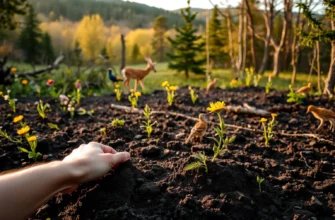
This shift represents a fundamental move away from human-centric control toward a philosophy of rewilding the urban environment․ Rather than forcing nature to fit into rigid architectural boxes, Singapore is now inviting spontaneous ecosystems to take root within the concrete jungle, recognizing that a truly resilient city must function as a living, breathing landscape rather than a static garden․
From Manicured Gardens to Spontaneous Ecosystems
The evolution of NParks strategies marks a departure from aesthetic landscaping toward functional ecology․ In the past, every blade of grass was accounted for, but the current mandate prioritizes the establishment of native biodiversity that can sustain itself with minimal human intervention․ By allowing “messier” vegetation to flourish, the city-state is creating habitats for pollinators and birds that were previously displaced by sterile, ornamental greenery․
Moving beyond aesthetic landscaping involves a deep understanding of how native flora and fauna interact․ Instead of planting a single species of tree for visual uniformity, urban planners are now installing multi-tiered planting regimes that mimic the structure of a rainforest․ These layered ecosystems provide niche habitats for diverse species, ensuring that the urban core serves as a functional extension of the island’s remaining primary forests․
The Strategic Impact of Rewilding Cities on Global Resilience
Rewilding cities is no longer a niche environmentalist dream; it is a critical strategy for global climate resilience․ As urban centers around the world grapple with rising temperatures and erratic weather patterns, the Singaporean model offers a blueprint for using nature-based solutions to protect infrastructure and human life․
Traditional urban management, which relies heavily on mown grass and hard surfaces, often exacerbates environmental stressors․ In contrast, rewilding urban spaces through the introduction of meadows and native thickets significantly improves a city’s ability to absorb excess rainwater and mitigate the urban heat island effect through natural cooling processes․
| Feature | Traditional Urban Management | Rewilding/City in Nature Approach |
|---|---|---|
| Vegetation Type | Exotic ornamentals and turf grass․ | Native multi-tiered forest structures․ |
| Maintenance | High-frequency mowing and chemical fertilizers․ | Low-intervention, allowing natural cycles․ |
| Thermal Regulation | Heat absorption by concrete and sparse shade․ | Intense cooling via evapotranspiration․ |
| Water Management | Heavy reliance on concrete drains and canals․ | Natural soil absorption and bioswales․ |
| Biodiversity | Low; supports very few specialist species․ | High; creates corridors for native wildlife․ |
The Nature of Cities: Rewilding as a Climate Tool
Carbon sequestration in urban soils is an often-overlooked benefit of the rewilding movement․ When we stop constantly tilling and mowing urban plots, the soil microbiome stabilizes, allowing for long-term carbon storage that rivals traditional rural forests․ This subterranean activity is a vital component of Singapore’s Green Plan 2030, aiming to turn every available square meter into a carbon sink․
Natural cooling through transpiration is perhaps the most immediate benefit for residents․ Large-leafed native trees like the Rain Tree (Samanea saman) act as massive biological air conditioners․ By increasing the canopy cover across the island to 40%, the city can lower ambient street temperatures by several degrees, reducing the energy demand for indoor air conditioning and improving outdoor liveability during heatwaves․
Rewilding Suburbia: Bringing the Wild into our Neighborhoods
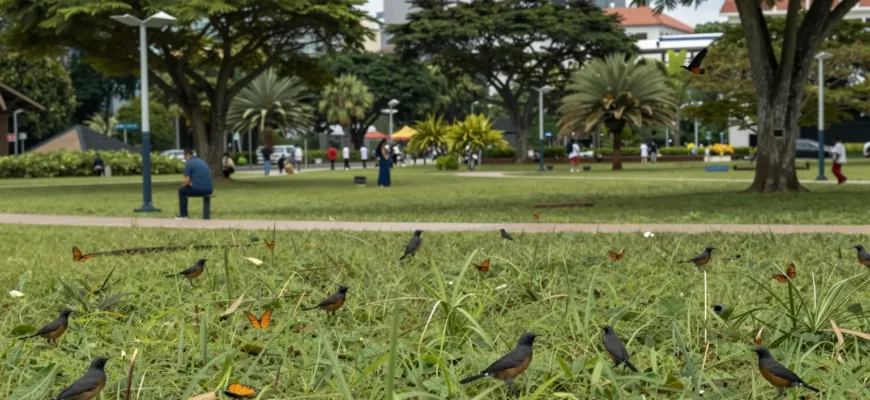
The rewilding of Singapore is most visible in the heartlands, where residential estates are being transformed into ecological hubs․ This transition from suburban sprawl to integrated nature is achieved through the aggressive implementation of “Nature Ways”—roadside corridors planted with specific trees and shrubs to facilitate the movement of birds and butterflies between parks․
Residents are no longer living adjacent to nature; they are living within it․ Roadside rewilding has turned once-barren traffic dividers into lush, multi-story green belts․ These corridors do more than look good; they act as biological arteries that pump life into the very center of the city’s high-density housing estates․
Creating Wildlife Corridors in the Heartlands
The role of roadside greenery as ecological bridges is paramount for the survival of Singapore’s native species․ For instance, the Eco-Link@BKE serves as a massive wildlife crossing that allows animals to move safely between the Bukit Timah Nature Reserve and the Central Catchment Nature Reserve, preventing genetic isolation and vehicle-related wildlife fatalities․
Connecting Bukit Timah to the rest of the island requires a granular approach to ecological connectivity․ By planting “stepping stone” gardens in HDB estates, planners ensure that even small mammals like the Sunda Pangolin or the Malayan Colugo can navigate the urban landscape․ Every balcony and community garden becomes a link in a chain that stretches from the coastal mangroves to the inland rainforests․
How Rewilding Benefits Our Urban Bodies and Minds
The concept of rewilding our urban bodies suggests that our physiological and psychological health is inextricably linked to the complexity of our environment․ Living in a sterile, concrete-dominated space leads to biological poverty, whereas immersion in biophilic urban spaces has been shown to radically alter human health outcomes․
Exposure to diverse soil bacteria and phytoncides—organic compounds released by trees—strengthens the human immune system․ In Singapore’s high-density environment, the presence of “therapeutic gardens” specifically designed to engage the senses has become a cornerstone of public health, reducing the incidence of stress-related illnesses and chronic inflammation․
- Cortisol Reduction: Spending just 20 minutes in a rewilded space can significantly lower stress hormone levels․
- Microbiome Diversity: Regular contact with native plant environments increases the variety of beneficial bacteria on the skin and in the gut․
- Attention Restoration: Viewing natural, fractal patterns in wild growth helps the brain recover from “directed attention fatigue․”
- Respiratory Health: Dense urban foliage filters out particulate matter (PM2․5), improving overall air quality in high-traffic zones․
The Health Science of Biophilic Urban Spaces
Nature therapy is no longer considered “alternative” medicine; it is a data-backed necessity for mental health in crowded cities․ Studies conducted in Singaporean residential zones indicate that residents living within 400 meters of a high-biodiversity green space report higher levels of life satisfaction and lower rates of cognitive decline in the elderly․
Air quality improvements from dense urban foliage are measurable and significant․ By strategically planting native species with high leaf-area indices along expressways, the city creates biological filters․ These green buffers can trap up to 15% more airborne pollutants than traditional grass verges, protecting the lungs of those living in adjacent high-rise apartments․
Practical Steps: How to Rewild the City from Your Balcony
Rewilding is not just a government mandate; it is a participatory movement that begins at home․ Even the smallest high-rise balcony can serve as a vital waypoint for the city’s pollinators․ By adopting a “wilder” approach to gardening, residents can contribute to the larger goal of urban rewilding while creating their own private sanctuary․
The key is to move away from the “perfectionist” mindset of traditional gardening․ Allowing a bit of “messiness”—such as leaving leaf litter or avoiding the use of pesticides—creates the conditions necessary for a miniature ecosystem to thrive․ You are not just growing plants; you are hosting a biological community․
- Identify Your Microclimate: Determine the amount of direct sunlight and wind your balcony receives before selecting plants․
- Prioritize Native Pollinator Plants: Choose species like the Singapore Rhododendron (Melastoma malabathricum) or the Common Ixora to attract native bees and butterflies․
- Eliminate Chemical Inputs: Stop using synthetic fertilizers and pesticides, which kill the very insects you are trying to support․ Switch to organic compost to build healthy soil life․
- Provide a Water Source: A small, shallow dish of water with pebbles (to prevent drowning) provides a life-saving drink for birds and insects․ Ensure the water is changed daily to prevent mosquito breeding․
- Practice Minimal Pruning: Let the plants grow into their natural forms․ Dead flower heads often provide seeds for birds and nesting sites for small insects․
Selecting Native Species for Singaporean High-Rises
When selecting native species, focus on plants that have co-evolved with local wildlife․ The Curcuma australasica (Native Turmeric) is an excellent choice for shaded balconies, while the Costus lucanusianus provides striking flowers that are magnets for sunbirds․ By choosing indigenous flora, you ensure your balcony garden is resilient to the local tropical climate and requires less water․
Avoiding invasive species is critical․ Many common nursery plants, like the Mexican Petunia, can escape into local nature reserves and outcompete native growth․ Always verify the origin of your plants to ensure you are supporting, rather than disrupting, the delicate balance of the Singaporean ecosystem․
Navigating the Challenges of a Wilder Urban Environment
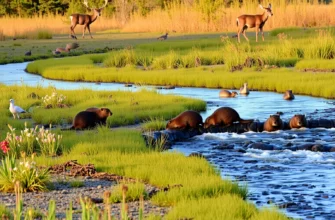
As we rewild our cities, the boundary between “human space” and “wild space” becomes blurred․ This inevitably leads to friction․ In Singapore, the return of smooth-coated otters to the Singapore River and macaques to residential fringes has sparked intense debate about how much “wild” we are truly willing to tolerate․
Successful urban wildlife management requires a shift in human behavior․ We must move from a mindset of “pest control” to one of “coexistence․” Education is the most powerful tool we have to ensure that residents feel safe and empowered to share their environment with the island’s original inhabitants․
- DO: Keep a respectful distance․ Always maintain at least 5 to 10 meters between yourself and wildlife like otters or wild boars․
- DON’T: Feed the animals․ Feeding wildlife causes “habituation,” leading animals to lose their fear of humans and increasing the risk of aggressive encounters․
- DO: Secure your trash․ Use wildlife-proof bins to prevent macaques and crows from scavenging, which keeps them in their natural habitats․
- DON’T: Panic during encounters․ Most urban wildlife is non-aggressive unless provoked․ Walk away slowly and do not make eye contact with primates․
- DO: Report sightings to NParks․ Use official apps to help the government track animal movements and manage populations effectively․
Human-Wildlife Coexistence in High-Density Areas
Wildlife etiquette for citizens is the first line of defense against conflict․ Understanding that a snake in a monsoon drain is likely a Reticulated Python performing vital pest control by eating rats can change a resident’s reaction from fear to appreciation․ Knowledge replaces the “kill on sight” instinct with a more nuanced understanding of ecological balance․
Designing infrastructure to prevent conflict is the second step․ This includes installing “monkey guards” on windows in areas near reserves and creating “green bridges” that keep animals off the roads․ By designing with wildlife in mind, we can reduce the number of negative interactions and foster a sense of nature-based harmony that benefits both species․
Expert Perspective: The Shift from Control to Stewardship
In my professional experience as an urban ecologist, I have observed that the hardest part of rewilding isn’t the biology—it’s the psychology․ For decades, we were taught that a “clean” city was a sterile one․ I always advise urban planners and residents alike that a certain level of aesthetic messiness is the hallmark of a healthy, functioning ecosystem․ When we see “weeds” in a roadside verge, we aren’t seeing neglect; we are seeing carbon being sequestered, pollinators being fed, and soil being cooled․ Singapore’s rejection of the perfectly manicured lawn is more than a landscaping choice; it is a vital act of climate leadership․ To truly rewild our cities, we must first rewild our expectations of what beauty looks like․
Frequently Asked Questions
The primary objective is to transform the city into a “City in Nature” by restoring indigenous biodiversity, mitigating the urban heat island effect, and fostering a deeper psychological connection between residents and the natural world․
How does rewilding cities help with climate change?
Rewilding increases the urban canopy for cooling, improves the soil’s ability to sequester carbon, and creates natural flood defenses through enhanced water absorption in unpaved, biologically active areas․
Is urban rewilding dangerous because of wild animals?
While rewilding increases wildlife sightings, it is not inherently dangerous․ Through public education on wildlife etiquette and the use of biophilic design, humans and animals can safely coexist with minimal conflict․
Can I rewild my own small urban space or balcony?
Absolutely․ By planting native species, avoiding chemical pesticides, and providing water for pollinators, even a small apartment balcony can serve as a functional habitat and a vital link in the city’s ecological network․
Does rewilding attract pests like mosquitoes?
Rewilding actually helps manage pests․ A biodiverse ecosystem introduces natural predators like dragonflies, spiders, and birds, which keep mosquito populations lower than they would be in a sterile, stagnant environment․