- Why Rewilding Earth is the Most Critical Strategy for Our Ecological Future
- The Science of Trophic Cascades and Keystone Species
- Passive vs. Active Restoration: Methods for Rewilding the World
- Choosing the Right Approach for Regional Recovery
- The Great Rewilding: Scaling Solutions to Protect the Global Environment
- Building Wildlife Corridors Across Borders
- How to Rewild Our Planet One Community at a Time
- Micro-Rewilding: Small Steps with Large Impacts
- Rewilding the Planet as a Solution for Climate Change
- Natural Carbon Sinks and Ecosystem Resilience
- Navigating the Social and Economic Challenges of Rewild Our World
- Indigenous Wisdom and Collaborative Land Management
- Expert Perspective: The Three Cs of Rewilding
- Frequently Asked Questions
Why Rewilding Earth is the Most Critical Strategy for Our Ecological Future
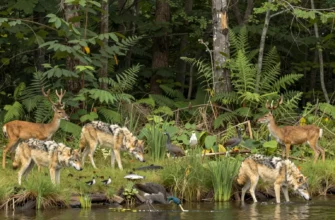
Rewilding represents a fundamental departure from the traditional conservation models that dominated the 20th century. Instead of attempting to freeze a landscape in a specific historical state‚ this approach focuses on restoring the autonomous natural processes that allow ecosystems to thrive without constant human interference.
The core intent is to move away from “gardening” nature and toward a model where the land regains its own agency. By reintroducing missing biological components and removing artificial barriers‚ we enable a transition from fragile‚ managed patches of greenery to robust‚ self-sustaining functional ecosystems that can survive the pressures of a changing climate.
The Science of Trophic Cascades and Keystone Species
At the heart of any successful effort to restore natural balance is the understanding of trophic cascades. This phenomenon occurs when the reintroduction of an apex predator triggers a ripple effect throughout the entire food web‚ often leading to surprising and far-reaching benefits for biodiversity.
When wolves were returned to Yellowstone National Park‚ they didn’t just reduce elk numbers; they changed elk behavior. Elk stopped overgrazing riverbanks to avoid predation‚ which allowed willows and aspens to return. This regrowth provided nesting sites for birds and building materials for beavers‚ demonstrating how top-down regulation creates a more complex and resilient environment.
Beyond predators‚ ecosystem engineers like beavers play a massive role in shaping physical habitats. By building dams‚ beavers create wetlands that filter water‚ provide habitat for countless amphibians‚ and increase the landscape’s ability to store water during droughts. These species are not just “part” of the environment; they are the architects of its structural integrity.
Passive vs. Active Restoration: Methods for Rewilding the World
Determining the right path for ecological recovery depends heavily on the current state of the land and the degree of human degradation. There is no one-size-fits-all solution‚ but rather a spectrum of intervention that ranges from total non-interference to intensive biological reintroduction.
In some regions‚ the most effective strategy is to simply step back and allow natural succession to take place. In others‚ the damage is so severe—such as the loss of all native seed banks or the extinction of local herbivores—that nature requires a targeted “jump-start” to regain its footing.
| Methodology | Primary Strategy | Human Intervention Level | Best Use Case |
|---|---|---|---|
| Passive Rewilding | Land abandonment and natural succession. | Minimal to zero. | Remote areas or abandoned agricultural land with intact soil health. |
| Active Rewilding | Reintroducing native species and physical modification. | High (initial phase). | Severely degraded habitats or areas missing keystone species. |
| Translocation | Moving animals from healthy populations to new sites. | Moderate. | Restoring genetic diversity or filling specific ecological niches. |
Choosing the Right Approach for Regional Recovery
Active rewilding is often necessary when the natural “tools” of recovery have been removed. This might involve removing dams to restore river flow or physically reintroducing native species that cannot migrate back on their own due to urban sprawl. These actions serve as a catalyst‚ removing the blockages that prevent a landscape from healing itself.
Conversely‚ passive rewilding relies on the incredible resilience of life. In parts of Europe‚ large-scale land abandonment has seen forests naturally reclaim former farmland. While this process is slower‚ it often results in ecosystems that are perfectly adapted to the local microclimate‚ as the plants and animals that return are those best suited for the specific conditions.
The choice between these methods often comes down to the presence of “source populations.” If a nearby forest can provide seeds and wildlife‚ passive methods work wonders. If a habitat is an isolated “island” surrounded by concrete‚ active intervention becomes the only viable path to restore ecological health.
The Great Rewilding: Scaling Solutions to Protect the Global Environment
To truly address the biodiversity crisis‚ we must look beyond small‚ isolated nature reserves. The concept of “The Great Rewilding” envisions a planet where fragmented habitats are stitched back together into vast‚ continental-scale networks that allow life to move‚ adapt‚ and migrate.
This vision requires a shift in how we view the rewilding of the environment. It is not just about protecting a single forest‚ but about ensuring landscape connectivity so that an animal can travel hundreds of miles without encountering a lethal highway or an impenetrable fence. This scale of thinking is essential for the survival of large mammals and migratory birds.
Building Wildlife Corridors Across Borders
Transboundary conservation is the cornerstone of large-scale rewilding; Initiatives like the Yellowstone to Yukon (Y2Y) project demonstrate the power of linking protected areas across international lines. By creating a continuous corridor through the Rocky Mountains‚ the project ensures that grizzly bears and wolves have the genetic flow necessary to avoid inbreeding and extinction.
These corridors are vital for maintaining migratory pathways that have existed for millennia. When we protect these routes‚ we aren’t just helping one species; we are preserving the ecological processes of an entire continent. Strategic land bridges over highways and the removal of redundant fencing are small but powerful technical solutions that facilitate this massive movement of life.
Furthermore‚ these large-scale efforts require deep cooperation between governments‚ NGOs‚ and private landowners. Success in these projects often hinges on incentivizing wildlife-friendly land use outside of formal parks‚ turning the “matrix” of human-used land into a permeable environment where nature can still function.
How to Rewild Our Planet One Community at a Time
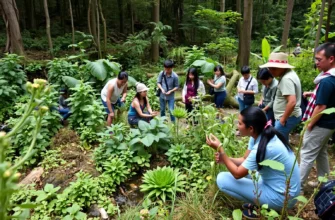
While massive wilderness projects capture the imagination‚ the effort to rewild our earth must also happen in our cities‚ suburbs‚ and backyards. Localized efforts provide immediate benefits for air quality‚ temperature regulation‚ and mental health‚ while creating vital “stepping stones” for wildlife moving through human-dominated landscapes.
Urban environments often feel like biological deserts‚ but they hold immense potential for community-led restoration. By rethinking how we manage public and private spaces‚ we can transform gray infrastructure into green life-support systems.
- Replace traditional lawns with native wildflower meadows to support local pollinator populations.
- Install “green roofs” and living walls on city buildings to reduce the urban heat island effect.
- Eliminate the use of synthetic pesticides and herbicides to allow soil microbiomes to recover.
- Create “pocket forests” using the Miyawaki method to grow dense‚ native greenery in small urban lots.
- Restore local creeks and streams by removing concrete culverts and replanting riparian vegetation.
- Install bird and bat boxes to provide nesting sites in areas where old-growth trees are missing.
Micro-Rewilding: Small Steps with Large Impacts
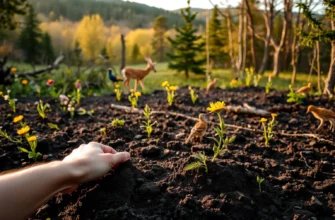
Individual actions‚ when multiplied across a neighborhood‚ create significant urban biodiversity; Something as simple as planting a single oak tree can provide habitat for hundreds of insect species‚ which in turn feed birds and small mammals. These small acts of native planting turn our “dead” spaces into productive ecological units.
We are also seeing the rise of “pollinator highways”—coordinated efforts by neighbors to plant specific flowering species that create a continuous nectar trail through a city. This allows bees and butterflies to navigate urban sprawl‚ ensuring they can find the resources needed to complete their life cycles. This grassroots approach proves that you don’t need a thousand acres to make a tangible difference in the health of the planet.
Rewilding the Planet as a Solution for Climate Change
Rewilding is one of the most effective‚ yet underutilized‚ tools in our climate arsenal. While technological solutions often dominate the conversation‚ nature-based climate solutions offer a way to capture carbon while simultaneously solving the extinction crisis. A wilder planet is a more carbon-rich planet.
Healthy‚ intact ecosystems are far superior to monoculture timber plantations at storing carbon. Wild forests‚ peatlands‚ and seagrass meadows store carbon in their biomass and‚ more importantly‚ deep within their soils. Because these systems are biodiverse‚ they are also more stable and less likely to release that carbon back into the atmosphere through disease or fire.
Natural Carbon Sinks and Ecosystem Resilience
The role of animals in carbon draw-down is a burgeoning field of study. Large herbivores‚ for example‚ help cycle nutrients and can actually increase the amount of carbon stored in grassland soils by stimulating root growth. In the Arctic‚ reintroducing large grazers could help maintain permafrost by trampling snow and keeping the ground colder‚ preventing the release of massive methane stores.
Moreover‚ wilder ecosystems provide essential ecosystem stability against the impacts of climate change. A restored wetland acts as a natural sponge‚ absorbing floodwaters that would otherwise devastate downstream communities. A diverse‚ old-growth forest is naturally more resistant to the pests and droughts that frequently wipe out industrial tree farms. By rewilding the planet‚ we are building a natural defense system that protects both wildlife and human civilization.
Navigating the Social and Economic Challenges of Rewild Our World
Despite its benefits‚ rewilding can be a source of significant social friction. Concerns often arise from farming communities regarding land rights‚ livestock predation‚ and perceived threats to food security. Addressing these challenges requires a nuanced approach that moves beyond “nature vs. people” and toward a model of coexistence.
Myth: Rewilding means taking land away from food production and risking starvation.
Fact: Most rewilding occurs on marginal land that is economically unviable for farming. By restoring these areas‚ we actually protect food security by supporting the pollinators and water cycles that commercial crops rely on.
Indigenous Wisdom and Collaborative Land Management
The most successful rewilding projects are those that integrate indigenous stewardship and traditional ecological knowledge. Indigenous peoples have managed landscapes for millennia‚ maintaining high levels of biodiversity through sophisticated socio-ecological systems. Their involvement is not just a matter of justice; it is a scientific necessity for long-term project success.
We must also develop sustainable livelihoods that allow local communities to benefit from a wilder landscape. This includes nature-based tourism‚ carbon credit programs‚ and “wildlife-friendly” certification for agricultural products. When a standing forest or a roaming wolf is worth more to a local community than a cleared field‚ the economic incentives align with ecological health‚ ensuring the long-term land stewardship required for a wilder world.
Expert Perspective: The Three Cs of Rewilding
In my professional experience‚ I have found that the most successful rewilding projects strictly adhere to the “Three Cs” framework: Cores‚ Corridors‚ and Carnivores. Without large core protected areas‚ species lack the “home base” needed to reproduce. Without corridors‚ they remain trapped in genetic cul-de-sacs. And without carnivores‚ the ecosystem loses its internal regulator‚ leading to overgrazing and structural collapse. I always advise practitioners to resist the urge to micromanage; the hardest part of rewilding is often learning when to step back and let the animals and plants take the lead. We must move from being masters of nature to being its humble facilitators.
Frequently Asked Questions
The primary goal is to restore self-sustaining ecosystems where natural processes—such as predation‚ decomposition‚ and natural disturbances—can function without ongoing human management.
How does rewilding the world differ from traditional conservation?
Traditional conservation often seeks to protect specific species or “freeze” a landscape in time‚ whereas rewilding focuses on restoring dynamic ecosystem functions and allowing nature to change and adapt autonomously.
Can we rewild our planet without removing humans from the land?
Absolutely. Rewilding can coexist with humans through regenerative agriculture‚ urban greening‚ and the creation of wildlife corridors that pass through human-managed landscapes.
Why are apex predators so important to rewilding the environment?
Apex predators exert top-down control on prey populations‚ which prevents overgrazing and allows vegetation to thrive‚ creating a cascade of benefits for birds‚ insects‚ and soil health.
What are the first steps to take if I want to rewild our earth locally?
The most effective first step is to remove invasive species and plant native vegetation‚ which provides the essential food and shelter needed for local wildlife to return to your area.