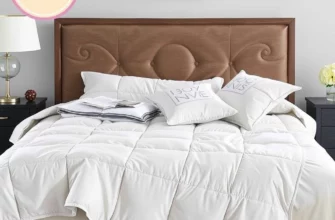
- Understanding the Science of the Micro Glass Beads Weighted Blanket
- Why Size Matters: The Advantage of Micro-Fine Particles
- Glass Beads vs. Poly Pellets: Which Filling Provides Better Sleep?
- Temperature Regulation and Cooling Benefits
- What to Do When Beads Start Falling Out of Your Weighted Blanket
- Common Reasons for Glass Beads Coming Out of a Weighted Blanket
- Sizing and Safety: From Kids Organic Options to Adult Queen Sizes
- The Safety of Glass Bead Weighted Baby Blankets
- Selecting the Right Dimensions for Twin and Queen Beds
- Is Your Blanket Safe? Addressing Particles and Aquarium Gravel Substitutes
- The Dangers of Using Aquarium Gravel in Weighted Blankets
- Maintenance Mastery: How to Clean a Glass Beaded Weighted Blanket
- Washing High-End Brands Like Baloo and Other Organic Options
- Frequently Asked Questions
Understanding the Science of the Micro Glass Beads Weighted Blanket
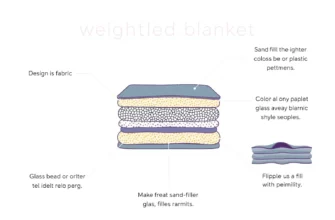
The transition from bulky, plastic-filled covers to the modern micro glass beads weighted blanket represents a significant leap in sleep technology. These blankets function through a process known as deep touch pressure, which applies gentle, even force across the body to stimulate the production of serotonin. Unlike older models that felt like sleeping under a pile of bean bags, glass-filled options provide a streamlined, sophisticated experience that mimics a therapeutic hug.
The shift toward glass as a primary filler isn’t just about luxury; it is about the physics of sleep hygiene. Glass beads are significantly denser than plastic, allowing for a thinner blanket profile that doesn’t sacrifice the necessary weight. This density ensures that the blanket contours to your body’s unique shape, eliminating the gaps where cold air often settles during the night.
When you opt for a glass-filled interior, you are choosing a hypoallergenic filling that does not harbor dust mites or allergens. This makes it a superior choice for individuals with sensitive respiratory systems or skin conditions. The tactile feedback is reminiscent of fine sand shifting within the fabric, providing a grounding sensation that helps quiet the nervous system before sleep.
Why Size Matters: The Advantage of Micro-Fine Particles
The diameter of the beads used in your blanket dictates the overall texture and fluidity of the product. Micro-fine glass particles, often measuring less than 1 millimeter in diameter, create a smooth texture that feels uniform to the touch. This eliminates the “pebbly” sensation common in cheaper alternatives, ensuring that the user doesn’t feel individual beads pressing against their skin or joints.
High-quality manufacturers prioritize even weight distribution by using smaller beads that can fill the corners of quilted pockets more effectively. When beads are too large, they tend to clump in the center of the pocket, creating localized pressure points that can become uncomfortable over several hours. Smaller particles flow like liquid within the fabric, filling the negative space around your limbs to provide a consistent sensory experience.
Noise reduction is another critical benefit of the micro-fine approach. Larger plastic pellets or glass chunks often produce a distinct rustling sound whenever you shift positions in bed. Micro beads are nearly silent, which is a vital feature for light sleepers or those with sensory processing sensitivities. A quiet sleep environment is just as important as physical comfort when attempting to reach deep, restorative REM cycles.
Glass Beads vs. Poly Pellets: Which Filling Provides Better Sleep?
Choosing between glass beads and plastic poly pellets often comes down to a choice between breathability and cost. While poly pellets were the original standard for weighted products, they often fail to meet the needs of modern “hot sleepers” who struggle with temperature regulation. Glass beads offer a more sustainable and physically comfortable alternative for long-term use.
| Feature | Micro Glass Beads | Plastic Poly Pellets |
|---|---|---|
| Heat Retention | Low; naturally stays cool. | High; traps body heat. |
| Bulkiness | Thin and sleek profile. | Thick and noticeably bulky. |
| Sound Profile | Virtually silent movement. | Distinct “bean bag” rustle. |
| Environmental Impact | Eco-friendly and recyclable. | Petroleum-based synthetic. |
| Weight Density | High; requires less volume. | Low; requires more filler. |
Temperature Regulation and Cooling Benefits
For many, the biggest barrier to using a weighted blanket is the fear of overheating. Glass beads possess a high thermal conductivity, meaning they do not insulate heat in the same way that plastic or polyester fibers do. This makes a cooling weighted blanket filled with glass the gold standard for summer use or for individuals living in warmer climates.
Because the beads are so dense, the blanket requires less fiberfill (the polyester stuffing used to keep beads in place). Less fiberfill results in a more breathable filling, allowing air to circulate through the fabric layers rather than becoming trapped against the skin. This prevents the “swampy” feeling that often leads to middle-of-the-night awakenings and disrupted sleep patterns.
What to Do When Beads Start Falling Out of Your Weighted Blanket
Finding tiny, sand-like grains in your bed can be alarming, but it doesn’t necessarily mean your investment is ruined. Leaking beads are usually the result of a single compromised seam rather than a total structural failure. Addressing the issue early prevents the loss of weight and keeps your sleep environment clean.
- Identify the leak source by holding the blanket up to a bright light; the light will shine through any small holes in the stitching.
- Isolate the affected pocket using a binder clip or clothes pin to prevent more beads from migrating toward the hole while you prepare for repair.
- Use a “ladder stitch” or “blind stitch” for the repair to ensure the seam is reinforced from the inside, making the patch nearly invisible.
- Reinforce the area with heavy-duty polyester thread, as standard cotton thread may snap under the constant pressure of the glass beads.
- Apply a small amount of fabric glue to the knot of your thread to ensure it doesn’t unravel during future wash cycles.
Common Reasons for Glass Beads Coming Out of a Weighted Blanket
The most frequent cause of leaking beads is the use of a standard sewing needle during mass production, which can leave holes slightly larger than the micro beads themselves. If the manufacturer does not use a specialized “ball-point” needle or high-density fabric, the beads can eventually work their way through the weave. Stitching repair should always involve a tight, double-back stitch to compensate for these manufacturing shortcuts.
Improper washing techniques also play a significant role in blanket degradation. The centrifugal force in a washing machine puts immense stress on the internal baffles (the walls between the quilted pockets). Always avoid high-speed spin cycles, as the sheer weight of the glass pulling against the wet fabric can cause internal seams to burst, leading to a “bead migration” where the weight shifts entirely to one side of the blanket.
Sizing and Safety: From Kids Organic Options to Adult Queen Sizes
Selecting the correct weight is the most important step in ensuring the blanket is both effective and safe. The industry standard is 10% of the user’s total body weight, plus or minus a pound or two depending on personal preference. However, safety considerations change drastically depending on the age and physical mobility of the person using the blanket.
For adults, a queen weighted blanket with glass beads should typically weigh between 15 and 25 pounds. It is a common mistake to buy a blanket that matches the dimensions of your mattress. A weighted blanket should be smaller than your bed to ensure the weight stays concentrated on top of you; if the blanket hangs over the edges, gravity will pull it toward the floor, making it feel much heavier and potentially causing it to slide off during the night.
The Safety of Glass Bead Weighted Baby Blankets
Safety must be the primary focus when considering weighted products for younger users. Never use a weighted blanket for an infant or a child under the age of two. Infants do not have the motor skills or muscle strength to move a weighted object if it covers their face, which creates a significant suffocation risk. Furthermore, their ribcages are more flexible and less developed, meaning the added pressure can interfere with natural breathing and chest expansion.
For toddlers and older children, pediatricians often recommend weighted vests or blankets for sensory processing disorders, but only under strict supervision. When shopping for children, look for an organic cotton cover that is GOTS certified. Organic materials ensure the child isn’t inhaling off-gassed chemicals from synthetic dyes or flame retardants while they sleep, which is especially important given the proximity of the blanket to their face.
Selecting the Right Dimensions for Twin and Queen Beds
A twin size weighted blanket is often the most versatile option, even for adults. Because these blankets are designed for individual use, a twin size (roughly 48″ x 72″) focuses the pressure directly on the sleeper without wasting weight on the empty space of the bed. This makes the blanket easier to manage when it comes time for laundering or traveling.
If you share a bed, it is often better to use two individual twin blankets rather than one large queen or king size. This prevents “weight stealing” when one person moves, and it allows each partner to choose a weight that is appropriate for their specific body mass. Individual blankets also prevent the “bridge effect”, where a large blanket stretches across two people but fails to make contact with the mattress in the middle, reducing the effectiveness of the deep touch pressure.
Is Your Blanket Safe? Addressing Particles and Aquarium Gravel Substitutes
As weighted blankets gained popularity, various “DIY” methods emerged, some of which pose serious health and durability risks. One of the most dangerous trends involves using aquarium gravel as a substitute for glass beads. While gravel is heavy and inexpensive, it is fundamentally unsuitable for use in bedding due to its physical properties and chemical composition.
Myth: Aquarium gravel is a safe, cheap alternative to glass beads for weighted blankets.
Fact: Gravel contains jagged edges that act like tiny saws, eventually cutting through the fabric from the inside out. Furthermore, gravel is often treated with chemical coatings that are not rated for prolonged skin contact or inhalation, and it can harbor bacteria if it becomes damp.
The Dangers of Using Aquarium Gravel in Weighted Blankets
The primary danger of using gravel or unrefined stones is the lack of consistency. Unlike medical-grade glass beads, which are perfectly spherical, gravel is irregular. This irregularity causes uneven pressure distribution, which can lead to bruising or discomfort over time. The sharp edges of gravel will eventually compromise the internal stitching, leading to a massive leak that is much harder to repair than a simple glass bead puncture.
Hygiene is another major concern. Glass is non-porous and does not absorb moisture, odors, or oils. Gravel, however, can be porous and may trap sweat and skin cells, leading to mold growth inside the blanket pockets. High-quality glass bead quality is verified through laboratory testing to ensure the filler is lead-free and non-toxic, a guarantee you will never get with landscaping or aquarium materials.
Maintenance Mastery: How to Clean a Glass Beaded Weighted Blanket
Proper maintenance is the key to extending the lifespan of your blanket. Because glass beads are heavy, the main challenge isn’t the beads themselves, but the strain the weight puts on your washing machine and the blanket’s outer fabric when wet. A 20-pound blanket can weigh significantly more when saturated with water, which can damage the drum of a standard residential washer.
- Check the weight capacity of your machine before attempting a home wash; most standard washers are rated for 20 pounds or less.
- Use a commercial laundromat for blankets over 15 pounds, as their heavy-duty front-loading machines can handle the weight without strain.
- Spot clean whenever possible to reduce the frequency of full washes, which preserves the integrity of the internal baffles.
- Wash in cold water on a gentle cycle to prevent the fabric fibers from weakening and the beads from escaping.
- Air dry by laying the blanket flat across several drying racks to ensure the weight is distributed; hanging it on a line will stretch the fabric and damage the seams.
Washing High-End Brands Like Baloo and Other Organic Options
Premium brands like Baloo often use 100% cotton construction, which requires specific care to prevent shrinking. When maintaining glass beads within an organic cotton shell, always skip the fabric softener. Softeners can leave a residue on the cotton fibers that reduces breathability and can actually make the fabric more prone to tearing over time.
If you must use a dryer, select the lowest heat setting available. High heat can cause the internal polyester liners—which hold the beads in place—to melt or become brittle. A low-heat tumble dry with a few clean tennis balls can help fluff the blanket and ensure that the glass beads are redistributed evenly throughout the pockets, preventing clumping as the fabric dries.
In my professional experience as a textile specialist, the transition to spherical micro glass beads is the single most important innovation in the weighted bedding industry. Unlike organic fillers like rice, corn, or beans, medical-grade glass is completely non-porous. This means it won’t break down over time, won’t attract pests, and won’t develop an odor if you live in a humid environment. I always advise clients to look for beads that are “sand-grade,” as the smaller surface area of each bead reduces the friction against the fabric, effectively doubling the lifespan of the blanket compared to larger, coarser glass or plastic alternatives.
Frequently Asked Questions
Yes, medical-grade glass beads are non-toxic, but they pose a slipping hazard on hard floors and a choking risk for small children and pets. If a leak occurs, vacuum the area immediately and seal the blanket in a bag until it can be repaired.
Can I use aquarium gravel for a DIY weighted blanket?
No, aquarium gravel is not recommended because its sharp edges will tear the fabric and it may contain chemical coatings. Dedicated micro glass beads are the only safe option for long-term comfort and durability.
What is the difference between micro glass beads and regular glass beads?
Micro beads are much smaller, providing a smooth, sand-like texture that is quieter and shifts more fluidly. Regular glass beads are larger and can feel “lumpy” or “pebbly” through the fabric, often producing more noise when you move.
Why are beads falling out of my weighted blanket after washing?
The weight of the beads creates extreme tension on the seams during the spin cycle. If the stitching was already weakened or if a high-speed spin was used, the thread can snap, allowing the micro beads to escape through the resulting gap.
Is an organic weighted blanket with glass beads worth the investment?
Yes, combining non-toxic glass with organic cotton provides the best balance of weight and breathability. Organic cotton is better for skin health and temperature regulation, while glass beads ensure the blanket remains hypoallergenic and durable.
How do I know if my weighted blanket uses glass beads or poly pellets?
Check the care label first; if it isn’t listed, feel the blanket’s texture. Glass beads feel like fine sand and the blanket will be relatively thin, while poly pellets feel like small pebbles and make the blanket much bulkier and warmer to the touch.