- Embracing the Frances Tophill Approach to Rewild Your Garden
- Why Modern Rewilding is More Than Just Leaving it Alone
- Practical Rewilding Garden Ideas for Every UK Space
- Bringing Nature Back to Small and Suburban UK Gardens
- Maximizing Biodiversity in a Rewilding Suburban Garden
- The Best Plants for Rewilding: Selecting for Purpose and Beauty
- Native Species vs․ Pollinator-Friendly Cultivars
- How to Manage a Rewilded Garden Without Losing Control
- Maintaining Structure Amidst the Wildness
- From Chelsea Flower Show to Your Back Door: The Future of UK Gardening
- The Influence of Media and Show Gardens on Personal Rewilding
- Expert Perspective: Rewilding with Frances Tophill
- Frequently Asked Questions
Embracing the Frances Tophill Approach to Rewild Your Garden
Rewilding is often misunderstood as a call to total abandonment, a suggestion that we should simply close the back door and let the brambles take over․ However, as championed by horticulturalist Frances Tophill, true rewilding is a sophisticated form of intentional ecological restoration that balances human needs with the urgent requirements of our local flora and fauna․
By shifting our perspective from being “owners” of a plot to “stewards” of an ecosystem, we can transform even the most sterile lawn into a thriving sanctuary․ This approach does not mean sacrificing beauty; instead, it redefines the aesthetic of a garden to include the movement of insects, the song of birds, and the seasonal cycles of native plants․
Why Modern Rewilding is More Than Just Leaving it Alone
The core of the Frances Tophill philosophy lies in the transition from control to collaboration․ Traditional gardening often focuses on suppressing nature to maintain a static image—think of the perfectly striped lawn or the weed-free border․ In contrast, rewilding seeks to re-establish the natural processes that have been stripped away by intensive landscaping and chemical use․
This does not mean your garden must become a chaotic mess․ It involves making deliberate choices, such as selecting plants that provide high-octane nectar for specific bee species or creating structural “messiness” like log piles that are hidden behind more formal perennial borders․ The goal is to reach a state of ecological balance where the garden largely sustains itself, reducing the need for artificial fertilizers and constant intervention․
When you embrace this mindset, you begin to see “weeds” like dandelions or nettles not as enemies, but as vital nursery plants for butterflies like the Peacock or Small Tortoiseshell․ This shift in perception is the first and most important step in the rewilding journey, turning your outdoor space into a functional part of the wider UK wildlife corridor․
Practical Rewilding Garden Ideas for Every UK Space
Transitioning to a wilder garden can happen in stages, allowing you to observe how nature responds to each change․ Whether you have a sprawling rural plot or a compact terrace, the following actions prioritize habitat creation and resource availability for local species․
Implementing these changes creates a multi-layered environment․ Just as a forest has a canopy, an understory, and a floor, your garden should offer various heights and textures to accommodate the different niches required by birds, mammals, and invertebrates․
- Participate in No Mow May: Allow your lawn to grow through the spring to let clovers and daisies bloom, providing an essential early-season food source for emerging queen bees․
- Install a Wildlife Pond: Even a sunken washing-up bowl can support dragonflies and provide drinking water for birds; ensure at least one side has a sloped “beach” so creatures can climb out safely․
- Build a “Dead Hedge”: Instead of skipping garden waste to the landfill, stack fallen branches and prunings between wooden stakes to create a corridor for beetles and nesting sites for wrens․
- Create Hedgehog Highways: Cut a small 13cm x 13cm hole in the base of your fences to allow hedgehogs to roam between gardens, which is vital for their foraging and mating․
- Plant a Native Hedgerow: Replace panel fencing with Hawthorn, Blackthorn, or Hazel to provide food, shelter, and a safe travel route for small mammals․
- Introduce a Log Pile: Place decaying wood in a damp, shady corner to support stag beetles and provide a cool retreat for frogs and toads during the heat of summer․
- Leave the Seed Heads: Avoid “tidying up” in autumn; keep dried flower heads standing until spring to provide winter food for goldfinches and shelter for ladybirds․
- Install Bat Boxes: Position these high up on a wall or tree (at least 4 meters) to provide roosting spots for these essential nocturnal insect hunters․
- Create a Wildflower Meadow: Use yellow rattle to suppress vigorous grasses, allowing delicate native wildflowers like oxeye daisies and knapweed to flourish․
- Minimize External Lighting: Use motion sensors or warm-toned LEDs to reduce light pollution, which can disrupt the navigation and feeding patterns of moths and bats․
- Avoid Peat-Based Compost: Protect vital carbon-storing peat bogs by choosing sustainable, peat-free alternatives for all your potting needs․
- Erect Solitary Bee Bricks: Provide nesting holes for non-swarming bees like Red Mason bees, which are incredibly efficient pollinators for fruit trees․
- Embrace “No-Dig” Gardening: Protect the complex mycorrhizal fungal networks in your soil by mulching over weeds rather than turning the earth, which keeps carbon trapped underground․
Bringing Nature Back to Small and Suburban UK Gardens
One of the most common myths about rewilding is that it requires vast acreage․ In reality, urban and suburban gardens are the front lines of conservation․ When individual small plots are managed with nature in mind, they form a “quilt” of habitats that allow wildlife to move through otherwise hostile urban environments․
In a suburban setting, the challenge is often balancing wild areas with the need for functional space for children, pets, or entertaining․ Frances Tophill emphasizes that these two worlds can coexist through clever design that prioritizes verticality and connectivity․
Maximizing Biodiversity in a Rewilding Suburban Garden
If floor space is limited, look upward․ Climbing plants like Honeysuckle or Ivy provide immense value; Ivy is particularly crucial as it flowers in late autumn when other nectar sources have vanished and provides evergreen shelter for hibernating insects․ Training these over fences or walls immediately increases the “green volume” of your garden without taking up valuable patio space․
Container gardening can also be a tool for rewilding․ A series of large pots filled with nectar-rich perennials like Lavender or Salvia can act as a “fueling station” for bees passing through a housing estate․ To maximize impact, group containers together to create a microclimate that retains moisture and offers more protection for smaller creatures․
Connectivity is the “secret sauce” of urban rewilding․ Talk to your neighbors about creating a collective wildlife plan․ If three or four adjacent gardens all provide different elements—one a pond, one a wildflower patch, and one a compost heap—you have effectively created a small nature reserve that is far more powerful than any single garden could be on its own․
The Best Plants for Rewilding: Selecting for Purpose and Beauty
Plant selection in a rewilded garden moves beyond just flower color․ We must consider the entire lifecycle of the plant and its relationship with specific animals․ For example, a “double-flowered” rose might look stunning, but its extra petals often block access to pollen, making it useless for a hungry bee․
Focus on a mix of native species, which have co-evolved with UK insects, and “near-native” or garden-worthy cultivars that extend the flowering season․ The goal is to ensure that from February (when the first bumblebees emerge) to November, there is always something in bloom․
| Plant Species | Wildlife Benefit | Ideal Growing Conditions |
|---|---|---|
| Hawthorn (Crataegus monogyna) | Supports over 300 insect species; berries for birds in winter․ | Sun or partial shade; thrives in most soil types․ |
| Oxeye Daisy (Leucanthemum vulgare) | High nectar for beetles and hoverflies; seeds for birds․ | Well-drained soil; full sun․ Perfect for meadows․ |
| Teasel (Dipsacus fullonum) | Structural winter interest; seeds are a favorite of Goldfinches․ | Damp soil; full sun․ Needs space to grow tall․ |
| Foxglove (Digitalis purpurea) | Essential for long-tongued bees like the Garden Bumblebee․ | Dappled shade; moist, well-drained soil․ |
| Buddleja (Butterfly Bush) | Magnetic for butterflies; late summer nectar source․ | Full sun; very hardy, even in poor soil․ |
Native Species vs․ Pollinator-Friendly Cultivars
While native plants are the backbone of rewilding, some non-native cultivars are excellent additions․ Lavender, for instance, isn’t native to the UK but is a top-tier nectar source for honeybees․ The key is to avoid “F1 hybrids” which are often sterile and produce no pollen or nectar․
Don’t be too quick to remove the “weeds․” A patch of stinging nettles in a sunny corner is the only food source for the caterpillars of Red Admiral and Comma butterflies․ Similarly, dandelions produce early-season pollen that is vital for survival when few other plants are awake․ If you find them unsightly in your borders, dedicate a specific “wild corner” where they can grow undisturbed․
How to Manage a Rewilded Garden Without Losing Control
The most successful rewilded gardens are those that look “managed-wild” rather than “neglected․” This is vital for maintaining good relations with neighbors and ensuring your garden remains an enjoyable place for you to spend time․ Management in a wild context is about guiding the succession of plants rather than fighting against it․
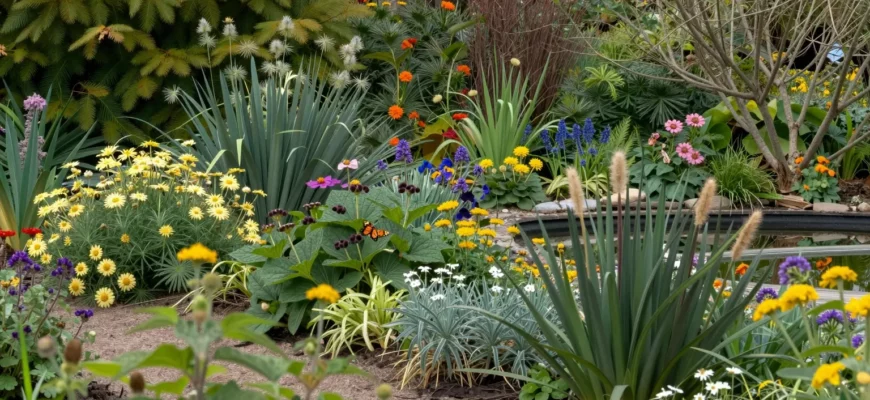
By using subtle design cues, you can signal that the wildness is intentional․ A neatly mown path through a tall wildflower meadow, or a formal timber frame around a compost heap, tells the observer that this is a deliberate choice․ This “frame” allows the center to be as wild as possible while the edges remain crisp․
Maintaining Structure Amidst the Wildness
Structure is provided by hard landscaping and “perceived” order․ Use mown paths as a design element; they provide access for maintenance but also create “edge habitats” where different types of vegetation meet, which is often where biodiversity is highest․ Regularly mowing the edges of a wild patch keeps the space looking purposeful․
You must also monitor for invasive species․ In a UK context, plants like Japanese Knotweed or Himalayan Balsam can quickly create a monoculture, choking out the very diversity you are trying to encourage․ Manual removal of vigorous invaders is one of the few times heavy intervention is necessary in a rewilding project․ Always prioritize the removal of plants that offer little ecological value but take up significant space․
| The “Do” List for Wild Management | The “Don’t” List for Wild Management |
|---|---|
| Do mow paths to create structure and access․ | Don’t use broad-spectrum pesticides or herbicides․ |
| Do remove invasive non-native species immediately․ | Don’t “deadhead” everything; leave seeds for winter․ |
| Do mulch with organic matter to build soil health․ | Don’t aim for a 100% weed-free environment․ |
| Do provide multiple water sources at different heights․ | Don’t tidy up fallen leaves in the autumn․ |
From Chelsea Flower Show to Your Back Door: The Future of UK Gardening
We are currently witnessing a massive cultural shift in how we define a “beautiful” garden․ For decades, the Chelsea Flower Show was the bastion of manicured perfection, but recent years have seen a dramatic pivot․ Show gardens now feature crumbling masonry, native weeds, and “scrub” planting, reflecting a growing awareness of the climate and biodiversity crises․
This mainstream acceptance, fueled by figures like Frances Tophill and the team at Gardeners’ World, has given permission to millions of UK gardeners to stop striving for the impossible lawn․ The “wild look” is no longer a sign of a lazy gardener; it is a sign of an ecologically literate one who understands the value of a dead log or a patch of clover․
The Influence of Media and Show Gardens on Personal Rewilding
The 2026 and 2026 Chelsea Flower Shows were turning points, where several gold-medal-winning gardens featured plants traditionally considered “weeds,” such as brambles and nettles․ These designs demonstrated that wildness can be breathtakingly beautiful when composed with an artist’s eye․ They have moved the conversation from “how do I kill this?” to “what does this plant support?”
As this movement grows, the “perfect garden” is becoming one that hums with life․ We are moving toward a future where a garden’s success is measured by the number of butterfly species recorded or the presence of a breeding pair of blue tits, rather than the absence of moss in the grass․ This horticultural shift is not just a trend; it is a necessary adaptation to a changing climate, ensuring our gardens remain resilient, cooling our cities and supporting the web of life that we all depend on․
Expert Perspective: Rewilding with Frances Tophill
In my professional experience, the most successful rewilding projects aren’t those with the biggest budgets, but those where the gardener has undergone a total shift in mindset․ I always advise people to spend an entire season just observing before they pick up a spade․ Watch where the sun hits in March, see where the frogs huddle in November, and identify which “weeds” are actually attracting the most pollinators․
I have found that rewilding is an act of environmental activism that begins right at your back door․ It requires you to move from being an owner to being a steward․ When you stop trying to dominate the land and start listening to what it wants to be, the garden becomes a place of profound emotional connection․ It is no longer a chore; it is a living, breathing partnership that rewards you with the sight of a hedgehog or the first bloom of a wild orchid․
Frequently Asked Questions
Focus on verticality and containers; plant native climbers like Honeysuckle and use pots to create a “pollinator cafe” with nectar-rich herbs like Thyme and Marjoram․
Will rewilding my garden attract pests like rats or mosquitoes?
A healthy ecosystem naturally regulates itself; encouraging frogs and dragonflies will keep mosquito populations down, while predators like owls and foxes help manage rodent numbers․
What are the best plants for rewilding a typical UK suburban garden?
Opt for high-impact natives like Hawthorn for hedging, Oxeye Daisies for meadows, and Foxgloves for shaded borders to provide maximum ecological value․
Do I need to stop mowing my lawn entirely to rewild?
No, total abandonment isn’t necessary; practicing “No Mow May” or simply reducing your mowing frequency allows low-growing flowers like clover to feed bees while keeping the space functional․
Is rewilding my garden expensive to implement?
Rewilding is often the most cost-effective way to garden, as it relies on natural regeneration, seed saving, and the elimination of expensive chemical fertilizers and pesticides․
How does Frances Tophill suggest we manage invasive species in a wild garden?
Management should be targeted; manually remove non-native invasive plants like Spanish Bluebells to prevent them from outcompeting local species and reducing your garden’s biodiversity․