- Beyond Modern Parenting: Why Rewilding Motherhood is Essential for the Modern Soul
- Rewilding Pregnancy: Trusting the Wisdom of the Birthing Body
- Rewilding Your Body: Awakening Shakti and Somatic Wisdom
- Reclaiming the Feral Self: Moving Beyond Body Image to Body Power
- Rewilding Our Hearts: Building Pathways of Compassion and Coexistence
- From Control to Connection: Practical Skills for Heart-Centered Mothering
- Spiritual Rewilding: Finding a Feral Jesus and Rewilding the Church
- Rewilding Christianity: Moving Faith from the Pew to the Forest
- The Wild Union: Rewilding Your Relationship for Deep Intimacy
- Breaking the Scripts: How to Rewild Your Relationship Post-Children
- Nature as the Teacher: Rewilding Meditations and Daily Practices
- Practical Skills for Awakening in the Great Outdoors
- The Rewilding Toolkit: Essential Resources for the Journey
- Frequently Asked Questions
Beyond Modern Parenting: Why Rewilding Motherhood is Essential for the Modern Soul
Modern motherhood often feels like a performance staged within a narrow, sanitized box․ We are told to be efficient, quiet, and perpetually composed, yet this “domesticated” version of parenting frequently leaves women feeling hollowed out and disconnected from their own power․
Rewilding motherhood is not a call to abandon civilization or live in a remote wilderness, but rather a profound invitation to realign your daily life with the biological and intuitive truths that have guided mothers for millennia․ It is about stripping away the “shoulds” of a hyper-optimized society to uncover the raw, resilient, and deeply capable woman beneath the layers of social conditioning․
Rewilding Pregnancy: Trusting the Wisdom of the Birthing Body
The transition into motherhood, or matrescence, begins long before the child is born, yet the modern medical model often treats pregnancy as a condition to be managed rather than a transformative rite of passage․ To rewild pregnancy is to move away from a culture of fear-based monitoring and toward a state of intuitive confidence in the biological blueprint of your body․
When you begin rewilding pregnancy, you start to recognize that your body possesses an ancestral wisdom that does not require external validation for every minor sensation․ This shift involves prioritizing your internal cues over generic pregnancy apps and learning to tune into the subtle communication between yourself and your developing child․ Trusting your gut during birth means acknowledging that your body knows how to open, how to protect, and how to bring life forward without being “taught” by a textbook․
Rewilding Your Body: Awakening Shakti and Somatic Wisdom
For many women, the body is viewed as a project to be managed or a problem to be solved, especially after childbirth․ We are encouraged to “bounce back,” a phrase that implies we should return to a pre-motherhood state rather than honoring the massive physiological and energetic expansion that has occurred․ Rewilding your body means stopping the war against your physical form and instead awakening the Shakti—the primal, creative life force—that resides within your nervous system․
This somatic awakening is about moving from an intellectual understanding of your body to a felt experience of it․ It requires us to acknowledge that our instincts are housed in our tissues, not just our minds․ By re-sensitizing ourselves to our physical needs, we reclaim a sense of agency that is often lost in the noise of modern wellness trends․
Myth Fact A “wild” mother is uncontrolled, chaotic, and perhaps even dangerous to her children’s stability․ Wildness is about congruence and regulated authenticity, allowing a mother to be more present and emotionally stable․ Rewilding means rejecting all modern medicine and scientific advancements in healthcare․ Rewilding involves integrating ancestral wisdom with modern tools, using technology without becoming enslaved by it․ You must live in nature or on a farm to truly rewild your physical body․ Biological rewilding happens in the nervous system and through sensory awareness, regardless of your zip code․
Reclaiming the Feral Self: Moving Beyond Body Image to Body Power
The “feral self” is that part of you that remains untouched by societal expectations of beauty or performance․ Reclaiming this aspect of your identity involves a radical shift in focus: moving from how your body looks to how your body feels and what it can do․ When we engage in grounding practices, such as walking barefoot on the earth or practicing rhythmic movement, we begin to discharge the stagnant energy of “polite” living․
Developing sensory awareness is a key pillar of this transformation․ Instead of ignoring hunger, fatigue, or the need for movement, a rewilded mother uses these signals as navigational data for her well-being․ By awakening Shakti through dance, breathwork, or cold water immersion, you remind your nervous system that it is capable of handling intensity, which directly translates to more resilient and patient parenting․
Rewilding Our Hearts: Building Pathways of Compassion and Coexistence
The emotional architecture of a rewilded home is built on the foundation of coexistence rather than control․ In a domesticated parenting model, we often view our children’s big emotions or “wild” behaviors as problems to be suppressed or managed through rigid discipline․ Rewilding our hearts means viewing empathy as a primary survival skill, one that allows us to bridge the gap between our adult world and the untamed world of the child․
Compassion, in this context, is not a soft or passive trait; it is a fierce, wild commitment to seeing the humanity in ourselves and our children even in the midst of chaos․ It requires us to cultivate an internal landscape that is spacious enough to hold both our own frustrations and our children’s developmental needs without collapsing into shame or anger․
From Control to Connection: Practical Skills for Heart-Centered Mothering
Moving from control to connection requires a fundamental shift in how we perceive our role as parents․ Instead of being the “manager” of the household, you become the anchor of the family’s emotional ecosystem․ This means prioritizing the relationship over the result of a specific behavior․ When a child is struggling, a rewilded heart asks, “What does this little animal need to feel safe?” rather than “How do I make this behavior stop?”
Coexisting with the wildness of children means accepting that they are not meant to be “tame․” They are small humans exploring their boundaries and instincts․ By creating pathways of compassion, you model nervous system regulation for them, showing them that it is possible to be powerful and intense while remaining deeply connected to those we love․ This approach fosters a sense of psychological safety that allows children to thrive without losing their spark․
Spiritual Rewilding: Finding a Feral Jesus and Rewilding the Church
For many women, traditional religious structures feel like another layer of domestication—a place of “shoulds,” “musts,” and rigid gender roles․ Spiritual rewilding is the process of deconstructing institutional expectations to find a more raw, elemental connection with the Divine․ This movement often explores the concept of a “feral Jesus”—a figure who lived on the margins, spoke in metaphors of seeds and soil, and existed far outside the polished walls of modern cathedrals․
Rewilding the church isn’t necessarily about leaving your faith, but about moving your spiritual practice from the pew to the forest․ It is an acknowledgment that God is just as present in the messy, bloody reality of birth and the quiet hum of a forest floor as in any liturgy․ For a mother, this means finding the divine in the cyclical nature of her own body and the ecological rhythms of the world around her․
Rewilding Christianity: Moving Faith from the Pew to the Forest
When we rewild our faith, we begin to see the “Great Commission” as a call to stewardship of the earth and the soul, rather than just the expansion of an organization․ This involves deconstructing the rigid religious expectations that demand mothers be selfless to the point of erasure․ Instead, a rewilded spirituality suggests that honoring your own wild nature is an act of worship, as you are a creation of the same hand that designed the mountains and the seas․
Finding the divine in ecological rhythms allows mothers to find peace in the seasons of their lives—the winter of exhaustion, the spring of new ideas, and the autumn of letting go․ By rewilding God, we remove the “tame” image of a distant judge and replace it with a living, breathing Presence that meets us in the dirt of our daily lives․
The Wild Union: Rewilding Your Relationship for Deep Intimacy
Relationships often suffer after the arrival of children because couples fall into the “domesticated” roles of co-managers․ Communication becomes transactional—focused on grocery lists, daycare schedules, and household chores․ Rewilding your relationship is about breaking these scripts to reclaim raw, authentic intimacy․ It requires a willingness to see your partner not just as a co-parent, but as a wild, evolving individual with their own needs and desires․
To maintain a wild union, you must prioritize the “us” over the “tasks․” This doesn’t mean ignoring responsibilities, but it does mean ensuring that the fire of your connection isn’t smothered by the wet blanket of domestic duty․ It involves honest, sometimes uncomfortable communication about your changing identities and how to support each other’s growth outside of parenthood․
- Do: Schedule “unstructured” time together where chores and children are off-limits as topics of conversation․
- Do: Practice radical honesty about your sensory needs and desire for touch (or lack thereof) without guilt․
- Do: Encourage your partner to pursue their own “wild” interests that have nothing to do with the family unit․
- Don’t: Allow your relationship to become a scoreboard of who has worked harder or sacrificed more․
- Don’t: Neglect the power of eye contact and physical presence, even if it’s only for five minutes a day․
- Don’t: Assume your partner knows how you’ve changed; re-introduce yourself to them regularly․
Breaking the Scripts: How to Rewild Your Relationship Post-Children
Breaking the scripts of modern marriage involves a conscious effort to stop performing the roles society expects of “the mother” and “the father․” When you rewild your relationship, you create space for the “un-tamed” versions of yourselves to exist․ This might mean admitting when you feel trapped by domesticity or expressing a desire for more adventure and less routine․
Prioritizing connection over household management means letting the dishes sit in the sink if it means having a meaningful conversation or a moment of shared laughter․ By focusing on rewilding relationships, you ensure that your union remains a source of nourishment rather than another item on your to-do list․ Authentic intimacy is found in the raw, honest exchange of truths, not in a perfectly organized home․
Nature as the Teacher: Rewilding Meditations and Daily Practices
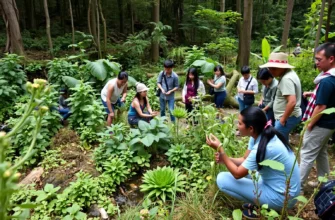
Nature is the ultimate mirror for the rewilding process․ It does not apologize for its storms, its cycles of decay, or its fierce beauty․ For mothers, spending time in nature is the fastest way to regulate a taxed nervous system․ Rewilding meditations are not about sitting perfectly still with a clear mind; they are about engaging your senses with the living world to remember that you are part of a much larger, older story․
Daily practices for rewilding should be accessible and integrated into the “cracks” of your day․ You don’t need a week-long retreat to find your center; you need micro-moments of sensory engagement․ Whether it’s feeling the wind on your face during a school run or noticing the texture of a leaf while your children play, these skills for awakening in nature help you stay grounded when the domestic world feels overwhelming․
- Find a “Sit Spot”: Choose a small area outdoors—even a backyard or park bench—and sit there for five minutes without your phone․
- Engage the Five Senses: Identify three things you can hear, two things you can smell, and one thing you can feel (like the sun or a breeze)․
- Practice Peripheral Vision: Soften your gaze and try to see the entire horizon at once; this signals to your brain that you are safe and out of “hunt/focus” mode․
- Match Your Breath to the Environment: Imagine breathing in the stillness of the trees and breathing out the “noise” of your mental to-do list․
- Touch the Earth: Place your bare hands or feet on the ground to physically discharge excess stress through the process of earthing․
Practical Skills for Awakening in the Great Outdoors
Awakening in nature is a skill that can be sharpened with practice․ It involves moving from a “tourist” mindset—where nature is something we look at—to a “participant” mindset, where we realize we are biologically intertwined with the ecosystem․ Using sensory engagement techniques, you can learn to read the “mood” of a forest or a park, which in turn helps you read the “mood” of your own body․
Using nature to regulate the nervous system is particularly effective for mothers dealing with sensory overload․ The fractal patterns in leaves and the sound of moving water have a documented calming effect on the human brain․ By teaching yourself these skills, you create a portable “sanctuary” that you can access whenever the pressures of modern life begin to feel like a cage․
The Rewilding Toolkit: Essential Resources for the Journey
Rewilding is not a destination you reach, but a lifelong practice of un-learning and returning․ As you move forward, remember that your instincts are your most valuable resource․ This journey requires courage because it often means going against the grain of a culture that values “tame” over “true․” However, the reward is a life that feels vibrant, authentic, and deeply connected to what matters most․
By integrating somatic wisdom, heart-centered connection, and spiritual sovereignty, you are not just becoming a “better” mother—you are becoming a more whole human being․ This wholeness is the greatest gift you can give to your children, as it gives them permission to remain wild and true to themselves as well․
- Biological Integrity: Trusting your body’s signals for hunger, rest, and movement over external metrics․
- Somatic Resilience: Using breath and nature to keep your nervous system in a state of flow rather than chronic stress․
- Relational Rawness: Prioritizing authentic connection with your partner and children over social performance․
- Spiritual Sovereignty: Finding the divine in the dirt, the seasons, and the instinctual power of motherhood․
- Ecological Identity: Recognizing that your well-being is inseparable from the health of the natural world․
In my professional experience as a somatic guide and doula, I have found that the transition into motherhood is the single most powerful “un-taming” event in a woman’s life․ I always advise my clients that the “brain fog” or emotional volatility they feel isn’t a deficit; it is actually the dissolution of the socialized self to make room for the primal protector․ When a woman stops trying to “manage” her matrescence and starts listening to her biological imperatives, her anxiety levels drop significantly because she is no longer fighting her own nature․ The power of birth and early mothering lies in surrendering to the involuntary processes of the body, a skill that serves as the ultimate foundation for a rewilded life․
Frequently Asked Questions
Rewilding motherhood means stripping away artificial societal expectations to reconnect with your biological instincts, intuitive parenting styles, and the raw power of your physical body․
How can I start rewilding my body if I’m always exhausted?
Focus on “micro-rewilding” practices like stepping outside barefoot for sixty seconds, taking three deep belly breaths, or using sensory awareness to ground yourself during routine tasks like washing dishes․
Is rewilding the church about leaving organized religion?
No, it is about rediscovering the untamed and ecological aspects of faith that exist beyond institutional walls, finding the divine in nature and the messy reality of life․
Can rewilding meditations be done with children present?
Absolutely; involving children in nature-based mindfulness creates a shared “wild” experience that helps regulate both your nervous system and theirs simultaneously․
How does rewilding relationships help after having a baby?
It helps couples move past transactional “roommate” dynamics by encouraging raw, honest communication and prioritizing authentic connection over household management․
Is rewilding pregnancy safe for everyone?
Rewilding pregnancy is a mental and spiritual framework that emphasizes body-trust and intuition; it is designed to complement, not replace, necessary medical care․