- The Big Question: Does Cold Plunge Age You Faster or Keep You Young?
- Understanding the Link Between Cold Stress and Longevity
- How Ice Baths Affect Your Skin and Appearance
- Does Cold Plunge Tighten Skin and Reduce Wrinkles?
- The Neurochemical High: Dopamine and Serotonin Explained
- Why Cold Plunging Boosts Your Mood for Hours
- Managing the Cold Plunge Crash: Why You Might Feel Tired
- Do Cold Plunges Make You Tired or Give You Energy?
- Digestive and Metabolic Side Effects: Hunger, Bloating, and More
- From Post-Plunge Hunger to Bloating Relief
- Resetting Your Nervous System the Right Way
- How to Use Cold Water to Calm Your Stress Response
- Are There Any Negatives to Cold Plunge You Should Know?
- Staying Safe: When to Skip the Ice Bath
- Frequently Asked Questions
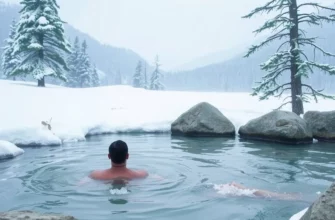
The Big Question: Does Cold Plunge Age You Faster or Keep You Young?
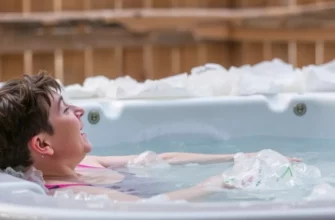
The sight of someone submerged in a tub of ice-chilled water often triggers a visceral reaction. You might wonder if that level of extreme physical shock is actually beneficial or if it is simply placing unnecessary wear and tear on the human body.
The fear that cold water immersion accelerates aging is understandable, especially when we see the immediate, shriveled appearance of skin after a long soak. However, the biological reality is far more complex than a surface-level observation.
Understanding the Link Between Cold Stress and Longevity
To understand why people are flocking to chest freezers and frozen lakes, we have to look at the concept of hormesis. This biological phenomenon describes a process where brief, controlled exposure to a stressor triggers a massive over-compensation in cellular repair mechanisms.
When you submerge your body in water below 55 degrees Fahrenheit, your cells don’t just “freeze.” They enter a state of high alert that initiates autophagy, the body’s internal recycling program that identifies and breaks down damaged proteins and cellular components.
While chronic stress—the kind you feel during a grueling work week—elevates cortisol and accelerates aging, the acute stress of a cold plunge does the opposite. It acts as a biological “reset button” that forces your mitochondria to become more efficient at producing energy, which is a hallmark of youthful cellular health.
How Ice Baths Affect Your Skin and Appearance
The dermatological impact of cold water is one of the most debated topics in the biohacking community. While some claim it is a natural facelift, others worry that the intense constriction of blood vessels might damage delicate facial tissues over time.
Myth: Cold plunging causes permanent skin wrinkling because of the “shriveling” effect.
Fact: The “pruning” of skin is a nervous system response, not a sign of aging. Cold exposure actually stimulates blood flow and can improve the skin’s nutrient delivery once you exit the water.
The primary aesthetic benefit comes from the vascular workout your skin receives. When you hit the cold, your peripheral blood vessels constrict to keep your core warm. Once you step out and begin to thaw, those vessels dilate significantly, flooding the skin with fresh, oxygenated blood and essential nutrients that promote a healthy glow.
Does Cold Plunge Tighten Skin and Reduce Wrinkles?
There is a distinct difference between the temporary “tightness” you feel immediately after a dip and long-term changes in skin elasticity. In the short term, cold water reduces inflammation and puffiness by constricting the lymphatic system, which can make the face look more contoured and less “tired;”
For long-term benefits, the science points toward improved collagen density. Cold stress has been shown to increase the expression of cold-shock proteins, which play a role in maintaining the structural integrity of your tissues.
While a cold plunge won’t erase deep-set wrinkles overnight, consistent practitioners often report a reduction in redness and inflammatory skin conditions like acne or rosacea. By managing systemic inflammation, you are essentially protecting your skin’s collagen matrix from the “inflammaging” process that typically thins the skin as we age.
The Neurochemical High: Dopamine and Serotonin Explained
One of the most profound reasons people become “addicted” to the ice is the way it reshapes the brain’s internal chemistry. This isn’t just a psychological “win” for doing something hard; it is a measurable, physiological shift in your baseline neurotransmitters.
Unlike the quick spike and subsequent crash associated with sugar or social media, the neurochemical response to cold water is sustained. Research has shown that dopamine levels can rise by up to 250% following a cold plunge, and these levels remain elevated for several hours.
Why Cold Plunging Boosts Your Mood for Hours
This sustained dopamine release is the reason many people describe a “glow” or a sense of calm focus that lasts well into the afternoon. It provides a level of mental clarity that is difficult to achieve through stimulants like caffeine, which often come with jitters or an energy dip.
In addition to dopamine, cold exposure influences serotonin, the neurotransmitter responsible for mood stability and well-being. By lowering the baseline of systemic inflammation in the brain, cold plunges may help alleviate symptoms of “brain fog” and low-level depressive states.
Regular exposure trains the brain to remain calm in the face of a massive sympathetic nervous system surge. This mental “muscle memory” translates to real-world resilience, allowing you to handle daily stressors with a much cooler head.
Managing the Cold Plunge Crash: Why You Might Feel Tired
It seems counterintuitive: you jump into freezing water to wake up, yet an hour later, you find yourself wanting to curl up for a nap. This “cold plunge crash” is a common experience for beginners and even some seasoned veterans.
- Don’t stay in too long: Staying past the point of shivering can lead to excessive core temperature drops.
- Avoid the hot shower trap: Jumping straight into hot water can cause “afterdrop,” where cold blood from your extremities rushes back to your core too quickly;
- Don’t skip the movement: Use light exercise or “horse stance” to generate heat from the inside out after you exit.
The fatigue is usually a result of your body’s metabolic furnace working overtime. Reheating your entire body mass from 95 degrees back to 98.6 degrees requires a significant amount of ATP (cellular energy).
Do Cold Plunges Make You Tired or Give You Energy?
The answer depends entirely on your timing and the state of your nervous system. Immediately after the plunge, you are flooded with adrenaline and norepinephrine, which provides an intense “up” feeling.
However, once the initial shock wears off, the body often swings into a deep parasympathetic state. This is your “rest and digest” mode. If you find that cold plunging makes you excessively sleepy, try shortening your duration to under three minutes or moving your sessions to the late afternoon to improve your sleep quality at night.
For those who feel “wired,” morning sessions are ideal. The key is to listen to your body’s thermogenic response—if you are still shivering an hour later, you likely overstayed your welcome in the ice.
Digestive and Metabolic Side Effects: Hunger, Bloating, and More
The metabolic demand of cold exposure is one of its most “expensive” physiological processes. To maintain a stable core temperature, your body must activate brown adipose tissue (BAT), also known as “brown fat.”
Unlike white fat, which stores energy, brown fat burns it to create heat. This process, known as thermogenesis, can significantly increase your daily caloric burn, which is why many people experience a “post-plunge hunger” that feels almost bottomless.
From Post-Plunge Hunger to Bloating Relief
The intense hunger is a direct signal from your brain to replenish the glucose and fat stores used during the reheating process. To manage this without overeating, focus on high-protein snacks after a session to stabilize blood sugar and support muscle recovery.
Regarding digestion, cold water immersion triggers the “mammalian dive reflex.” This reflex shifts blood flow toward the internal organs. For many, this stimulates the gastrointestinal tract and can help move “stuck” digestion, leading to the common phenomenon of needing to use the bathroom shortly after a dip.
Furthermore, the anti-inflammatory nature of the cold can be a godsend for those suffering from gut-related bloating. By reducing the inflammation in the intestinal lining, regular plunging may help calm the digestive system and improve overall nutrient absorption.
Resetting Your Nervous System the Right Way
Most of us spend our lives in a state of “low-grade” fight or flight. We are constantly reacting to notifications, deadlines, and traffic. The cold plunge serves as a controlled “stress test” that teaches the nervous system how to return to a state of calm after a massive shock.
- Enter the water slowly: Control your breath immediately; avoid the “gasp” reflex by exhaling as you submerge.
- Focus on the exhale: Lengthen your breath to signal to your brain that you are safe, even though the skin is screaming “danger.”
- Stay for 2-5 minutes: This is the “sweet spot” for most people to achieve a full nervous system reset.
- Exit and air dry: Allow your body to begin the reheating process naturally for 60 seconds before toweling off.
How to Use Cold Water to Calm Your Stress Response
The magic happens via the vagus nerve, the longest nerve of the autonomic nervous system. Cold water hitting the face and neck directly stimulates the vagus nerve, which acts as the brake pedal for your heart rate and stress levels.
Over time, this practice increases your “vagal tone.” A high vagal tone is associated with better emotional regulation, faster recovery from exercise, and lower levels of the stress hormone cortisol. By lowering chronic cortisol, you are directly combatting one of the primary drivers of biological aging.
Are There Any Negatives to Cold Plunge You Should Know?
While the benefits are vast, the “more is better” mentality can be dangerous in the world of cold exposure. It is possible to over-stress the system, leading to adrenal fatigue or even heart strain if you have underlying conditions.
| Feature | The “Do” List | The “Don’t” List |
|---|---|---|
| Duration | Start with 30-60 seconds. | Don’t try to break “records” on day one. |
| Temperature | Keep it between 45°F and 55°F. | Avoid near-freezing water without a spotter. |
| Frequency | Aim for 11 minutes total per week. | Don’t plunge every day if you feel chronically fatigued. |
Staying Safe: When to Skip the Ice Bath
There are specific times when the cold can do more harm than good; If you are already battling a fever or a severe illness, your body’s resources are already taxed. Adding a massive cold stressor can suppress the immune response temporarily, potentially making the illness last longer.
Additionally, those with Raynaud’s disease or cardiovascular issues should always consult a physician. The sudden vasoconstriction can cause a sharp spike in blood pressure. Safety in the ice is about “edge work”—finding the limit of your comfort zone without leaping off the cliff into true physical distress.
In my professional experience, the most misunderstood aspect of cold plunging is the difference between “distress” and “eustress.” Aging is often accelerated by chronic, low-grade stress—the kind that never goes away and keeps your cortisol elevated for years. Cold water provides an acute, high-intensity stressor that actually builds resilience. I always advise my clients to view the ice bath as a “cellular gym.” By forcing the body to manage the cold shock, you are training your cells to handle the inevitable stressors of life more efficiently. This process of hormesis is perhaps the most powerful tool we have for slowing the physiological markers of aging and maintaining metabolic flexibility well into our later years.
Frequently Asked Questions
No. While extreme, unmanaged stress can age you, controlled cold exposure (hormesis) promotes longevity by triggering cellular repair, lowering chronic inflammation, and improving mitochondrial health.
Does cold plunging help with detoxing the body?
While the liver and kidneys are the primary detox organs, cold plunging aids the process by stimulating lymphatic drainage and increasing systemic circulation, which helps move waste products out of your tissues.
Can I cold plunge every day?
Consistency is beneficial, but you must monitor for signs of over-training. Most experts recommend aiming for 11 to 15 total minutes of cold exposure per week, spread across several sessions, to avoid over-taxing the nervous system.
Why do I feel so hungry after an ice bath?
This is due to the metabolic cost of thermogenesis. Your body burns a significant amount of energy (calories) to return your core temperature to baseline, which triggers a natural hunger response.
How long should I stay in the cold water to see skin benefits?
You don’t need long sessions for skin health. Staying in for 2 to 5 minutes is sufficient to trigger the vascular response and anti-inflammatory benefits without risking tissue damage.
Does cold plunging increase serotonin as well as dopamine?
Yes. While the dopamine spike is more dramatic, cold exposure also positively impacts serotonin levels and reduces brain inflammation, contributing to overall mood stability and mental well-being.