- What is a Rewild Safari? Redefining Wildlife Encounters
- The Philosophy of Rewilding Europe Travel
- Top Rewilding Areas and Tours Across Continental Europe
- The Coa Valley and Iberia: A Mediterranean Renaissance
- The Netherlands: Ark Rewilding and the Dutch Delta
- Rewilding the British Isles: From Knepp Estate to the Scottish Highlands
- Knepp Estate: The Benchmark for UK Rewilding Safaris
- Wildlife Adventures in the Scottish Highlands
- Luxury Meets Nature: Best Rewilding Retreats and Glamping
- Riverside Glamping and Treehouse Escapes
- The Rise of Rewild Tiny Homes
- Global Rewilding: Patagonia, Argentina, and the Americas
- Rewilding Argentina: Voluntariado and Coastal Restoration
- The North American Corridor: Yukon to Yellowstone
- How to Get Involved: Rewilding Courses and Wolf Experiences
- Rewilding Courses: From London to the Wilderness
- The Thrill of the Wild: Wolf Encounters and Specialist Sites
- Expert Perspective: The Ethics of Rewilding Tourism
- Frequently Asked Questions
What is a Rewild Safari? Redefining Wildlife Encounters
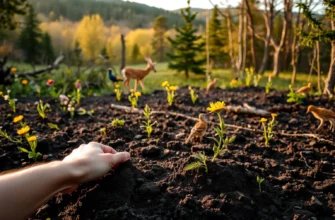
A rewild safari represents a fundamental departure from traditional “observe and leave” tourism, focusing instead on the active restoration of missing ecological links. Unlike standard wildlife tours that often confine animals to managed enclosures, these experiences invite travelers into landscapes where natural processes are being intentionally unleashed to manage themselves.
The Philosophy of Rewilding Europe Travel
The core philosophy of rewilding travel across the European continent centers on a shift from human-dominated landscapes to areas where nature takes the driver’s seat. This movement rejects the idea of “gardening” nature, opting instead to reintroduce keystone species that trigger trophic cascades, which essentially means one species’ presence benefits dozens of others.
In many of these regions, tourism serves as the primary financial engine for the return of apex predators like the Iberian lynx or massive herbivores such as the European bison. By booking a rewilding-focused tour, travelers provide the economic justification for local communities to replace extractive industries like intensive logging or overgrazing with regenerative ecotourism. This creates an ecological balance where biodiversity flourishes because the economic incentives finally align with the health of the land.
Top Rewilding Areas and Tours Across Continental Europe
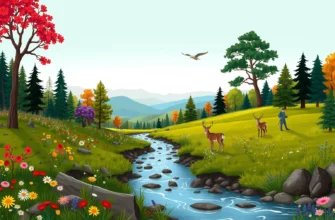
Continental Europe is currently witnessing an unprecedented ecological renaissance, with vast tracts of land being surrendered back to the wild. From the abandoned terraces of Portugal to the reclaimed polders of the Netherlands, these areas offer a glimpse into a future where wildlife corridors connect fragmented habitats across national borders.
| Destination | Key Species | Experience Type | Ecological Impact |
|---|---|---|---|
| Coa Valley, Portugal | Sorraia Horses, Tauros, Vultures | Luxury Safari / Photography | Restoring Mediterranean scrubland via natural grazing. |
| Dutch Delta, Netherlands | Konik Horses, Beavers, Sea Eagles | Water-based / Hiking | Natural flood management and wetland restoration. |
| Central Apennines, Italy | Marsican Brown Bear, Wolves | Mountain Trekking / Tracking | Connecting protected areas for large carnivore migration. |
| Southern Carpathians, Romania | European Bison, Lynx | Wilderness Immersion | Carbon sequestration through forest regeneration. |
The Coa Valley and Iberia: A Mediterranean Renaissance
The Coa Valley in Portugal serves as a flagship for Rewilding Europe’s Iberia projects, proving that abandoned agricultural land can become a sanctuary for biodiversity. This region has seen a massive shift as local landowners realize that restoring the landscape attracts higher-value tourism than traditional farming.
One of the most innovative examples is the Altano Douro 2020 rewilding initiative, which integrates sustainable viticulture with habitat restoration. By allowing natural vegetation to return between vineyards, producers have noticed a significant increase in beneficial insects and birds, which naturally manage pests without the need for heavy chemical intervention. Travelers visiting this area can witness how the reintroduction of semi-wild herbivores like the Tauros helps prevent devastating wildfires by reducing the “fuel load” of overgrown dry scrub.
The Netherlands: Ark Rewilding and the Dutch Delta
The Netherlands might be one of the most densely populated countries on earth, but the Ark Rewilding Netherlands initiative has turned the Dutch Delta into a masterclass in ecological resilience. Here, the focus is on “Room for the River,” a strategy that uses natural floodplains instead of concrete dams to manage rising water levels.
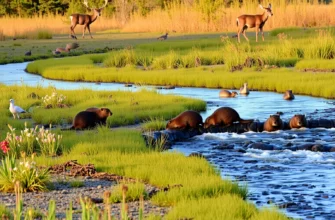
In areas like the Millingerwaard, visitors can observe Konik horses and Tauros living in completely unmanaged herds. These animals are not livestock; they are ecological tools. Their grazing habits create a “mosaic landscape” of short grass, thorny scrub, and young woodland, which provides a much wider variety of niches for rare plants and insects than a neatly mowed field ever could. Observing these animals in their natural state offers a profound lesson in how nature can thrive even in the shadows of major industrial hubs.
Rewilding the British Isles: From Knepp Estate to the Scottish Highlands
Rewilding in the UK has moved from a fringe concept to a mainstream environmental strategy, driven by the desperate need to reverse the country’s status as one of the most nature-depleted nations on Earth. The contrast between the lowland restoration projects in Sussex and the rugged, large-scale wilderness of the Scottish Highlands provides a diverse spectrum of experiences for the eco-conscious traveler.
Knepp Estate: The Benchmark for UK Rewilding Safaris
The Knepp Estate in West Sussex is often cited as the gold standard for what is possible when intensive “industrial” farming is abandoned in favor of wilding. Spanning 3,500 acres, this former dairy farm has become a hotspot for species that have nearly vanished from the English countryside.
- Camping and Glamping: Knepp offers a range of high-end safaris, allowing guests to stay in yurts or shepherd huts located directly within the rewilding zones.
- Nightingales and Butterflies: The estate is now one of the few places in the UK where the song of the nightingale is common, and it hosts the country’s largest population of the rare purple emperor butterfly.
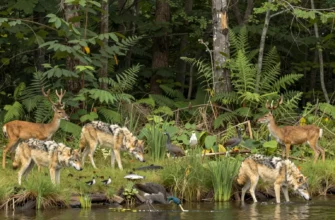
- Natural Grazing: Red deer, fallow deer, Exmoor ponies, and Tamworth pigs roam freely, acting as proxies for extinct ancient megafauna to disturb the soil and promote seed dispersal.
- Strategic Location: For those looking for a rewilding area near Horsham, Knepp provides an accessible escape from London that feels worlds away from urban life.
Wildlife Adventures in the Scottish Highlands
In the north, the scale of rewilding shifts toward the restoration of the Great Caledonian Forest. Programs like Earthwatch’s rewilding the Scottish Highlands focus on citizen science, where travelers help monitor the health of newly planted saplings and track the return of pine martens and red squirrels.
Organizations like The Big Picture offer rewilding retreats that go beyond simple sightseeing. These retreats are designed to reconnect the human psyche with the wild through immersive tracking and ecological education. By participating in these wildlife adventures, travelers contribute to the long-term goal of creating a “Big Picture” corridor where species like the European beaver can once again play their role as ecosystem engineers, filtering water and creating wetlands that mitigate the effects of climate change.
Luxury Meets Nature: Best Rewilding Retreats and Glamping
The “Rewild” lifestyle brand has successfully bridged the gap between rugged conservation and high-end hospitality. Modern travelers are increasingly seeking “nature-positive” stays where their presence actively contributes to the restoration of the surrounding environment, rather than just minimizing damage.
- Site Integration: Structures are designed to sit on “light footprints,” often elevated on stilts to allow wildlife to pass underneath without obstruction.
- Circular Economies: Many retreats now use closed-loop water filtration systems that create new pond habitats for amphibians while processing guest waste.
- Educational Luxury: Instead of traditional concierges, these stays often employ resident ecologists who provide deep-dive tours into the local flora and fauna.
- Micro-Living: The rise of tiny homes allows for placement in sensitive areas without the need for permanent foundations or heavy infrastructure.
Riverside Glamping and Treehouse Escapes
Treehouse stays have evolved into sophisticated architectural marvels that offer total immersion in the forest canopy. For instance, the rewild things treehouses in Gloucester have gained significant acclaim for their minimalist design that maximizes views of the surrounding woodland. These stays are often located within private rewilding projects where the revenue from guests is used to purchase adjacent land for further restoration.
Similarly, rewild river side glamping offers a unique perspective on riparian ecosystems. Staying near a river that is being “rewiggled”—the process of removing man-made embankments to allow a river to find its natural course—provides a front-row seat to the return of kingfishers, otters, and dragonflies. These sites emphasize the “slow travel” movement, encouraging guests to spend days observing the subtle changes in the landscape.
The Rise of Rewild Tiny Homes
The tiny home movement has found a natural partner in the rewilding community. In Nanaimo and across the Pacific Northwest, rewild tiny homes are being marketed not just as housing, but as a philosophical commitment to living with less impact. These homes are designed for off-grid capability, featuring advanced solar arrays and composting systems.
For those looking at rewild tiny homes for sale, the appeal lies in the ability to place a high-quality dwelling in a wild setting without permanently scarring the land. This modular approach to living is becoming a cornerstone of the regenerative travel movement, allowing for temporary “pop-up” retreats in areas undergoing ecological recovery, which can then be removed once the ecosystem reaches a level of maturity that requires less human intervention.
Global Rewilding: Patagonia, Argentina, and the Americas
While Europe focuses on the restoration of cultural landscapes, rewilding in the Americas often happens on a staggering geographic scale. From the transcontinental corridors of the north to the coastal marine parks of the south, these projects are essential for the survival of large carnivores that require thousands of square miles to roam.
Rewilding Argentina: Voluntariado and Coastal Restoration
In Argentina, the rewilding movement has achieved legendary status through the work of the Rewilding Argentina foundation. Their Patagonia Azul project is a massive effort to protect and restore the marine ecosystems of the Atlantic coast. This isn’t just about land; it’s about the “blue carbon” stored in kelp forests and the protection of breeding grounds for penguins and sea lions.
For those who want to get their hands dirty, the rewilding argentina voluntariado (volunteering) program offers a rare chance to work alongside biologists. Volunteers might assist in the reintroduction of giant otters or the monitoring of newly released jaguars in the Iberá wetlands. This level of involvement provides a “behind the scenes” look at the logistical complexity of species reintroduction, from genetic screening to the construction of pre-release enclosures.
The North American Corridor: Yukon to Yellowstone
The Yukon to Yellowstone (Y2Y) initiative is perhaps the most ambitious rewilding project in the world. Its goal is to create a continuous 2,000-mile wildlife corridor that allows animals like grizzly bears and wolves to migrate safely across the spine of the Rocky Mountains.
Travelers can visit specific “nodes” within this corridor, such as the American Prairie in Montana or various national parks in the Canadian Rockies. The focus here is on removing internal fencing and building wildlife overpasses over major highways. These structures are critical because they prevent “genetic islanding,” ensuring that isolated populations can interbreed and maintain the resilience needed to survive changing climate conditions.
How to Get Involved: Rewilding Courses and Wolf Experiences
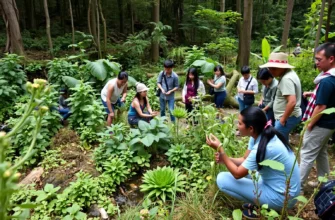
If a simple tour isn’t enough, there are numerous ways to transition from a passive observer to an active participant in the rewilding movement. Education is the bridge that turns vacationers into advocates and land managers.
- Identify Your Goal: Decide if you want a professional certification for land management or a personal enrichment experience.
- Check the Credentials: Ensure the course is led by accredited ecologists or practitioners with proven track records in successful habitat restoration.
- Location Matters: Choose a course that focuses on the ecosystem you are most likely to work in or visit frequently (e.g., temperate rainforest vs. Mediterranean scrub).
- Hands-on Component: Look for programs that include practical field work, such as soil sampling, species ID, or fence removal.
Rewilding Courses: From London to the Wilderness
For urban dwellers, taking a rewilding course in London might seem counterintuitive, but these programs often focus on “urban rewilding” and the creation of pollinator corridors in city environments. These evening or weekend courses provide the foundational theory of ecology without requiring a trip to the Highlands.
However, for those seeking a career change or a deep dive, immersive rewilding courses across the UK provide intensive training in “holistic planned grazing” and ecosystem monitoring. These residential programs often take place on active rewilding sites, allowing students to see the direct results of different management strategies in real-time.
The Thrill of the Wild: Wolf Encounters and Specialist Sites
For many, the ultimate rewilding experience involves a face-to-face encounter with a keystone predator. Specialist retreats offer “wolf experiences” that focus on dispelling myths about these animals while highlighting their role in forest health. These are not petting zoos; they are educational facilities where the wolves are kept in large, naturalistic enclosures that mimic their wild habitat.
Furthermore, sites like the Zoo de Pont Scorff (now being transitioned into a rewilding center) and specialized exhibits at Whipsnade are changing the role of zoos. They are moving toward “rewilding hubs” where animals are bred specifically for reintroduction into the wild. Visiting these sites allows travelers to see the “nursery” phase of rewilding, where species like the European bison are prepared for life in the Carpathian mountains or the Dutch delta.
Expert Perspective: The Ethics of Rewilding Tourism
In my professional experience as a conservation biologist, I have seen both the incredible benefits and the potential pitfalls of rewilding tourism. The “observer effect” is a real phenomenon; the mere presence of humans can alter animal behavior, potentially disrupting hunting patterns or causing stress during breeding seasons. To ensure your rewild safari is truly nature-positive, I always advise travelers to look for operators who prioritize “low-impact viewing.” This means using high-quality optics from a distance rather than pushing for a close-up photo. The gold standard of rewilding travel is the “leave no trace” principle applied to the soundscape and the soil—if the animals don’t change their behavior because you are there, you are doing it right. Always ask your guide about their specific protocols for minimizing disturbance to sensitive keystone species.
Frequently Asked Questions
Spring (April to June) is ideal for witnessing the rebirth of birdlife and wildflowers in the Coa Valley, while autumn (September to October) offers the dramatic experience of the deer rut in the UK and the changing colors of the Carpathian forests.
Can I volunteer for rewilding projects in Argentina?
Yes, the Rewilding Argentina foundation offers voluntariado programs where participants can assist in the monitoring and reintroduction of species like the giant otter, jaguar, and red-and-green macaw in the Iberá wetlands and Patagonia Azul.
Are rewilding retreats suitable for families?
Many are, particularly sites like Knepp Estate in the UK which offers family-friendly camping and educational safaris, or Whipsnade Zoo where children can learn about the rewilding process through interactive exhibits and species-specific talks.
What should I pack for a rewild nature immersion trip?
Prioritize high-quality binoculars for long-distance viewing, durable weather-appropriate layers (earth tones are best to blend in), waterproof footwear, and strictly eco-friendly, biodegradable toiletries to protect local water sources.
Where can I take a rewilding course in the UK?
Specific hubs include London-based evening classes for urban theory, while immersive residential courses are offered by organizations in Devon, the Scottish Highlands, and at the Knepp Estate in Sussex.
How does rewilding travel differ from traditional eco-tourism?
Traditional eco-tourism usually focuses on visiting existing pristine sites, whereas rewilding travel specifically supports the active restoration of degraded landscapes and the reintroduction of missing species to rebuild a self-sustaining ecosystem.