- Top-Rated Gyms with Cold Plunge in NYC: Where to Chill in the City
- Manhattan and Brooklyn’s Premier Recovery Hubs
- How to Prepare for Your First Cold Water Immersion
- Texas Heat and Ice: Finding a Cold Plunge in Houston, Austin, and Dallas
- Austin’s Biohacking Centers vs. Houston’s Athletic Clubs
- Where Can I Get a Cold Plunge in Brownwood, TX?
- California Recovery: Best Spots in Los Angeles and San Diego
- Coastal Chill: San Diego’s Top Recovery Gyms
- Common Myths About Cold Plunging
- From Florida to the Midwest: Miami, Stuart, Chicago, and Phoenix
- Florida’s Recovery Scene: Miami and Stuart Options
- Cold Plunging in the Cold: Chicago and Phoenix Highlights
- International Ice: Cold Plunge Facilities in London and Toronto
- London’s Boutique Wellness Revolution
- Combining Modalities: Mat Pilates and Cold Plunge Benefits
- The Perfect Pair: Core Strength and Cold Recovery
- Quick Reference: Comparing Gym Plunge Types
- Expert Perspective: Athletic Recovery
- Frequently Asked Questions
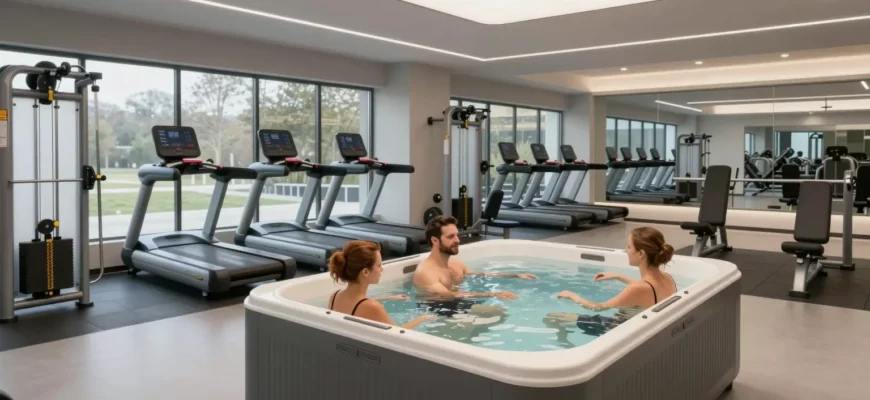
Top-Rated Gyms with Cold Plunge in NYC: Where to Chill in the City
The New York City fitness landscape has undergone a radical transformation, shifting from gritty, basement-level weight rooms to high-tech recovery sanctuaries. In Manhattan and Brooklyn, the “grind” culture is being balanced by a sophisticated interest in contrast therapy, where members oscillate between infrared saunas and ice-cold baths to reset their nervous systems.
Whether you are navigating the high-end clubs of the Flatiron District or the industrial-chic studios of Williamsburg, the demand for cold water immersion has never been higher. This trend is driven by a local population that views recovery as a competitive advantage, using these facilities to manage the high-stress environment of the city while maintaining peak physical performance.
Manhattan and Brooklyn’s Premier Recovery Hubs
Manhattan’s luxury fitness scene is currently dominated by clubs that treat recovery with the same intensity as a HIIT workout. Facilities like Remedy Place in Chelsea or the high-tier Equinox locations (particularly Hudson Yards) have moved beyond simple locker room amenities, offering dedicated “social wellness” spaces. These environments allow members to experience medically-supervised cold plunges alongside peers, turning what was once a solitary, grueling task into a community event that helps define the modern NYC wellness scene.
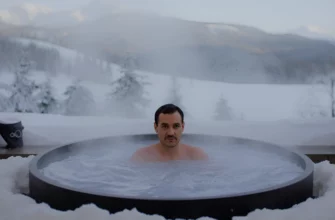
In Brooklyn, the focus often shifts toward a more holistic, boutique experience. Studios in neighborhoods like Greenpoint and Williamsburg frequently integrate cold tubs into a broader “bathhouse” culture. These spots emphasize how to reduce inflammation through a precise rotation of heat, cold, and rest. By utilizing filtered, temperature-controlled tubs that stay consistently below 50°F, these hubs provide a level of consistency that a homemade ice bath simply cannot match, ensuring the physiological benefits are realized in every session.
How to Prepare for Your First Cold Water Immersion
Stepping into a cold plunge for the first time can be a shock to the system, both physically and mentally. Proper preparation is the difference between a panicked exit and a controlled, therapeutic experience that leaves you feeling invigorated.
Understanding the physiological response—often called the “cold shock response”—is essential for anyone looking to make this a permanent part of their routine. By following a structured approach, you can minimize the risk of hyperventilation and maximize the release of norepinephrine, which is responsible for the intense mental clarity many users report.
- Master your breathing before entry: Spend two minutes practicing “box breathing” (inhale for 4, hold for 4, exhale for 4, hold for 4) to stabilize your heart rate before your skin touches the water.
- Start with a manageable duration: For your first time, aim for 60 to 90 seconds; you do not need to stay in for ten minutes to see results, as most metabolic benefits occur within the first three minutes.
- Control your breath during the shock: As you submerge, your body will naturally want to take short, sharp gasps; consciously force a long, slow exhale to signal to your brain that you are safe.
- Enter up to the neck: To trigger the full systemic response, ensure the water covers your chest, but keep your hands out of the water if the pain becomes too intense, as extremities lose heat the fastest.
- Stay safe after a cold plunge: Do not jump immediately into a hot shower; instead, allow your body to warm up naturally through movement or “horse stance” exercises to prevent afterdrop, where core temperatures continue to fall even after exiting the water.
Texas Heat and Ice: Finding a Cold Plunge in Houston, Austin, and Dallas
In the sweltering heat of a Texas summer, cold water immersion is more than a recovery trend; it is a vital tool for thermoregulation. The fitness communities in Austin, Houston, and Dallas have embraced “the chill” as a necessary counterpoint to both high-intensity training and the external climate.
Texas fitness trends are increasingly leaning toward “biohacking” centers where data-driven recovery is the priority. In these cities, you will find a distinct split between high-performance athletic centers focused on muscle repair and power output, and community-driven wellness spots that focus on the mental health benefits of the cold.
Austin’s Biohacking Centers vs. Houston’s Athletic Clubs
Austin has solidified its reputation as the biohacking capital of the South. Facilities here often prioritize the hormetic stress response, offering cold plunges alongside red-light therapy and hyperbaric oxygen chambers. These centers are designed for the “optimized human,” where the goal of recovery after a workout is to increase mitochondrial density and improve sleep quality through nervous system regulation.
Houston and Dallas, by contrast, tend to integrate cold tubs into massive, high-performance training centers. These gyms cater to professional athletes and serious amateurs who use cold water to flush metabolic waste from the limbs after heavy lifting or endurance sessions. In these metropolitan hubs, the cold plunge is often a massive, industrial-grade stainless steel tank capable of maintaining 39°F even when the outside temperature exceeds 100°F.
Where Can I Get a Cold Plunge in Brownwood, TX?
Finding specialized recovery equipment in smaller municipalities like Brownwood requires a bit more detective work than in the big cities. While a dedicated “cold plunge studio” might not exist on every corner, the small town wellness movement is growing through physical therapy clinics and specialized CrossFit boxes.
If a traditional gym doesn’t offer a tub, look for local recovery options such as sports massage therapists or chiropractic offices that have recently added cryotherapy or contrast tubs to their service menus. Often, these local hubs serve as the primary resource for high school athletes and local fitness enthusiasts who need professional-grade recovery without driving to a major metro area.
California Recovery: Best Spots in Los Angeles and San Diego
California has long been the epicenter of fitness innovation, and the integration of cold water therapy into the SoCal fitness lifestyle is seamless. In Los Angeles and San Diego, the focus is often on the aesthetic and mental “glow” that follows a plunge, with many facilities taking advantage of the climate to offer outdoor recovery suites.
The “West Coast vibe” combines high-tech biometric tracking with a laid-back, aspirational atmosphere. It is common to see members checking their heart rate variability (HRV) on their wearable devices before and after a soak, looking for objective proof that the benefits of cold water are manifesting in their recovery data.
Coastal Chill: San Diego’s Top Recovery Gyms
San Diego gyms often utilize the city’s natural affinity for the water by placing their cold tubs in outdoor patios or rooftop decks. This allows for a unique experience where you can watch the Pacific while submerged in 45-degree water. These gyms focus on the “blue mind” philosophy, suggesting that being near or in water significantly reduces cortisol levels.
Many San Diego facilities also offer “guided plunges,” where a coach leads a group through breathing exercises. This is particularly popular among the local surfing and triathlon communities, who use the cold to toughen the vascular system and prepare for the fluctuating temperatures of the open ocean. The emphasis here is on longevity and maintaining the ability to stay active in the sun and surf for decades.
Common Myths About Cold Plunging
With the explosion in popularity of ice baths, several misconceptions have taken root in the fitness community. Separating fact from fiction is vital for anyone who wants to use this modality effectively without hindering their progress.
Myth: Colder water always equals better results.
Fact: Research shows that the benefits of cold water immersion plateau once you reach a certain temperature. Staying in 35°F water isn’t necessarily twice as effective as 50°F; the key is the “cold shock” and the duration. For most, 50°F to 55°F is the “sweet spot” for metabolic and mental benefits without excessive risk of tissue damage.
Myth: You should always cold plunge immediately after lifting weights.
Fact: If your primary goal is hypertrophy (muscle growth), plunging immediately after a session can actually be counterproductive. The cold blunts the natural inflammatory response needed for muscle protein synthesis. It is better to wait at least 4 to 6 hours after a heavy lifting session or save the plunge for cardio and active recovery days.
From Florida to the Midwest: Miami, Stuart, Chicago, and Phoenix
The geography of the United States dictates how people use cold therapy. From the humid coastal towns of Florida to the freezing winters of Chicago, the “why” behind the plunge changes based on local environmental stressors.
In high-heat regions, the cold plunge is a relief from the external environment, while in colder climates, it is often used as a controlled way to build “brown fat” and improve metabolic health during the sedentary winter months. Each region has developed its own unique subculture around the practice.
Florida’s Recovery Scene: Miami and Stuart Options
Florida wellness is often synonymous with luxury and “bio-optimization.” In Miami, you will find cold plunges in high-end hotel gyms and members-only clubs where the water is infused with ozone or minerals for skin health. These facilities are designed to help members stay cool in the humidity while providing a sharp metabolic boost that counteracts the lethargy often caused by the heat.
In Stuart, Florida, a growing number of boutique gyms are catering to a more athletic, local demographic. These spots emphasize joint health and circulatory efficiency, which are crucial for the active retirement and water-sports communities in the area. By offering accessible cold therapy, these gyms are helping residents maintain high activity levels despite the taxing Florida climate.
Cold Plunging in the Cold: Chicago and Phoenix Highlights
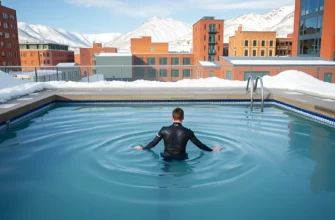
Chicago presents an interesting use case for cold therapy. During the brutal winters, indoor recovery facilities become essential “third spaces” for fitness enthusiasts. These gyms provide a controlled environment for thermal stress, allowing members to reap the benefits of the cold without the dangers of unregulated exposure to the elements. The focus here is often on combating Seasonal Affective Disorder (SAD) by triggering the massive dopamine release associated with cold immersion.
Phoenix, much like Texas, relies on cold plunges for managing heat stress. Local gyms often market their cold tubs as “essential cooling stations” for athletes who train in the desert heat. By lowering the core body temperature rapidly post-workout, these facilities help prevent heat exhaustion and allow for faster return-to-play for local sports teams and endurance runners.
International Ice: Cold Plunge Facilities in London and Toronto
The “Social Wellness” revolution is a global phenomenon. In major international hubs like London and Toronto, the traditional “gym and a shower” model is being replaced by “gym, plunge, and social” models, where the recovery area is the main attraction.
These cities have some of the most advanced UK fitness trends and Canadian wellness standards, often leading the way in how commercial facilities manage water hygiene and member experience in a high-volume setting.
London’s Boutique Wellness Revolution
London recovery studios are currently seeing a surge in “social plunge clubs.” These are facilities where you can book a 60-minute circuit that includes a sauna, a cold tub, and a lounge area for herbal tea. High-end London health clubs are now installing individual cold pods to give members privacy while they undergo their “minute of misery.” This shift reflects a broader trend toward functional longevity among London’s professional class, who use the cold to sharpen their cognitive focus for the workday.
Combining Modalities: Mat Pilates and Cold Plunge Benefits
One of the most interesting emerging trends is the pairing of low-impact, core-intensive workouts like Mat Pilates with immediate or delayed cold therapy. This combination addresses both the structural and physiological needs of the body, creating a comprehensive wellness routine.
While Pilates focuses on lengthening and strengthening the “powerhouse” (the core), the cold plunge acts as a systemic reset. Together, they provide a powerful toolset for improving flexibility and ensuring the body remains resilient against the wear and tear of daily life.
The Perfect Pair: Core Strength and Cold Recovery
Practitioners of Mat Pilates often find that the deep, eccentric muscle contractions lead to a specific type of delayed onset muscle soreness (DOMS). Using a cold plunge after a session is highly effective at soothing sore muscles and reducing the “heavy” feeling in the limbs. Furthermore, the breathwork required in Pilates translates perfectly to the cold plunge; the ability to maintain a stable core and a calm breath makes the initial shock of the water much easier to manage.
Finding studios that offer both services is becoming easier as wellness centers move toward a holistic “one-stop-shop” model. This allows athletes to move directly from a core-strengthening session into a recovery tub, maximizing the efficiency of their time and ensuring they leave the facility feeling both strong and refreshed.
Quick Reference: Comparing Gym Plunge Types
Not all cold plunges are created equal. Depending on the gym you visit, you may encounter different setups that offer varying levels of temperature control and comfort. Understanding these differences can help you set realistic expectations for your recovery session.
| Plunge Type | Typical Temp | Best For… | User Experience |
|---|---|---|---|
| Stainless Steel Tubs | 39°F ― 45°F | Serious athletes | Industrial, very cold, consistent. |
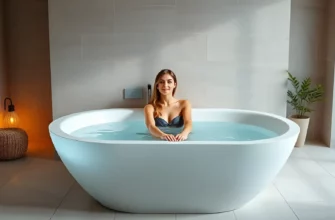
| Individual Pods | 45°F ⏤ 55°F | Privacy & hygiene | Sleek, often filtered with ozone. |
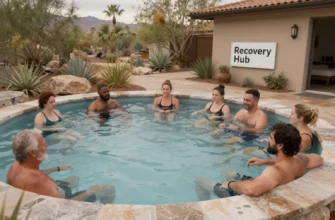
| Communal Pools | 50°F ― 60°F | Social wellness | Less intense, better for beginners. |
| Converted Chest Freezers | 34°F ⏤ 40°F | Extreme biohacking | DIY feel, extremely cold, found in niche gyms. |
Expert Perspective: Athletic Recovery
In my professional experience working with both elite athletes and weekend warriors, I have found that the biggest mistake people make is chasing the lowest temperature possible. I always advise my clients that consistency and total weekly volume matter more than extreme cold. The “minimum effective dose” for metabolic and immune benefits is approximately 11 minutes of cold exposure per week, spread across 3 to 4 sessions. You don’t need to suffer in 34-degree water to see a change in your HRV or inflammatory markers; a steady 50-degree plunge practiced regularly will yield superior long-term results without the unnecessary stress on the heart.
Frequently Asked Questions
For most users, 2 to 5 minutes is the ideal duration. Benefits like norepinephrine release and reduced inflammation peak early, and staying in longer increases the risk of hypothermia without significant added gains.
Should I cold plunge before or after my workout?
Cold plunging after a workout is best for inflammation and recovery. However, if you are training for maximum muscle size (hypertrophy), wait at least 4 hours after lifting to avoid blunting the muscle-building response.
Are there gyms with cold plunges in smaller cities like Brownwood or Mahwah?
While “big-box” gyms in smaller cities may not have them yet, look for specialized physical therapy centers or high-end CrossFit boxes, as these facilities are often the first to adopt professional recovery equipment.
What should I wear for a cold plunge at a public gym?
Standard swimwear is the most appropriate choice. Always check the gym’s specific hygiene rules, as most require a full rinse shower before entry to keep the filtration system clean.
Can I find Mat Pilates and cold plunge facilities in the same building?
Yes, this is a growing trend in “Social Wellness” clubs. These facilities focus on holistic health, combining low-impact strength training with high-end recovery modalities under one roof.
What is the typical temperature for a gym cold plunge?
Most commercial facilities maintain a temperature between 45°F and 55°F (7°C – 13°C). This range is considered safe for the general public while still being cold enough to trigger a therapeutic response.