- Understanding the Scope of Rewilding in the US Today
- A Summary of Rewilding North America: Past and Future
- Mapping the Future: Land Capable of Being Rewilded in the US
- Identifying Prime Rewilding Land in the US
- The Grizzly Question: Reintroducing Apex Predators to Arizona
- Would Rewilding Grizzly Bears Help the Land in Arizona?
- The Economic Impact of Rewilding the United States
- Quantifying the Rewilding Economic Benefits in the US
- Navigating the Controversy: Why Some Oppose Rewilding America
- Common Quotes Against Rewilding and Critical Perspectives
- The Human Element: Connecting American Children with the Wild
- Rewilding America: Getting the Child Outside
- Expert Perspective: The Balance of Restoration
- Frequently Asked Questions
Understanding the Scope of Rewilding in the US Today
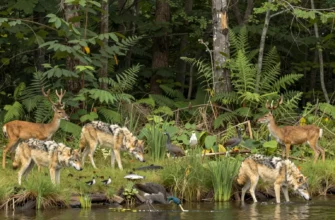
Rewilding in the United States represents a shift from traditional conservation toward a more dynamic, self-sustaining approach to land management. Unlike static preservation, which seeks to freeze an ecosystem in a specific historical moment, rewilding focuses on restoring natural processes and allowing nature to take the driver’s seat.
This movement is gaining massive traction as we realize that simply “protecting” isolated pockets of land isn’t enough to stop the collapse of biodiversity. By focusing on large-scale connectivity and the return of functional ecosystems, proponents of the American rewilding project aim to create a landscape that is resilient enough to withstand the pressures of a changing climate.
A Summary of Rewilding North America: Past and Future
The philosophical foundation of this movement is often traced back to the concept of Rewilding North America summary, which emphasizes the “Three Cs”: Cores, Corridors, and Carnivores. Cores refer to large, strictly protected wilderness areas where nature can operate without human interference. To be effective, these core areas must be at least 100,000 acres to support wide-ranging species and natural disturbance regimes like fire and floods.
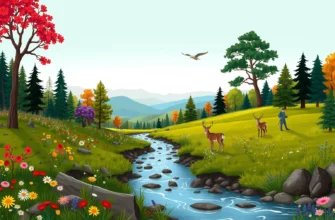
Corridors are the vital links that connect these cores, allowing animals to migrate, find mates, and shift their ranges as environmental conditions change. Without habitat connectivity, populations become “islandized,” leading to genetic bottlenecks and local extinctions; The vision for the future involves knitting together fragmented landscapes into continental-scale wildways, such as the Western Wildway that stretches from Mexico to the Yukon.
The final “C,” Carnivores, addresses the need for apex predators to regulate ecosystems through trophic cascades. When top predators are missing, herbivore populations explode, overgrazing vegetation and causing a ripple effect that harms birds, insects, and water quality. By reintroducing these keystone species, we can trigger a biological chain reaction that heals the entire food web from the top down.
Mapping the Future: Land Capable of Being Rewilded in the US
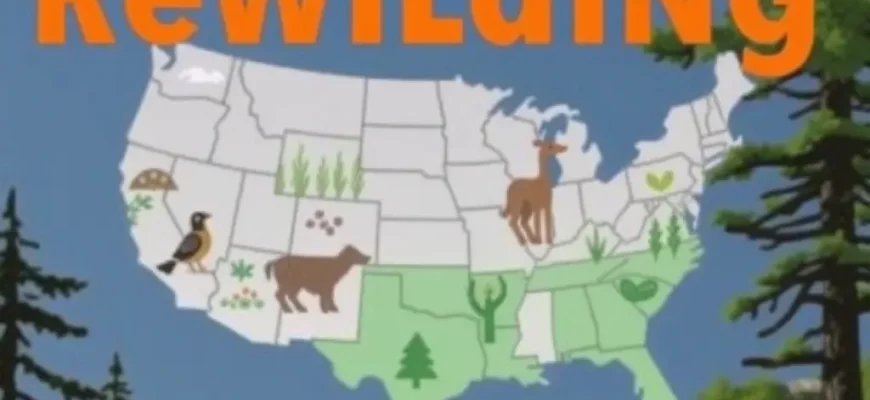
Identifying where rewilding can actually happen requires a sophisticated look at the rewilding of america map. Researchers look for areas with low human population density, high existing biodiversity, and proximity to existing protected lands. The goal is to find land capable of being rewilded in the us that offers the highest ecological return on investment with the least amount of social friction.
While federal lands in the West offer the most immediate opportunities, the future of the movement also lies in the “rewilding of the East.” In regions like the Adirondacks and the Southern Appalachians, abandoned agricultural lands and recovering forests are primed for restoration if we can establish permanent wildlife corridors across private property boundaries;
| Region | Rewilding Potential | Primary Challenge |
|---|---|---|
| Great Plains | High: Potential for massive bison commons and grassland restoration. | Fragmented private ownership and agricultural subsidies. |
| Intermountain West | Very High: Large blocks of existing federal land (BLM and Forest Service). | Conflicts with livestock grazing permits and mining interests. |
| Appalachia | Medium: High biodiversity but heavily fragmented by roads and development; | High density of private land requiring conservation easements. |
| Florida/Gulf Coast | High: Critical for species like the Florida panther. | Rapid urban sprawl and rising sea levels threatening coastal cores. |
Identifying Prime Rewilding Land in the US
The most promising areas for large-scale restoration are often underutilized federal lands managed by the Bureau of Land Management (BLM). These vast stretches of the West are frequently leased for pennies on the dollar for cattle grazing, a practice that often degrades the soil and displaces native wildlife. Retiring these grazing allotments and repurposing them for wildlife habitat could instantly create millions of acres of “de facto” wilderness.
Mapping projects are also highlighting the importance of “working landscapes”—farms and ranches that incorporate wildlife-friendly practices. By using the rewilding of america map as a guide, conservationists can target specific parcels for purchase or easements that bridge the gap between two disconnected national forests, effectively doubling the usable habitat for species like elk and wolverines.
The Grizzly Question: Reintroducing Apex Predators to Arizona
The idea of grizzly bears returning to the Mogollon Rim or the Sky Islands of Arizona sparks intense debate. Historically, the Mexican grizzly bear roamed as far south as Mexico City, playing a vital role in the Southwestern ecosystem before being hunted to extinction in the 20th century. Today, asking what would rewilding grizzly bears in arizona result in is no longer just a theoretical exercise for biologists.
Ecologically, the return of the grizzly would be transformative. These bears are “ecosystem engineers”; their habit of digging for bulbs and insects aerates the soil, and their nutrient-rich scat acts as a high-potency fertilizer for native flora. However, the social and logistical hurdles of placing a 600-pound predator near growing Sun Belt communities cannot be ignored.
Myth: Grizzly bears will decimate Arizona’s elk and deer populations, leaving nothing for hunters.
Fact: Grizzlies are omnivores; up to 90% of their diet consists of plants, berries, and insects. While they do prey on calves, their primary impact is moving herds around, which prevents overgrazing of riparian areas and actually improves overall herd health.
Would Rewilding Grizzly Bears Help the Land in Arizona?
The answer to “will rewilding grizzly bears help the land in arizona” is a resounding yes from a biological perspective. Grizzlies facilitate a process called “nutrient cycling.” By catching fish in streams or scavenging carcasses, they transport nitrogen and phosphorus deep into the forest, boosting the growth rates of trees and shrubs by up to 25% in some studied areas. This creates denser cover for nesting birds and more robust habitats for smaller mammals.
Furthermore, the presence of grizzlies creates a “landscape of fear.” This doesn’t mean the woods become a horror movie, but rather that herbivores like cattle and deer become more vigilant. They spend less time lingering in sensitive creek beds, which allows willows and cottonwoods to regrow, stabilizing banks and cooling water temperatures for endangered trout. The result is a more complex, resilient ecosystem that can better handle the intense droughts common in the Southwest.
The Economic Impact of Rewilding the United States
Rewilding is often criticized as an economic drain, but the data suggests the opposite. We are seeing a shift from “extractive economies” (mining, logging) to “restorative economies.” In many rural parts of the US, wildlife-watching and outdoor recreation now generate significantly more tax revenue than the traditional industries they replaced.
When we look at the rewilding economic impact united states, we must also account for “ecosystem services.” These are the free benefits nature provides, such as clean water, carbon storage, and natural flood control. A healthy, rewilded wetland can store millions of gallons of storm runoff, potentially saving downstream cities billions in infrastructure damage during extreme weather events.
| Economic Factor | Traditional Land Use | Rewilded Land Use |
|---|---|---|
| Revenue Source | Timber sales, grazing fees, mining royalties. | Eco-tourism, carbon credits, hunting/fishing tags. |
| Job Growth | Boom-and-bust cycles based on commodity prices. | Steady growth in service, guiding, and restoration tech. |
| Infrastructure | High maintenance costs for logging roads and dams. | Lower costs; focus on natural flood and fire mitigation. |
| Property Value | Often lowered by industrial proximity. | Increases by 15-30% for land adjacent to wild areas; |
Quantifying the Rewilding Economic Benefits in the US
In the Yellowstone region, the reintroduction of wolves alone has been estimated to bring in over $35 million in annual tourist spending. This isn’t just “feel-good” money; it supports hotels, restaurants, and outfitters in small towns that were previously struggling. The rewilding economic benefits united states extend to the American Prairie Reserve in Montana, where private investment in bison restoration is creating a “National Park-scale” destination on land that was formerly marginal for cattle ranching.
Beyond tourism, rewilding offers a massive opportunity for carbon sequestration. Restored grasslands and old-growth forests are among the most effective carbon sinks on the planet. By rewilding millions of acres, the US could offset a significant portion of its industrial emissions while simultaneously creating a new market for “biodiversity credits” that corporations can purchase to meet their ESG (Environmental, Social, and Governance) goals.
Navigating the Controversy: Why Some Oppose Rewilding America
Despite the ecological and economic arguments, rewilding faces stiff opposition. For many ranchers and rural landowners, the movement feels like an assault on their way of life. The fear of predators killing livestock and the potential for new land-use regulations creates a climate of deep mistrust between local communities and conservation organizations.
Critics also argue that rewilding is a form of “ecological colonialism,” where urban elites dictate how rural people should live. This sentiment is often captured in quotes against rewilding that highlight the loss of human agency over the land. To move forward, rewilding initiatives must incorporate local knowledge and ensure that those living closest to the wild are the ones who benefit most from its return.
Common Quotes Against Rewilding and Critical Perspectives
A frequent point of contention involves the perceived role of international bodies. Skeptics often point to the United Nations rewilding america connection, specifically the “30×30” initiative which aims to protect 30% of the Earth’s land and water by 2030. Some see this as a globalist land grab that threatens private property rights and national sovereignty, a theme frequently explored in alternative media outlets like dissidentvoice.org.
Ranchers often argue that they are the original “stewards of the land” and that rewilding ignores the benefits of managed grazing. They point out that without human management, some landscapes could become overgrown, leading to catastrophic wildfires. These perspectives emphasize that “wild” doesn’t always mean “healthy,” and that a balance must be struck between human utility and biological integrity to avoid a total breakdown in community relations.
The Human Element: Connecting American Children with the Wild
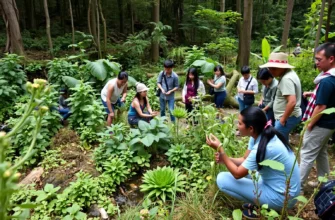
Rewilding isn’t just about bears and trees; it’s about the human spirit. In an era where the average American child spends less than ten minutes a day in unstructured outdoor play, the “rewilding america child outside” movement is more critical than ever. We are facing a generation suffering from what researchers call Nature Deficit Disorder, linked to rising rates of anxiety, obesity, and attention disorders.
By bringing wild spaces closer to where people live—including urban rewilding projects—we can provide children with the sensory-rich environments they need for healthy development. A rewilded landscape offers endless opportunities for risk-taking, problem-solving, and wonder that a manicured playground simply cannot match.
- Start Small: You don’t need a National Park; replace half your lawn with native pollinator plants to create a “micro-wildway” for your kids to explore.
- Unstructured Play: Allow children to climb “messy” trees and play in mud; exposure to soil microbes actually boosts the developing immune system.
- Citizen Science: Use apps like iNaturalist to help your child identify species; contributing to real scientific databases fosters a sense of agency.
- Night Skies: Visit a dark-sky preserve; experiencing a true natural night is a fundamental human right that many children have never known.
Rewilding America: Getting the Child Outside
When we focus on rewilding america child outside, we are essentially building the next generation of conservationists. A child who has caught a frog in a restored wetland or tracked a coyote in a local forest is far more likely to vote for environmental protections as an adult. Rewilding provides a living laboratory where biology, history, and ethics collide in a way that textbooks can’t replicate.
Moreover, the psychological benefits of “wildness” are profound. Studies show that just 120 minutes a week in nature significantly lowers cortisol levels and improves cognitive function. For a child, a rewilded area is not just a habitat for animals; it is a place of freedom where they can escape the digital noise of modern life and reconnect with the biological rhythms that shaped our species for millennia.
Expert Perspective: The Balance of Restoration
In my professional experience, the most successful rewilding projects are those that find the “sweet spot” between active intervention and passive recovery. I always advise that rewilding is not about trying to recreate the year 1491; that world is gone. Instead, we are looking to build a “novel ecosystem” that is functional for the 21st century. I have found that while reintroducing species like wolves or beavers is essential to jump-start an ecosystem, the true goal is to reach a point where nature can manage itself without our constant tinkering. It is a move toward resilience, not a retreat into the past.
Frequently Asked Questions
The most iconic project is the Yellowstone wolf reintroduction, which restored the park’s ecological balance. Other major efforts include the American Prairie Reserve in Montana and the Florida Wildlife Corridor, which seeks to link the Everglades to the Panhandle.
Is the United Nations involved in rewilding America?
The UN provides a framework through initiatives like the 30×30 goal and the UN Decade on Ecosystem Restoration. While these influence federal policy goals, land management in the US remains under the jurisdiction of federal, state, and local authorities, not international bodies.
What would happen if grizzly bears were reintroduced to Arizona?
Ecologically, it would trigger trophic cascades that improve soil health and water quality. Logistically, it would require intensive management to prevent human-bear conflicts and robust compensation programs for ranchers to offset potential livestock losses.
How does rewilding impact the US economy?
Rewilding shifts rural economies from extraction to tourism and ecosystem services. It generates billions in revenue through outdoor recreation and saves taxpayers money by providing natural solutions for carbon storage and flood mitigation.
What land is most capable of being rewilded in the US?
The highest potential lies in abandoned agricultural land in the Great Plains and Appalachia, as well as underutilized BLM lands in the West. These areas can be linked via wildlife corridors to create continuous continental wildways.
Why do some people oppose rewilding initiatives?
Opposition usually stems from concerns over private property rights, livestock safety, and the loss of traditional industries. Critics often feel that rewilding prioritizes wildlife over the livelihoods of rural communities.