- Understanding Urban Rewilding: Why Cities Need Wild Spaces
- The Core Theory: How Rewilding Ecology Differs from Traditional Gardening
- Passive Rewilding vs. Active Ecological Restoration
- Can Nature Heal Itself? Rewilding with No Human Influence
- The Trophic Cascade: Bringing Function Back to Fragmented Habitats
- Practical Trophic Rewilding in Modern Landscapes
- Blue Horizons: The Rise of Marine and Ocean Rewilding
- Underwater Carbon Sinks: The Blue Carbon Potential
- Rewilding as a Climate Solution: Carbon Sequestration and Geoengineering
- Nature as Technology: Is Rewilding the Ultimate Geoengineering Tool?
- The Human Element: Political Rewilding and Social Change
- Global Case Study: Urban Rewilding in Australia
- Expert Perspective: The Philosophy of Letting Go
- Frequently Asked Questions
Understanding Urban Rewilding: Why Cities Need Wild Spaces
Cities have long been designed as fortresses against the natural world‚ utilizing concrete and steel to keep the “wild” at bay. This rigid separation has led to fractured ecosystems and a significant decline in local biodiversity‚ leaving urban centers vulnerable to climate extremes.
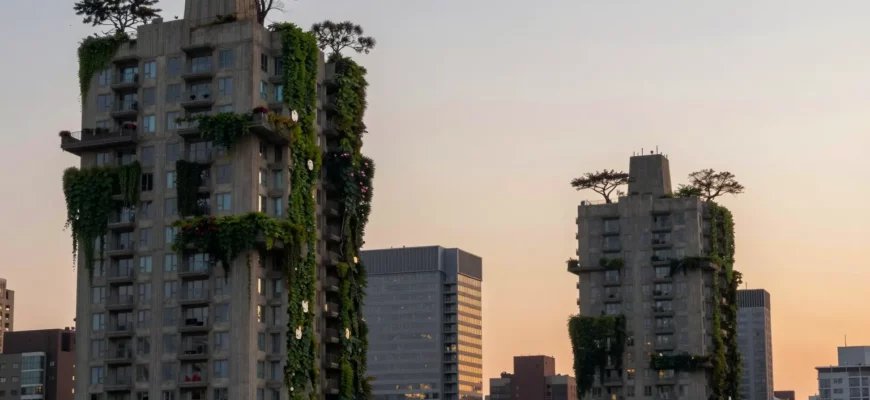
Urban rewilding represents a radical departure from traditional landscaping by focusing on the restoration of autonomous ecological processes. Instead of maintaining static‚ manicured gardens‚ this approach grants ecological agency back to the land‚ allowing nature to dictate the growth and succession of species.
The goal is to move beyond simple aesthetic greening and toward the creation of self-sustaining environments. When we allow a city lot to develop its own rhythm‚ we reduce the need for intensive human maintenance while drastically increasing the site’s ability to provide essential services like water filtration and air cooling.
The Core Theory: How Rewilding Ecology Differs from Traditional Gardening
Traditional gardening is often an exercise in control‚ where humans decide which species live‚ where they sit‚ and how large they grow. Rewilding ecology flips this script by prioritizing the functional complexity of an ecosystem over human-centric design preferences.
In a rewilded space‚ the focus shifts from “planting for beauty” to “planting for resilience.” By introducing a variety of native species that would naturally occur in the region‚ we create a robust framework that can withstand extreme weather events and invasive species pressure without constant human intervention.
This shift in rewilding theory acknowledges that nature is a better architect of biodiversity than humans. When we step back‚ we allow for natural selection to take place in the urban core‚ ensuring that only the most adaptable and beneficial plant-animal relationships thrive in the unique microclimates of a city.
Passive Rewilding vs. Active Ecological Restoration
The path to a greener city often involves a choice between intervention and observation. While both active and passive approaches aim to fix broken landscapes‚ they operate on different timelines and require varying levels of financial investment.
Active restoration is a hands-on process involving soil remediation‚ the removal of invasive species‚ and the deliberate reintroduction of specific flora and fauna. Passive rewilding‚ conversely‚ is the art of strategic abandonment‚ where the primary human action is the removal of barriers—such as fences or mowing schedules—that prevent natural succession.
| Feature | Active Restoration | Passive Rewilding |
|---|---|---|
| Human Intervention | High: Constant planting and weeding. | Low: Nature is left to its own devices. |
| Speed of Results | Fast: Immediate visual changes. | Slow: Takes years or decades to mature. |
| Cost Efficiency | Low: Requires ongoing labor and materials. | High: Minimum long-term financial input. |
| Species Diversity | Selected by human experts. | Determined by natural seed dispersal. |
| Best Use Case | Critical habitats needing urgent help. | Abandoned industrial sites and rail yards. |
Can Nature Heal Itself? Rewilding with No Human Influence
The concept of rewilding with no human influence is perhaps the most challenging for modern urban planners to accept. It suggests that if we simply stop mowing a park or clearing “weeds” from a vacant lot‚ nature will eventually engineer a more complex habitat than any architect could design.
In areas of significant urban decay‚ allowing for spontaneous growth can transform “dead zones” into thriving biodiversity hotspots. These “novel ecosystems” often harbor rare species that cannot survive in the hyper-managed environments of typical city parks‚ providing a sanctuary for insects and birds that are otherwise excluded from the urban fabric.
However‚ the transition to no-influence rewilding requires careful management of public perception and safety. To make these spaces successful‚ planners must define “cues to care”—such as clean border fences or informative signage—to signal that the wild growth is a deliberate ecological choice rather than a sign of municipal neglect.
The Trophic Cascade: Bringing Function Back to Fragmented Habitats
A healthy ecosystem relies on a complex web of interactions where every organism‚ from the smallest fungi to the largest predator‚ plays a role. In cities‚ these webs are usually broken‚ leading to an overabundance of “pest” species and a lack of ecological balance.
Trophic rewilding seeks to repair these broken links by reintroducing species that perform vital functions; By restoring the interconnectivity of the food web‚ we can trigger a rewild trophic cascade that naturally manages the environment‚ reducing the need for chemical pesticides or mechanical intervention.
Even in a dense metropolis‚ we can witness these cascades. For example‚ by providing the right habitat for predatory insects like dragonflies or birds like swifts‚ cities can naturally control mosquito and fly populations without the use of toxic sprays.
Practical Trophic Rewilding in Modern Landscapes
Implementing trophic rewilding in a city doesn’t mean releasing wolves into the subway; it means identifying and supporting “urban keystone species.” These are organisms that have a disproportionately large impact on their environment relative to their abundance.
Bees and other pollinators are classic examples‚ as their presence determines the reproductive success of thousands of plant species. By creating “pollinator highways”—strips of native wildflowers connecting isolated parks—we facilitate the movement of genetic material across the city‚ strengthening the entire ecosystem’s resilience.
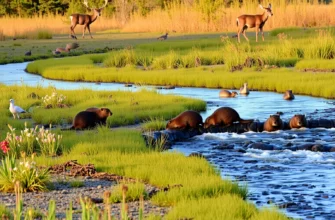
In larger suburban or peri-urban patches‚ trophic rewilding might involve the reintroduction of “ecosystem engineers” like beavers. These animals physically alter the landscape to create wetlands‚ which are incredibly efficient at preventing downstream flooding and filtering pollutants from urban runoff.
Blue Horizons: The Rise of Marine and Ocean Rewilding
For coastal cities‚ the boundary between land and water is a critical frontier for ecological restoration. Traditional sea walls and concrete piers have decimated the “intertidal zones” that once protected our shores and cleaned our water.
Marine rewilding focuses on restoring these lost underwater forests and reefs. By replacing flat concrete with textured “living seawalls” or submerged oyster beds‚ we create a complex 3D habitat that allows marine life to return to our harbors and estuaries.
- Oyster Reef Restoration: A single adult oyster can filter up to 50 gallons of water per day‚ drastically improving water clarity and removing excess nitrogen from urban sewage.
- Seagrass Meadows: These underwater fields are 35 times more efficient at sequestering carbon than tropical rainforests‚ making them vital tools in the fight against climate change.
- Salt Marsh Recovery: Restoring natural tidal flows allows marshes to act as biological sponges that absorb storm surges‚ protecting city infrastructure from rising sea levels.
- Kelp Forest Protection: Large-scale kelp rewilding provides nursery grounds for fish and buffers the shoreline against wave erosion.
Underwater Carbon Sinks: The Blue Carbon Potential
The term “blue carbon” refers to the carbon captured and stored by the world’s ocean and coastal ecosystems. In the context of ocean rewilding‚ these habitats represent some of the most effective carbon sequestration tools available to humanity.
When we rewild a coastal area‚ we aren’t just helping the fish; we are creating a permanent carbon sink. Unlike terrestrial forests‚ which can release their stored carbon during wildfires‚ marine sediments can store carbon for millennia if left undisturbed.
Furthermore‚ these rewilded marine zones serve as natural buffers. By investing in the rewilding carbon sink potential of our coastlines‚ cities can reduce their reliance on expensive‚ gray-infrastructure solutions like giant sea gates‚ which often cause more ecological harm than good.
Rewilding as a Climate Solution: Carbon Sequestration and Geoengineering
As the climate crisis intensifies‚ there is a growing interest in using nature as a form of “biological geoengineering.” Unlike mechanical carbon capture technologies‚ which are expensive and unproven at scale‚ rewilding offers a low-tech‚ high-impact solution that pays for itself through ecosystem services.
Rewilding carbon sequestration is particularly effective because it focuses on the entire system—soil‚ roots‚ and biomass—rather than just the trees. A rewilded grassland or forest builds deep‚ carbon-rich soils that act as a long-term reservoir for atmospheric CO2.
Myth: Planting rows of fast-growing pine trees is the best way to capture carbon.
Fact: Diverse‚ rewilded ecosystems store up to 40% more carbon than monoculture plantations because they create more complex root systems and support a wider array of soil microorganisms.
Nature as Technology: Is Rewilding the Ultimate Geoengineering Tool?
While geoengineering rewild strategies are often discussed in academic circles‚ the practical application is simple: let the land return to its natural state. This “biological technology” is self-repairing‚ self-replicating‚ and requires zero energy input once established.
The economic value of these rewilding services is staggering. By reducing the urban heat island effect through natural canopy growth‚ rewilded cities can lower peak summer temperatures by up to 10 degrees‚ significantly reducing the energy demand for air conditioning.
Moreover‚ the durability of wild carbon sinks is superior to human-managed ones. Natural systems are genetically programmed to adapt to local changes‚ meaning a rewilded forest is much more likely to survive a drought or a pest outbreak than a meticulously planned but ecologically fragile city park.
The Human Element: Political Rewilding and Social Change
The greatest obstacle to urban rewilding is not biological‚ but psychological. For generations‚ we have been taught that a “clean” city is one where every blade of grass is trimmed and every leaf is raked away.
To move forward‚ we must embrace an unlearn rewild synopsis—the realization that our need for total control over nature is actually a form of ecological self-harm. This requires a shift in our aesthetic values‚ where we begin to see “messy” wild spaces as signs of a healthy‚ functioning environment.
Political rewilding is the process of codifying this shift into law. It involves changing zoning regulations‚ tax incentives‚ and land-use policies to encourage property owners to let their land go wild. Without this policy support‚ rewilding will remain a niche hobby rather than a global urban standard.
Global Case Study: Urban Rewilding in Australia
Australia has become a global leader in urban rewilding‚ particularly in cities like Melbourne and Sydney. Through the “Living Melbourne” strategy‚ the city is linking isolated green patches to create a continuous canopy that allows wildlife to migrate through the urban core.
A notable example of a rewilding project is the restoration of the Chain of Ponds in Melbourne. By removing concrete drains and restoring natural water cycles‚ the project has brought back native frog and bird species that hadn’t been seen in the area for decades.
This success is largely due to community-led initiatives where residents are encouraged to “wild” their own backyards. By providing citizens with native seedlings and ecological training‚ the city has effectively turned thousands of private gardens into a massive‚ decentralized rewilding project.
Expert Perspective: The Philosophy of Letting Go
In my professional experience as an urban ecologist‚ I have found that the biggest challenge isn’t the soil or the seeds—it’s the human ego. We are conditioned to view a “tidy” lawn as a sign of a good neighbor and a “wild” patch as a sign of laziness. I always advise city planners that the most effective tool for rewilding is often the removal of the lawnmower. We must cultivate a collective tolerance for “the mess.” In my field work‚ I’ve seen that what looks like a disorganized pile of dead wood to a human is actually a five-star hotel for the beetles and fungi that keep our soil alive. If we want our cities to survive the next century‚ we have to stop trying to dominate nature and start learning how to be a part of it. Success in rewilding is measured by how little we have to do‚ not how much we have achieved through labor.
Frequently Asked Questions
The simplest example is a “Miyawaki Forest” or a tiny forest‚ where a small patch of land—even the size of a few parking spots—is planted with a dense variety of native species and then left to grow without human pruning or interference.
How does passive rewilding differ from active management?
Passive rewilding is a hands-off approach that relies on natural succession‚ whereas active management involves continuous human intervention like weeding‚ watering‚ and specific species selection to reach a desired ecological state.
Can urban rewilding help prevent flooding?
Yes‚ rewilding replaces impermeable concrete with deep-rooted native plants and healthy soil that act as a sponge‚ absorbing vast amounts of rainwater and reducing the pressure on city sewer systems.
Is rewilding the same as geoengineering?
Not exactly. While both aim to mitigate climate change‚ geoengineering often involves high-tech mechanical solutions‚ whereas rewilding is a nature-based solution that relies on the inherent complexity of biological systems to regulate the environment.
Why is political rewilding important for modern cities?
Political rewilding is crucial because current laws often penalize “overgrown” yards or wild spaces. We need policies that incentivize biodiversity and allow for non-traditional‚ self-sustaining landscapes in urban planning.
Does rewilding mean bringing dangerous animals into cities?
No. In an urban context‚ trophic rewilding focuses on restoring the balance of small predators like birds‚ bats‚ and beneficial insects‚ rather than reintroducing large apex predators that would conflict with human safety.