- Why the Rewilding Shawl is a Must-Knit for Modern Makers
- The Philosophy of Rewilding Through Craft
- Decoding the Rewilding Shawl by Helen Stewart: Form and Inspiration
- A Look at the Crescent Shape and Lace Motifs
- Essential Specs for Your Rewilding Project
- Choosing the Perfect Palette: Yarn and Color for Your Shawl
- How Variegated Yarns Interact with Lace
- Success Secrets for Lace Knitting
- From Cast-On to Bind-Off: Mastering the Shawl’s Structure
- Navigating the Lace Charts and Written Instructions
- The Magic of Blocking: Giving Your Lace Room to Breathe
- Tools Needed for a Professional Finish
- Expert Perspective: The Curious Handmade Style
- Frequently Asked Questions
Why the Rewilding Shawl is a Must-Knit for Modern Makers
The Rewilding Shawl has emerged as a cornerstone project for knitters seeking a balance between rhythmic comfort and sophisticated results. This pattern invites makers to slow down and engage with their materials in a way that feels both intentional and restorative.
The Philosophy of Rewilding Through Craft
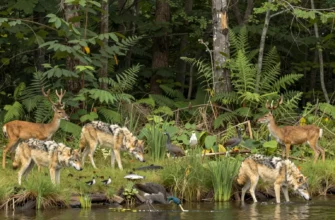
The concept of rewilding usually refers to restoring natural processes and wilderness areas‚ but in the context of fiber arts‚ it represents a return to organic textures and mindful creation. Helen Stewart’s design philosophy often centers on this connection‚ encouraging knitters to treat their craft as a form of meditation. By focusing on the tactile sensation of the wool and the slow growth of the lace‚ the process becomes as valuable as the finished accessory.
Helen Stewart has mastered the art of making complex-looking lace accessible to the everyday knitter. Her signature style involves creating a “sanctuary” through stitches‚ where the repetition of motifs allows the mind to rest while the hands remain productive. The Rewilding Shawl specifically taps into this by utilizing patterns that mimic the irregular beauty found in nature‚ moving away from rigid‚ synthetic aesthetics toward something more fluid and alive.
Decoding the Rewilding Shawl by Helen Stewart: Form and Inspiration
At its core‚ this shawl is an exploration of how light and shadow play across a knitted fabric. The design does not rely on sheer complexity to impress; instead‚ it uses the strategic placement of yarn overs and decreases to create a sophisticated interplay of lace and texture.
A Look at the Crescent Shape and Lace Motifs
The crescent shape is a favorite among modern makers because it offers superior wearability compared to traditional triangles. Because the inner curve sits naturally around the neck‚ the shawl stays in place without the need for constant adjustment or heavy shawl pins. This geometric choice ensures that the “drape and flow” of the fabric remains the focal point‚ allowing the lace to cascade elegantly over the shoulders.
The lace motifs within the Rewilding Shawl are evocative of forest floors and tangled thickets. Rather than using stagnant‚ symmetrical charts‚ the pattern moves through sections that feel evolutionary. For those experimenting with lace weight options or light fingering yarns‚ these motifs provide enough structural integrity to prevent the fabric from feeling flimsy‚ while still maintaining an ethereal‚ airy quality.
Essential Specs for Your Rewilding Project
Before casting on‚ it is helpful to have a clear roadmap of the technical requirements. Planning your materials in advance ensures that the knitting process remains a relaxing experience rather than a series of trips to the local yarn store.
| Feature | Specification |
|---|---|
| Yarn Weight | Fingering weight (4-ply) is standard‚ though heavy lace can work. |
| Yardage | Approximately 400 yards (100g) for a standard single-skein version. |
| Needle Size | 4mm (US 6) circular needles‚ or size needed to obtain a loose drape. |
| Skill Level | Intermediate‚ or an adventurous beginner comfortable with yarn overs. |
| Construction | Top-down crescent worked from a garter tab cast-on. |
Choosing the Perfect Palette: Yarn and Color for Your Shawl
Selecting the right yarn is perhaps the most critical decision you will make for this project. Because the Rewilding Shawl relies on a mix of texture and openwork‚ the colorway you choose can either highlight or obscure the intricate details of Helen Stewart’s design.
How Variegated Yarns Interact with Lace
Many knitters are drawn to the beauty of hand-dyed skeins‚ but highly variegated “wild” colors can sometimes swallow up lace patterns. If the color changes are too frequent or high-contrast‚ the “stitch definition” is lost‚ and the beautiful lace motifs become secondary to the color transitions. To avoid this‚ opt for tonal or semi-solid yarns that offer subtle depth without competing with the pattern.
If you are determined to use a variegated yarn‚ look for “long-run” hand-dyed wool where the colors transition slowly. This prevents pooling in the lace sections and allows the eye to follow the path of the yarn overs. Natural fibers like merino-silk blends are particularly effective here‚ as the silk adds a subtle sheen that catches the light within the lace “holes‚” further emphasizing the rewilding theme.
Success Secrets for Lace Knitting
Lace knitting requires a slightly different mindset than garter or stockinette stitch. Precision is key‚ but so is the ability to fix mistakes without losing your progress.
- Do: Use high-contrast lifelines every 10 to 20 rows so you can safely rip back if you miss a yarn over.
- Do: Place a stitch marker between every single pattern repeat to catch errors immediately within a small section.
- Don’t: Knit with a tight tension; lace needs room to expand and breathe during the final finishing stages.
- Don’t: Skip the swatching process‚ as the “drape and flow” of this shawl depends heavily on a loose‚ supple fabric.
- Do: Count your stitches at the end of every increase row to ensure the crescent shape remains symmetrical.
From Cast-On to Bind-Off: Mastering the Shawl’s Structure
The journey of the Rewilding Shawl begins with the humble garter tab cast-on. This technique provides a seamless start‚ avoiding the unsightly “bump” often found at the center-top of triangular or crescent shawls. From there‚ the stitch count grows rapidly‚ as the crescent shape requires frequent increases along the edges to create its signature wingspan.
Navigating the Lace Charts and Written Instructions
One of the reasons the “Curious Handmade” community is so loyal is Helen Stewart’s unique checklist-style patterns. Instead of overwhelming the knitter with walls of text‚ the instructions are broken down into manageable chunks with boxes to tick. This is especially helpful in the final sections of the Rewilding Shawl‚ where stitch counts can reach several hundred per row.
The pattern utilizes “percentage-based knitting‚” a system that helps you track your progress relative to your yarn supply. By using stitch markers to delineate the edge treatments from the central lace panels‚ you can maintain your rhythm even when the rows become long. The final challenge is the bind-off; using a stretchy method like a picot bind-off or a loose elastic bind-off is essential to ensure the edge can be pinned out into crisp points during blocking.
The Magic of Blocking: Giving Your Lace Room to Breathe
Many new knitters are horrified when they finish a lace project‚ as it often looks like a crumpled‚ shriveled mass of wool. This is where the “magic” happens. Blocking is the process of wetting the fibers to relax the protein bonds in the wool‚ allowing you to stretch the fabric into its intended dimensions.
Tools Needed for a Professional Finish
To achieve the best results‚ you must practice “aggressive blocking.” This doesn’t mean being rough with the fabric‚ but rather stretching the lace firmly enough to fully open up the yarn overs. Without this step‚ the Rewilding Shawl will never achieve the airy‚ delicate look seen in the pattern photos.
Warning: Never skip the soak. Your shawl needs at least 20 minutes in lukewarm water with a gentle wool wash to ensure the fibers are fully saturated before pinning.
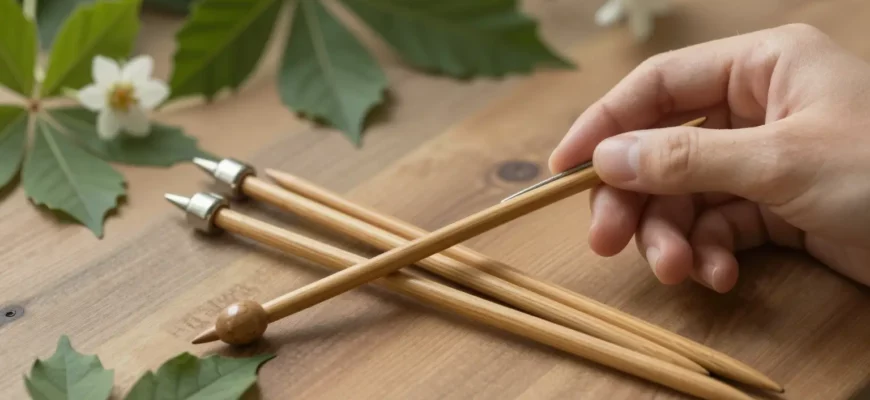
Using blocking wires is highly recommended for crescent shawls. Wires allow you to create a smooth‚ even curve along the top edge‚ while individual pins can be used to accentuate the lace points along the bottom. Once the shawl is dry‚ it will “remember” this shape‚ and the “final dimensions” will be significantly larger and more impressive than the pre-blocked version.
Expert Perspective: The Curious Handmade Style
In my professional experience‚ the genius of Helen Stewart’s work lies in her “percentage system.” I always advise knitters who suffer from “yarn chicken” anxiety to pay close attention to her weight-based milestones. By weighing your yarn at specific intervals‚ you can adjust your tension or skip a repeat if you’re running short. This makes her patterns exceptionally accessible for adventurous beginners who want to move beyond basic scarves but fear running out of expensive hand-dyed wool.
Frequently Asked Questions
It is an intermediate pattern‚ but its clear‚ checklist-style instructions make it very accessible for a beginner who has mastered basic increases and decreases.
How much yarn do I need for the Rewilding Shawl by Helen Stewart?
Most versions require a single 100g skein of fingering weight yarn‚ totaling approximately 400 yards‚ though checking your specific pattern version is recommended.
Can I use a gradient yarn for this shawl?
Yes‚ gradient yarns are an excellent choice as the crescent construction allows the colors to shift beautifully through the expanding lace sections.
What needles are best for lace knitting?
Sharp-tipped stainless steel circular needles are preferred‚ as they make it much easier to work “k2tog” or “ssk” decreases in fine yarn.
Where can I find the official Rewilding Shawl pattern?
The pattern is available for digital download on Ravelry and the official Curious Handmade website‚ often as part of the “The Shawl Society” collections.
Do I need to follow a chart for the Rewilding Shawl?
No‚ Helen Stewart provides both full written instructions and charts‚ so you can choose whichever method is most comfortable for your knitting style.