- Why a Portable Cold Plunge Tub is the Ultimate Recovery Hack
- The Science of Cold Water Immersion (CWI)
- Comparing Inflatable, Foldable, and Hard-Sided Designs
- Portability vs. Permanent Durability
- The Tech Behind the Chill: Inflatable Cold Plunge Tubs with Chiller Systems
- Is an Integrated Chiller Worth the Investment?
- Premium Materials: From Stainless Steel to Eco-Friendly Cedar
- Why Stainless Steel Liners are the Hygienic Choice
- Sizing it Up: Finding the Right Fit for Your Body and Space
- Compact Solutions for Small Patios and Balconies
- Maintenance and Hygiene: Keeping Your Water Pristine
- The Role of Lids and Covers in Insulation
- Safety First: Best Practices for Cold Immersion Therapy
- Avoiding Afterdrop and Hypothermia
- Frequently Asked Questions
Why a Portable Cold Plunge Tub is the Ultimate Recovery Hack
The transition of cold water immersion from a specialized tool found only in professional training facilities to a household staple has changed the recovery landscape. High-performance recovery is no longer tethered to expensive, permanent installations that require professional plumbing and massive spatial footprints.
Portable cold plunge tubs offer a versatile solution for those looking to manage systemic inflammation and improve metabolic health without committing to a five-figure renovation. These units allow you to maintain a consistent cryotherapy protocol whether you are on your back patio, in a garage, or traveling for a competition.
The Science of Cold Water Immersion (CWI)
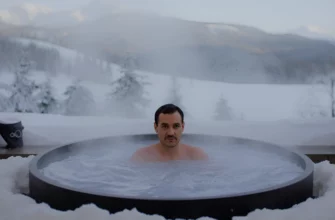
When you submerge your body in water typically ranging from 50°F to 59°F, you trigger an immediate physiological response known as vasoconstriction. This process pulls blood away from the extremities and toward the core, which helps flush out metabolic waste products and reduces the swelling associated with intense physical exertion.
The recovery benefits extend far beyond simple muscle repair; the sudden cold exposure acts as a powerful stimulus for the vagus nerve, effectively “training” your nervous system to switch from a sympathetic (fight or flight) state to a parasympathetic (rest and digest) state. This shift is critical for long-term psychological resilience, as the massive release of norepinephrine and dopamine—which can stay elevated for hours—provides a sustained mood boost and sharpened focus.
Understanding the internal mechanics is vital for staying safe after a cold plunge. Because your body continues to cool even after you exit the water, a phenomenon known as afterdrop, you must focus on gradual rewarming rather than jumping into a hot shower, which can cause a rapid drop in blood pressure and dizziness.
Comparing Inflatable, Foldable, and Hard-Sided Designs
Choosing the right architecture for your setup depends heavily on your lifestyle, available square footage, and how often you intend to move the unit. While all these designs aim to hold water and maintain temperature, the structural integrity and thermal retention capabilities vary significantly between a lightweight foldable model and a heavy-duty hard-sided basin.
| Feature | Inflatable (Drop-Stitch) | Foldable (PVC/Mesh) | Hard-Sided (Rotomolded) |
|---|---|---|---|
| Setup Time | 5–8 Minutes | 2–3 Minutes | Instant (No assembly) |
| Durability | High (Puncture resistant) | Moderate | Extreme (Indestructible) |
| Insulation | Excellent (Air-gap tech) | Low (Requires more ice) | Superior (Foam-filled) |
| Portability | Fits in a backpack | Very high/Lightweight | Low (Requires a truck) |
An inflatable cold plunge tub utilizing high-pressure drop-stitch technology—the same material used in stand-up paddleboards—offers a surprising level of rigidity that rivals solid plastics. In contrast, a hard plastic cold plunge tub is often the preferred choice for those who have a dedicated space and want a unit that can withstand harsh outdoor elements year-round without any risk of air leaks.
Portability vs. Permanent Durability
For individuals living in apartments or those with limited outdoor space, a collapsible cold plunge tub is often the most logical entry point. These units typically use a series of support legs and a multi-layered PVC skin that can be drained and folded into a small carry bag in under ten minutes, making them ideal for “weekend warriors” who want to take their recovery gear on road trips.
However, if you are looking for a durable cold plunge tub that will last a decade, the investment in a rotomolded or stainless steel unit is usually justified. These “permanent” portables are designed to handle the weight of 100+ gallons of water without bowing or stressing the seams, ensuring that the vessel remains structurally sound even when placed on slightly uneven surfaces like gravel or grass.
The Tech Behind the Chill: Inflatable Cold Plunge Tubs with Chiller Systems
The biggest hurdle to a consistent cold therapy routine is the logistical nightmare of buying and transporting hundreds of pounds of ice. A portable cold plunge tub with chiller eliminates this friction by using an active refrigeration unit to keep the water at a precise, user-defined temperature 24/7.
These chillers work by circulating water through a heat exchanger, often incorporating a 20-micron filter and UV-C sterilization light in the process. While the initial cost of a self cooling cold plunge tub is higher, the long-term savings are substantial; spending $15 on ice three times a week adds up to over $2,300 per year, which is more than the cost of most high-end chiller systems.
Is an Integrated Chiller Worth the Investment?
Consistency is the most important factor in seeing results from cryotherapy, and an inflatable cold plunge tub with chiller ensures that the water is ready the moment you wake up. You no longer have to wait for ice to melt or worry about the water warming up mid-session during a summer heatwave.
Maintenance for these units is surprisingly straightforward, usually requiring a simple filter change every two to four weeks depending on usage. For those seeking an easy cold plunge tub experience, look for chillers with a minimum of 1/2 horsepower (HP), as lower-powered units may struggle to reach sub-50°F temperatures if the ambient air temperature exceeds 80°F.
Premium Materials: From Stainless Steel to Eco-Friendly Cedar
As the market matures, we are seeing a shift toward premium aesthetics and materials that prioritize both hygiene and environmental impact. A high-end setup doesn’t just function well; it complements the design of your home or gym while offering superior tactile experiences during the plunge.
| Material | Pros | Cons |
|---|---|---|
| Stainless Steel | Non-porous, highly hygienic, sleek look. | Higher price point, heavier. |
| Western Red Cedar | Natural rot resistance, beautiful aroma, eco-friendly. | Requires periodic oiling to prevent graying. |
| Reinforced PVC | Affordable, lightweight, easy to clean. | Less “premium” feel, potential for punctures. |
While an eco-friendly cedar cold plunge tub offers a “zen” aesthetic that fits perfectly in a garden setting, it requires a liner to prevent leaks over time. On the other hand, a stainless cold plunge tub represents the pinnacle of durability and cleanliness, as the metal surfaces do not harbor bacteria or biofilm in the same way that softer plastics can.
Why Stainless Steel Liners are the Hygienic Choice
The primary advantage of a hygienic stainless liner cold plunge tub is its resistance to microbial growth. Because stainless steel is non-porous, dead skin cells and oils from your body have nowhere to hide, making the cleaning process as simple as wiping the surface with a mild soap solution.
Furthermore, stainless cold plunge therapy units are often better at maintaining extreme cold because the metal acts as a more efficient thermal conductor when paired with external insulation. Always ensure you are buying 304 or 316-grade stainless steel to prevent rusting if you plan on using salt-based sanitizers or keeping the tub in a high-humidity environment.
Sizing it Up: Finding the Right Fit for Your Body and Space
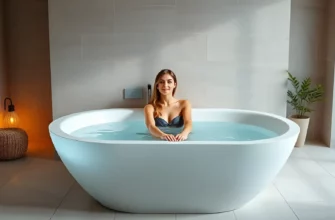
Size matters when it comes to both comfort and water efficiency. If a tub is too small, you won’t be able to submerge your chest and shoulders, which are key areas for vagus nerve stimulation; if it’s too large, you’ll waste electricity and water keeping it cold.
For taller individuals, a 700mm spacious cold plunge therapy tub provides enough depth to sit upright with the water reaching the chin line. Conversely, a brookstone portable cold plunge tub 18 gallon or similar compact models are designed for targeted limb recovery or for very small individuals who prioritize a minimal footprint over full-body immersion.
Compact Solutions for Small Patios and Balconies
When installing a tub on a balcony, you must consider the “wet weight” of the unit. A compact cold plunge tub filled with water can easily weigh over 800 pounds, which may exceed the structural load limits of some residential decks. Check your building’s specifications to ensure the floor can support at least 100 lbs per square foot before choosing a high-capacity model.
The 18 gallon cold plunge models are excellent for those who only want to treat their legs or for athletes who need a unit they can literally fit into a standard bathtub for an indoor setup. However, for the full “cold shock” experience, most adults will find that a tub with at least a 75-gallon capacity is the sweet spot for comfort and efficacy.
Maintenance and Hygiene: Keeping Your Water Pristine
Nothing ruins the appeal of a cold plunge faster than murky, smelling water. Maintaining a hygienic cold plunge tub requires a combination of physical filtration and chemical (or UV) sanitation. Without these, the water becomes a breeding ground for bacteria after just a few uses.
- Shower before you plunge: Removing body oils and lotions significantly extends the life of your filter.
- Use a 20-micron pleated filter: These catch fine debris and are easily washable with a garden hose.
- Monitor pH levels: Even cold water needs to be balanced (aim for 7.2 to 7.6) to prevent skin irritation and equipment corrosion.
- Utilize an Ozonator: Many high-end chillers include ozone generators that break down contaminants without the need for heavy chlorine.
The Role of Lids and Covers in Insulation
An insulated cold plunge tub is only as good as its lid. Since heat rises and cold escapes from the surface, a thick, locking cover is essential for keeping your chiller from overworking. An inflatable cold plunge tub with lid usually features an air-filled cover that snaps onto the base, creating a thermal seal that can maintain water temperature within 2–3 degrees over a 24-hour period.
Beyond thermal retention, a sturdy lid is a non-negotiable safety feature if you have pets or small children. Ensure your tub cover can support at least 30-40 pounds of weight to prevent accidental submersions if a child or animal climbs onto the unit while it is unattended.
Safety First: Best Practices for Cold Immersion Therapy
Cold therapy is a powerful physiological stressor and should be approached with respect. While the goal is to challenge the body, pushing too hard or staying in too long can lead to hypothermia or cardiovascular strain. Using a safe cold plunge tub correctly starts with understanding your personal limits and the current water temperature.
- Start at 55°F: Don’t feel the need to jump straight to 39°F; most benefits are realized at more moderate temperatures.
- Limit sessions to 2-5 minutes: Research shows that 11 minutes of total exposure per week is the “golden ratio” for metabolic benefits.
- Never plunge alone: Especially when first starting out, have someone nearby in case you experience an adverse reaction to the cold shock.
- Focus on your breath: Slow, controlled exhales help override the initial gasp reflex and keep your heart rate stable.
Avoiding Afterdrop and Hypothermia
The “afterdrop” occurs when you exit the tub and blood begins to flow back to your extremities, cooling down as it passes through chilled tissue before returning to your core. This can cause your core temperature to continue falling for up to 30 minutes after you are out of the water.
To mitigate this, avoid the temptation to take a hot shower immediately. Instead, use a fitness cold plunge tub protocol that involves patting yourself dry, putting on warm layers (especially a hat and socks), and moving your body gently to generate internal heat. This “active rewarming” helps your body regain its baseline temperature naturally and safely.
In my professional experience working with elite athletes, the most common mistake is the “more is better” fallacy. I always advise clients to prioritize water quality and consistency over extreme temperatures. A stainless steel cold plunge tub is my top recommendation for anyone serious about longevity; the hygienic properties of 316-grade steel are unmatched, and it eliminates the “plastic smell” that can develop in cheaper PVC units over time. If you are using an inflatable model, always check the PSI weekly; a soft tub loses its insulating properties and puts unnecessary strain on the chiller’s pump. Stick to the 50-59°F range for general recovery, as going colder often just increases the stress response without providing additional anti-inflammatory benefits;
Frequently Asked Questions
Most inflatable models take 5-10 minutes to inflate using a dual-action pump and another 15-30 minutes to fill with water, depending on your hose pressure.
Can I use a portable cold plunge tub in cold climates like Canada?
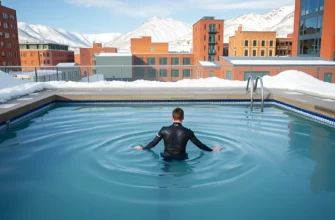
Yes, but you must use an insulated cold plunge tub or keep the pump running to prevent the water from freezing solid and cracking the liner or internal components.
Is a stainless steel tub better than a plastic one for hygiene?
Absolutely. Stainless steel is non-porous and resists biofilm and bacteria buildup significantly better than PVC or plastic liners, making it much easier to sanitize.
Do I need to buy ice if I have a cold plunge tub with a chiller?
No, a dedicated chiller system will maintain your desired temperature indefinitely, eliminating the need for ice bags and the manual labor of cooling the water.
What is the best size for a portable cold plunge?
A 700mm to 800mm diameter tub is usually sufficient for most adults up to 6’4″ to sit comfortably with their shoulders fully submerged.
How often should I change the water in my portable tub?
Without a filtration system, you should change the water every 2-3 days. With a chiller and filter, water can last 2-4 weeks depending on how many people are using it.