- Does a cold plunge help with a hangover and brain fog?
- The science of the system reboot for alcohol recovery
- Can a cold plunge help with a cold or flu symptoms?
- Does cold plunge help when sick or just add more stress?
- Breathing easier: Does cold plunge help allergies and congestion?
- Managing nasal congestion and seasonal allergies in the ice
- The Sick Plunge Safety Guide: Dos and Donts
- The Verdict: Would a cold plunge make a sickness better or worse?
- Frequently Asked Questions
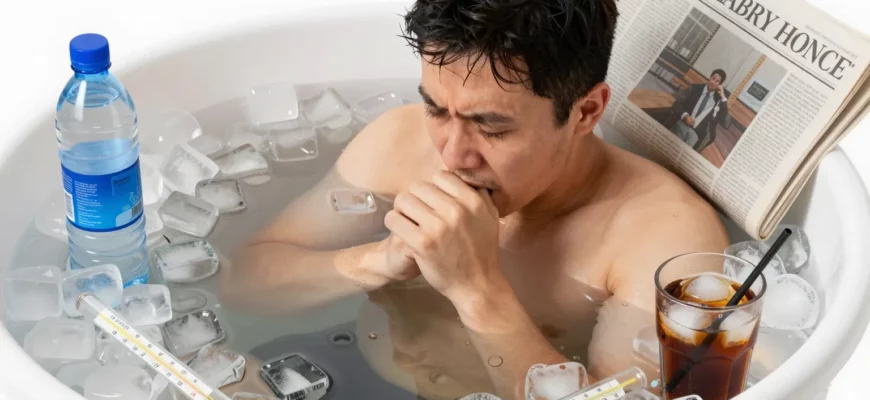
Does a cold plunge help with a hangover and brain fog?
Waking up with the heavy‚ pulsing sensation of a hangover often feels like your brain is trapped in a thick fog. While the standard advice involves greasy food and electrolyte drinks‚ the “system reboot” offered by cold water immersion provides a physiological shortcut to alertness. The immediate shock of the water acts as a violent wake-up call to the central nervous system‚ forcing the body to prioritize survival over the lethargy of alcohol withdrawal.
The science of the system reboot for alcohol recovery
When you submerge your body in water below 50°F (10°C)‚ you trigger an immediate and massive release of neurotransmitters. Research indicates that cold exposure can lead to a 250% increase in dopamine levels and a 300% increase in norepinephrine. These chemicals are the primary drivers of focus‚ mood‚ and energy. Since alcohol is a central nervous system depressant that depletes these very stores‚ the cold plunge effectively refills the tank‚ helping to clear mental clarity issues and lift the “dark cloud” often associated with a morning after.
Beyond the neurochemical spike‚ the intense cold forces rapid vasoconstriction followed by vasodilation once you exit the water. This “pumping” action stimulates the lymphatic system‚ which is responsible for moving metabolic byproducts and cellular waste through the body. While the liver still has to do the heavy lifting of processing acetaldehyde‚ the increased blood circulation helps move these toxins out of the tissues more efficiently.
If you are wondering will a cold plunge help a hangover‚ the answer lies in the reduction of systemic inflammation. Alcohol triggers an inflammatory response in the gut and brain; the cold acts as a full-body ice pack‚ dampening this inflammation and reducing the physical “ache” of a hangover. However‚ it is vital to rehydrate before entering the water‚ as alcohol causes significant dehydration and cold shock can further stress a depleted system.
| Condition | Plunge or Pass? | The Reasoning |
|---|---|---|
| Standard Hangover | Plunge | Resets dopamine and norepinephrine levels while clearing brain fog through increased circulation. |
| Early Cold Symptoms | Proceed with Caution | A short plunge can stimulate white blood cell mobilization‚ but never exceed two minutes. |
| High Fever or Flu | Pass | Cold exposure interferes with the body’s natural thermoregulation and can cause dangerous shivering. |
| Seasonal Allergies | Plunge | Vasoconstriction shrinks swollen nasal passages and cortisol release dampens the histamine response. |
Can a cold plunge help with a cold or flu symptoms?
The relationship between cold stress and the immune system is governed by the principle of hormesis—the idea that a small amount of stress makes the body stronger‚ while too much causes damage. When you are healthy‚ regular cold plunges act as a “gym” for your immune system‚ increasing the production of T-cells and leukocytes. However‚ once a viral infection like the flu has taken hold‚ your body’s resources are already fully committed to a biological war‚ and adding the stress of extreme cold can be counterproductive.
Does cold plunge help when sick or just add more stress?
The “Open Window” theory in immunology suggests that immediately after intense physical stress—like a 5-minute ice bath—the immune system experiences a temporary dip as it recovers. If you are already fighting a virus‚ this “open window” could allow the infection to gain a stronger foothold. While some practitioners claim do cold plunges help with sickness‚ the reality is that acute cold exposure is a preventative tool‚ not a cure.
When you have a fever‚ your body has intentionally raised its core temperature to kill off heat-sensitive viruses. Entering a cold plunge forces the body to fight against its own healing mechanism. This conflict can lead to extreme shivering‚ which consumes massive amounts of glucose and energy that should be used for immune defense. Furthermore‚ the stress on the lymphatic system during a flu is already high; forcing rapid drainage via cold shock can sometimes overwhelm the lymph nodes rather than support them.
To ensure you are staying safe after a cold plunge‚ you must listen to the specific “flavor” of your fatigue. If you feel “run down” but have no fever‚ a 30-second dip may provide a temporary metabolic boost. But if you have the “chills‚” a cold plunge is the worst possible choice. In the case of a full-blown infection‚ rest and heat are generally superior to cold because they support the body’s natural inflammatory response rather than suppressing it.
Myth: Being exposed to cold water or cold air causes the common cold.
Fact: Colds are caused by viruses (usually rhinoviruses)‚ not temperature. However‚ extreme cold stress can temporarily suppress the immune response in the nasal passages‚ making it easier for a virus you have already been exposed to to take root. The cold is the catalyst‚ but the virus is the cause.
Breathing easier: Does cold plunge help allergies and congestion?
Nasal congestion is primarily caused by the swelling of blood vessels in the sinus cavities‚ often triggered by histamines. This is where the physics of cold water provides immediate‚ albeit temporary‚ relief. The moment your skin hits the cold‚ your body initiates a sympathetic nervous system response‚ causing immediate vasoconstriction. This narrowing of the blood vessels extends to the nasal mucosa‚ effectively acting as a natural‚ full-body decongestant.
Managing nasal congestion and seasonal allergies in the ice
If you are struggling with seasonal allergies‚ a cold plunge can provide a unique “reset” for your inflammatory markers. Cold shock triggers the release of cortisol‚ the body’s primary anti-inflammatory hormone; By naturally spiking cortisol‚ you can temporarily dampen the histamine response that causes itchy eyes and a runny nose. This is why many athletes find they can breathe better after a morning soak.
However‚ it is important to manage expectations. While is cold plunge good when you have congestion for immediate relief‚ the effect usually lasts only 1 to 3 hours. Once the body warms back up‚ vasodilation (the widening of blood vessels) can lead to a “rebound” effect where congestion returns. To maximize the benefit‚ focus on box breathing during the plunge to maintain steady oxygen flow and calm the vagus nerve‚ which helps regulate the body’s overactive immune response to allergens.
The Sick Plunge Safety Guide: Dos and Donts
If you are feeling “under the weather” but aren’t quite bedridden‚ you might be tempted to push through your routine. Use this checklist to determine if you should break the ice or stay under the covers.
- Do check your temperature first: If you have a fever of 100.4°F or higher‚ stay out of the water.
- Do keep it short: Limit your exposure to 60 seconds or less to avoid taxing your metabolic reserves.
- Do focus on the “Afterdrop”: Dry off and dress in warm layers immediately to prevent your core temperature from plummeting further.
- Do stay hydrated: Drink warm herbal tea or electrolyte water before and after to support cellular recovery.
- Don’t plunge alone: If you are feeling dizzy or weak from a cold‚ the risk of fainting in the water increases significantly.
- Don’t force the breath: If your chest feels congested‚ avoid the gasping reflex as it can trigger coughing fits or bronchospasms.
- Don’t use the plunge to “sweat it out”: You cannot “freeze out” a virus; you can only support or hinder your body’s ability to fight it.
- Don’t ignore the shivers: If you cannot stop shivering after 10 minutes‚ you have stayed in too long and are now diverting energy away from your immune system.
The Verdict: Would a cold plunge make a sickness better or worse?
The effectiveness of a cold plunge depends entirely on what you are trying to “cure.” For a hangover‚ the cold plunge is a top-tier recovery tool that resets your brain chemistry and flushes the lymphatic system. It addresses the symptoms of brain fog and lethargy with surgical precision.
For an active viral illness like the flu‚ a cold plunge is more likely to make the sickness worse. The biological cost of maintaining core temperature in 45°F water is immense. When you are sick‚ your body needs that energy for protein synthesis and viral neutralization. Diverting that energy to thermogenesis is a poor trade-off. For mild congestion or allergies‚ the cold is a useful temporary fix‚ but it should be used sparingly. Listen to your body’s internal cues; if the idea of the cold feels repulsive rather than challenging‚ it is a sign that your immune system is already at its limit.
In my professional experience‚ the biggest mistake people make is failing to understand the inverted-U curve of stress. Cold exposure is a powerful hormetic stressor—it creates a positive adaptation by challenging the body. However‚ the “dose makes the poison.” When you are healthy‚ the cold moves you up the curve toward peak resilience. When you are already dealing with the high allostatic load of a viral infection‚ that same “dose” of cold pushes you over the peak into the “exhaustion” phase. I always advise my clients to prioritize the sauna over the cold plunge when they feel a virus coming on. Heat shock proteins support the immune response more safely than the “fight or flight” adrenaline spike of the ice bath during acute illness.
Frequently Asked Questions
Yes. It triggers a massive release of adrenaline and norepinephrine‚ which instantly clears brain fog and boosts mood‚ although it does not remove the alcohol from your system.
Does cold plunge help when youre sick with a fever?
No. You should avoid cold plunges during a fever as they interfere with the body’s natural heat-based defense mechanism and can lead to dangerous shivering and exhaustion.
Can cold plunges actually give you a cold?
No‚ viruses cause colds. However‚ if you are already overtaxed‚ the temporary suppression of immune markers from extreme cold could allow a virus you’ve been exposed to to develop into an illness.
Is cold plunge good when you have congestion?
It provides temporary relief through vasoconstriction‚ which reduces the swelling in your nasal passages‚ but the effect typically lasts only a few hours.
Would a cold plunge make a sickness better or worse?
For hangovers and allergies‚ it helps. For a full-blown flu or viral infection‚ it usually makes it worse by draining energy that the immune system needs to fight the pathogen.