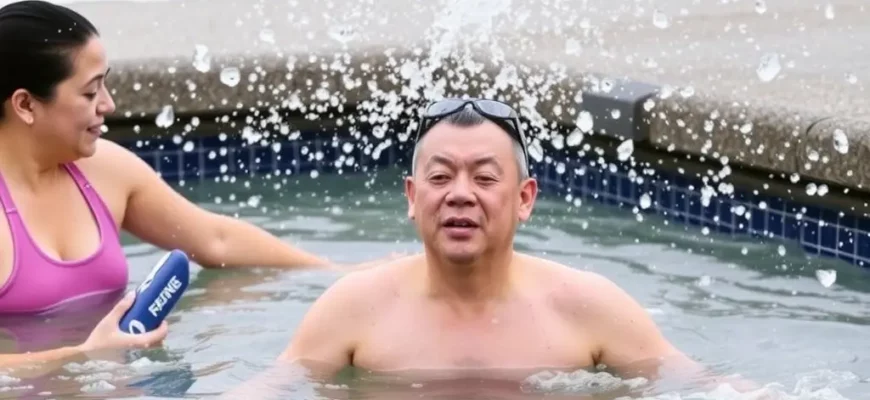
- Understanding the Hype: Are Cold Plunges Good for You and Your Health?
- The Immediate Impact on Your Body and Brain
- The Science of Cold: Are Cold Plunges Actually Beneficial or Just a Fad?
- What the Research Says About Inflammation and Recovery
- When the Water Gets Risky: Why Cold Plunging Can Be Dangerous
- Cardiac Stress and the Cold Shock Response
- Cold Water and Chronic Conditions: Diabetics and Varicose Veins
- Vascular Health: Do Cold Plunge Pools Help Varicose Veins?
- Dermatological Effects: Is Cold Plunge Good for Your Skin and Sunburn?
- The Cold Face Plunge: Is it Better for Your Complexion?
- Safety for All Ages: Are Cold Plunges Good for Kids?
- Age-Appropriate Cold Exposure Protocols
- The Verdict: Is Taking a Cold Plunge Worth It for You?
- Daily vs. Occasional Plunging: What Works Best?
- Frequently Asked Questions
Understanding the Hype: Are Cold Plunges Good for You and Your Health?
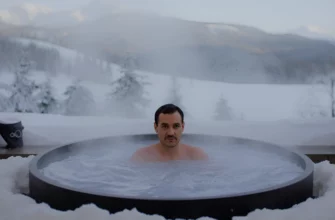
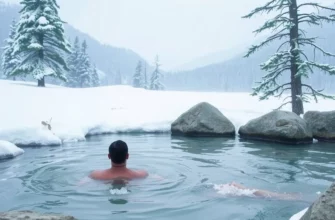
The rise of cold water immersion has transformed from a niche athletic recovery tactic into a global wellness phenomenon. Everywhere you look, from social media influencers to high-performance biohackers, people are deliberately submersing themselves in near-freezing water to find a biological edge. This practice, often referred to as cold plunging, is rooted in the concept of hormetic stress—a controlled, short-term physiological challenge that triggers a cascade of positive adaptations within the body.
When you ask if cold plunging is good for you naturally, the answer lies in how your nervous system manages stress. By exposing yourself to extreme temperatures, you aren’t just chilling your skin; you are training your internal regulatory systems to remain calm under pressure. This intentional discomfort helps build a robust foundation for both physical health and mental grit, making it a powerful tool for those looking to optimize their daily performance.
The Immediate Impact on Your Body and Brain
The second you hit the water, your body undergoes a massive chemical shift. The brain triggers an explosive release of norepinephrine and dopamine, often reaching levels 200% to 300% higher than baseline. Unlike the fleeting high of caffeine, this chemical surge is sustained, providing a natural energy increase that can last for several hours after you have dried off.
This initial “cold shock” also forces your respiratory system to work overtime. Learning how to boost mood with cold involves mastering your breath during this phase; by slowing your exhale while the water tries to force a gasp, you are effectively manually overriding your sympathetic nervous system. This process strengthens the vagus nerve, which is the primary highway for relaxation and recovery in the human body.
The Science of Cold: Are Cold Plunges Actually Beneficial or Just a Fad?
Critics often dismiss cold water therapy as a passing trend, but the biological mechanisms at play are well-documented in clinical research. The primary debate isn’t whether the body reacts to the cold, but rather how those reactions translate into long-term health benefits. To understand if cold plunges have health benefits that last, we have to look past the “ice bath selfies” and examine the cellular response to cold thermogenesis.
Myth: Cold plunging will instantly melt away body fat without diet or exercise.
Fact: While cold exposure activates brown adipose tissue (BAT), which burns calories to generate heat, it is not a replacement for a caloric deficit. It is a metabolic enhancer, not a magic weight loss solution.
Scientific inquiry into cold therapy has shifted from purely athletic recovery to metabolic health. Researchers have found that regular exposure to cold can increase mitochondrial biogenesis, which essentially means your cells become more efficient at producing energy. This isn’t a fad; it is a fundamental biological response to environmental pressure that humans have utilized for millennia.
What the Research Says About Inflammation and Recovery
One of the most scientifically proven recovery benefits of cold immersion is its ability to suppress systemic inflammation. After intense physical exertion, your muscle fibers experience micro-tears, leading to an inflammatory response that causes soreness. By plunging into cold water, you cause extreme vasoconstriction, which flushes metabolic waste out of the muscle tissue and reduces swelling.
Furthermore, there is growing evidence regarding the impact on the immune system. Some studies suggest that regular cold exposure can increase the count of white blood cells and natural killer cells. This suggests that those who practice cold immersion may develop a more resilient defense against common viral infections, although more large-scale human trials are needed to confirm the exact dosage required for these results.
When the Water Gets Risky: Why Cold Plunging Can Be Dangerous
While the benefits are numerous, it is irresponsible to ignore the fact that cold water can be a hostile environment. The phrase “are cold plunges bad for you” is a valid question for anyone with underlying health conditions. The most immediate threat is the cold shock response, an involuntary physiological reaction that includes a sharp increase in heart rate and blood pressure.
For a healthy individual, this is a manageable stressor. However, for someone with undiagnosed heart issues, this sudden spike can lead to arrhythmias or even cardiac arrest. Safety in cold water is not just about mental toughness; it is about biological readiness. Another critical risk is “afterdrop,” a phenomenon where your core body temperature continues to fall even after you exit the water as cold blood from your extremities begins to circulate back to your heart and brain.
Cardiac Stress and the Cold Shock Response
The heart is under immense pressure during the first 60 seconds of a plunge. The sudden constriction of blood vessels forces the heart to pump against much higher resistance. If you have a history of hypertension or cardiovascular disease, you must consult a physician before attempting a cold plunge, as the sudden workload can trigger a cardiac event.
Hyperventilation is another significant danger. The “gasp reflex” can lead to inhaling water if your head is submerged or if you lose control of your breathing. To stay safe, always enter the water slowly and keep your hands and head above the surface until your breathing has stabilized. Never plunge alone, especially in natural bodies of water where the conditions can change rapidly.
Cold Water and Chronic Conditions: Diabetics and Varicose Veins
The interaction between cold water and chronic health conditions is complex and requires a nuanced approach. For those managing specific vascular or metabolic issues, the cold can be either a powerful therapy or a significant hazard. Understanding how cold water affects circulation is the first step in determining if this practice fits into your medical profile.
| Condition | Potential Benefit | Primary Risk |
|---|---|---|
| Type 2 Diabetes | Improved insulin sensitivity and glucose uptake via brown fat activation. | Peripheral neuropathy can prevent you from feeling cold-induced tissue damage or frostbite. |
| Varicose Veins | Vasoconstriction reduces vein diameter and temporarily relieves pressure/heaviness. | Cold does not “cure” the underlying valvular failure; it only manages symptoms. |
| Hypertension | Long-term improvement in vascular elasticity and stress management. | Immediate blood pressure spikes during the initial shock can be dangerous. |
For diabetics, the metabolic boost is promising. Cold exposure has been shown to move GLUT4 transporters to the surface of muscle cells, which helps clear sugar from the blood. However, if you suffer from nerve damage in your feet, you must use a thermometer to verify water temperature, as your internal “sensor” may not accurately report when the water is cold enough to cause skin damage.
Vascular Health: Do Cold Plunge Pools Help Varicose Veins?
Vein health tips often include cold showers for a reason. When the cold water hits your legs, the smooth muscles in your vein walls contract. This temporary narrowing of the vessels helps push blood back toward the heart, reducing the “pooling” effect that makes varicose veins painful and swollen. It provides immediate, drug-free relief for the aching sensation often associated with chronic venous insufficiency.
While this is excellent for improving circulation in the short term, it is important to manage expectations. Cold plunging will not make existing varicose veins disappear. It is a symptom management tool that can improve your quality of life and reduce the need for anti-inflammatory medications, but it should be paired with other vascular supports like compression and movement.
Dermatological Effects: Is Cold Plunge Good for Your Skin and Sunburn?
The relationship between cold water and skin health is often misunderstood. Many people believe that because cold water is good for “waking up” the skin, it must be good for all skin conditions. This is not always the case. While cold water can drastically reduce puffiness by constricting blood vessels, extreme cold can also be a desiccant, stripping the skin of necessary moisture and oils.
When it comes to sunburn, the rules change. While a cool bath can take the sting out of a burn, a true “ice plunge” can be traumatizing to the tissue. Sunburned skin is already damaged and struggling to regulate temperature. Introducing extreme cold can cause further cellular stress and potentially lead to “ice burns” on top of the solar burns, complicating the healing process.
The Cold Face Plunge: Is it Better for Your Complexion?
Facial cold therapy, often called “skin icing,” is a favorite for reducing morning inflammation. By dipping your face into ice water for 15-30 seconds, you can instantly tighten the appearance of pores and reduce redness. This is caused by the “hunting response,” where the body briefly constricts blood vessels and then dilates them, bringing a fresh surge of oxygenated blood to the surface.
This rebound effect is what creates the famous post-plunge glow. For those struggling with skin redness or inflammatory acne, the cold can act as a natural vasoconstrictor, calming the “fire” in the skin without the use of harsh chemicals. Just be sure to moisturize immediately afterward to seal in hydration, as the cold can temporarily disrupt the skin’s lipid barrier.
Safety for All Ages: Are Cold Plunges Good for Kids?
As parents adopt cold plunging, many wonder if their children should join in. The short answer is that while children can benefit from cool water, they are not physiologically equipped to handle the same duration or temperature as adults. Children have a much higher surface-area-to-mass ratio, meaning they lose heat at a rate significantly faster than an adult.
- Do: Start with “cool” showers (65°F-70°F) rather than ice baths for children under 12.
- Do: Limit exposure to less than 60 seconds for beginners.
- Do: Ensure constant, 1-on-1 adult supervision at all times.
- Don’t: Force a child into cold water; their “cold shock” can be more traumatic than beneficial.
- Don’t: Allow children to submerge their heads in freezing water, as it can trigger a more intense diving reflex.
Family wellness practices should focus on gradual exposure. For a child, a “cold plunge” might just be a quick dip in a pool that isn’t heated. Their thermoregulation systems are still developing, and hypothermia can set in much quicker than a parent might realize. Always prioritize comfort and safety over “performance” when involving youth.
Age-Appropriate Cold Exposure Protocols
Teenagers may have more robust thermoregulation, but they still require guidance. The focus for younger participants should be on mental resilience and breathing, not on seeing how long they can stay in the ice. A 30-second dip is often more than enough to trigger the desired dopamine response in a younger person without risking core temperature drops.
Safe ages for cold water are subjective, but most experts suggest waiting until a child can clearly communicate their physical sensations and follow complex safety instructions. Until then, sticking to lukewarm or slightly cool water is the most responsible path to building a lifelong relationship with water therapy.
The Verdict: Is Taking a Cold Plunge Worth It for You?
Deciding if a cold plunge is worth the effort depends on your personal goals. If you are looking for a miracle weight loss cure, you will likely be disappointed. However, if you are looking for a scientifically validated way to manage stress, improve mood, and speed up recovery, the cold plunge is one of the most effective tools available. The consensus across communities like Reddit and scientific forums is clear: the benefits are real, but they require consistency and safety.
- Mental Resilience: You build the “bravery muscle” by doing something hard every day.
- Metabolic Health: Activation of brown fat and improved insulin sensitivity.
- Inflammation Control: Faster recovery from exercise and reduced joint pain.
- Safety First: The benefits only exist if you avoid injury and cardiac stress.
Ultimately, the “best” cold plunge is the one you can do safely and consistently. Whether that is a dedicated chest freezer in your garage or a simple cold shower, the physiological advantages are accessible to almost everyone who is willing to brave the chill and listen to their body’s signals.
Daily vs. Occasional Plunging: What Works Best?
Finding a sustainable routine is more important than hitting record-breaking temperatures. For most people, 11 total minutes of cold exposure per week, divided into 2-4 sessions, is the “sweet spot” identified by leading researchers for metabolic and mental benefits. Daily plunging is fine, but you may reach a point of diminishing returns where the body becomes too adapted to the stressor.
Listen to your body’s signals. If you find yourself shivering for hours after a plunge, or if your sleep quality is declining, you may be overtaxing your nervous system. The goal is hormetic stress, not chronic exhaustion. Adjust your cold plunge frequency based on your current recovery levels and life stressors to ensure the practice remains a net positive for your health.
In my professional experience, cold plunging is the most effective “low-tech” intervention for nervous system regulation I have ever seen. However, I always advise my clients that it is a supplement to—not a replacement for—sleep and nutrition. I have seen many athletes use ice baths to mask the pain of overtraining, which only leads to injury down the road. In my practice, I find that the greatest value isn’t the cold itself, but the conscious control of the breath during the first 30 seconds. That is where the true neurological rewiring happens. Use the cold as a mirror for your stress response, and you will find benefits that extend far beyond muscle recovery.
Frequently Asked Questions
No; While beneficial for many, people with cardiovascular issues, high blood pressure, or Raynaud’s disease should consult a doctor first due to the intense strain the cold shock response places on the heart and circulatory system.
Is a cold plunge good for your body after a workout?
Yes, it is excellent for reducing muscle soreness and systemic inflammation. However, avoid cold plunging immediately after strength training if your primary goal is muscle growth (hypertrophy), as the cold can blunt the necessary inflammatory signals for muscle repair.
How long should you stay in a cold plunge to see benefits?
Research suggests a “sweet spot” of 11 minutes total per week. This is best achieved in short sessions of 2 to 5 minutes each, rather than one long, dangerous session.
Are cold plunges really good for you if you have high blood pressure?
You should be very cautious. The cold shock response causes an immediate, sharp spike in blood pressure that can be dangerous for those with pre-existing hypertension.
What is the best temperature for a cold plunge?
For most beginners, a range between 50°F and 59°F (10°C-15°C) is effective. You do not need the water to be near-freezing to trigger the beneficial norepinephrine and dopamine release.
Can cold plunging help with anxiety and stress?
Yes. By deliberately entering cold water, you train your vagus nerve and autonomic nervous system to stay calm under physical stress, which translates to better emotional regulation in daily life.