- The Science of Sequencing: Is it Better to Hot Tub After a Cold Plunge?
- Why the Order of Heat and Cold Impacts Your Recovery
- Maximizing the Benefits: A Guide to Contrast Therapy Methods
- Steam Rooms and Saunas: Navigating the Most Effective Heat Sequence
- Should You Hit the Steam Room Before or After the Plunge?
- Integrating Movement: Timing Your Yoga and Stretching with Cold Water
- Flowing and Freezing: Finding the Right Spot for Yoga
- The Biohacker’s Stack: Red Light Therapy and Cold Plunging
- Does Red Light Therapy Work Better Before or After the Cold?
- Essential Hygiene and Comfort: Showers and Massages
- Managing the Mess: Shower and Massage Protocols
- Common Mistakes: Avoiding the Afterdrop and Overexposure
- Frequently Asked Questions
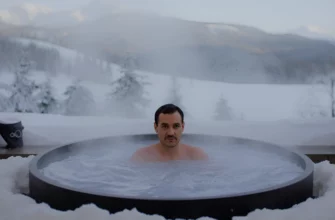
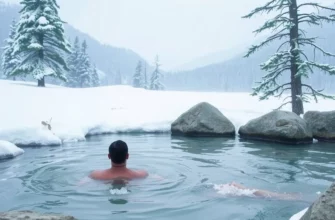
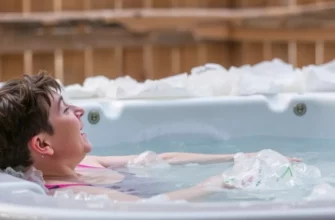
The Science of Sequencing: Is it Better to Hot Tub After a Cold Plunge?
Understanding the physiological impact of temperature extremes is the foundation of effective recovery. When you submerge your body in near-freezing water, your system initiates a survival response characterized by massive vasoconstriction, where blood vessels tighten to shunt blood toward your vital organs.
The decision to transition into a hot tub immediately after this “freeze” creates a powerful circulatory phenomenon known as the vascular pump. By moving from the cold into the heat, you force those constricted vessels to rapidly dilate, flushing the extremities with fresh, oxygenated blood and accelerating the removal of metabolic byproducts.
Why the Order of Heat and Cold Impacts Your Recovery
The specific sequence you choose dictates your hormonal and inflammatory response. When considering how to alternate between cold plunges and heat therapy, the most common goal is to leverage the lymphatic system. Cold water acts as a natural compressor, while heat acts as a vacuum; alternating these states creates a mechanical-like pumping action that reduces edema and clears cellular debris.
However, the question of whether is it good to hot tub after cold plunge depends heavily on your immediate goal. If you are training for hypertrophy (muscle growth), ending on heat can help maintain the blood flow necessary for protein synthesis. Conversely, if your primary concern is managing acute inflammation from a high-impact session, ending on cold is often the preferred route to keep the inflammatory markers suppressed.
One critical physiological factor to monitor is the afterdrop phenomenon. This occurs when blood from your cold extremities begins to circulate back to your core after you exit the water. If you jump into a hot tub too quickly, you may accelerate this process in a way that causes your core temperature to continue falling even while your skin feels warm, potentially leading to dizziness or nausea.
Maximizing the Benefits: A Guide to Contrast Therapy Methods
Contrast therapy is not a one-size-fits-all protocol. The direction of the temperature shift changes the “signal” you send to your central nervous system. Use the following comparison to determine which sequence aligns with your specific recovery needs for the day.
| Protocol Sequence | Primary Physiological Focus | Best Use Case |
|---|---|---|
| Hot-to-Cold (Ending Cold) | Reduction of systemic inflammation and nervous system “reset.” | Post-workout recovery, reducing muscle soreness, and increasing morning alertness. |
| Cold-to-Hot (Ending Hot) | Circulatory flush and relaxation of the parasympathetic nervous system. | Evening recovery, social relaxation, and relieving chronic joint stiffness. |
| The “Sollberg” Method (Alternating) | Maximum lymphatic drainage and metabolic waste removal. | Full-body “flush” after intense endurance events or heavy lifting cycles. |
Steam Rooms and Saunas: Navigating the Most Effective Heat Sequence
Steam rooms offer a unique physiological variable that hot tubs and dry saunas do not: high humidity. This moisture affects how your body experiences thermoregulation. In a steam room, your sweat cannot evaporate, which causes your internal temperature to rise more rapidly than in a dry environment, making it a potent tool for prepping the body for a cold shock.
Using moist heat before a plunge can also serve as a respiratory aid. The warm, humid air opens the airways and relaxes the intercostal muscles, which can help you maintain controlled breathwork once you hit the cold water. This preparation is vital for managing the initial gasping reflex that occurs during the first 30 seconds of cold immersion.
Should You Hit the Steam Room Before or After the Plunge?
Deciding on the steam room or cold plunge first usually comes down to how you want to manage the “shock” factor. Using the steam room first primes the vasodilation process, making the subsequent cold plunge before or after steam room session feel more intense but also more effective at triggering a robust norepinephrine release.
If you choose the steam room after the plunge, you are focusing on comfort and gradual warming. This is particularly beneficial for those who struggle with “bone-deep” cold that lingers after a long soak. The steam helps rehydrate the skin and provides a gentler transition for the circulatory system compared to the heavy hydrostatic pressure of a hot tub.
Integrating Movement: Timing Your Yoga and Stretching with Cold Water
The intersection of movement and immersion is where many athletes make mistakes. Stretching a muscle that has been “frozen” can be counterproductive. When muscle fibers are cold, their elasticity decreases, and the sensory receptors that prevent overstretching are dulled. This creates a risk of micro-tears if you attempt deep static stretching immediately after a cold plunge.
Instead, the ideal protocol involves using movement to generate internal heat. Doing a stretch before or after cold plunge sessions should be handled with nuance: dynamic movements (like lunges or arm circles) are excellent before the cold, while deep, restorative holds should be reserved for after the body has been fully rewarmed by a hot tub or natural movement.
Flowing and Freezing: Finding the Right Spot for Yoga
The trend of cold plunge before or after yoga has gained traction in the biohacking community. If you are practicing cold plunge before or after hot yoga, the metabolic demand is immense. Starting with hot yoga allows the body to reach a state of deep flexibility and high core temperature; following this with a cold plunge creates a “thermal stress” that can significantly boost mitochondrial health and calorie burn.
However, if your goal is mental clarity, performing a cold plunge before a standard yoga session can be transformative. The adrenaline spike from the cold provides a level of heightened focus that makes the subsequent yoga flow feel more intentional and grounded. Always ensure at least 10 minutes of active movement between the plunge and any deep stretching to ensure the synovial fluid in your joints has regained its viscosity.
The Biohacker’s Stack: Red Light Therapy and Cold Plunging
Red light therapy (RLT) and cold immersion are two of the most popular recovery “stacks.” RLT works by delivering specific wavelengths of light to the mitochondria, the powerhouses of your cells, to stimulate ATP production. When combined with the vascular effects of cold water, the results are synergistic, particularly for skin health and cellular recovery.
The timing of this stack is crucial. If you use red light therapy before or after cold plunge, you are essentially choosing between “priming” and “repairing.” Some practitioners prefer RLT first to optimize cellular energy before the stress of the cold. Others find that the increased blood flow following the rewarming phase (post-cold) allows the light energy to be more effectively utilized by the tissues.
Does Red Light Therapy Work Better Before or After the Cold?
Most clinical experts suggest that red light therapy after cold plunge is the superior method. After a cold plunge, your body begins a process of reactive hyperemia, where blood rushes back to the skin surface. This increased surface-level circulation can theoretically help the photons from the red light penetrate more effectively and circulate the benefits systemically.
Furthermore, RLT has a mild warming effect on the tissue. Using it after the cold helps mitigate the afterdrop and provides a soothing, non-invasive way to bring the skin temperature back to baseline. If you are using RLT for its anti-inflammatory properties, applying it after the cold plunge creates a “double-hit” of recovery that targets both the macro (blood flow) and micro (mitochondria) levels of the body.
Essential Hygiene and Comfort: Showers and Massages
While the science of temperature is exciting, the practicalities of hygiene are what keep your equipment—and your skin—healthy. Entering a shared cold plunge or hot tub without rinsing off is a recipe for bacterial growth and “bio-film” buildup. Beyond hygiene, the timing of your shower can also act as a “buffer” for the thermal shock.
| Activity | The “Do” Protocol | The “Don’t” Protocol |
|---|---|---|
| Showering | Always rinse with lukewarm water before entering a plunge to remove sweat, oils, and detergents. | Don’t use scalding hot water immediately after a plunge; it can cause skin irritation or “pins and needles.” |
| Massage | Schedule massages before the plunge or several hours after to allow the tissues to return to a normal state. | Don’t get a deep tissue massage while your muscles are still “numb” from the cold water, as you won’t feel potential injury. |
Managing the Mess: Shower and Massage Protocols
The debate over a cold plunge before or after shower is usually settled by the type of shower. A warm shower before the plunge can help relax the body, making the transition into the cold less jarring. However, if you are using a cold plunge before or after massage, be cautious. Massage therapy manipulates the same lymphatic pathways as contrast therapy. Combining them too closely can occasionally lead to a “healing crisis” where the body is overwhelmed by the amount of metabolic waste being moved at once.
If you must combine them, light lymphatic drainage massage is excellent after a hot-to-cold cycle. Avoid “percussive” therapy (like massage guns) on muscles that are still actively cold, as the tissue is less pliable and more prone to bruising.
Common Mistakes: Avoiding the Afterdrop and Overexposure
The most frequent error in contrast therapy is the “ego-driven” duration. More is not always better. Spending too much time in the cold can lead to hypothermia, while staying too long in the hot tub can lead to dehydration and electrolyte imbalances. The goal is a “hormetic” stressor—just enough to trigger a response, not enough to cause damage.
Critical Safety Warning: Never transition from a cold plunge to a hot tub if you are shivering uncontrollably. This is a sign that your core temperature has dropped too low. Wait for the shivering to subside through natural movement before introducing external heat to avoid a vasovagal response (fainting).
- Ignoring the 2-minute rule: Most of the benefits of cold immersion occur within the first 2-3 minutes. Staying in for 10+ minutes increases the risk of afterdrop without providing significant additional recovery benefits.
- Rapid transitions: Moving from 45°F to 104°F in seconds can cause a massive drop in blood pressure. Give your body 2 to 5 minutes of air-warming between the two.
- Forgetting hydration: Contrast therapy is incredibly dehydrating. The shift in blood pressure and temperature causes the kidneys to increase urine production (cold diuresis). Drink 16oz of electrolyte-rich water during your session.
In my professional experience working with high-performance athletes, I have found that the “psychological win” of a hot tub often outweighs the marginal physiological gains of ending on cold. However, I always advise my clients to prioritize the ‘End on Cold’ rule if their primary goal is long-term inflammation management or metabolic conditioning. When you end on cold, your body has to work significantly harder to rewarm itself internally, which burns more calories and strengthens the autonomic nervous system. If you choose to use the hot tub after the cold plunge, do it for the relaxation and social benefits, but understand that you are “blunting” some of the metabolic spike. My golden rule: Listen to the shiver. If you are shivering, your body is still fighting for homeostasis. Let it win that fight on its own for a few minutes before you jump into the heat.
Frequently Asked Questions
While generally safe for healthy individuals, a 2-5 minute transition period is recommended to prevent dizziness caused by the rapid expansion of blood vessels (vasodilation) following extreme constriction.
How long should I wait between the cold plunge and the hot tub?
A wait of three to five minutes allows your core temperature to stabilize and reduces the intensity of the afterdrop, ensuring a safer and more comfortable experience.
Will a hot bath after a cold plunge ruin the benefits?
It won’t “ruin” them, but it may reduce the metabolic boost and calorie burn associated with the body rewarming itself naturally. It still maintains the benefits of the “vascular pump” for circulation.
Can I use a steam room instead of a hot tub for contrast therapy?
Yes, steam rooms are an excellent heat source. They provide respiratory benefits and a different type of thermal stress that is often easier on the joints than the hydrostatic pressure of a hot tub.
Should I stretch before or after I cold plunge?
Perform light dynamic stretching before the plunge to prime the muscles. Save deep, static stretching for after you have fully rewarmed to avoid straining cold, less elastic muscle fibers.
What is better for sore muscles: a hot tub or a cold plunge?
The cold plunge is superior for acute soreness and swelling (like after a heavy lifting session), while the hot tub is better for chronic stiffness and increasing range of motion.