- Why cold plunge? Understanding the surge in icy recovery
- The cultural shift: From pro athletes to the local gym
- What happens to your body during a cold plunge?
- The immediate reaction: Cold shock and the vagus nerve
- The long-term shift: Brown fat and metabolic health
- Why does cold plunging make you feel so good?
- The dopamine high: Nature’s most powerful mood lifter
- Why athletes cold plunge for performance and recovery
- Reducing inflammation and clearing metabolic waste
- The logistical side: What do you need to do a cold plunge?
- Timing your dip: Why do people cold plunge in the morning?
- Safety first: What precautions should you take?
- Avoiding afterdrop and hypothermia
- The Great Debate: Is a cold plunge better than cryotherapy?
- Thermal conductivity: Why water wins for core cooling
- Expert Perspective: Hormetic Stress
- Frequently Asked Questions
Why cold plunge? Understanding the surge in icy recovery
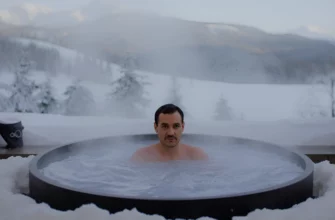
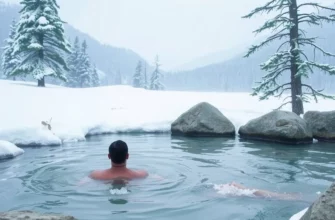
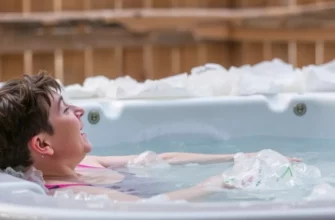
Cold water immersion is far from a modern fad; it is a biological homecoming. While the sight of individuals shivering in galvanized steel tubs has taken over social media feeds, the roots of this practice stretch back to ancient civilizations that recognized the restorative power of extreme temperatures. Today, the movement is driven by a convergence of high-level athletic recovery and the burgeoning field of biohacking.
The fundamental appeal of the cold plunge lies in its ability to provide an immediate, visceral physiological shift. It is one of the few wellness practices where the results are felt the second you exit the water. This instant feedback loop, combined with growing scientific validation, has transformed a niche ritual into a global health phenomenon.
The cultural shift: From pro athletes to the local gym
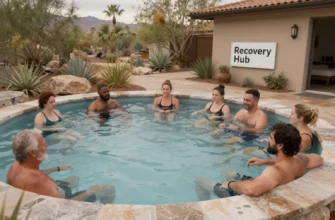
For decades, ice baths were the exclusive domain of elite locker rooms, used primarily by professional football players and marathon runners to numb aching joints after a game. However, the narrative has shifted from physical repair to mental optimization. People are increasingly asking why is cold plunge so popular among those who don’t even play sports, and the answer lies in the democratization of high-performance tools.
Online communities on platforms like Reddit have played a massive role in this expansion. Users share DIY chest freezer builds and detailed logs of their psychological breakthroughs, moving the conversation away from “how cold is the water” to “how resilient is the mind.” This grassroots exchange of information has demystified the process, making it accessible to anyone with a bathtub and a few bags of ice. As a result, the question of why are people cold plunging has shifted from a focus on muscle soreness to a pursuit of total systemic resilience.
What happens to your body during a cold plunge?
The moment your skin makes contact with water below 60°F, your body initiates a complex survival protocol. This isn’t just a feeling of being cold; it is a systemic “all-hands-on-deck” response managed by the autonomic nervous system. Your brain perceives the temperature as a threat to homeostasis and immediately begins reallocating resources to protect your vital organs.
This process follows a predictable timeline, moving from an acute stress response to a metabolic steady state. Understanding this progression is key to maximizing the benefits while managing the inherent risks of extreme thermal stress.
- The Cold Shock Response (0-30 Seconds): This is the most dangerous phase where the “gasp reflex” occurs. Your heart rate spikes, and your breathing becomes rapid and shallow as the sympathetic nervous system takes over.
- Vasoconstriction (30 Seconds ⎯ 2 Minutes): To preserve core temperature, the body constricts peripheral blood vessels. Blood is shunted away from the limbs and toward the heart, lungs, and brain.
- The Metabolic Shift (2 Minutes ⎯ 5 Minutes): As the initial shock subsides, the body begins non-shivering thermogenesis. This is where metabolic rate increases significantly as the body burns energy to produce heat internally.
- The Recovery Phase (Post-Plunge): Once you exit, vasodilation occurs. Fresh, oxygenated blood rushes back to the extremities, creating a tingling sensation and a profound sense of physical lightness.
The immediate reaction: Cold shock and the vagus nerve
When you first submerge, the sudden drop in skin temperature triggers a massive electrical impulse from peripheral nerve endings to the brain. This results in the “cold shock,” characterized by a sharp intake of breath. For beginners, the primary challenge is what does a cold plunge feel like in those first thirty seconds—it is often described as a mild sense of panic or an overwhelming urge to flee the water.
However, the magic happens when you stay. By consciously controlling your breath, you signal to your brain that the “threat” is manageable. This process stimulates the vagus nerve, the main component of the parasympathetic nervous system. Over time, this improves your vagal tone, allowing you to shift from a fight-or-flight state to a rest-and-digest state more efficiently. This is a core part of what happens when you cold plunge: you are essentially training your nervous system to remain calm under intense pressure.
The long-term shift: Brown fat and metabolic health
Beyond the immediate nervous system reset, regular exposure to cold water alters your metabolic composition. Humans possess two main types of fat: white adipose tissue (which stores energy) and brown adipose tissue (BAT), which burns energy to generate heat. Cold plunging is one of the most effective ways to activate and even increase your stores of brown fat.
When effects of cold plunging are studied over months, researchers observe improvements in insulin sensitivity and a higher resting metabolic rate. Because brown fat is mitochondria-rich, its activation helps regulate blood sugar levels and can assist in weight management. When considering what happens to your body in a cold plunge over the long term, think of it as a metabolic workout that strengthens your internal furnace, making you more resilient to both cold temperatures and metabolic dysfunction.
Why does cold plunging make you feel so good?
The “post-plunge glow” is not a placebo; it is a result of one of the most potent neurochemical releases available to the human body. While many health practices provide a subtle lift in mood, cold water immersion delivers a massive, sustained surge in neurotransmitters that govern focus, energy, and pleasure. This is why many practitioners describe the habit as addictive.
This neurochemical reset acts as a natural antidepressant and anxiolytic. By forcing the body through a brief period of intense discomfort, you earn a prolonged period of mental clarity and emotional stability that can last for the remainder of the day.
The dopamine high: Nature’s most powerful mood lifter
Research has shown that immersion in cold water (around 57°F) can increase blood dopamine concentrations by 250%. Unlike the dopamine spikes associated with social media or processed sugar—which are followed by a sharp “crash” below baseline—the dopamine release from cold plunging is steady and long-lasting. This is the primary reason why does cold plunge make you feel good for hours after you’ve dried off.
In addition to dopamine, the body releases a significant amount of norepinephrine. This chemical serves as both a hormone and a neurotransmitter, increasing vigilance and focus. For those chasing a feel good cold plunge experience, the combination of high dopamine and high norepinephrine creates a state of “calm alertness.” You feel energized and ready to tackle tasks, yet your baseline anxiety levels remain remarkably low.
Why athletes cold plunge for performance and recovery
For the athletic community, the cold plunge is a tactical tool used to manipulate the inflammatory response. High-intensity training creates micro-tears in muscle fibers and a buildup of metabolic byproducts. Cold water accelerates the removal of these elements, allowing athletes to return to their next training session with less perceived pain and higher power output.
However, the application must be strategic. While cold is excellent for recovery, it can actually hinder certain types of progress if timed incorrectly. Professional trainers now emphasize the “window of adaptation,” where the goal of the session dictates whether the ice bath is a friend or a foe.
| Goal | Plunge Timing | Primary Benefit |
|---|---|---|
| Muscle Hypertrophy | Wait 4-6 hours post-workout | Prevents the cold from blunting the natural inflammatory signals required for muscle growth. |
| Endurance/Power | Immediately after session | Reduces core temperature and central nervous system fatigue for faster turnaround. |
| Injury Management | As needed | Provides localized numbing and systemic reduction in swelling (edema). |
Reducing inflammation and clearing metabolic waste
One of the primary reasons why do athletes cold plunge is to combat Delayed Onset Muscle Soreness (DOMS). The cold causes blood vessels to constrict, which helps “flush” lactic acid and other metabolic waste out of the muscle tissue. When you exit the water and the vessels dilate, the area is flooded with fresh, nutrient-rich blood that facilitates repair.
Furthermore, the hydrostatic pressure of the water itself acts like a full-body compression sleeve. This pressure helps move interstitial fluid, reducing the swelling that often follows heavy lifting or long-distance running. If you are wondering what does a cold plunge do for u after a grueling gym session, it essentially acts as a manual reset for your circulatory system, “cleaning the pipes” so your muscles can recover without being bogged down by excessive inflammation.
The logistical side: What do you need to do a cold plunge?
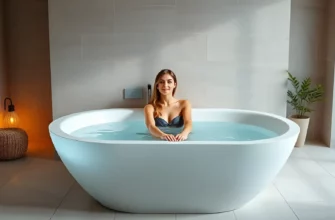
Starting a cold plunge practice does not require a massive financial investment, though the market for dedicated chillers is booming. The most important factor is consistency and safety. To begin, you simply need a vessel deep enough to submerge your body up to the neck and a way to monitor the temperature accurately.
- The Vessel: Options range from a standard bathtub or a $100 stock tank to a $5,000 insulated chiller unit.
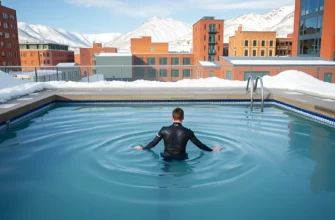
- The Water: Aim for a temperature between 45°F and 55°F. Beginners should start on the warmer end of this spectrum.
- The Timer: Never guess your time in the water. Use a visible timer to ensure you don’t exceed your planned duration.
- The Thermometer: A simple floating pool thermometer is essential for tracking progress and ensuring safety.
- Rewarming Gear: Have a towel, a warm hat, and loose-fitting clothes ready for the moment you exit.
Timing your dip: Why do people cold plunge in the morning?
The question of when should you take a cold plunge is often answered by your circadian rhythm. Most practitioners prefer the morning because the cold triggers a sharp rise in core body temperature as the body overcompensates for the external chill. This natural rise in temperature is a signal to the brain that it is time to be awake and alert.
Conversely, why do people cold plunge in the morning instead of the evening? A plunge late at night can interfere with sleep for some individuals because the resulting spike in core temperature and cortisol can make it difficult to drift off. However, for others, the massive “drop” in temperature that occurs about an hour after the plunge can actually mimic the body’s natural sleep-onset cooling. If you are new, start with morning sessions to leverage the energy boost.
Safety first: What precautions should you take?
Cold water immersion is a form of hormetic stress—a beneficial stressor—but only if the dose is appropriate. Overstepping your limits can lead to hypothermia, cardiac strain, or a phenomenon known as afterdrop. It is vital to treat the water with respect and never treat it as a competition of endurance.
Warning: Individuals with pre-existing heart conditions or high blood pressure must consult a physician before attempting a cold plunge. The initial cold shock response causes a rapid increase in blood pressure and heart rate that can be dangerous for those with underlying cardiovascular issues.
- Start Slow: Begin with 30-60 seconds and gradually increase your time as your tolerance builds.
- Never Plunge Alone: If you are a beginner or experimenting with lower temperatures, always have a “spotter” nearby.
- Focus on Breath: If you cannot control your breathing, the water is too cold or you have stayed in too long.
- Hands and Feet: These areas lose heat fastest. It is perfectly acceptable to keep your hands out of the water or wear neoprene booties to extend your session.
Avoiding afterdrop and hypothermia
A common mistake is thinking the danger ends when you leave the tub. “Afterdrop” occurs when the blood from your cold extremities begins to circulate back to your core, causing your internal temperature to continue falling even after you are in a warm room. This is often what happens to your body after a cold plunge if you jump straight into a hot shower, which can cause fainting due to rapid changes in blood pressure.
When considering what precautions should i take before starting cold plunge therapy, the rewarming process is at the top of the list. Instead of external heat, use “active rewarming.” Perform light movement like the “horse stance” or air squats to generate internal heat. Pat yourself dry, put on layers, and let your body do the work of returning to baseline naturally. This reinforces the metabolic benefits and ensures a safe transition.
The Great Debate: Is a cold plunge better than cryotherapy?
The rise of cryotherapy chambers—which use liquid nitrogen or electricity to cool air to -200°F—has led to a debate over which method is superior. While cryotherapy is “drier” and often perceived as more comfortable, the physics of heat transfer tells a different story. Water is significantly more dense than air, making it a much more efficient conductor of thermal energy.
When you are in a cold plunge, the water is constantly pulling heat away from your body. In a cryo-chamber, a thin layer of air can actually insulate the skin, potentially reducing the depth of the “chill.” For those seeking a deep systemic reset, water immersion is generally considered the more potent stimulus.
Thermal conductivity: Why water wins for core cooling
The purpose of cold water plunge therapy is to lower the temperature of the underlying tissue and the core. Because water is roughly 25 times more thermally conductive than air, a 50°F water plunge will feel significantly colder and produce a more intense physiological response than a -200°F cryo-session. This is the primary reason whats better cryo or cold plunge is usually answered in favor of the plunge for those seeking metabolic and anti-inflammatory benefits.
Cryotherapy has its place, particularly for those who cannot tolerate being wet or who need a very quick, skin-level treatment. However, for the robust hormonal and neurochemical shifts discussed earlier, the “big freeze” of water immersion remains the gold standard in thermal stress. It is cheaper, more accessible, and, according to the physics of conductivity, more effective at reaching the core.
Expert Perspective: Hormetic Stress
In my professional experience working with high-performance clients, the most misunderstood aspect of cold plunging is the concept of Hormesis. I always advise people that the “magic” isn’t in the cold itself, but in your body’s reaction to it. The goal is to trigger a controlled stress response that forces your system to over-compensate. This is why the breath is so critical; if you are gasping and panicking, you aren’t training resilience, you’re just suffering. I find that using a “Sobering” breathwork technique—long, slow exhales—during the first 60 seconds is the difference between a session that leaves you energized and one that leaves you exhausted. Don’t chase the lowest temperature; chase the best response.
Frequently Asked Questions
Beginners should aim for 1 to 2 minutes at a temperature between 50°F and 60°F. Focus on calming your breath rather than staying in as long as possible. Consistency is more important than duration.
What does a 2-minute cold plunge do for the body?
A two-minute dip is long enough to trigger the release of norepinephrine and dopamine, providing a significant mood boost and mental clarity while initiating the process of vasoconstriction for recovery.
Why does Tony Robbins do a cold plunge every morning?
Tony Robbins uses the cold plunge as a “priming” tool. It serves to instantly change his physiology, build mental discipline, and create a state of peak alertness to start his day.
Is it better to cold plunge before or after a workout?
For fat loss or mental health, anytime works. For muscle growth, wait at least 4 hours after training, as the cold can blunt the inflammatory signals needed for muscle fiber repair and hypertrophy.
Can cold plunging help with anxiety and depression?
While not a replacement for therapy, the massive dopamine surge and vagus nerve stimulation can significantly improve mood, reduce stress, and build psychological resilience over time.
What is the point of a cold plunge at the gym?
Gyms provide cold plunges to help members manage systemic inflammation and reduce muscle soreness, allowing for more frequent and intense training sessions without the lingering effects of DOMS.