- Understanding the core benefits of rewilding for a changing planet
- How rewilding land fosters biodiversity and resilience
- Can nature pay for itself? The economic benefits of rewilding land
- Boosting local economies through sustainable ecotourism
- Rewilding the North American landscape: Challenges and local wins
- Success stories: Benefits of rewilding in the United States
- Bringing the wild home: Why urban rewilding is the future of city living
- Small-scale changes with massive environmental impacts
- The internal shift: How human rewilding impacts mental health
- The biological need for wild spaces
- Navigating the friction: Arguments for rewilding vs․ practical concerns
- Finding common ground in land management
- Expert Perspective: The Science of Trophic Cascades
- Frequently Asked Questions
Understanding the core benefits of rewilding for a changing planet
Rewilding represents a fundamental shift in how we perceive our relationship with the natural world․ Rather than attempting to micromanage every acre of land, this approach focuses on restoring natural processes and allowing ecosystems to govern themselves once again․
By stepping back and letting nature take the lead, we move from a model of constant human intervention to one of ecological repair․ This transition is not about abandoning the land, but rather about reinstating the functional drivers that keep an environment healthy and vibrant․
How rewilding land fosters biodiversity and resilience
The primary goal of rewilding land is to create a self-sustaining system where the flora and fauna interact without the need for constant human “gardening․” When we talk about ecological stability, we are referring to the ability of an environment to withstand external shocks such as climate fluctuations or invasive species outbreaks․
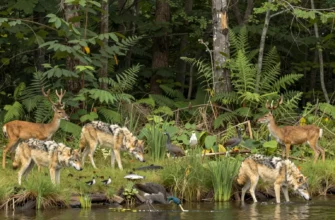
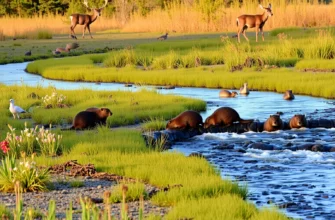
A key component of this process is the reintroduction of keystone species․ These are animals or plants that have a disproportionately large effect on their environment relative to their abundance․ For example, when beavers are reintroduced to a watershed, they build dams that create wetlands, which in turn support thousands of other species and provide natural filtration for our water supplies․
By fostering these complex webs of life, rewilding creates a buffer against the loss of species․ A diverse ecosystem is a resilient one; if one species struggles, others are there to fill the functional gap․ This redundancy in nature is what prevents total system collapse during periods of environmental stress․
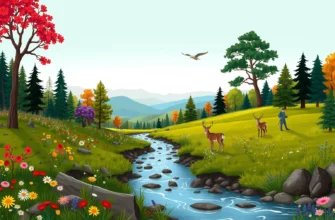
Furthermore, rewilding land encourages the development of “mosaic” habitats․ Instead of a uniform forest or a flat grassland, a rewilded landscape features a mix of scrub, open groves, and dense thickets․ This variety maximizes niche availability, allowing for a higher density and variety of life than traditional conservation plots often permit․
Can nature pay for itself? The economic benefits of rewilding land
There is a common misconception that rewilding is an expensive luxury that removes land from the “productive” economy․ In reality, moving toward a nature-based economy can significantly reduce long-term costs while opening up entirely new streams of revenue for rural and urban areas alike․
From a fiscal perspective, rewilding acts as a massive insurance policy․ Intact ecosystems provide essential services—like flood mitigation and carbon storage—that would otherwise cost billions to replicate through artificial gray infrastructure like concrete dams or mechanical carbon scrubbers․
| Economic Driver | Financial Impact | Benefit to Local Community |
|---|---|---|
| Flood Management | Reduces infrastructure repair costs by using natural floodplains to absorb excess rainfall․ | Lower insurance premiums and less property damage in downstream towns․ |
| Carbon Sequestration | Generates revenue through high-integrity carbon credits for landowners․ | Direct financial incentives for keeping land wild rather than clearing it․ |
| Ecotourism | Attracts high-spending visitors seeking authentic wilderness experiences․ | New job opportunities in hospitality, guiding, and local retail․ |
| Agricultural Resilience | Increases pollinator populations which boosts crop yields in adjacent farmlands․ | Long-term food security and reduced reliance on chemical fertilizers․ |
Boosting local economies through sustainable ecotourism
Rewilding projects often breathe new life into rural areas that have suffered from the decline of traditional industry or intensive farming․ When a landscape becomes “wild” again, it becomes a magnet for sustainable ecotourism, which often provides more stable and diverse employment than seasonal agriculture alone․
In many regions, the economic benefits of rewilding are seen in the rise of wildlife photography, hiking tours, and luxury “glamping” sites․ These businesses require guides, hospitality staff, and local suppliers, creating a multiplier effect that keeps wealth within the community․ For instance, the presence of apex predators or large herbivores can turn a previously overlooked valley into a world-class destination․
Beyond tourism, the proximity to wild spaces has a measurable impact on property values․ People want to live near nature․ Areas that prioritize habitat connectivity and green space often see a rise in residential demand, which can increase the local tax base and fund better public services․ This transition toward a nature-based economy ensures that the land remains productive in a modern context without being exploited to the point of exhaustion․
Rewilding the North American landscape: Challenges and local wins
In North America, the scale of the landscape offers unique opportunities for large-scale ecological restoration․ The continent once supported massive migrations of bison and caribou, and reconnecting these broken pathways is central to the future of conservation in the United States and Canada․
The challenge lies in the fragmented nature of the land․ Between sprawling cities and industrial-scale farms, wildlife often finds itself trapped in “islands” of habitat․ Rewilding in this context is about building bridges—both literal and metaphorical—between these isolated pockets of life․
Success stories: Benefits of rewilding in the United States
The reintroduction of wolves to Yellowstone National Park remains the gold standard for understanding the pros and cons of rewilding North America․ When wolves returned, they managed the elk populations, which allowed overgrazed willows and aspens to recover․ This, in turn, stabilized riverbanks and provided habitat for songbirds and beavers․ This “trophic cascade” proved that a single species can fundamentally reshape an entire geography․
In the American Midwest, prairie restoration projects are proving equally vital․ By returning native grasses and bison to the land, conservationists are rebuilding some of the most fertile soil on the planet․ These deep-rooted grasses are incredible at sequestering carbon and absorbing heavy rainfall, which helps prevent the catastrophic “dust bowl” conditions that occur when traditional topsoil is depleted․
However, we must also acknowledge the pros and cons of rewilding North America․ While the ecological gains are massive, there are real concerns regarding livestock safety and the impact on traditional ranching․ Successful projects are those that work with local landowners to provide predator-proof fencing and compensation programs, ensuring that the return of the wild doesn’t come at the expense of a family’s livelihood․
Bringing the wild home: Why urban rewilding is the future of city living
Rewilding isn’t just for the vast plains of Montana or the forests of the Pacific Northwest․ In fact, some of the most impactful work is happening in the heart of our most crowded cities․ Urban rewilding aims to soften the concrete jungle, making our cities more livable for both humans and wildlife․
As urban areas expand, they create “heat islands”—pockets of the city that are significantly hotter than surrounding rural areas due to asphalt and dark roofs․ By reintroducing native vegetation, cities can lower ambient temperatures by several degrees, reducing the energy needed for air conditioning and saving lives during heatwaves․
- Audit your space: Identify areas like unused lawn or concrete corners that can be converted to native plantings․
- Plant for pollinators: Use native flowering species to support local bee and butterfly populations․
- Reduce light pollution: Use shielded outdoor lighting to help nocturnal insects and birds navigate the city safely․
- Install green infrastructure: Consider a green roof or a vertical garden to naturally insulate your home and manage stormwater runoff․
- Stop the chemicals: Eliminate pesticides and herbicides to allow a healthy soil microbiome to develop․
- Create water features: Even a small, shallow pond can provide a critical hydration station for urban wildlife during dry spells․
Small-scale changes with massive environmental impacts
The benefits of urban rewilding are cumulative․ While a single backyard meadow might seem insignificant, a thousand such backyards create a functioning wildlife corridor through a city․ This connectivity allows species to move, find mates, and maintain genetic diversity in an otherwise hostile environment․
Green roofs and vertical forests are also transforming the skyline․ These features do more than just look beautiful; they act as biological filters, trapping particulate matter from car exhausts and improving the air quality for everyone․ In cities like Singapore and Milan, these projects have shown that integrating nature into architecture is a viable way to combat the negative effects of urbanization․
The internal shift: How human rewilding impacts mental health
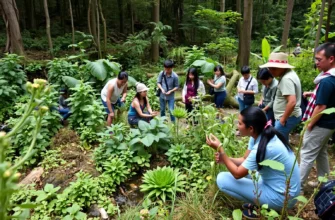
While most discussions focus on the land, there is a growing movement centered on human rewilding․ This is the practice of reconnecting our own biology with the natural rhythms we evolved to live within․ In an age of constant digital stimulation and sedentary lifestyles, the benefits of human rewilding are profound․
Our bodies are not designed for 24/7 artificial light and climate-controlled environments․ When we spend time in wild spaces, our physiology begins to reset․ This isn’t just a “feeling”—it is a measurable biological response that impacts everything from our immune system to our cognitive performance․
The biological need for wild spaces
The biophilia hypothesis suggests that humans possess an innate tendency to seek connections with nature and other forms of life․ When we are deprived of this, we experience “nature deficit disorder,” which can manifest as heightened anxiety, poor sleep, and reduced focus․ Immersing ourselves in nature—even for just 20 minutes a day—has been shown to significantly lower cortisol levels, the hormone responsible for stress․
Furthermore, nature provides a specific type of sensory input that allows our brains to recover from “directed attention fatigue․” Modern life requires us to focus intensely on screens and tasks, which is exhausting․ Natural environments provide “soft fascination”—interesting but non-demanding stimuli—that allows our prefrontal cortex to rest and recharge․ This is why many people find their best ideas come to them during a walk in the woods; the wild provides the mental clarity necessary for deep creativity․
Navigating the friction: Arguments for rewilding vs․ practical concerns
No major environmental shift happens without friction․ Rewilding often faces pushback from those who feel it threatens traditional land use, particularly in the agricultural sector․ To move forward, we must have a transparent conversation about the advantages and disadvantages of these projects․
The conflict often boils down to a perceived choice between “nature” and “people․” However, the most successful rewilding initiatives are those that incorporate human needs into the design, treating local communities as partners rather than obstacles․
| Potential Concern | The Rewilding Perspective | Path to Resolution |
|---|---|---|
| Loss of Agricultural Land | Focuses on marginal land where farming is already economically unviable without heavy subsidies․ | Offer diversification grants to farmers who transition to nature-based tourism or carbon farming․ |
| Predation of Livestock | Apex predators are essential for culling diseased animals and maintaining healthy herds․ | Implement government-backed insurance and non-lethal deterrents like guard animals․ |
| Public Safety | Wild animals generally avoid human contact; education reduces the risk of negative encounters․ | Develop clear signage and public awareness campaigns for residents and tourists․ |
| Economic Displacement | Traditional jobs may change, but new sustainable sectors offer more longevity․ | Invest in local retraining programs to ensure rural workers can lead the new nature-based economy․ |
Finding common ground in land management
The pros and cons of rewilding show that it is not a “one size fits all” solution․ In some areas, regenerative agriculture—which combines food production with high-biodiversity practices—is a better fit than total rewilding․ This middle ground allows for the restoration of soil health and carbon capture while maintaining the local food supply․
Ultimately, rewilding is a tool in a larger kit․ It is about mitigating human-wildlife conflict through smart design and shared goals․ When we view a wilder landscape as a source of clean water, flood protection, and mental well-being, the “disadvantages” often reveal themselves to be manageable logistical challenges rather than insurmountable barriers․
Expert Perspective: The Science of Trophic Cascades
In my professional experience, the most misunderstood aspect of rewilding is the timeline of success․ People often expect instant results, but true ecological repair is a slow-burn process․ I always advise stakeholders to look at the “trophic cascade” as a domino effect․ When I’ve worked on projects involving the reintroduction of keystone species, we don’t just see more animals; we see changes in the very chemistry of the soil and the flow of the water․
For instance, when you bring back a top predator, you aren’t just “managing” a population; you are restoring the fear-response in herbivores, which prevents them from overgrazing sensitive riverbanks․ This allows vegetation to return, which shades the water, cools it, and allows fish species to thrive․ Rewilding is about kickstarting these natural feedback loops so that, eventually, we can step away entirely․ The goal is to reach a point where the system is self-willed and autonomous, no longer requiring a human hand to maintain its balance․
Frequently Asked Questions
Rewilding restores essential biodiversity and ecosystem services, such as natural flood prevention, massive carbon sequestration, and the stabilization of local climates through increased vegetation cover․
How does rewilding differ from traditional conservation?
Traditional conservation often seeks to “freeze” an ecosystem in a specific state through management, while rewilding focuses on reinstating natural processes and letting the environment evolve and self-govern․
Can rewilding help fight climate change?
Yes, by restoring peatlands, grasslands, and forests, rewilding creates highly efficient carbon sinks that pull CO2 from the atmosphere more effectively than many technological solutions․
What are the biggest disadvantages of rewilding projects?
The main challenges involve conflicts with livestock farming, the potential loss of traditional agricultural heritage, and the need for new economic models to support rural livelihoods during the transition․
Is rewilding possible in a small backyard?
Absolutely․ By removing invasive species, planting native flora, and avoiding chemical use, even a small urban garden can become a vital habitat for pollinators and local birds;
What is human rewilding exactly?
It is a lifestyle approach that emphasizes reconnecting with natural environments, eating seasonal foods, and moving in ways that align with our evolutionary biology to improve mental and physical health․