- Choosing the Right Neoprene Booties for Cold Plunge Comfort
- Thickness and Grip: What to Look For
- Essential Gear to Pair with Your Thermal Booties
- Why a Cold Plunge Mask Changes the Experience
- Acrylic vs. Plastic vs. Aluminum: Which Material Lasts Longest?
- The Rise of the Polar Cold Plunge Plastic Designs
- Maximizing Small Spaces with a Collapsible Cold Plunge
- Setting Up Your Portable Recovery Station
- Is a Premium Sunlighten Cold Plunge Worth the Investment?
- Breaking Down the Long-Term Cost of Ownership
- Keeping It Clean: How to Maintain a Sanitized Cold Plunge
- Simple Steps for Crystal Clear Water
- Expert Perspective: Protecting Your Extremities
- Frequently Asked Questions
Choosing the Right Neoprene Booties for Cold Plunge Comfort
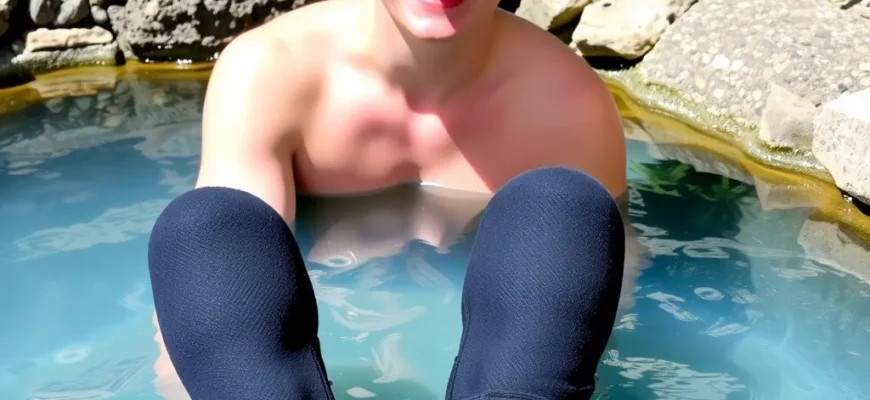
Stepping into a body of water hovering near freezing levels creates an immediate physiological shock that often manifests most painfully in the hands and feet. These extremities have a high surface-area-to-volume ratio and a dense network of cold-sensitive thermoreceptors, making them the first to scream in protest. Using neoprene booties for cold plunge sessions isn’t about being “soft”; it is a tactical decision to shield the most vulnerable nerve endings from the biting sting of ice water.
Neoprene acts as a closed-cell foam insulator, trapping a thin layer of water against your skin which your body heat then warms. This creates a thermal buffer that prevents the rapid heat transfer typical of high-conductivity environments like an ice bath. When your feet are protected, the psychological barrier to entry drops significantly, allowing you to focus on your breath rather than the agonizing sensation of “ice needles” in your toes.
The goal is to find a pair that fits like a second skin. A loose bootie allows “water flush,” where cold water constantly cycles in and out, negating the insulating properties of the neoprene entirely. Look for a snug ankle seal to ensure that once that initial layer of water is warmed by your skin, it stays put for the duration of your three-to-five-minute dip.
Thickness and Grip: What to Look For
Neoprene thickness is measured in millimeters, and for cold water immersion, the choice usually falls between 3mm and 5mm variants. A 3mm bootie offers excellent dexterity and is sufficient for temperatures above 45°F (7°C), providing a balance between protection and ease of movement. However, if you are pushing into the sub-40°F range, upgrading to a 5mm thickness is mandatory to prevent deep tissue numbness.
Safety extends beyond thermal protection; the transition in and out of a wet tub is a high-risk moment for slips and falls. High-quality booties feature vulcanized rubber soles or textured silicone patterns that provide essential traction on slick acrylic or aluminum surfaces. Never compromise on the sole grip, as a momentary loss of balance while your muscles are shivering and cold-stiffened can lead to serious injury.
Staying comfortable in ice water allows you to reach the therapeutic window required for metabolic benefits. By preventing numb toes, you ensure that you can walk safely to your warming station immediately after exiting, which is the most critical window for managing the afterdrop effect.
Essential Gear to Pair with Your Thermal Booties
While protecting your feet is the first step, a professional-grade recovery setup often requires a holistic approach to gear. Adding specialized equipment like a cold plunge mask or insulated gloves helps manage the “cold shock response,” which is the gasping reflex that occurs upon initial immersion. When you control the sensory input to your extremities and face, you regain control over your autonomic nervous system much faster.
| Accessory Type | Primary Benefit | Potential Drawback |
|---|---|---|
| Cold Plunge Mask | Stimulates the Vagus nerve via facial immersion without the “brain freeze” sensation. | Can feel restrictive for those with claustrophobia. |
| Neoprene Gloves | Prevents claw-hand stiffness and protects finger joints from cold-induced pain. | Reduces tactile feedback when climbing out of the tub. |
| Insulated Ground Mat | Prevents conductive heat loss through the floor when standing post-plunge. | Requires regular cleaning to prevent mold growth underneath. |
Why a Cold Plunge Mask Changes the Experience
The face is home to the trigeminal nerve, which, when stimulated by cold water, triggers the “mammalian dive reflex.” This reflex immediately slows the heart rate and redirects blood flow to the brain and heart, enhancing the meditative state of the plunge. A cold plunge mask allows you to dip your face into the water while protecting your eyes and forehead from the most intense thermal bite.
Relaxing during the plunge is the difference between a stressful ordeal and a restorative practice. By using a mask to manage facial immersion, you facilitate a deeper full body recovery by lowering cortisol levels through controlled environmental stress. It allows for a more immersive experience where the external world fades away, leaving only your breath and the cold.
Acrylic vs. Plastic vs. Aluminum: Which Material Lasts Longest?
Choosing the right vessel for your cold water practice is a decision that balances durability, thermal mass, and aesthetics. Each material interacts with the water and the ambient environment differently. For example, aluminum has high thermal conductivity, meaning it will transfer heat from the surrounding air into your water much faster than insulated plastic or acrylic unless it is specifically double-walled.
| Material | Durability Rating | Insulation Quality | Ideal Use Case |
|---|---|---|---|
| Acrylic | High (Resists scratching) | Excellent (Double-walled) | Indoor wellness rooms or luxury spas. |
| Plastic (HDPE) | Moderate (UV sensitive) | Good (Thick walls) | Budget-friendly backyard setups. |
| Aluminum | Very High (Industrial) | Poor (Requires a chiller) | Garage gyms and high-traffic commercial use. |
The Rise of the Polar Cold Plunge Plastic Designs
High-density polyethylene (HDPE) has become the gold standard for entry-to-mid-level tubs because of its incredible resilience. These “plastic” designs are often rotomolded, the same process used to make high-end coolers, which creates a hollow wall that can be filled with insulating foam. This makes them far superior to simple metal troughs when it comes to maintaining low temperatures without constant ice replenishment.
For those seeking inexpensive cold plunge options, plastic tubs offer the best “bang for your buck” because they are lightweight and easy to move. These durable outdoor tubs are specifically treated to withstand UV rays and fluctuating temperatures, preventing the material from becoming brittle or cracking after a season in the sun. They represent the most practical entry point for a dedicated home recovery station.
Maximizing Small Spaces with a Collapsible Cold Plunge
Not everyone has the luxury of a dedicated garage gym or a sprawling backyard for a permanent installation. The collapsible cold plunge has revolutionized the industry by making cryotherapy accessible to apartment dwellers and frequent travelers. These units typically utilize a multi-layered PVC and polyester fabric construction, often reinforced with a thin layer of thermal foam to provide a surprising amount of temperature retention.
The primary trade-off with a portable unit is the structural rigidity. While a permanent acrylic tub allows you to lean back and relax fully, a collapsible tub requires a bit more mindfulness. However, for the user who needs to reclaim their balcony or patio space after a session, the ability to drain, fold, and store the tub in a closet is an unbeatable advantage.
Setting Up Your Portable Recovery Station
Assembly for most collapsible units takes less than ten minutes and usually involves inserting support legs into sleeves and inflating a top ring for stability. Because these units are lightweight, you must ensure the surface can handle the weight of the water—a standard 80-gallon plunge weighs approximately 660 lbs (300 kg). Always verify your balcony’s load-bearing capacity before filling.
These units are an easy to store ice bath solution that doesn’t sacrifice the depth needed for full submersion. Portable recovery gear allows you to maintain your discipline while on the road, ensuring that travel-induced inflammation and fatigue are managed effectively. Just ensure the unit is bone-dry before folding it for long-term storage to prevent mildew.
Is a Premium Sunlighten Cold Plunge Worth the Investment?
When you move into the premium tier of equipment, such as Sunlighten systems, you are no longer just buying a tub; you are buying an automated laboratory. The energize cold plunge cost reflects the integration of high-powered chillers, advanced UV-C filtration, and smart-app connectivity. These systems are designed for the “set it and forget it” user who wants the water at exactly 39°F (4°C) every single morning without hauling bags of ice.
Deciding whether to buy cold plunge online from a premium vendor or build a DIY chest freezer conversion comes down to your valuation of time and safety. High-end systems are UL-listed and electrically grounded specifically for water immersion, a safety feature that DIY setups often lack. If you plan on plunging daily for the next decade, the amortized cost of a premium unit often beats the labor and ice costs of a manual setup.
Breaking Down the Long-Term Cost of Ownership
While the upfront price of high-end recovery systems is steep, the operational efficiency is often superior. A dedicated chiller for a well-insulated acrylic tub might only pull 500 watts while running, costing less than a dollar a day in electricity to maintain near-freezing temperatures. In contrast, a poorly insulated tub might require $15 worth of ice for a single session in the summer months.
Investing in wellness through a premium system also guarantees water consistency. When the water is always ready, you remove the “friction” of the habit. Consistency is the only way to achieve long-term physiological adaptations like increased mitochondrial density and improved brown fat activation. If a premium price tag ensures you actually use the tool every day, the ROI is undeniable.
Keeping It Clean: How to Maintain a Sanitized Cold Plunge
Water hygiene is the most overlooked aspect of home cold plunging. Because the water is cold, many users mistakenly believe bacteria cannot grow; however, biofilm and skin pathogens can thrive in stagnant water even at low temperatures. A sanitized cold plunge is essential not just for skin health, but to protect the internal components of your chiller and pump system from clogging.
- Check the Filter Weekly: Rinse out sediment and hair from the pleated paper filter to maintain high flow rates.
- Use Food-Grade Hydrogen Peroxide: A 35% concentration is an excellent chlorine-free way to oxidize organic matter without harsh chemical smells.
- Scrub the Waterline: Use a non-abrasive sponge to remove the “ring” of body oils and minerals that accumulate at the surface.
- Shower Before You Plunge: This simple step reduces the organic load on your filtration system by up to 80%.
Simple Steps for Crystal Clear Water
Modern tubs often come with built-in ozone generators or UV-C light sanitizers. These systems work by breaking down the DNA of bacteria and viruses as water passes through the plumbing loop. While these are highly effective, they are supplemental; you still need to monitor the pH levels to ensure the water isn’t becoming too acidic, which can corrode metal fittings.
Clean water for ice baths is a matter of routine. By maintaining your tub with a simple five-minute weekly check, you extend the life of the water to 3-4 months before a full drain and refill is required. This conservation is better for the environment and saves you the time required to re-chill a fresh 100-gallon volume of water.
Expert Perspective: Protecting Your Extremities
In my professional experience working with elite athletes and biohackers, the number one reason people quit their cold plunge routine is not the core cold, but the peripheral pain. I always advise my clients to invest in high-quality neoprene booties before they even look at fancy chillers. By insulating the fingers and toes, you prevent the intense “nociceptive” pain signals that trigger a premature exit. This allows your core to stay submerged long enough to actually trigger the metabolic and anti-inflammatory benefits you are looking for. Furthermore, protecting the extremities significantly reduces the risk of afterdrop, as it prevents the blood in your feet from becoming super-cooled and then rushing back to your heart when you stand up, which can cause a dangerous dip in core temperature.
Frequently Asked Questions
While not strictly mandatory, booties are highly recommended because they protect the dense nerve endings in your feet from “cold sting,” allowing you to stay in the water longer and more comfortably.
What is the difference between an acrylic and a plastic cold plunge?
Acrylic tubs offer a premium aesthetic, better scratch resistance, and superior double-walled insulation, whereas plastic (HDPE) tubs are more affordable, lightweight, and rugged for outdoor use.
How often should I clean my sanitized cold plunge?
You should check water clarity weekly and perform a full deep clean every 1 to 3 months, depending on whether you have an active filtration and ozone system in place.
Are collapsible cold plunges durable enough for daily use?
Yes, they are designed for daily use, but they are vulnerable to punctures from sharp objects and may require more frequent water changes due to less advanced built-in filtration.
Can I use regular socks instead of neoprene booties?
No, regular socks provide zero insulation and will actually make your feet feel colder by holding freezing water against your skin without the thermal barrier provided by closed-cell neoprene.