- Cracking the Weighted Blanket Formula for Restful Sleep
- The Standard 10% Body Weight Ratio Explained
- The Weighted Blanket Weight Scale: A Quick Reference Guide
- Weighted Blanket Recommendation Chart for All Ages
- Is Your Child’s Weighted Blanket Too Heavy? Safety Rules for Kids
- The Formula for Kids and Toddlers
- Debunking the Heavier is Always Better Myth
- Why Weight Distribution Trumps Total Mass
- Sensory Needs: Calculating Weight for Autism and ADHD
- Personalizing the Ratio for Sensory Processing
- DIY Guide: Calculating the Weight-to-Fabric Ratio
- Measuring Your Filler: Blanket Weight vs Person Weight
- Final Checklist: Before You Buy or Build
- Frequently Asked Questions
Cracking the Weighted Blanket Formula for Restful Sleep
Finding the right weighted blanket isn’t just about picking a heavy throw from a shelf; it is about matching a specific physiological need with a mathematical ratio․ The core of this system relies on Deep Pressure Stimulation (DPS)‚ a therapeutic technique that applies firm but gentle pressure to the body to switch the nervous system from a “fight or flight” state to a “rest and digest” state․
When you apply the correct weighted blanket body weight ratio‚ your brain perceives the pressure as a physical embrace․ This tactile input signals the brain to release serotonin and melatonin‚ while simultaneously reducing cortisol levels․ This hormonal shift is why the “formula” matters—too light and you miss the therapeutic benefits; too heavy and you risk physical discomfort or restricted movement․
The Standard 10% Body Weight Ratio Explained
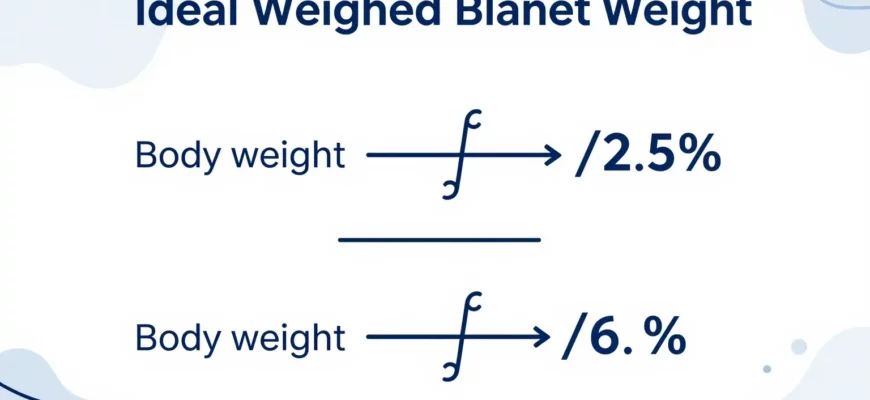
The 10% rule has become the industry benchmark because it provides enough pressure to stimulate the proprioceptive system without overwhelming the respiratory system․ For an adult weighing 150 pounds‚ the ideal weight for a blanket is 15 pounds․ This ratio ensures that the pressure is intense enough to be felt across the major muscle groups but light enough to be shifted or removed without significant effort․
However‚ the 10% rule is a baseline‚ not a rigid law․ Many users find that adjusting the weight by +/- 2 pounds allows for a more personalized experience․ If you are a side sleeper‚ you may prefer a slightly lighter blanket (around 8-9% of your body weight) because the weight is concentrated on a smaller surface area․ Conversely‚ back sleepers often find the 10% mark or slightly higher to be the “sweet spot” for total body relaxation․
The Weighted Blanket Weight Scale: A Quick Reference Guide
Navigating the weighted blanket weight scale requires a clear understanding of how mass translates to comfort across different demographics․ Most manufacturers produce blankets in 5-pound increments—typically 5‚ 10‚ 15‚ 20‚ and 25 pounds․ This means most users will need to round their calculated 10% figure to the nearest available product size․
The distinction between adult and child weights is the most critical factor here․ While an adult can safely experiment with a 12% or 13% ratio‚ pediatric use must strictly adhere to safety guidelines to prevent accidental suffocation or joint strain․ The following data points help bridge the gap between your calculated needs and the standard industry sizes․
Weighted Blanket Recommendation Chart for All Ages
| User Body Weight (lbs) | Recommended Blanket Weight (lbs) | Standard Industry Option |
|---|---|---|
| 40 – 60 lbs | 5 lbs | 5 lb Kids Blanket |
| 70 – 90 lbs | 7 – 9 lbs | 10 lb (Caution: may be too heavy) |
| 100 – 140 lbs | 10 – 14 lbs | 12 lb or 15 lb |
| 150 – 180 lbs | 15 – 18 lbs | 15 lb or 20 lb |
| 190 – 230 lbs | 19 – 23 lbs | 20 lb | 240+ lbs | 24 – 30 lbs | 25 lb or 30 lb |
When using a weighted blanket calculator for adults‚ if you fall exactly between two sizes—such as weighing 175 pounds—the decision to go up to 20 lbs or down to 15 lbs depends on your sensitivity․ Always choose the lighter option if you have circulatory issues or if you are a first-time user․ The goal is a gentle hug‚ not the feeling of being pinned to the mattress․
Is Your Child’s Weighted Blanket Too Heavy? Safety Rules for Kids
Applying a weighted blanket formula for kids requires a much more conservative approach than for adults․ Pediatricians and Occupational Therapists typically recommend a formula of 10% of the child’s body weight plus 1 or 2 additional pounds․ This slight addition compensates for the smaller surface area of a child’s body‚ ensuring the pressure is distributed effectively․
Safety is the absolute priority here․ A blanket that is too heavy can lead to postural issues or‚ in extreme cases‚ respiratory distress․ It is a non-negotiable rule that the child must be able to lift the blanket off themselves independently․ If they cannot move it without help‚ the blanket is unsafe․
The Formula for Kids and Toddlers
The 3kg weighted blanket age limit is a critical milestone in pediatric safety․ Most experts agree that weighted blankets should never be used for children under the age of 2 or those weighing less than 30 pounds․ At this stage of development‚ children lack the motor skills and muscle strength to navigate the weight if it shifts over their face during sleep․
When using a weighted blanket calculator toddler version‚ you must watch for signs of distress․ If your child is struggling to turn over‚ seems unusually restless‚ or shows any signs of redness on the skin‚ the blanket is likely too heavy․ Never use a weighted blanket as a restraint or in a way that limits the child’s natural range of motion․
Debunking the Heavier is Always Better Myth
A common misconception in the sleep wellness community is that more weight automatically leads to deeper sleep․ This logic is flawed because it ignores the physics of pressure distribution․ A 20-pound blanket with poor construction can feel significantly more burdensome and less therapeutic than a 15-pound blanket designed with precision weight distribution․
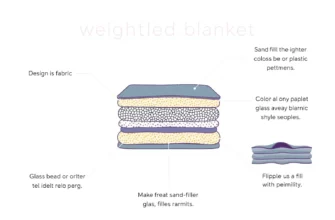
If the weight is not evenly dispersed‚ the internal fillers (usually glass beads or plastic pellets) will pool in the corners of the fabric pockets․ This creates “dead zones” where there is no pressure and “pressure points” where the weight is concentrated on a single joint or muscle‚ leading to morning soreness rather than relaxation․
Myth: Buying the heaviest blanket available will cure insomnia faster․
Fact: Excessive weight can trigger a “closed-in” feeling‚ increasing heart rate and anxiety․ The most effective blanket is the lightest one that still provides a calming effect․
Why Weight Distribution Trumps Total Mass
The construction of the blanket dictates how the gravity blanket which weight you choose actually feels․ High-quality blankets use small quilted pockets (typically 4×4 or 5×5 inches) to lock the filler in place․ This ensures that whether you are lying on your back or curled in a fetal position‚ the 10% ratio remains consistent across your body․
When considering weighted blanket best weight distribution‚ look at the filler material․ Micro-glass beads are superior to plastic pellets because they are denser and smaller․ This allows them to contour to the body like sand‚ providing a more fluid pressure than the bulkier‚ “bumpy” feel of poly-pellets․ This contouring effect is what makes a 15-pound glass-bead blanket feel more like a therapeutic tool and less like a heavy rug․
Sensory Needs: Calculating Weight for Autism and ADHD
For individuals with Sensory Processing Disorder (SPD)‚ Autism‚ or ADHD‚ the standard 10% rule often serves only as a starting point․ Sensory seekers—those who crave intense tactile input—may find that they require a higher percentage of weight to achieve a “grounding” effect․ Conversely‚ sensory avoiders might find even a 5-pound blanket overstimulating․
In these cases‚ the “formula” is less about math and more about individual feedback․ The goal for neurodivergent users is to provide proprioceptive input‚ which helps the brain understand where the body is in space․ This “grounding” can significantly reduce the “stimming” or restlessness often associated with ADHD and Autism before bedtime․
Personalizing the Ratio for Sensory Processing
When figuring out how to decide weight of sensory blankets‚ I strongly recommend a trial-and-error period using adjustable weights if possible․ Some specialized blankets allow you to add or remove weighted inserts․ This is particularly helpful for autistic blanket weights‚ as the user’s needs may change based on their daily stress levels or sensory environment․
Consulting with an Occupational Therapist (OT) is the gold standard for this process․ An OT can perform a sensory profile assessment to determine if the user needs deep pressure or if they are hyper-sensitive to touch․ In some clinical settings‚ OTs may even recommend weights up to 15-20% of body weight for short-term “calm down” sessions‚ though this is rarely recommended for overnight sleep․
DIY Guide: Calculating the Weight-to-Fabric Ratio
For the DIY community‚ making a weighted blanket requires a precise calculation of filler-to-surface area․ You cannot simply dump 15 pounds of beads into a duvet cover․ You must calculate the weight per square inch to ensure the blanket functions correctly and doesn’t tear under its own mass․
The first step is determining the dimensions․ A standard “throw” size is 48″ x 72″․ If you want a 15-pound blanket‚ you are looking at 240 ounces of filler․ To achieve perfect distribution‚ you might divide the blanket into 96 pockets (each 6″ x 6″)․ This means you must place exactly 2․5 ounces of beads into every single pocket․
Measuring Your Filler: Blanket Weight vs Person Weight
The weight of the fabric itself (the “shell”) must be accounted for in your total․ If you are using heavy fleece or denim‚ the fabric could weigh 2-3 pounds on its own․ Subtract the fabric weight from your target total weight before measuring your beads․ If your goal is 15 lbs and the fabric is 2 lbs‚ you only need 13 lbs of glass beads․
- Calculate Total Area: Multiply the length by the width (e․g․‚ 48 x 72 = 3‚456 sq inches)․
- Determine Pocket Count: Decide on pocket size (e․g․‚ 6×6 inches) and divide the total area by the pocket area (3‚456 / 36 = 96 pockets)․
- Divide Filler Weight: Convert your target bead weight to ounces and divide by the number of pockets (208 oz / 96 pockets = 2;16 oz per pocket)․
- Reinforce Stitching: Use heavy-duty upholstery thread and double-stitch every seam to prevent beads from escaping‚ which is a major choking hazard․
Final Checklist: Before You Buy or Build
Before committing to a specific weighted blanket formula‚ run through this final evaluation to ensure the product matches your lifestyle and physical needs․
- Check the Dimensions: A weighted blanket should cover your body‚ not the entire bed․ If it hangs over the edges‚ gravity will pull the weight toward the floor‚ making the blanket feel heavier and potentially sliding off in the night․
- Confirm Breathability: If you are a “hot sleeper‚” the weight can trap body heat․ Look for bamboo or cooling cotton covers rather than polyester minky fabrics․
- Verify Washability: Can your washing machine handle a 20-pound load? If not‚ ensure the blanket has a removable duvet cover for easier cleaning․
- Assess Mobility: Ensure the user can comfortably move their legs and adjust the blanket without assistance․
In my professional experience‚ I have seen many people obsess over hitting the exact 10% mark‚ only to find the blanket uncomfortable․ I always advise my clients to treat the formula as a suggestion rather than a rule․ The most important metric is proprioceptive comfort—the feeling that your joints and muscles are being “held” without being compressed․ In clinical practice‚ the ability to remove the blanket independently is the primary safety threshold․ If you feel any tingling in your limbs or a “heavy chest” sensation‚ you must reduce the weight immediately‚ regardless of what the math says․
Frequently Asked Questions
The 10% rule is the standard calculation used to find a blanket weight that provides therapeutic deep pressure without being restrictive; simply calculate 10% of your total body weight to find your ideal starting point․
Can a weighted blanket be too heavy for a child?
Yes‚ a blanket that exceeds the 10% + 2 lbs formula can be dangerous․ Never use weighted blankets for infants or toddlers under 30 pounds‚ as they pose a significant risk of suffocation and physical strain․
Should I round up or down if I’m between blanket weights?
For healthy adults‚ rounding up usually provides more of the desired pressure‚ but for seniors‚ children‚ or those with joint pain‚ you should always round down to the lighter size for safety․
Does the size of the blanket change the weight formula?
Yes‚ because weight is distributed over surface area․ A 15-pound King-size blanket will feel much lighter than a 15-pound Twin-size blanket because the pressure is spread over a much larger space․
What is the best weight for a 3-year-old?
For a 3-year-old‚ use the 10% + 1 lb formula‚ but ensure the total weight does not exceed 5 pounds and that the child has the physical strength to push the blanket off their chest easily․