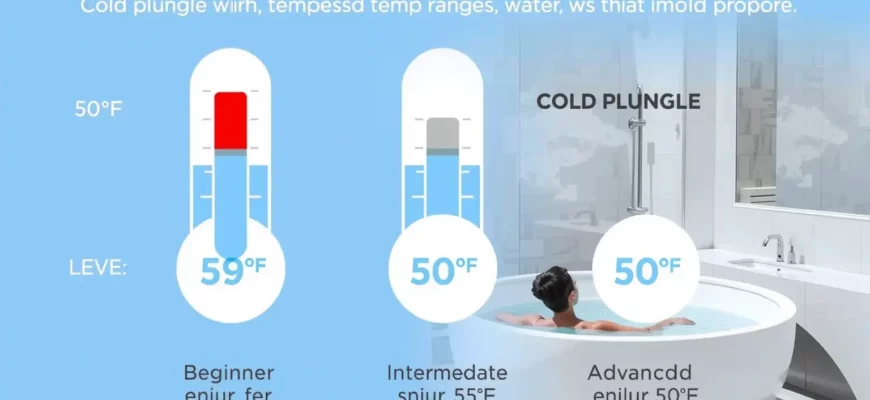
- How cold should a cold plunge be to actually work?
- Finding your personal baseline temperature
- Quick Reference: The Cold Plunge Temperature Chart
- The sweet spot: How cold does a cold plunge have to be for specific benefits?
- Boosting metabolism and activating brown fat
- Post-workout recovery and reducing soreness
- Is there a limit? How cold is too cold for a cold plunge?
- Recognizing the danger signs of hypothermia
- 5 Common Cold Plunge Mistakes to Avoid
- Technical Settings: How cold should your cold plunge tub or pool be set?
- Managing water quality and longevity
- Myth vs. Fact: Does colder water always mean faster results?
- Frequently Asked Questions
How cold should a cold plunge be to actually work?
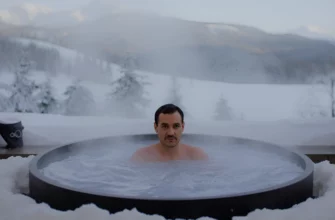
The quest for the perfect cold plunge temperature often leads beginners to believe that “colder is always better.” In reality‚ the most effective range for physiological benefits typically falls between 50°F and 59°F (10°C to 15°C).
This temperature range is sufficient to trigger a hormetic stress response—the biological process where a brief‚ controlled stressor makes the body more resilient. While some experienced practitioners dip into the 40s or even the high 30s‚ the 50-degree mark remains the “Goldilocks zone” for most health goals.
Finding your ideal setting is a balance between your current cold tolerance and the specific outcome you want to achieve. Whether you are chasing mental clarity or metabolic health‚ consistency and duration are more important than hitting the lowest possible number on the thermometer.
Finding your personal baseline temperature
If you are just starting a cold plunge routine‚ jumping into 40°F water can cause a violent “cold shock” response that leads to panic or gasping. This can be dangerous and usually ensures you won’t want to get back in the next day.
I recommend beginners start at 60°F (15.5°C) to allow the nervous system to adapt to the sensation of total immersion. At this level‚ you can still learn how to reduce inflammation and manage your breathing without the overwhelming physical pain associated with near-freezing water.
As you build “cold literacy‚” you can drop the temperature by 1 or 2 degrees every few sessions. The goal is to find a temperature that makes you want to get out immediately but allows you to stay in safely through controlled breathing.
Quick Reference: The Cold Plunge Temperature Chart
| Experience Level | Temperature Range | Typical Duration | Primary Focus |
|---|---|---|---|
| Beginner | 55°F – 60°F | 2 – 5 Minutes | Breath control and nerve acclimation |
| Intermediate | 45°F – 54°F | 2 – 3 Minutes | Metabolic boost and inflammation control |
| Advanced | 38°F – 44°F | 1 – 2 Minutes | Mental toughness and dopamine release |
| Extreme/Pro | 33°F – 37°F | Under 2 Minutes | Acute recovery (High risk of afterdrop) |
The sweet spot: How cold does a cold plunge have to be for specific benefits?
The human body reacts differently to various levels of cold stress. Understanding these nuances helps you tailor your sessions to your specific lifestyle needs rather than just enduring the cold for its own sake.
While the general range is broad‚ specific temperatures act as “keys” to unlock different biological pathways. For example‚ the temperature needed to trigger brown fat is often lower than what is required for simple muscle recovery after a long run.
By targeting specific ranges‚ you can maximize the efficiency of your time in the water. Spending 3 minutes at 52°F may be more beneficial for your metabolism than 1 minute at 35°F‚ as the longer duration allows for deeper systemic cooling.
Boosting metabolism and activating brown fat
One of the most sought-after benefits of cold immersion is the activation of brown adipose tissue (BAT). Unlike white fat‚ which stores energy‚ brown fat burns calories to generate heat through a process called non-shivering thermogenesis.
Research suggests that exposure to water around 50°F (10°C) significantly increases levels of norepinephrine‚ a hormone and neurotransmitter that triggers brown fat activity. This increase can be as high as 200% to 300% above baseline‚ providing a powerful metabolic stimulus.
When asking how cold should a cold plunge be for benefits like weight management‚ the answer lies in the duration. Staying in the water long enough to trigger a slight shiver is the physiological signal that your body is burning fat to maintain its core temperature.
Post-workout recovery and reducing soreness
For athletes‚ what temp should a cold plunge bath be depends heavily on the type of training performed. Cold water causes vasoconstriction‚ which helps flush metabolic waste from muscle tissues and reduces the swelling associated with delayed onset muscle soreness (DOMS).
A temperature of 54°F to 58°F is often ideal for recovery after exercise. This provides the anti-inflammatory benefits without being so cold that it causes excessive muscle tension. However‚ there is a catch: avoid cold plunging immediately after strength training if your primary goal is muscle growth (hypertrophy).
The inflammation that follows a weightlifting session is a necessary signal for muscle repair. If you plunge within 4 hours of lifting‚ you may “blunt” those growth signals. For best results‚ use the cold plunge on rest days or after high-intensity cardio sessions instead.
Is there a limit? How cold is too cold for a cold plunge?
There is a point of diminishing returns where the water becomes so cold that the risks outweigh the rewards. Water that is near freezing (33°F to 39°F) is significantly more taxing on the cardiovascular system and requires intense focus to manage.
At these extreme temperatures‚ the risk of “cold shock” increases. This is an involuntary gasp reflex that can lead to water inhalation if your head is submerged. Furthermore‚ the psychological stress of extreme cold can sometimes trigger a sympathetic nervous system “overdrive” that leaves you feeling exhausted rather than energized.
Consistency is the real driver of health benefits. It is better to plunge at 55°F five times a week than to plunge at 34°F once a month because you are too intimidated to get back in. Safety must always come before the “cool factor” of ice-clogged water.
Recognizing the danger signs of hypothermia
It is a common misconception that hypothermia only happens in frozen lakes over long periods. In very cold water‚ your core temperature can continue to drop even after you exit—a phenomenon known as the “afterdrop;”
If you experience a loss of motor control in your hands (making it hard to unzip a jacket) or if you begin to feel mental confusion‚ you have stayed in too long. The “afterdrop” occurs when cold blood from your extremities rushes back to your core as you warm up‚ potentially causing your internal temperature to plummet dangerously.
To stay safe‚ always have a towel and warm clothes ready. If can a cold plunge be too cold for your current level of experience‚ you will notice your skin turning a bright‚ angry red or feeling a deep‚ “bone-aching” pain that doesn’t subside after the first 60 seconds. If this happens‚ exit immediately.
5 Common Cold Plunge Mistakes to Avoid
- Holding your breath: Many people instinctively hold their breath when hitting cold water. This increases internal pressure and can lead to lightheadedness. Focus on long‚ slow exhalations to signal to your brain that you are safe.
- Staying in too long: There is no “extra credit” for staying in for 10 or 20 minutes. Most research shows that the maximum benefit occurs within the first 2 to 5 minutes. Exceeding 10 minutes increases the risk of nerve damage and severe afterdrop.
- Plunging alone as a beginner: Until you know how your body reacts to the cold shock‚ have a “spotter” nearby. Fainting is rare but possible due to the rapid shift in blood pressure.
- Using the “Ice Only” method: If you are using a bathtub‚ dumping 20 lbs of ice might only bring the temp down to 62°F. Always use a dedicated thermometer to ensure you are actually hitting your target range.
- Warming up too fast: Jumping into a hot shower immediately after a plunge can worsen the afterdrop and cause dizziness. Let your body warm up naturally for 10-15 minutes by moving around or putting on layers.
Technical Settings: How cold should your cold plunge tub or pool be set?
If you own a dedicated cold plunge tub with a chiller‚ you have the advantage of precision. Unlike a bathtub filled with ice‚ a chiller maintains a constant temperature‚ which is vital for tracking your progress and ensuring safety.
One factor many owners forget is water circulation. In a still bath‚ your body creates a “thermal layer” of slightly warmer water around your skin. In a tub with a circulating pump‚ this layer is stripped away‚ making 50°F feel significantly colder than it would in a still pool. If your tub has a high-flow pump‚ you may want to set the temperature 2-3 degrees higher than you would in a still bath.
For those using converted chest freezers‚ safety is the priority. Always unplug the unit before entering to avoid any risk of electric shock‚ and ensure the seal is tight when not in use to prevent the water from warming up between sessions.
Managing water quality and longevity
Maintaining a cold plunge tub involves more than just setting the temperature. Because cold water slows down bacterial growth‚ you don’t need the same chemical levels as a hot tub‚ but you cannot ignore sanitation entirely.
How long cold plunge water lasts depends on your filtration system. Without a filter‚ you should change the water every 3 to 5 sessions. With a high-quality ozone or UV filtration system‚ you can keep the same water for 2 to 3 months. Always shower before you plunge to remove oils and skin cells‚ which are the primary food sources for bacteria.
Keeping the water at a consistent 45°F to 50°F will also help the filtration system work more efficiently. If the water gets too warm‚ algae can bloom quickly‚ requiring a full drain and scrub of the tub interior.
Myth vs. Fact: Does colder water always mean faster results?
Myth: You need to be at 33°F to get the “real” benefits of cold water immersion.
Fact: Most clinical studies on norepinephrine and immune function show significant results at temperatures between 50°F and 55°F. Going colder primarily increases the psychological challenge (mental toughness) rather than the physiological benefit.
Myth: You should stay in as long as possible to “prove” your resilience.
Fact: The Soeberg Principle suggests a cumulative total of 11 minutes per week is all that is needed for metabolic and health benefits. This can be broken into three 4-minute sessions.
In my professional experience working with high-performance athletes‚ I have found that the most common mistake is chasing a “number” instead of a “feeling.” I always advise my clients to focus on the Minimum Effective Dose. If you can achieve a massive hit of dopamine and a reduction in inflammation at 52°F‚ there is no physiological reason to force yourself into 34°F water.
The real magic of the cold plunge happens when you reach a state of calm within the stress. If you are shivering uncontrollably and gasping for air‚ you aren’t training your nervous system; you are simply traumatizing it. I recommend aiming for a cumulative 11 minutes per week. Reaching a state of meditative stillness in 50-degree water will do more for your long-term health than a frantic 30-second dash into an ice-choked lake.
Frequently Asked Questions
For your first time‚ aim for a range between 55°F and 60°F. This is cold enough to be uncomfortable and beneficial but warm enough to avoid a dangerous cold shock response.
How long should I stay in a cold plunge at 50 degrees?
A duration of 2 to 5 minutes is ideal at 50°F. The goal is to trigger the body’s natural defense mechanisms without causing excessive core temperature drop or pain.
Can I do a cold plunge every day?
Yes‚ daily plunging is safe for healthy individuals. However‚ avoid plunging immediately after strength training to ensure you don’t interfere with muscle hypertrophy and growth signals.
Is 40 degrees too cold for a daily plunge?
For most people‚ 40°F is very intense and carries a higher risk of afterdrop. It is generally better suited for advanced practitioners or occasional use rather than a daily routine.
How do I know if the water is too cold for me?
If you experience uncontrollable gasping‚ persistent numbness that doesn’t go away‚ or mental confusion‚ the water is too cold or you have stayed in too long. Exit immediately.
Should I use a thermometer or just guess the temp?
Always use a digital thermometer. Guessing is inaccurate and can be dangerous‚ especially in DIY setups where temperatures can fluctuate wildly based on ambient conditions.