- Finding Your Ideal Weighted Blanket Sizing: The 10% Rule and Beyond
- Why Your Body Weight is the Most Important Measurement
- Matching Weighted Blanket Dimensions to Your Mattress and Height
- Standard Bed Sizes vs. Weighted Blanket Dimensions
- Quick Reference: Weighted Blanket Conversion Chart and Weight Calculator
- Using a Weighted Blanket Size Calculator for Accuracy
- Technical Specifications for DIYers: Bead Pockets and Square Foot Math
- The Science of Weighted Blanket Bead Pocket Size
- Fitting a Weighted Blanket for Children: Safety and DIY Sizing
- Customizing a Weighted Blanket Child Size DIY Project
- Avoiding the Most Common Weighted Blanket Sizing Mistakes
- When to Go Up or Down a Size
- Expert Perspective: Occupational Therapist Insight on Sensory Weighting
- Frequently Asked Questions
Finding Your Ideal Weighted Blanket Sizing: The 10% Rule and Beyond
Selecting a heavy cover is not as simple as picking out a standard comforter. The effectiveness of a calming wrap relies entirely on the physics of deep pressure stimulation, a therapeutic technique that applies firm, gentle pressure to the body to switch the nervous system from a state of “fight or flight” to “rest and digest.”
To achieve this physiological shift, the sizing must be precise. If the blanket is too light, you miss the sensory benefits; if it is too heavy, it can become restrictive or even cause physical fatigue over a full night of sleep.
Why Your Body Weight is the Most Important Measurement
The gold standard for fitting a weighted blanket is the 10% rule. For most adults, a blanket that weighs approximately 10% of their total body weight provides the ideal amount of proprioceptive input. If you weigh 150 pounds, a 15-pound blanket is your starting point. However, this is a baseline rather than a rigid law, as personal comfort levels vary significantly based on your sensitivity to pressure.
Many users find that adding one or two pounds—the “10% plus two” approach—offers a deeper sense of security, especially for those dealing with high levels of cortisol or restless leg syndrome. Conversely, if you are a “hot sleeper” or have joint sensitivity, you might prefer a ratio closer to 7% or 8% to prevent feeling trapped or overheated.
It is a common misconception that more weight equals faster sleep. In reality, excessive weight can lead to shallow breathing or muscle strain, particularly if the user is unable to shift positions easily during the night. The goal is a gentle “hug” sensation, not a crushing force that limits natural movement.
Matching Weighted Blanket Dimensions to Your Mattress and Height
One of the most frequent errors in weighted blanket measurements is assuming the blanket should match the size of your bed. Unlike traditional bedding, a weighted blanket should be smaller than the mattress surface. This design choice is functional rather than aesthetic, ensuring the weight remains concentrated on the body rather than pulling toward the floor.
When a heavy blanket hangs over the edges of a bed, gravity creates a downward pull that causes the blanket to slide off the mattress throughout the night. This often results in the user waking up to find their expensive sensory tool in a heap on the floor.
Standard Bed Sizes vs. Weighted Blanket Dimensions
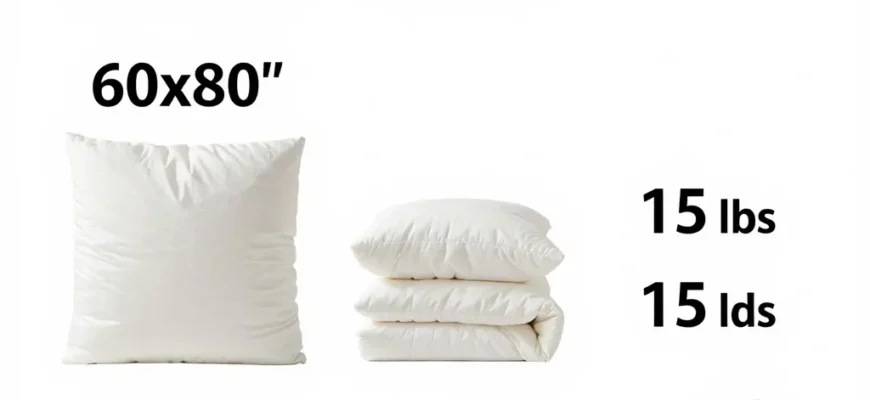
To find the right mattress fit, aim for a blanket that covers the top surface of the bed with about two to three inches of clearance from the edge. For a Twin bed, a 48″ x 72″ blanket is standard. For a Queen, a 60″ x 80″ model covers the sleeping area without draping over the sides. King-sized beds often require a 76″ x 80″ or 80″ x 87″ dimension, though many experts recommend two individual smaller blankets for couples with different weight needs.
Your height also dictates the necessary weighted blanket length. To maximize the calming effect, the blanket must cover you from the shoulders down to past your feet. If you are over six feet tall, a standard 72-inch blanket may leave your toes exposed or your shoulders unsupported. Look for “Large” or “Extra-Long” options that reach at least 80 inches to ensure full-body coverage.
When measuring for personal height, ensure the blanket is at least 6 to 10 inches longer than you are. This extra length allows for the “tenting” effect that occurs when the blanket drapes over your body’s curves, preventing the bottom from lifting off your feet when you move.
Quick Reference: Weighted Blanket Conversion Chart and Weight Calculator
To simplify the selection process, use the following data to determine which standard category fits your needs; This chart accounts for the 10% rule while aligning with the most common manufacturing dimensions available on the market today.
| User Body Weight (lbs) | Recommended Blanket Weight (lbs) | Ideal Dimensions (Inches) | Best Mattress Match |
|---|---|---|---|
| 40 ⎼ 70 lbs | 5 lbs | 36″ x 48″ | Toddler / Twin |
| 70 ─ 110 lbs | 7 ─ 10 lbs | 41″ x 60″ | Twin |
| 110 ─ 150 lbs | 12 ⎼ 15 lbs | 48″ x 72″ | Twin / Full |
| 150 ⎼ 200 lbs | 15 ─ 20 lbs | 60″ x 80″ | Queen |
| 200+ lbs | 25 ─ 30 lbs | 80″ x 87″ | King / Cal-King |
Using a Weighted Blanket Size Calculator for Accuracy
If you fall between weight categories, such as weighing 165 pounds, the weighted blanket conversion becomes a choice between a 15-pound or 20-pound model. Most occupational therapists suggest rounding down if you are a first-time user or have respiratory concerns, and rounding up if you are an experienced user of sensory tools. For custom weights, multiply your weight by 0.10 and add 1-2 lbs to find your target.
When calculating for international standards, remember that 1 kilogram is roughly 2.2 pounds. A 7kg blanket is the approximate equivalent of a 15lb blanket. Always check the fill material density, as glass beads take up less volume than plastic pellets, which can make a 15lb glass-filled blanket feel thinner and more breathable than a pellet-filled one of the same weight.
Technical Specifications for DIYers: Bead Pockets and Square Foot Math
Constructing a weighted blanket by the square foot requires a deep understanding of weight distribution physics. The primary goal of a DIY project is to ensure the weight remains stationary. If the pockets are too large, the filling will shift to one side, creating a lumpy, ineffective product that fails to provide even pressure.
Calculating the weight per square foot is the most reliable way to ensure consistency. To do this, divide the total target weight of the blanket by the total square footage. For a 15-pound blanket that is 4 feet by 6 feet (24 square feet), you need 0.625 pounds (or 10 ounces) of filling per square foot.
The Science of Weighted Blanket Bead Pocket Size
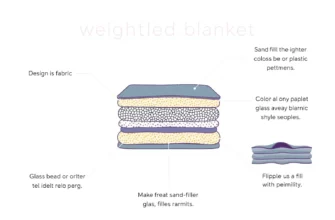
The size of the “quilted” pockets is the most critical technical specification for DIYers. Professional-grade blankets typically use 4-inch to 5-inch square pockets. This smaller size prevents the beads from “pooling” in the corners of the pocket, which would create localized pressure points rather than a smooth, even distribution.
If you increase the pocket size to 6 or 8 inches, you will notice a significant decrease in the blanket’s therapeutic effectiveness. Larger pockets allow the glass beads or hypoallergenic pellets to migrate, meaning the center of the pocket becomes empty while the edges become heavy. This unevenness can actually trigger sensory irritation rather than calming the nervous system.
When selecting materials, glass beads are the superior choice for high-density projects; They are smaller and heavier than plastic pellets, meaning you need less volume to reach your target weight. This allows for a thinner, more flexible blanket that contours better to the body’s shape. If you use plastic pellets, be prepared for a bulkier finished product that may trap more body heat.
Fitting a Weighted Blanket for Children: Safety and DIY Sizing
When designing or purchasing a blanket for a child, safety is the non-negotiable priority. A child’s respiratory system and muscle strength are not the same as an adult’s, and a blanket that is too heavy can be dangerous. Never use an adult-sized weighted blanket for a child, as the weight density can be overwhelming and potentially restrictive.
- DO: Follow a strict 10% of body weight rule without adding the extra “two pounds” typically recommended for adults.
- DO: Ensure the child can easily push the blanket off their body without assistance.
- DO: Use breathable fabrics like cotton or bamboo to prevent overheating.
- DON’T: Use a weighted blanket for children under the age of 2 or those who weigh less than 20-30 pounds.
- DON’T: Allow the blanket to cover the child’s head or neck area.
- DON’T: Use weighted blankets for children with physical disabilities that limit their mobility or strength.
Customizing a Weighted Blanket Child Size DIY Project
For a weighted blanket child size DIY project, the dimensions should be tailored to the child’s height rather than the bed size. A toddler-sized blanket is typically 36″ x 48″. This size is large enough to provide full coverage for a small child but small enough to manage and wash easily. The total weight should never exceed what the child can comfortably carry across the room.
When sewing for kids, consider using “minky” fabric on one side for sensory tactile input and a smooth cotton on the other. This dual-texture approach provides additional sensory processing benefits. Always double-stitch the seams and use reinforced thread to ensure that glass beads or pellets cannot escape, which would pose a choking hazard.
Avoiding the Most Common Weighted Blanket Sizing Mistakes
Many people treat a weighted blanket as a luxury decor item, but it is a functional tool. The biggest mistake is buying for “overhang.” In standard bedding, we love the look of a comforter draping over the sides of the mattress. In weighted bedding, overhang is the enemy of stability. If you have a 20-pound blanket and 5 pounds of it are hanging off the side, that 5 pounds is constantly pulling the rest of the blanket toward the floor.
Another common error is failing to account for the weight of the duvet cover. A heavy-duty plush or “weighted” duvet cover can add 2 to 3 pounds to the total weight of the system. If you are already at the top end of your weight limit, this extra weight can push the blanket into an uncomfortable or unsafe range.
When to Go Up or Down a Size
If you are choosing between sizes, consider your sleeping style. Side sleepers often prefer a slightly lighter blanket because the weight is concentrated on a smaller surface area (the hips and shoulders). Back sleepers can usually handle a slightly heavier model because the weight is distributed across the entire torso and legs. If you have a history of claustrophobia, always start with a lighter weight to acclimate your body to the sensation of pressure.
For couples, the temptation to buy one large King-size weighted blanket is high. However, unless you and your partner are nearly identical in weight and pressure preference, sharing a weighted blanket often results in one person feeling crushed while the other feels nothing. Individual blankets are almost always the better choice for sleep hygiene and long-term comfort.
Expert Perspective: Occupational Therapist Insight on Sensory Weighting
In my professional experience working with sensory processing disorders, I have seen how the right weighted blanket sizing can be the difference between a restless night and a restorative one. I always advise patients to think of a weighted blanket as a “nervous system regulator.” The goal is to provide enough proprioceptive input to stimulate the production of serotonin and melatonin while lowering cortisol. However, I have seen many individuals choose blankets that are far too heavy, which actually triggers a stress response because the body feels pinned down. If you feel any increase in heart rate or a sense of “heaviness” in your chest, your blanket is likely too heavy. Focus on the distribution; a well-distributed 10lb blanket often feels more effective than a poorly constructed 15lb one with large bead pockets.
Frequently Asked Questions
If the blanket is larger than the mattress, the overhanging weight will use gravity to pull the entire blanket off the bed during the night, leading to disrupted sleep and potential discomfort as the weight becomes unevenly distributed.
Should a couple share one large weighted blanket?
I generally recommend against sharing a single weighted blanket. It is difficult to find a weight that suits two different people perfectly, and the blanket may shift between partners, leaving one person without the therapeutic pressure they need.
How do I calculate the bead pocket size for a DIY blanket?
For the best results, use 4-inch or 5-inch square pockets. These smaller dimensions prevent the beads from pooling and ensure the weight stays evenly distributed across your entire body throughout the night.
Is the 10% rule different for elderly users?
Yes, for seniors, a lighter ratio of 5-7% is often safer. This accounts for potential respiratory issues, fragile skin, or decreased mobility, ensuring the user can move freely and breathe without restriction.
Can I use a weighted blanket size calculator for a crochet blanket?
You can, but you must account for the weight of the yarn first. Chunky yarns can be quite heavy on their own, so subtract the weight of the finished crochet piece from your target total weight before adding any inserts or beads.
How long should a weighted blanket be for a person over 6 feet tall?
For anyone over 6 feet, a blanket length of at least 80 inches is necessary. This ensures the blanket covers you from your neck down to your feet, allowing for the natural drape of the fabric without leaving your extremities exposed.