- Embracing the Cold Life: Why Cold Plunge Therapy is the New Wellness Standard
- How Regular Cold Plunging Resets Your System
- Space-Saving Solutions: Vertical and Upright Cold Plunge Designs
- The Balcony Cold Plunge: Bringing Recovery to Small Spaces
- Choosing Your Vessel: From Oval Tubs to Elemental Cold Plunge Tech
- Immersion Depth and Body Type: Finding the Ideal Cold Plunge
- Refrigerated Cold Plunges vs. Traditional Ice Baths
- The Economic Choice: Making Your Own Cold Plunge
- Global Traditions: Japanese Cold Plunge Pools and Swedish Therapy
- Contrast Therapy: The Fire and Ice Method
- The Beginner’s Protocol: Guided Cold Plunge and Safety
- Beyond the Tub: Facial Cold Plunges and Targeted Cold
- Expert Perspective: Professional Perspective on Cold Water Immersion
- Frequently Asked Questions
Embracing the Cold Life: Why Cold Plunge Therapy is the New Wellness Standard
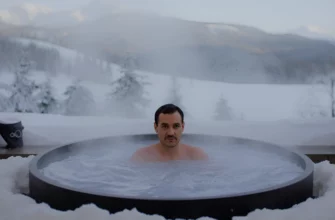
The transition from shivering in a cold shower to investing in a dedicated cold life cold plunge setup represents a significant shift in how we approach human resilience. What was once a niche practice reserved for elite athletes or eccentric biohackers has matured into a mainstream pillar of proactive health management. This movement isn’t just about the immediate shock of the water; it is about the long-term physiological adaptations that occur when we step outside our thermal comfort zone.
By adopting a lifestyle centered on cold water therapy, practitioners are tapping into ancient survival mechanisms that modern climate-controlled environments have largely rendered dormant. This intentional stressor triggers a cascade of hormonal and neurological responses that improve everything from vascular health to emotional regulation.
How Regular Cold Plunging Resets Your System
The neurobiology of regular cold plunging is anchored by a massive release of norepinephrine and dopamine. Research indicates that a single immersion can elevate dopamine levels by as much as 250%, providing a sustained sense of focus and well-being that lasts for hours after exiting the tub. Unlike the jittery spike associated with caffeine, this increase is gradual and stable, making it a powerful tool for those managing mood fluctuations or attention deficits.
From a physical standpoint, the benefits of cold plunge extend deep into the metabolic system. Cold exposure stimulates the production of brown adipose tissue (BAT), often referred to as brown fat. Unlike white fat, which stores energy, brown fat is thermogenic and burns calories to generate heat. This metabolic boost helps in how to reduce inflammation by suppressing pro-inflammatory cytokines, effectively acting as a systemic reset for the body’s recovery pathways.
Space-Saving Solutions: Vertical and Upright Cold Plunge Designs
As the “cold life” expands into urban settings, the traditional horizontal trough is being replaced by innovative vertical designs. For many apartment dwellers or homeowners with limited square footage, a vertical cold plunge offers the same depth of immersion as a standard tub but with a footprint no larger than a small armchair. These upright models allow users to sit or stand in a submerged position, ensuring that the water reaches the neck and upper traps—critical areas for stimulating the vagus nerve.
The engineering behind an upright cold plunge focuses on maximizing water column height while minimizing surface area. This design is particularly effective for those who prioritize a “deep soak” over a reclining position. Because the body is more compact in a vertical unit, the thermal layers stay more consistent, providing a more intense and uniform cold stimulus across the entire torso.
| Feature | Vertical/Upright Design | Horizontal/Traditional Tub |
|---|---|---|
| Floor Space | Minimal (approx. 3′ x 3′) | Substantial (approx. 6′ x 3′) |
| Immersion Style | Seated or standing (neck-deep) | Reclining (full body length) |
| Water Volume | Lower (70-90 gallons) | Higher (100-150 gallons) |
| Installation | Ideal for balconies and corners | Requires large patios or garages |
The Balcony Cold Plunge: Bringing Recovery to Small Spaces
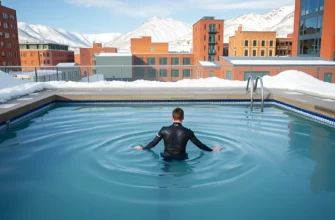
Integrating a balcony cold plunge requires careful consideration of structural integrity and logistics. Standard residential balconies are often rated for 40 to 60 pounds per square foot, but a filled mini cold plunge can easily exceed this limit if the weight isn’t distributed correctly. It is essential to consult a structural engineer or check your building’s load-bearing specifications before installing a small cold plunge in an elevated outdoor space.
The rise of the mini cold plunge has made it possible to maintain a rigorous recovery routine even in a studio apartment. These units often feature advanced insulation to keep water temperatures stable despite being exposed to the elements. When selecting a unit for a small space, look for models with integrated drainage systems, as improper water disposal can lead to structural damage or neighbor disputes in multi-unit buildings.
Choosing Your Vessel: From Oval Tubs to Elemental Cold Plunge Tech
The market for immersion recovery has branched into two distinct aesthetic and functional directions: the rugged, elemental cold plunge and the sleek, high-tech pure cold plunge. Elemental designs often utilize natural materials like cedar or stone-textured composites, aiming to mimic the experience of a mountain stream. These are popular for outdoor “wellness sanctuaries” where the visual appeal of the tub is as important as its performance;
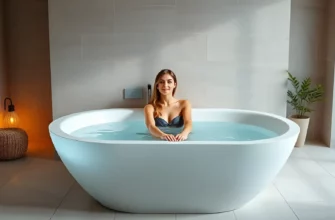
Conversely, the more modern oval cold plunge focuses on ergonomic efficiency. The oval shape is naturally conducive to the human form, allowing for a comfortable bend at the knees while keeping the chest fully submerged. Whether you choose a frosty cold plunge with a textured finish or an arctic ice setup with a metallic interior, the goal is to find a vessel that encourages consistency through comfort and ease of use.
Immersion Depth and Body Type: Finding the Ideal Cold Plunge
For many users, the primary struggle is finding a tub that accommodates their height without requiring excessive water. A large cold plunge is necessary for athletes over 6’2″ to ensure they aren’t left with their shoulders exposed to the air, which can diminish the effectiveness of the treatment. The Rock cold plunge and similar high-durability models are often preferred by larger individuals because their thick-walled construction provides better stability and higher weight capacities.
Finding the ideal cold plunge also means considering the ease of entry and exit. As you become more adapted to the cold, you may find that a deeper immersion cold plunge is more effective at triggering the “mammalian dive reflex,” which slows the heart rate and optimizes oxygen distribution. Always ensure your tub has a non-slip interior surface, as the transition from a frozen state to standing can sometimes lead to temporary loss of coordination or balance.
Refrigerated Cold Plunges vs. Traditional Ice Baths
The debate between a refrigerated cold plunge and a manual ice bath usually comes down to a trade-off between upfront cost and daily convenience. A refrigerated unit uses a dedicated chiller—essentially a high-powered air conditioner for water—to maintain a precise temperature 24/7. In contrast, an icy cold plunge requires the user to manually haul bags of ice or freeze large blocks of water, which can be time-consuming and inconsistent.
Technology like the cold cube has revolutionized the home wellness spa by offering constant filtration and ozone sterilization. This creates a pure cold plunge experience where the water remains crystal clear for months. While a refrigerated system has a higher initial price point, the cost of buying 40 pounds of ice daily can exceed $3,000 per year, making a powered chiller more economical for the daily practitioner.
| Metric | Refrigerated Chiller | Traditional Ice Bags |
|---|---|---|
| Initial Investment | High ($2,000 ⎯ $5,000) | Low ($50 ⎯ $200 for tub) |
| Operating Cost | Low (approx. $15/month electricity) | High ($10 ⎯ $20 per session for ice) |
| Temperature Control | Precise (set to the degree) | Variable (depends on ice volume) |
| Convenience | Always ready (set and forget) | High prep time (30+ minutes) |
The Economic Choice: Making Your Own Cold Plunge
For those not ready to commit to a premium retail unit, making your own cold plunge is a viable entry point. The most popular DIY method involves converting a chest freezer into a cold tub cold plunge. This requires sealing the seams with marine-grade silicone and using a temperature controller to prevent the water from freezing solid. While economical, these setups require meticulous attention to electrical safety to ensure the unit is completely unplugged before any human contact with the water.
Another budget-friendly alternative is the use of galvanized steel stock tanks. While they lack the insulation of a dedicated recovery tub, they provide an authentic, rugged experience. To improve the efficiency of an economical cold plunge, many users wrap their tanks in reflective insulation or build a wooden frame around them to create an air gap. This helps maintain lower temperatures for longer periods, even in warmer climates.
Global Traditions: Japanese Cold Plunge Pools and Swedish Therapy
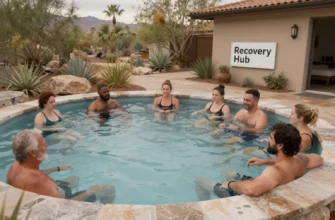
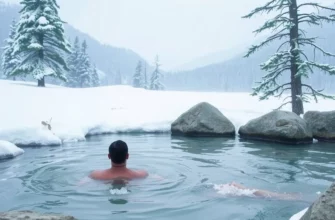
The modern biohacking community often looks to ancient practices for inspiration, specifically the Japanese cold plunge pool and the long-standing Swedish therapy traditions. In Japan, the “mizuburo” is a staple of the sento and onsen culture. These pools are designed for stillness, reflecting a meditative approach to the cold. The focus isn’t just on the physiological shock, but on the mental discipline required to remain calm and unmoving while submerged in near-freezing water.
Swedish therapy, often paired with sauna use (saunaty), emphasizes the extreme contrast between heat and cold. This “Nordic Cycle” involves spending 15 minutes in a dry heat sauna followed immediately by a plunge into cold water. This practice causes the blood vessels to rapidly constrict and dilate, effectively “exercising” the circulatory system and promoting a deep sense of relaxation and detoxification.
Contrast Therapy: The Fire and Ice Method
Implementing contrast therapy at home has become significantly easier with the advent of Fire Cold Plunge 3.0 systems, which integrate both heating and cooling capabilities into a single ecosystem. By alternating between a hot soak and a cold plunge, you create a powerful “pump” for the lymphatic system. This helps clear metabolic waste from muscle tissue more effectively than cold alone, making it the preferred method for many professional athletes.
This chill to heal cold plunge philosophy is often supplemented by cryotherapy cold plunge techniques, where the temperature is dropped to the lowest possible safe levels (around 39°F). Always start your contrast session with heat and end with cold to ensure your body’s natural thermoregulation kicks in after you finish. This sequence helps prevent the sluggishness that can sometimes follow a purely hot soak.
The Beginner’s Protocol: Guided Cold Plunge and Safety
Entering the water for the first time can be an overwhelming experience, which is why a guided cold plunge or a structured breathing protocol is highly recommended. The goal for a beginner is not to see how long they can last, but to manage the initial “cold shock response.” This is the period of gasping and elevated heart rate that occurs in the first 30 to 60 seconds of immersion. By focusing on long, slow exhales, you can override the sympathetic nervous system and enter a state of calm.
Safety is paramount when starting your cold life journey. Never plunge alone during your first few sessions, and always ensure you have a way to exit the tub easily if you begin to feel lightheaded. It is also important to stay safe after a cold plunge by avoiding immediate hot showers. Your body needs to warm up naturally to prevent a “peripheral vasodilation” that can cause blood pressure to drop too rapidly.
- Days 1-7: Start with 30-second immersions in 55°F water to build basic tolerance.
- Days 8-14: Increase duration to 2 minutes; focus on controlling the initial gasp reflex.
- Days 15-21: Gradually lower the temperature to 50°F; introduce hand and foot submersion.
- Days 22-30: Aim for a 3-5 minute session; practice the “after-drop” recovery by moving naturally.
Beyond the Tub: Facial Cold Plunges and Targeted Cold
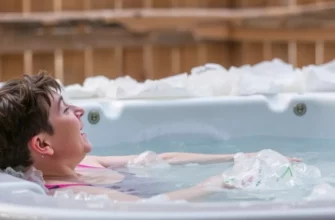
Cold therapy isn’t limited to full-body immersion. The facial cold plunge has gained massive popularity in the skincare world for its ability to reduce inflammation and tighten pores; Products like Olehenriksen violet ice cold plunge have popularized the concept of using extreme cold to refresh the skin’s appearance. By submerging the face in ice water for 15-30 seconds, you can stimulate blood flow to the surface, creating a natural glow and reducing morning puffiness.
For those who enjoy plunge swim cold activities, the benefits extend to the entire lymphatic system. Moving while in cold water increases the caloric burn and forces the muscles to work harder against the density of the water. Whether it’s a dedicated facial plunge or a full-body swim, the key is consistent, controlled exposure rather than occasional extreme sessions.
Choosing the right equipment depends entirely on your space, budget, and health goals. A barbend cold plunge might be the best choice for a heavy-duty garage gym, while a nure cold plunge is better suited for a high-end master bathroom. The modern recovery landscape is diverse enough that there is a solution for everyone, from the DIY enthusiast to the tech-focused biohacker.
Critical Warning: If you suffer from underlying cardiovascular issues or Raynaud’s disease, always consult with a medical professional before beginning a cold immersion protocol. The sudden increase in blood pressure can be dangerous for those with pre-existing heart conditions.
- Best for Small Spaces: Vertical or mini cold plunges with a footprint under 9 square feet.
- Best for Tech-Lovers: Refrigerated units with smartphone integration and automated filtration.
- Best for Athletes: Large oval tubs that allow for full limb extension and contrast therapy.
- Best for Budget: DIY chest freezer conversions or insulated stock tanks.
Expert Perspective: Professional Perspective on Cold Water Immersion
In my professional experience, the biggest mistake people make is staying in the water for too long. You do not need to endure 20-minute sessions to see results. I always advise my clients to focus on the Minimum Effective Dose: 11 minutes per week total, spread across three to four sessions. This is the scientific “sweet spot” for metabolic health and mood enhancement. Furthermore, practitioners must be aware of the “after-drop,” where your core temperature continues to fall even after you’ve left the water. To mitigate this, do not jump into a hot shower immediately; instead, use light movement like air squats to generate internal heat and allow your vascular system to stabilize naturally.
Frequently Asked Questions
For most beginners, a range of 50°F to 59°F (10°C to 15°C) is ideal. As your tolerance increases, you can move down toward 40°F, but the most significant health benefits are achieved by staying consistent rather than going colder.
Can I fit a vertical cold plunge on a standard apartment balcony?
Yes, but you must check your balcony’s weight capacity. While upright models have a smaller footprint, water weighs approximately 8.34 pounds per gallon. Ensure the total weight of the tub, water, and user does not exceed the structural limits of your building.
How long should I stay in a mini cold plunge for muscle recovery?
For muscle recovery, a window of 2 to 5 minutes is usually sufficient. Exceeding 10 minutes can actually be counterproductive for hypertrophy (muscle growth) if done immediately after strength training, as it blunts the necessary inflammatory response for muscle repair.
Is a refrigerated cold plunge worth the extra investment?
If you plan to plunge more than three times a week, a refrigerated unit is worth the investment. It eliminates the recurring cost and logistical hassle of buying ice, and the integrated filtration ensures you are immersing yourself in clean, safe water every time.
What are the main benefits of regular cold plunging for mental health?
The primary mental health benefits include a sustained dopamine spike and improved stress resilience. By deliberately choosing to stay in the cold, you strengthen the “top-down” control of the prefrontal cortex over the limbic system, which helps you stay calm under pressure in daily life.
What is the difference between a Japanese cold plunge pool and a standard ice bath?
A Japanese cold plunge pool (mizuburo) is typically part of a larger spa ritual and emphasizes deep, still immersion in a tile or stone basin. Standard ice baths are often more utilitarian and focused solely on athletic recovery, whereas the Japanese approach integrates mindfulness and aesthetic tranquility into the experience.