- Why the Inflatable Cold Plunge is Dominating Modern Recovery
- Portability Meets Performance: The New Standard
- Finding Your Perfect Fit: From ModPod to Edge Theory Labs
- Premium Brands vs․ Retail Favorites
- Setting Up Your Indoor Cold Plunge Without the Stress
- Managing Water and Weight Indoors
- The DIY and Budget Route: Stock Tanks and Totes
- Creative Low-Cost Solutions for Cold Therapy
- Keeping It Clean: Ozone Filtration and Sanitizers
- The Science of Clean Water
- Selecting the Right Geometry: Barrel, Oval, or Cylinder?
- Ergonomics and Depth: Which Shape Fits You?
- Advanced Protocols: Mastering Hot and Cold Therapy
- The Perfect Morning Cold Plunge Routine
- Frequently Asked Questions
Why the Inflatable Cold Plunge is Dominating Modern Recovery
The landscape of athletic recovery has shifted away from expensive, permanent spa installations toward versatile, portable solutions․ Inflatable cold plunges now offer a middle ground for those who want professional-grade cryotherapy without the five-figure price tag or the need for a dedicated contractor․ This evolution allows homeowners to transform a spare corner of a garage or a small patio into a high-performance wellness hub․
Modern recovery is no longer about just dumping ice into a bathtub․ It is about precision temperature control and structural integrity․ The rise of these units reflects a growing demand for “biohacking” tools that fit into a standard residential lifestyle․
Portability Meets Performance: The New Standard
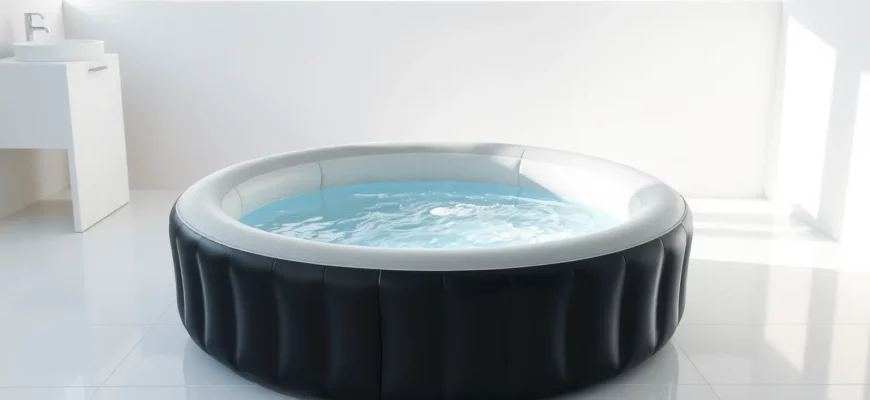
The secret behind the stability of high-end inflatables is drop-stitch technology․ This manufacturing process involves tens of thousands of fine polyester threads connecting two layers of military-grade PVC․ When inflated to high pressure, typically between 8 and 12 PSI, the walls become rock-hard, allowing you to sit on the edge without the tub collapsing or bowing․
For those living in urban environments, a single person cold plunge is often the only viable way to access cold water immersion at home․ These compact units can be deflated and stored in a duffel bag, making them perfect for renters or those with limited square footage․ A compact cold plunge provides the same physiological benefits as a permanent pool—triggering the mammalian dive reflex and reducing systemic inflammation—while maintaining a footprint smaller than a standard coffee table․
Finding Your Perfect Fit: From ModPod to Edge Theory Labs
Selecting the right tub requires balancing your budget against your need for integrated cooling․ While some units are sold as “tubs only,” premium brands often bundle their systems with high-powered chillers capable of maintaining 37°F even in direct sunlight․
| Brand/Model | Primary Material | Best For | Key Advantage |
|---|---|---|---|
| Edge Theory Labs | Commercial Grade Drop-Stitch | Professional Athletes | All-in-one chiller and heater integration․ |
| ModPod | Triple-Layered PVC | Aesthetic Home Spas | High insulation ratings for energy efficiency․ |
| Brookstone | Reinforced Vinyl | Entry-Level Users | Affordability and ease of setup․ |
| Insignia | Standard Inflatable PVC | Budget Conscious | Widely available at retail electronics stores․ |
Premium Brands vs․ Retail Favorites
The edge theory labs portable cold plunge price often sits at the higher end of the market, but this investment covers more than just the tub․ You are paying for a closed-loop system that filters, sanitizes, and chills the water simultaneously․ For serious practitioners, the ability to set a precise temperature via a smartphone app outweighs the initial cost․
In contrast, the brookstone portable cold plunge serves as an excellent gateway for beginners․ It focuses on the essentials: a durable basin that holds water and provides enough depth for full chest immersion․ Similarly, the insignia cold plunge and reflow cold plunge models offer accessible entry points for those who may already own a dedicated water chiller or are comfortable using manual ice loads to reach target temperatures․ When choosing a modpod cold plunge, users often cite the superior insulation of the lid, which prevents “thermal leak” and keeps the water colder for longer periods without running the motor․
Setting Up Your Indoor Cold Plunge Without the Stress
Bringing a cold plunge indoors requires more than just an empty corner; it requires a calculated approach to home physics․ Water is incredibly heavy, weighing approximately 8․34 pounds per gallon․ A standard 80-gallon plunge tub will weigh over 650 pounds once filled, not including the weight of the occupant․
- Do: Place the tub on a ground-floor concrete slab or a reinforced subfloor to prevent structural sagging․
- Do: Use a heavy-duty waterproof floor mat to catch “splash-out” when you exit the tub․
- Don’t: Set up the unit in a room without proper ventilation, as the temperature differential can cause significant condensation on walls․
- Do: Ensure there is a floor drain nearby or use a submersible pump for easy water changes․
- Don’t: Forget to check your electrical circuit capacity; chillers can draw significant amperage during the initial cooling phase․
Managing Water and Weight Indoors
Choosing a therapy pod cold plunge is often the smartest move for indoor setups because of its vertical orientation․ By sitting upright rather than reclining, the footprint remains small, and the weight is concentrated over a smaller, more manageable area․ This makes an indoor cold plunge feasible in a home gym or even a large bathroom․
For a residential cold plunge, aesthetics matter as much as function․ Many modern inflatable units feature sleek, matte finishes that don’t look like pool toys․ When setting up, always place a 3/4-inch rubber stall mat underneath the tub․ This provides an extra layer of thermal insulation from the cold floor and protects your flooring from the immense pressure of the water weight․
The DIY and Budget Route: Stock Tanks and Totes
For the “built-not-bought” crowd, the DIY route offers a rugged alternative to sleek retail units․ These setups often prioritize volume and durability over portability․ You will frequently see these in backyard “pain caves” or garage gyms where aesthetics take a backseat to raw performance․
Creative Low-Cost Solutions for Cold Therapy
A tractor supply cold plunge usually starts with a galvanized steel or heavy-duty plastic stock tank․ While these aren’t inflatable, they are nearly indestructible․ The challenge lies in insulation; steel tanks sweat profusely and lose temperature quickly․ To fix this, DIYers often wrap the tank in spray foam or reflective insulation․
The ibc tote cold plunge is another community favorite․ These 275-gallon industrial containers are designed for shipping liquids and can be found cheaply on the secondary market․ By cutting the top off and framing it in wood, you create a massive, deep plunge․ However, the blue tube cold plunge remains the most popular entry-level choice for those who want a simple, portable “bag” style tub that can be set up in minutes․ These units are lightweight and use a simple ring-top design to hold their shape as they fill with water․
Keeping It Clean: Ozone Filtration and Sanitizers
Water maintenance is the most overlooked aspect of owning a portable tub․ Without a sanitation protocol, your recovery sanctuary can quickly become a breeding ground for bacteria and biofilm․ You want the water to be as clean as a high-end pool, but without the harsh chemical smell that can irritate your skin during a long soak․
- Step 1: Use a skimmer net daily to remove organic debris like hair or skin cells․
- Step 2: Maintain a consistent level of sirona sanitizer cold plunge solution to prevent algae growth․
- Step 3: Run your ozone filtration cold plunge system for at least 4 hours a day to oxidize contaminants․
- Step 4: Test the pH levels weekly; water that is too acidic or basic can damage the PVC lining of your tub․
- Step 5: Rinse your body before entering the ice bath portable cold plunge to keep oils and lotions out of the water․
The Science of Clean Water
Ozone (O3) is a powerful oxidizer that is 3,000 times faster than chlorine at killing bacteria․ Most high-end chillers come with an integrated ozone generator․ This is a game-changer for inflatables because it reduces the need for heavy chemicals that could potentially degrade the drop-stitch materials over time․
For those without integrated systems, using a sirona sanitizer cold plunge routine is the gold standard․ These non-chlorine based oxidizers are specifically formulated for small water volumes and won’t cause the “eye burn” associated with traditional pools․ If you maintain your chemistry correctly, you only need to change the water every 2 to 4 months, which is a significant savings in both time and water bills․
Selecting the Right Geometry: Barrel, Oval, or Cylinder?
The shape of your tub dictates your physical comfort and the depth of your immersion․ Different body types and space constraints will lead you toward different geometries․ Manufacturers, including any ice barrel cold plunge factory, have spent years refining these shapes to ensure the user can reach a state of total stillness during the plunge․
Ergonomics and Depth: Which Shape Fits You?
A cylinder cold plunge is the most space-efficient design․ It forces the user into a seated, “knees-to-chest” position․ This is ideal for triggering the vagus nerve, as it ensures the entire torso is submerged․ If you are sourcing a barrel cold plunge china or domestic model, look for a height of at least 40 inches to ensure tall users can get full shoulder coverage․
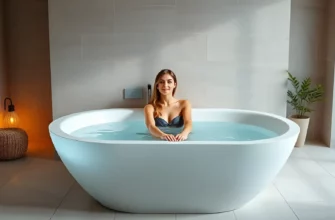
Conversely, a dynamic oval cold plunge allows for a reclined posture; This is often preferred by those who find the “crouched” barrel position too claustrophobic․ The oval shape provides more room for your legs to stretch out, which is beneficial if you are using a whirlpool cold plunge attachment that circulates water to prevent a “thermal layer” from forming around your skin․ Whether it comes from a boutique shop or a high-volume ice barrel cold plunge factory, the goal is to find a shape that allows you to remain still and focused on your breath․
Advanced Protocols: Mastering Hot and Cold Therapy
To get the most out of your equipment, you must move beyond just “getting cold․” The real magic happens when you manipulate your vascular system through temperature contrast․ This process, known as vasodilation and vasoconstriction, acts like a workout for your circulatory system․
- The Warm-Up: Start with a hot shower or sauna session for 15 minutes to increase blood flow to the skin’s surface․
- The Plunge: Enter your morning cold plunge tank (set between 45°F and 52°F) for 2 to 3 minutes․
- The Movement: If using a whirlpool cold plunge, keep the water moving to break the thermal bridge․
- The Re-Warm: Exit the hot cold therapy cold plunge tub and allow your body to warm up naturally (the “Soberg Principle”) rather than jumping straight back into heat․
- Repeat: Perform 3 cycles of this contrast for maximum metabolic and recovery benefits․
The Perfect Morning Cold Plunge Routine
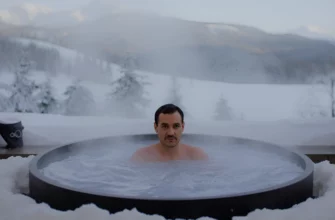
A morning cold plunge tank session can increase your baseline dopamine levels by up to 250%․ This isn’t just a temporary spike; the effect can last for several hours, providing a level of mental clarity that coffee cannot match․ When using a hot cold therapy cold plunge tub, the key is consistency over intensity․ You do not need the water to be 33°F to see results; 50°F is often sufficient for significant physiological changes․
Focus on your exhale․ The initial “cold shock” will make you want to gasp, but controlling that first 30 seconds is where the mental resilience is built․ By the 2-minute mark, your body will reach a state of equilibrium, and the initial pain will transition into a deep, calm numbness․
In my professional experience as a physical therapist, the biggest mistake I see beginners make is staying in too long at temperatures that are too low․ I always advise starting with 60°F for just 60 seconds․ You must be aware of the afterdrop phenomenon, where your core temperature continues to fall even after you have exited the water․ To mitigate this, always have a warm towel and dry layers ready the moment you step out․ Furthermore, I highly recommend choosing an inflatable with a dedicated lid, like the plunge air inflatable cold plunge․ A high-quality lid is not just for cleanliness; it is a safety feature that prevents children or pets from accessing the water and ensures the temperature remains consistent, which is vital for a predictable therapeutic dose․
Frequently Asked Questions
Yes, units made with military-grade drop-stitch PVC are designed for extreme environments․ However, using a UV-rated cover is essential to prevent the sun from degrading the material over several years․
How do I choose between a barrel and an oval shaped tub?
Choose a barrel shape if you have limited floor space and prefer a compact, upright immersion․ Opt for an oval shape if you prefer a reclined, more relaxed soak or have a larger dedicated recovery area․
What is the best way to sanitize an inflatable cold plunge?
The most effective method is a combination of ozone filtration to oxidize organic matter and a non-chlorine sanitizer like Sirona to maintain a residual bacteria-killing barrier without damaging the tub material․
Can I set up a portable cold plunge in my apartment?
You can, provided you verify that your floor can support roughly 700-1,000 pounds in a small area․ Always use a waterproof tray or heavy-duty mats to prevent water damage to the subfloor during use․
Is a DIY IBC tote plunge as effective as a retail unit?
While a DIY tote provides the same cold stimulus, retail units are far superior in insulation and ergonomics․ Retail models also include integrated ports for chillers, which makes maintaining water quality much simpler․
How often should I change the water in my cold plunge?
With a high-quality filtration system and proper chemical balance, you only need to change the water every 2 to 4 months․ Without filtration, the water should be drained and replaced every 2 to 3 days for safety․