- First Steps: How to Wash a Weighted Blanket Based on Machine Capacity
- The 20-Pound Rule: When to Head to the Laundromat
- Step-by-Step Instructions for Machine Washing Your Blanket
- Setting the Dial: Water Temperature and Cycles
- Material Matters: Glass Beads vs․ Plastic Pellets and Cooling Fabrics
- How to Wash Weighted Blanket Cooling Fabrics Safely
- Brand-Specific Care: Tranquility, YnM, and Brookstone Instructions
- Caring for Your Tranquility or YnM Weighted Blanket
- Removing Tough Stains: From Spilled Coffee to Blood
- How to Wash Weighted Blanket Blood and Food Stains
- The Golden Rules of Drying: Avoiding Clumps and Heat Damage
- Why Low Heat is Non-Negotiable
- Maintenance Hacks: Keeping Your Blanket Clean Longer
- The Power of a Weighted Blanket Cover
- Expert Perspective: Weighted Blanket Longevity
- Frequently Asked Questions
First Steps: How to Wash a Weighted Blanket Based on Machine Capacity
The best way to wash a weighted blanket begins with a simple math problem involving your washing machine’s drum capacity․ While it is tempting to shove a heavy throw into your home unit, the sheer mass of the filler material can easily overwhelm residential suspension systems․
Before you even touch the detergent, you must verify the weight limit listed in your appliance’s user manual․ A standard top-load washer with an agitator is often the most dangerous environment for a weighted item, as the blanket can wrap around the center post and cause a severe imbalance․
The 20-Pound Rule: When to Head to the Laundromat
If your blanket weighs more than 15 to 20 pounds, do not attempt to wash it in a standard residential machine․ When a weighted blanket becomes saturated with water, its effective weight triples or even quadruples, placing immense strain on the washer’s motor and drive belt․
In my experience, blankets exceeding this threshold require the heavy-duty suspension of a commercial-grade front-load washer․ These machines, found at local laundromats, use horizontal rotation which is much gentler on the internal stitching of the blanket and far more capable of handling the centrifugal force of a 20-pound load during the spin cycle․
Step-by-Step Instructions for Machine Washing Your Blanket
To ensure you properly wash a weighted blanket without causing it to leak beads, follow this specific sequence designed to protect both the fabric and the internal fillers․
- Inspect the integrity of the seams: Check every inch of the stitching for loose threads or small holes․ If even a tiny gap exists, glass beads or plastic pellets will escape and potentially ruin your washing machine’s drainage pump․
- Pre-treat visible stains: Use a small amount of mild detergent or a dedicated stain remover on specific spots before the full immersion․
- Load the machine evenly: For front-loaders, place the blanket in loosely․ For top-loaders without an agitator, drape it around the edges of the drum to maintain balance․
- Select the correct settings: Always use a gentle or delicate cycle with cold or lukewarm water․ High-speed spins should be avoided to prevent the filler from shifting into one corner․
- Add mild detergent: Use about half the amount of detergent you would use for a normal load․ Avoid bleach and fabric softeners at all costs, as they break down the fibers and can make the fill feel “crunchy” over time․
Setting the Dial: Water Temperature and Cycles
The temperature of the water is a deciding factor in the longevity of your bedding․ Cold water is the safest bet for almost all materials, particularly those containing plastic poly pellets which have a low melting point․
Choosing a gentle cycle isn’t just about the fabric; it’s about the “pockets” that hold the weight․ Intense agitation can stretch the fabric of these pockets, leading to “bunching” where the weight is no longer distributed evenly across your body․ Always opt for an extra rinse cycle to ensure all soap residue is removed from the dense inner layers․
Material Matters: Glass Beads vs․ Plastic Pellets and Cooling Fabrics
The internal anatomy of your blanket dictates how much heat and agitation it can withstand․ Most high-quality blankets use either glass beads, which are dense and sand-like, or plastic poly pellets, which are larger and more prone to heat damage․
| Fill Type | Heat Tolerance | Best Washing Method | Main Risk |
|---|---|---|---|
| Glass Beads | High | Machine Wash (Gentle) | Fabric tearing due to weight |
| Plastic Pellets | Low | Cold Water Only | Melting or clumping in heat |
| Steel Shot | High | Commercial Machine | Heavy impact on washer drum |
How to Wash Weighted Blanket Cooling Fabrics Safely
Cooling blankets, often made from bamboo, Tencel, or specialized moisture-wicking synthetics, require even more specialized care․ These fabrics are engineered with specific weaves that allow for maximum airflow, but those same weaves are highly susceptible to snagging․
When handling a bamboo weighted blanket, always use a mesh laundry bag if the blanket is small enough, or ensure there are no zippers or hooks from other clothing in the wash․ High-speed spins are particularly damaging to cooling fabrics as they can “crush” the fibers, permanently reducing their ability to regulate temperature․
Brand-Specific Care: Tranquility, YnM, and Brookstone Instructions
Different manufacturers use varying construction methods, meaning a “one size fits all” approach to cleaning can sometimes void your warranty․ It is vital to check the specific tag on your brand-name blanket before proceeding․
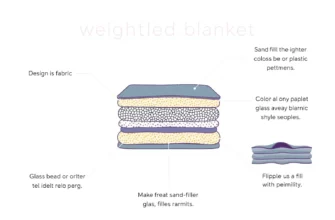
For instance, many YnM blankets utilize a seven-layer system designed to lock beads in place․ However, this density makes them much harder to dry․ Conversely, Tranquility models often focus on a two-piece design where the outer shell is the only part intended for frequent washing․
Caring for Your Tranquility or YnM Weighted Blanket
If you own a Tranquility weighted blanket, check if it has a removable cover․ Washing only the cover is the single best way to extend the life of the weighted insert․ The inner weighted part of a Tranquility blanket is often spot-clean only, as the specific fabric used to house the beads may not be rated for full immersion․
For those wondering how to wash a YnM weighted blanket, the manufacturer generally approves of machine washing the entire unit, but they emphasize the use of cold water․ Zonli blankets, known for their high-density glass bead fill, should be washed alone to prevent the heavy beads from acting like a “hammer” against other clothing items in the drum․
Removing Tough Stains: From Spilled Coffee to Blood
Accidents happen, and sometimes a full wash isn’t necessary or even recommended․ Spot cleaning is the preferred method for minor spills, as it preserves the structural integrity of the internal baffles that keep the weight distributed․
When dealing with organic stains, the chemistry of the cleaner matters․ For food or coffee, a simple mixture of water and clear dish soap usually suffices․ However, specialized stains require a more tactical approach to prevent permanent discoloration․
How to Wash Weighted Blanket Blood and Food Stains
If you need to remove blood from a weighted blanket, never use warm or hot water․ Heat will “cook” the proteins in the blood, permanently bonding them to the fabric fibers․ Instead, use cold water and an enzyme-based cleaner․
Apply the enzyme cleaner directly to the spot and let it sit for at least 15 minutes before blotting with a clean, white cloth․ For deep stains on the inner weighted insert, you may need to use a soft-bristled toothbrush to work the cleaner into the fibers, but be careful not to scrub so hard that you weaken the fabric holding the beads inside․
The Golden Rules of Drying: Avoiding Clumps and Heat Damage
Drying is the stage where most weighted blankets are destroyed․ The combination of heavy weight and high heat can cause plastic pellets to melt into a singular, hard lump, effectively turning your soothing blanket into a heavy, uncomfortable brick․
- Never use the high heat setting: Even if the blanket feels damp after one cycle, resist the urge to turn up the temperature․
- Use clean tennis balls or dryer balls: Adding two or three dryer balls helps to beat the blanket during the cycle, preventing the fill from clumping together․
- Check the blanket every 20 minutes: Take the blanket out, shake it vigorously to redistribute the weight, and put it back in․
- Avoid hanging to dry: The weight of the wet filler will pull down on the fabric, stretching the blanket out of shape and potentially snapping the internal stitching․
Why Low Heat is Non-Negotiable
Tumble drying on low is the only safe machine method․ If your dryer has an “air fluff” or “no heat” setting, that is the gold standard․ While it may take three or four cycles to completely dry the inner core, it is the only way to ensure the plastic poly pellets or the delicate adhesive used in some glass-bead blankets stay intact․
If you choose to air dry, lay the blanket flat on a clean surface, such as a large drying rack or a bed of towels․ Rotate and flip the blanket every few hours to ensure airflow reaches the bottom side, preventing the musty smell associated with trapped moisture․
Maintenance Hacks: Keeping Your Blanket Clean Longer
The most effective way to “wash” a weighted blanket is to avoid washing the heavy insert altogether․ By treating the weighted portion as a structural component rather than a surface fabric, you can maintain hygiene without the mechanical risk of a washing machine․
A high-quality duvet cover acts as a sacrificial layer, absorbing sweat, skin cells, and oils so the inner blanket doesn’t have to;
The Power of a Weighted Blanket Cover
Using a weighted blanket duvet cover is a game-changer for maintenance․ Most covers are made of cotton, minky, or bamboo and can be thrown in a standard wash with your regular sheets․ I recommend washing the cover every two weeks while only washing the weighted insert once or twice a year․
This laundry schedule keeps your sleep environment fresh while protecting the expensive inner blanket from the “death by a thousand washes” that eventually thins the fabric and leads to bead leakage․ If you find your blanket sliding around inside the cover, ensure you are using all the internal ties typically found in the corners and sides of the duvet․
Expert Perspective: Weighted Blanket Longevity
In my professional experience, the most common cause of weighted blanket failure isn’t the fill material itself, but the degradation of the “baffle-box” stitching․ Every time you put a 15-20 pound blanket through a wash cycle, the centrifugal force pulls those threads in multiple directions simultaneously․ I always advise my clients to prioritize spot cleaning and high-quality duvet covers․ Limit full immersion of the inner weighted insert to a maximum of twice per year․ If you must wash the inner part, the “Gentle” cycle isn’t just a suggestion—it’s a requirement to prevent the mechanical stress from turning your blanket into a bag of loose beads․
Frequently Asked Questions
It is generally not recommended․ Most residential washers have a dry weight capacity that doesn’t account for the extreme force a wet 20lb blanket exerts․ For blankets 20lbs and over, use a commercial front-load washer at a laundromat to avoid breaking your home machine’s agitator or motor․
How do you wash a weighted blanket with glass beads?
Glass beads are durable, but the fabric containing them is under high tension․ Wash on a gentle cycle with cold water and mild detergent․ Avoid high-speed spins that could cause the beads to stress the seams and lead to leaks․
How often should I wash my weighted blanket?
If you use a duvet cover, wash the cover every 2 weeks and the inner weighted blanket every 6 to 12 months․ If you do not use a cover, you may need to wash the entire blanket every 2-3 months, but this will shorten its lifespan․
What is the best way to wash a Brookstone weighted blanket?
Check the specific model, but most Brookstone blankets feature a removable cover․ Machine wash the cover on cold and tumble dry low․ The inner weighted insert should be spot-cleaned only with a damp cloth and mild soap․
Can I put my weighted blanket in the dryer?
Yes, but only on low heat or air-dry settings․ High heat can melt plastic poly-pellet fills and damage the fibers of cooling fabrics․ Always include dryer balls to prevent the fill from clumping during the cycle․
How do you wash a weighted blanket for a child?
Since children’s blankets face more frequent soiling, use a waterproof duvet cover․ When washing the blanket itself, use hypoallergenic, scent-free detergent and ensure it is 100% dry before use to prevent any mold growth within the dense layers;