- Why the Cold Plunge Pod is Becoming the Gold Standard for Recovery
- The Science of Staying Chill: How to Reduce Inflammation Safely
- Choosing Your Size: Comparing the Cold Plunge XL, Pro, and Trough Designs
- Is an XL Pod Right for Your Height?
- Where to Buy: Navigating Cold Plunge Options on Amazon and Walmart
- What to Look for in a Cold Plunge Purchase
- Tech and Tracking: Using the Cold Plunge Apple Watch App and Monitoring Tools
- Syncing Your Bio-Data for Better Results
- Maintenance Essentials: From Test Strips to Managing Noise Levels
- Keeping Your Water Crystal Clear and Safe
- Protecting Your Investment: Warranty Terms and Customer Support Realities
- What Does a Cold Plunge Warranty Actually Cover?
- Frequently Asked Questions
Why the Cold Plunge Pod is Becoming the Gold Standard for Recovery
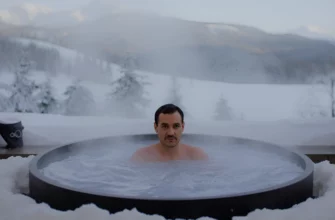
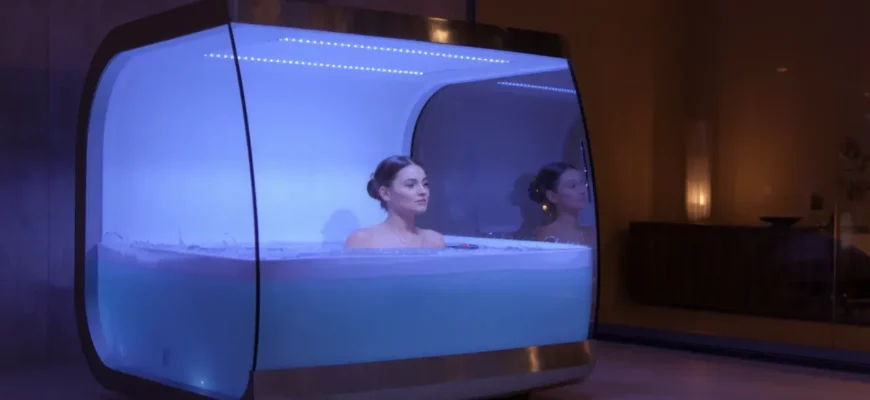
The shift from makeshift chest freezers and heavy stock tanks to purpose-built cold plunge pods represents a massive leap in home wellness technology. These engineered vessels are designed to maintain frigid temperatures while occupying a fraction of the footprint required by traditional horizontal tubs.
Modern recovery enthusiasts are moving away from the “ice run” era, where bags of frozen water were hauled daily to a backyard tub. Today, a dedicated pod offers a controlled, sanitary environment that integrates seamlessly into a daily fitness routine without the logistical headache of manual temperature management.
The Science of Staying Chill: How to Reduce Inflammation Safely
When you submerge your body in water below 55°F, your system undergoes a process known as vasoconstriction, where blood vessels narrow to prioritize core temperature. This physiological response is the primary mechanism for how to reduce inflammation, as it flushes metabolic waste from muscle tissue and resets the nervous system.
Safety is paramount when dealing with extreme temperatures, especially regarding the phenomenon known as “afterdrop.” Afterdrop occurs when cold blood from your extremities returns to your core after you exit the water, potentially causing your internal temperature to continue falling. To ensure you are staying safe after a cold plunge, always have a dry towel and warm layers ready to put on immediately, and avoid taking a hot shower for at least 30 minutes to allow your body to thermoregulate naturally.
Choosing Your Size: Comparing the Cold Plunge XL, Pro, and Trough Designs
Selecting the right vessel depends entirely on your physical stature and the specific “chill” experience you desire. While a standard pod is excellent for space-saving, the Cold Plunge XL and Pro models offer specialized features that cater to serious athletes and taller users who require full clavicle-deep submersion.
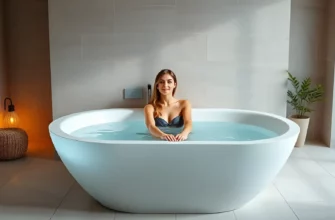
The vertical orientation of a pod encourages a seated, meditative posture, which many find superior for breathwork. In contrast, the horizontal trough style allows for a reclined position, which can be more comfortable for those with lower back sensitivities or those who prefer a traditional bathtub feel.
| Model Type | Best For | Key Advantage |
|---|---|---|
| Standard Pod | Apartment dwellers and beginners | Small footprint; highly portable |
| Cold Plunge XL | Users over 6’2″ or 250 lbs | Deep submersion; higher water volume |
| Cold Plunge Pro | High-frequency use (3+ people/day) | Powerful 1/2 HP chiller; fast cooling |
| Insulated Trough | Garage or outdoor setups | Full-body reclining; easy entry/exit |
Is an XL Pod Right for Your Height?
If you stand over six feet tall, a standard pod may leave your shoulders and upper chest exposed, which diminishes the systemic benefits of the soak. The cold plunge xl is specifically engineered with extra depth to ensure that even the tallest users can achieve a full “neck-down” immersion, which is critical for triggering the vagus nerve response.
Keep in mind that larger volumes of water require more cooling power. While the cold plunge pro chiller is designed to handle the increased load of an XL tank, a budget chiller may struggle to maintain 39°F in a high-volume cold plunge trough during summer months. Check the BTU rating of your chiller to ensure it matches the total gallons of your chosen tank.
Where to Buy: Navigating Cold Plunge Options on Amazon and Walmart
The explosion of cold water therapy has led to a flood of options on major retail platforms. Purchasing a cold plunge on Amazon or through Walmart offers the benefit of fast shipping and familiar return policies, but it requires a discerning eye to distinguish between a high-quality insulated vessel and a glorified inflatable pool.
When browsing these marketplaces, look for brands like Cold Life or similar reputable third-party sellers that provide detailed specifications on their insulation layers. A “triple-layered” wall is the bare minimum for outdoor use, as poor insulation will cause your chiller to run 24/7, significantly increasing your monthly electricity bill.
| Platform | Pros | Cons |
|---|---|---|
| Amazon / Walmart | Fast shipping; lower entry price; user reviews | Variable quality; limited tech support |
| Direct-to-Consumer (Pro) | Superior warranty; expert support; high-end tech | Longer lead times; premium pricing |
What to Look for in a Cold Plunge Purchase
Logistics play a massive role in a successful cold plunge purchase, especially when dealing with heavy equipment like 1/2 HP chillers and reinforced tubs. Check if the “free shipping” covers curbside delivery only, as you may need a second person to help move the unit into your backyard or garage.
Stability is another often-overlooked factor. A full cold plunge can weigh over 1,000 pounds, meaning your cold plunge platform must be perfectly level and reinforced. Never place a filled pod on a standard wooden deck without first verifying the load-bearing capacity with a professional, as the concentrated weight of a vertical pod is much higher than a spread-out trough.
Tech and Tracking: Using the Cold Plunge Apple Watch App and Monitoring Tools
Modern recovery is data-driven, and the integration of wearables has changed how we approach the “cold stress” experience. Instead of simply guessing how long you’ve been in, tech tools allow you to correlate your time in the ice with your actual physiological recovery markers.
Content creators and those focused on “form” are also increasingly using a cold plunge cam to record their sessions. This isn’t just for social media; reviewing footage can help you identify if you are tensing your shoulders or holding your breath—both of which can hinder the relaxation response needed to reap the full benefits of the cold.
Syncing Your Bio-Data for Better Results
The cold plunge apple watch app is a game-changer for monitoring your heart rate variability (HRV) in real-time. By watching your heart rate drop as you master your breathwork, you gain objective proof that your body is moving from a “fight or flight” state into a “rest and digest” state.
Tracking your duration versus the temperature is vital for avoiding “cold adaptation” plateaus. If your data shows that 3 minutes at 45°F no longer feels challenging, you can use that insight to incrementally drop the temp to 39°F. Consistency is more important than extreme cold; using your watch to ensure you hit at least 11 minutes of total exposure per week is the gold standard for metabolic health.
Maintenance Essentials: From Test Strips to Managing Noise Levels
Owning a cold plunge is an active commitment to water chemistry and mechanical upkeep. Unlike a hot tub, cold water hides bacteria more effectively, but it still requires regular sanitization to prevent the buildup of biofilm and skin oils that can clog your chiller’s internal components.
Noise management is another practical concern, particularly for those setting up equipment in a garage or near a neighbor’s window. The hum of a powerful chiller can be disruptive, but with a few strategic adjustments, you can keep your recovery sanctuary quiet and neighbor-friendly.
- Test water weekly: Use cold plunge test strips to check pH, alkalinity, and sanitizer levels.
- Rinse filters: Clean your 20-micron sediment filter every 14 days to maintain high flow rates.
- Level the chiller: Ensure the cooling unit is on a flat surface to prevent compressor vibration.
- Use a vibration mat: Place a thick rubber horse stall mat under the chiller to dampen low-frequency noise.
- Check seals: Inspect the O-rings on your hose connections monthly to prevent slow leaks.
Keeping Your Water Crystal Clear and Safe
Maintaining water clarity isn’t just about aesthetics; it’s about protecting your investment. If the water becomes cloudy, your chiller has to work harder to push liquid through the heat exchanger, which can lead to premature motor failure. Using cold plunge test strips ensures that your pH stays between 7.2 and 7.6, which prevents the water from becoming corrosive to the chiller’s internal copper or titanium coils.
To mitigate cold plunge noise, consider the placement of the chiller’s exhaust fan. Leave at least 12 inches of clearance around the fan to prevent the motor from overworking and getting louder. If the unit is still too noisy, a simple three-sided acoustic enclosure can redirect the sound away from living areas without restricting the necessary airflow for cooling.
Protecting Your Investment: Warranty Terms and Customer Support Realities
High-end cold plunge equipment is a significant financial investment, often ranging from $1,000 to $5,000. Understanding the cold plunge equipment warranty terms is the difference between a minor repair and a total loss. Most reputable brands offer a split warranty: one period for the tub and a different, often shorter, period for the electronic chiller.
Before finalizing a purchase, research the brand’s reputation for cold plunge customer service. In the event of a sensor failure or a pump leak, having access to a dedicated customer service phone number can save you weeks of downtime compared to brands that only offer “email-only” support tickets.
What Does a Cold Plunge Warranty Actually Cover?
A standard cold plunge warranty usually covers manufacturing defects in the tub material (like delamination or seam leaks) for 2-5 years. However, the chiller—the most complex part of the system—often carries a 1-year limited warranty. Always register your product within 30 days of purchase to ensure your warranty is activated and keep a digital copy of your receipt.
Before calling support, perform basic troubleshooting: check the GFCI plug, ensure the filter isn’t clogged, and verify that the water level is high enough to prime the pump. Many “failures” are actually safety shutdowns triggered by low water flow. If these steps fail, having your serial number ready when calling the cold plunge customer service line will expedite your claim and get you back into the ice faster.
In my professional experience as an equipment specialist, I have seen hundreds of budget pods fail within the first six months due to thermal inefficiency. I always advise my clients to look closely at the “R-value” of the pod’s insulation; a Pro-grade build quality isn’t just about luxury—it’s about temperature consistency. If your water temp fluctuates by more than 3 degrees during a session, your body won’t reach the deep “cold shock” state necessary for maximum joint health benefits. Invest in the build quality now, or you will pay for it later in electricity costs and replacement parts.
Frequently Asked Questions
The best time to buy is during the “off-season” in late autumn or during major retail events like Black Friday. Sign up for newsletters from brands like Cold Life or check the “Used/Refurbished” section on specialized recovery websites for significant discounts.
Can I buy a cold plunge pod internationally (Kopen/Kaufen)?
Yes, many European retailers now stock pods, though you must ensure the chiller is compatible with 220V-240V outlets. Be prepared for higher shipping costs and potential customs duties if ordering from a US-based manufacturer.
Is the cold plunge Apple Watch app compatible with all models?
Generally, any Apple Watch running the latest watchOS can support recovery apps. These apps help you track total “cold time” and sync with Apple Health to show how your plunges improve your resting heart rate over time.
What should I do if the cold plunge noise is too loud for my neighbors?
Place the chiller on a 3/4-inch rubber mat to stop floor vibrations. You can also program your chiller to run during the day and turn it off during “quiet hours,” as a well-insulated pod will only lose 1-2 degrees overnight.
How often should I use cold plunge test strips?
Test your water at least once a week if you plunge daily. Maintaining the correct chemical balance prevents skin irritation and protects the chiller’s internal pump from calcium buildup or corrosion.
Where can I find the cold plunge customer service phone number?
Check the “Support” or “Contact Us” page on the manufacturer’s official website. Most premium brands also print the support number directly on the chiller’s warning label or in the back of the user manual.