- Why a High-Grip Cold Plunge Mat is Your Most Important Safety Upgrade
- Choosing the Right Texture for Your Cold Plunge Matt
- The Essential Cold Plunge Gear Checklist
- Protecting Your Extremities: Cold Plunge Socks‚ Booties‚ and Gloves
- The Difference Between Cold Plunge Shoes and Booties
- When to Wear Cold Plunge Gloves
- What to Wear: Choosing the Right Cold Plunge Attire and Swimsuits
- From Compression Shorts to Full Cold Plunge Suits
- Attire Comparison: Standard Swimwear vs. Thermal Gear
- The Recovery Phase: Staying Warm with Ponchos and Jackets
- Why a Changing Poncho is a Game Changer
- Maintaining Your Setup: Why a Cold Plunge Cover Matters
- Insulated vs. Mesh Covers
- Common Mistakes: What NOT to Wear in an Ice Bath
- Expert Perspective: Managing the After-Drop with Proper Gear
- Frequently Asked Questions
Why a High-Grip Cold Plunge Mat is Your Most Important Safety Upgrade
Stepping out of an ice bath is the moment of maximum vulnerability for any practitioner. Your feet are likely numb‚ your coordination is temporarily dampened by the cold shock‚ and your surrounding floor is inevitably covered in splash water.
Without a dedicated high-grip surface‚ you are essentially stepping onto a skating rink with limbs that cannot fully feel the ground. A quality mat does more than just keep your floor dry; it provides the tactile feedback your brain needs to maintain balance when your nerve endings are firing at a reduced rate.
Choosing the Right Texture for Your Cold Plunge Matt
The debate between rubber and foam mats usually comes down to where you perform your sessions. Heavy-duty vulcanized rubber is the gold standard for outdoor setups because it resists UV degradation and provides a massive amount of friction even when completely submerged in water. These mats are often heavy enough to stay put without adhesives‚ making them ideal for uneven patio surfaces or gravel.
For indoor enthusiasts‚ high-density EVA foam offers a softer landing for sensitive feet‚ but you must ensure it has a non-absorbent‚ closed-cell structure. Always verify that your mat features deep drainage channels or a raised “bubble” texture to allow water to flow away from your standing point. This prevents the hydroplaning effect that occurs on flat‚ smooth surfaces.
If your tub sits on a wooden deck or inside a tiled bathroom‚ the mat serves a secondary purpose: protecting your home’s structural integrity. Constant exposure to spilled “ice water” can lead to warped floorboards or mold growth under the tub. A waterproof base with a lipped edge can contain gallons of overflow‚ giving you time to towel up after you have successfully re-warmed your body.
The Essential Cold Plunge Gear Checklist
- The Safety Foundation: A non-slip‚ heavy-duty rubber mat with drainage holes.
- Extremity Protection: 3mm to 5mm neoprene booties and gloves for sessions exceeding three minutes.
- Core Attire: Tight-fitting compression shorts or a dedicated neoprene vest to minimize water drag.
- Thermal Recovery: An oversized microfiber or fleece-lined changing poncho to trap heat immediately upon exit.
- Water Maintenance: An insulated‚ locking hard-shell cover to maintain temperature and keep debris out.
- Monitoring Tools: A floating digital thermometer and a waterproof stopwatch for precise protocol tracking.
- Post-Plunge Comfort: A pair of wool socks and a heavy beanie to assist the body’s natural re-warming process.
Protecting Your Extremities: Cold Plunge Socks‚ Booties‚ and Gloves
The sharp‚ stinging sensation you feel in your fingers and toes during the first sixty seconds of a plunge is your body’s way of prioritizing your internal organs. By shunting blood flow away from the hands and feet‚ the body preserves core temperature‚ but this makes the extremities feel like they are being pierced by needles.
Using neoprene accessories isn’t about “hiding” from the cold; it is a strategic tool to help you stay in the water long enough to achieve systemic benefits. Protecting your hands and feet allows you to focus on your breath rather than the localized pain in your digits‚ which often leads to longer‚ more controlled sessions.
The Difference Between Cold Plunge Shoes and Booties
When browsing footwear‚ the thickness of the material is your most important metric. For water temperatures between 40°F and 50°F‚ a 3mm bootie is usually sufficient to take the “edge” off the cold. However‚ if you are breaking ice to get into your tub‚ upgrading to 5mm neoprene provides the thermal barrier necessary to prevent deep tissue numbing.
There is also a functional difference between a soft-sole sock and a hard-sole shoe. If your setup requires you to walk across a cold garage floor or a rocky backyard‚ choose a bootie with a reinforced rubber sole to prevent punctures and provide extra grip. To prevent the “ballooning” effect where water fills the shoe and makes it heavy‚ look for models with an adjustable ankle strap that creates a tight seal against your skin.
When to Wear Cold Plunge Gloves
Gloves are often the last piece of gear people buy‚ yet they provide the most immediate relief. The skin on your hands is thin and highly sensitive; keeping them covered can prevent the “clawing” sensation where your fingers become difficult to move. Using gloves ensures you have the manual dexterity required to safely grip the sides of the tub when it is time to exit‚ which is a critical safety factor for solo plungers.
What to Wear: Choosing the Right Cold Plunge Attire and Swimsuits
The question of what to wear is often met with the “less is more” argument‚ but the reality depends on your goals. While maximum skin exposure is great for brown fat activation‚ the wrong fabric can actually make your recovery much harder. Avoid loose-fitting board shorts or heavy cotton garments‚ as these trap a massive amount of freezing water against your skin even after you get out‚ leading to a much more aggressive “after-drop.”
From Compression Shorts to Full Cold Plunge Suits
Compression gear made of polyester or Lycra is the preferred choice for most daily plungers. These materials sit flush against the skin‚ meaning there is no “pocket” of water sloshing around your waist. Tight-fitting layers help you move more naturally and dry almost instantly once you step out.
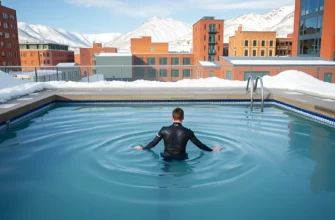
If you are particularly sensitive to the initial cold shock‚ a neoprene rash guard or a “shorty” wetsuit can be a game-changer. These suits work by trapping a very thin layer of water between the fabric and your skin‚ which your body then warms up. Using a thermal top allows you to stay submerged for 10-15 minutes if your goal is metabolic conditioning rather than just a quick dopamine hit.
Attire Comparison: Standard Swimwear vs. Thermal Gear
| Feature | Standard Swimsuit | Neoprene Suit (3mm-5mm) | Compression Gear |
|---|---|---|---|
| Cold Protection | Minimal; high skin exposure. | High; traps heat near the core. | Moderate; reduces water movement. |
| Drying Time | Fast to Moderate. | Slow; requires hanging. | Very Fast; moisture-wicking. |
| Movement | High freedom. | Slightly restrictive. | Excellent; “second skin” feel. |
| Best For | Quick 2-minute plunges. | Long endurance sessions. | Daily athletic recovery. |
The Recovery Phase: Staying Warm with Ponchos and Jackets
The most dangerous part of a cold plunge isn’t the water—it is the ten minutes after you get out. This is known as the “after-drop‚” a phenomenon where your core temperature continues to fall as cold blood from your limbs begins to circulate back to your heart. To manage this safely‚ you must transition from the water to a dry‚ insulated environment as quickly as possible.
Why a Changing Poncho is a Game Changer
A cold plunge poncho is essentially a wearable towel with a hood‚ designed to be thrown on the second you stand up. Unlike a standard towel that can slip off‚ a poncho stays secure‚ allowing you to keep your arms inside to generate warmth. Look for ponchos with a weather-resistant outer shell and a thick “teddy” fleece lining if you plunge outdoors in the winter.
The primary benefit is the “hands-free” nature of the garment. You can begin your deep breathing exercises or perform light movement like air squats to generate internal heat without worrying about holding a towel in place. Covering your head immediately is also vital‚ as a significant amount of heat is lost through the scalp when your hair is soaking wet.
Maintaining Your Setup: Why a Cold Plunge Cover Matters
Your gear list shouldn’t stop at what you wear; it must include how you protect the water itself. A cold plunge is an investment in your health‚ and keeping that environment clean and thermally stable is paramount. A high-quality cover acts as a thermal battery‚ preventing the ambient air temperature from warming your water during the day or freezing it solid overnight.
Insulated vs. Mesh Covers
If your tub is located in a sunny area‚ an insulated hard cover is non-negotiable. Without it‚ your chiller will have to work twice as hard to fight the sun’s radiant heat‚ leading to higher electricity bills and a shorter lifespan for your equipment. A well-fitting cover can keep water 10-15 degrees cooler than the outside air temperature without any active cooling.
Mesh covers‚ on the other hand‚ are strictly for debris management. While they keep leaves‚ bugs‚ and dirt out of your filtration system‚ they offer zero thermal protection. For the best results‚ use a dual-layer approach: an insulated lid for temperature control and a heavy-duty vinyl cover to protect the tub’s exterior from rain and snow.
Common Mistakes: What NOT to Wear in an Ice Bath
- Heavy Cotton Fabrics: Cotton is a “cold” fabric; it absorbs water‚ becomes incredibly heavy‚ and accelerates heat loss through evaporation. Always stick to synthetic‚ moisture-wicking materials.
- Metal Jewelry: Metal is a highly efficient thermal conductor. Rings‚ watches‚ or necklaces can become painfully cold and even cause “ice burns” on sensitive skin. Remove all jewelry before entering the water.
- Loose or Baggy Shorts: These create “cold pockets” and can make the initial entry much more jarring as the water rushes in all at once.
- Bare Feet on Tile: Never step directly onto a tile or polished concrete floor after a plunge. The combination of wet skin and numb nerves is a recipe for a fall.
- Forgetting a Hat: Unless you are fully submerging your head‚ your hair should stay dry and covered by a beanie to help regulate your temperature.
Expert Perspective: Managing the After-Drop with Proper Gear
In my professional experience‚ the biggest hurdle for beginners isn’t the cold itself‚ but the fear of the physical pain associated with it. I always advise my clients that gear like neoprene socks and gloves isn’t “cheating”—it is a strategic bridge that allows your nervous system to adapt without the distracting sting of frozen digits. If you can stay in the water for three minutes with gear versus thirty seconds without it‚ the metabolic and mental benefits of the longer session far outweigh the “purity” of being naked. Furthermore‚ I cannot overstate the importance of the mat. I have seen more injuries from post-plunge slips than from the actual cold. When you exit‚ your blood pressure is fluctuating and your feet are effectively “blind.” A high-traction mat is your most critical piece of safety equipment‚ ensuring that your wellness routine doesn’t end in a trip to the emergency room.
Frequently Asked Questions
No. Protecting your extremities allows you to stay in the water longer‚ which helps you achieve a deeper core temperature drop and better mental resilience training.
What is the best material for a cold plunge mat?
Heavy-duty‚ non-absorbent rubber or high-density EVA foam with built-in drainage holes are the best options for grip and hygiene.
Do I need a special mask for cold plunging?
While not strictly necessary‚ some people use neoprene face masks in extremely windy or outdoor winter conditions to protect the skin from wind chill and help focus on nasal breathing.
How do I choose between booties and socks?
Choose booties with a rubber sole if you need to walk on rough surfaces like gravel or a garage floor. Choose neoprene socks if you only need thermal protection inside the tub.
Can I wear a regular swimsuit for ice baths?
Yes‚ but be aware that standard swimsuits provide no thermal insulation. For longer sessions or temperatures below 40°F‚ neoprene or compression gear is significantly more comfortable.
How do I keep my cold plunge mat clean?
Rinse the mat with fresh water after every session to remove skin oils. Once a week‚ scrub it with a mild‚ eco-friendly soap to prevent biofilm and mold buildup in the drainage channels.