- Why a Dedicated Cold Plunge Chiller is the Heart of Your Recovery Lab
- The Science of Consistent Cold: Chiller vs. Ice Bags
- Retrofitting Success: Installing a Cold Plunge Chiller for Your Bathtub
- Choosing the Right Cold Plunge Chiller Kit for DIY Projects
- Technical Specs That Matter: HP, Ozone, and Filtration
- Keeping It Clean: Ozone Sanitation and Air Purge Basics
- Global Sourcing: Navigating Cold Plunge Chiller Manufacturers
- Sourcing from China: What to Know About Factory Direct Units
- Avoiding the Lukewarm: Troubleshooting and Chiller Repair
- When to Call a Pro: Cold Plunge Water Chiller Maintenance
- Beyond the Home: Commercial and Industrial Cooling Units
- High-Traffic Solutions: Commercial Cold Plunge Manufacturers
- Expert Perspective: Thermal Regulation Systems
- Frequently Asked Questions
Why a Dedicated Cold Plunge Chiller is the Heart of Your Recovery Lab
Moving away from the manual labor of hauling forty-pound bags of ice marks the transition from a hobbyist to a serious recovery practitioner. A dedicated chiller unit transforms a simple tub of water into a precision-engineered cooling environment that remains ready at a moment’s notice.
These units function as the primary engine of your setup, utilizing a specialized refrigeration cycle to pull heat out of the water and dissipate it into the surrounding air. By maintaining a steady thermal state, you eliminate the temperature fluctuations that often plague ice-based setups.
The Science of Consistent Cold: Chiller vs. Ice Bags
Maintaining thermodynamic stability is the primary challenge of any home cryotherapy setup. When you use ice, the water temperature begins to rise the moment you step in, as your body heat transfers rapidly to the liquid environment. A high-quality chiller counteracts this thermal transfer in real-time, ensuring that the last minute of your plunge is just as effective as the first.
From a cost-benefit perspective, the electricity required to run a chiller is significantly lower than the recurring expense of ice. While a chiller might pull 400 to 800 watts during a cooling cycle, daily ice purchases can easily exceed $300 per month for a frequent user. Investing in active cooling technology pays for itself through both financial savings and the reclamation of your time.
Beyond convenience, the psychological barrier to entry is lower when the water is always cold. Knowing how to reduce inflammation effectively requires consistency, and a “set-it-and-forget-it” system ensures you never skip a session due to an empty freezer. Always focus on staying safe after a cold plunge by monitoring your core temperature, as a chiller can maintain temperatures low enough to induce deep hypothermic responses if not respected.
Retrofitting Success: Installing a Cold Plunge Chiller for Your Bathtub
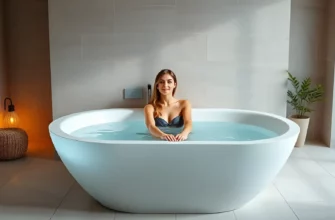
You do not need a custom-built acrylic tank to enjoy the benefits of professional-grade cooling. Many enthusiasts successfully retrofit standard household bathtubs or stock tanks by integrating a modular chiller kit through a series of plumbing modifications.
The key to a successful retrofit lies in the structural integrity of your connections. Never rely on a simple “over-the-side” hose setup for a permanent installation, as this creates prime conditions for siphoning issues and pump cavitation. Instead, utilize bulkhead fittings to create watertight ports through the tub wall.
- Select your entry and exit points: Position the suction port near the bottom of the tub to pull the warmest water and the return jet near the top to encourage circular flow.
- Drill with precision: Use a diamond-tipped hole saw for cast iron or a standard bi-metal hole saw for acrylic tubs, ensuring the diameter matches your bulkhead threads exactly.
- Seal the deal: Apply marine-grade 100% silicone sealant to both sides of the bulkhead gasket to prevent slow leaks that can damage your flooring.
- Plumb the loop: Connect 3/4-inch or 1-inch reinforced PVC tubing from the tub to the pump, then to the chiller, and finally back to the tub.
- Install a bypass: Add a ball valve system to allow you to drain the lines for maintenance without emptying the entire bathtub.
Choosing the Right Cold Plunge Chiller Kit for DIY Projects
When searching for a cold plunge water chiller kit, prioritize hose compatibility and the inclusion of high-quality bulkhead fittings. Most residential bathtubs have limited surrounding space, so identifying small cold plunge pool cooling unit dimensions is vital before clicking buy. A compact footprint does not always mean lower power, but it often means more efficient heat dissipation through specialized fan shrouds.
A dedicated cold plunge chiller for bath tub use should ideally include a built-in pump or be paired with a self-priming external model. If your chiller is placed at the same level as the tub, a standard centrifugal pump may struggle to move water effectively. Ensure your kit includes a 20-micron pleated filter to catch skin cells and debris before they reach the delicate internal titanium heat exchanger of the chiller.
Technical Specs That Matter: HP, Ozone, and Filtration
Understanding the technical jargon of refrigeration units is the only way to ensure you aren’t overpaying for a sticker or under-buying for your volume. The performance of a chiller is primarily dictated by its horsepower (HP) and the efficiency of its heat exchanger technology.
While a 1/4 HP unit might suffice for a small, well-insulated 50-gallon tub, it will struggle in high-ambient temperatures or with larger volumes. For a standard 100-gallon setup, a 1/2 HP or 1 HP unit is the gold standard, providing the “thermal overhead” needed to drop temperatures from 65°F to 39°F in just a few hours rather than an entire day.
| Feature | 1/4 HP Unit | 1/2 HP Unit | 1 HP Unit |
|---|---|---|---|
| Cooling Capacity | Up to 60 Gallons | Up to 120 Gallons | Up to 250 Gallons |
| Best Use Case | Small indoor tubs | Standard outdoor setups | Commercial/Gym use |
| Sanitation Options | Rarely integrated | Often has Ozone/UV | Full sanitation suite |
| Flow Rate Req. | Low (500 GPH) | Moderate (800 GPH) | High (1200+ GPH) |
Keeping It Clean: Ozone Sanitation and Air Purge Basics
The most advanced cold plunge ozone sanitation systems work by injecting O3 gas into the water line, which effectively kills bacteria and oxidizes organic matter on contact. This process reduces the need for harsh chemicals like chlorine, which can irritate the skin during a long soak. Ozone is a powerful oxidizer, so ensure your tubing is made of ozone-resistant materials like Kynar or specialized EPDM to prevent premature degradation.
Another critical technical feature is the cold plunge air purge valve. When you first start your system or after a filter change, air often gets trapped in the lines, causing a “vapor lock” that prevents the pump from moving water. A manual or automatic air purge allows you to bleed this air out, protecting the pump motor from running dry and overheating. Regular maintenance of the filters in your cold plunge cooler unit—ideally a weekly rinse—is the simplest way to extend the lifespan of the compressor.
Global Sourcing: Navigating Cold Plunge Chiller Manufacturers
The market for recovery equipment has exploded globally, leading to a massive variety of sourcing options. You essentially have two choices: buy from a local brand with domestic support or source directly from international manufacturers to save on the “brand tax.”
Markets like the cold plunge chiller Canada and cold plunge chiller UK sectors have seen a rise in local distributors who “white-label” units from overseas but provide local electrical certifications and 2-year warranties. This peace of mind is often worth the 30% markup for users who aren’t comfortable performing their own electrical or refrigeration repairs.
Sourcing from China: What to Know About Factory Direct Units
If you are looking for a China cold plunge water chiller, platforms like Alibaba offer direct access to the same factories that produce the world’s most famous brands. However, sourcing a cold plunge water chiller factory direct requires careful vetting. Check for ISO 9001 certification and ensure the unit is configured for your local voltage (110v vs 220v) and plug type before ordering.
The primary risk with an Alibaba cold plunge chiller is the shipping logistics. These units are heavy and contain refrigerant gases, which may be subject to strict customs inspections or “dangerous goods” surcharges. Always request “DDP” (Delivered Duty Paid) shipping terms so the manufacturer handles the import taxes and local delivery. While the cold plunge chiller cost might be half of a domestic unit, remember that shipping a 40kg box back to China for a warranty claim is financially impossible.
Avoiding the Lukewarm: Troubleshooting and Chiller Repair
Even the most robust cold plunge refrigeration unit will eventually require maintenance or repair. Most issues stem from poor airflow or restricted water movement rather than a total compressor failure. If your water isn’t reaching the target temperature, check the condenser coils for dust buildup and ensure there is at least 12 inches of clearance around the unit’s fans.
Critical Warning: Never tip a chiller on its side during transport or installation. If the unit has been tilted, let it sit upright for at least 24 hours before plugging it in to allow the compressor oil to settle. Failure to do this can cause immediate, irreversible compressor damage.
When to Call a Pro: Cold Plunge Water Chiller Maintenance
If you notice a “refrigerant hiss” or if the unit is running constantly without a drop in temperature, you likely have a leak in the sealed system. Finding cold plunge chiller repair near me can be tricky, as many HVAC companies don’t work on small appliances. Look for aquarium chiller specialists or commercial refrigeration technicians who are familiar with titanium heat exchangers.
Cleaning the cold plunge chiller box and enclosure is a task you can handle yourself. Every three months, use compressed air to blow out the radiator fins and check all internal hose clamps for tightness. If you experience a component failure, a cold plunge water chiller replacement of the digital controller or the fan motor is usually a straightforward “plug-and-play” fix that can be done with basic hand tools.
Beyond the Home: Commercial and Industrial Cooling Units
While most interest centers on personal health, the technology is also utilized in agriculture and mobile business sectors. A cold plunge chiller for dairy farm applications, for example, is used to pre-cool milk or maintain livestock health during heatwaves. These units are built with stainless steel housings and heavy-duty compressors designed for 24/7 operation in harsh environments.
In the wellness industry, the mobile cold plunge truck has become a popular business model, requiring chillers that can handle the vibrations of the road. A commercial cold plunge supplier will typically offer units with integrated UV-C sterilization and high-flow pumps that can handle a high “bather load”—meaning the water stays clean even when twenty different people use the tub in a single afternoon.
High-Traffic Solutions: Commercial Cold Plunge Manufacturers
When specifying a cold plunge spa chiller for a gym or spa, durability is the only metric that matters. Residential units are designed to run for a few hours a day; commercial units feature oversized condensers and digital “smart” controllers that can be monitored remotely via Wi-Fi. If you are sourcing commercial cold plunge China units, look for those with CE and ETL listings to ensure they meet the safety standards required for public business insurance.
These high-traffic systems also require advanced filtration. A commercial setup should utilize a sand filter or a large-capacity DE (Diatomaceous Earth) filter alongside the chiller to ensure the water remains crystal clear. In these environments, the chiller isn’t just a luxury; it’s a vital piece of infrastructure that must maintain 42°F regardless of how many people are cycling through the water.
To ensure your investment lasts for years, you must treat the chiller as a precision instrument rather than a piece of outdoor furniture; Proper placement and consistent water chemistry are the two pillars of equipment longevity.
- Maintain Water Chemistry: Use non-chlorine oxidizers and maintain a pH between 7.2 and 7.6 to prevent corrosion of the heat exchanger.
- Insulate Everything: Use an insulated tub cover and wrap your pipes in foam sleeves; this reduces the compressor’s workload by up to 40%.
- Protect the Electronics: Always plug your chiller into a GFCI (Ground Fault Circuit Interrupter) outlet to prevent electrical surges and ensure user safety.
- Regular Filter Cycles: Run your pump and chiller for at least 4-6 hours a day, even if you aren’t plunging, to prevent water stagnation.
Expert Perspective: Thermal Regulation Systems
In my professional experience, the most common mistake people make is mismatching their pump’s Flow Rate (GPH) with the chiller’s cooling capacity. I always advise my clients to look closely at the “dwell time”—the amount of time water spends inside the heat exchanger. If your pump is too powerful (oversized), the water moves through the chiller so fast that it doesn’t have time to actually lose its heat. Conversely, a pump that is too weak will lead to “short cycling,” where the water inside the chiller gets ice-cold and triggers the thermostat to turn off, while the water in your tub remains warm. The “sweet spot” is typically a flow rate that cycles your entire tub volume 4 to 6 times per hour. Additionally, remember that insulation is 50% of the battle; running a high-end 1 HP chiller on an uninsulated stock tank is like running an air conditioner with the windows open—it’s a massive waste of energy and mechanical life.
Frequently Asked Questions
Prices typically range from $800 to $3,500. Entry-level 1/4 HP units are on the lower end, while 1 HP units with integrated ozone and Wi-Fi controls command premium pricing.
Can I use a cold plunge chiller on a regular bathtub?
Yes, you can retrofit a standard tub by using bulkhead fittings and an external pump. However, bathtubs lack insulation, so the chiller will run more frequently to maintain low temperatures.
What size chiller do I need for a 100-gallon tub?
I recommend a minimum of 1/2 HP for 100 gallons. This provides enough power to reach 39°F efficiently, even if the ambient room temperature is high.
Are Chinese cold plunge chillers from Alibaba reliable?
They offer excellent value but come with risks. You get factory pricing, but you may face difficult warranty claims and must verify that the electrical certifications match your local building codes.
How do I maintain the water quality in a chilled plunge?
Use a combination of 20-micron mechanical filters and an ozone generator. Adding a non-chlorine shock weekly will keep the water clear and skin-safe without the smell of a pool.
Does a cold plunge chiller also heat the water?
Many modern units are actually heat pumps, meaning they can both chill and heat water. Look for “chiller-heater” combos if you want the option for hot therapy (up to 104°F).