- The Definitive Guide on How to Wash a Bearaby Weighted Blanket
- Best Settings for the Bearaby Cotton Napper
- Brand-Specific Care: Ugg, Oodie, and Sealy Instructions
- Managing the Plush Texture of Ugg and Oodie Blankets
- Care for Sealy and Tranquility Quilted Models
- How to Wash the Inside of a Weighted Blanket and Various Fillings
- The Challenge of a Sand-Filled Weighted Blanket
- Washing Instructions for Ourea and Comfort Brand Inserts
- Weight Capacity: Is Your Machine Large Enough for a 20lb Blanket?
- Determining What Setting to Wash a Weighted Blanket
- Emergency Cleaning: Stains, Urine, and Spot-Clean Only Rules
- Treating a Weighted Blanket That Was Peed On
- Handling Homemade and No-Outer-Layer Blankets
- The Drying Protocol: Avoiding Damage and Mildew
- Air Drying vs. Tumble Dry Low
- Expert Perspective: Textile Longevity
- Frequently Asked Questions
The Definitive Guide on How to Wash a Bearaby Weighted Blanket
Cleaning a premium knitted weighted blanket like the Bearaby Cotton Napper requires a departure from standard laundry logic. Unlike traditional blankets that rely on internal glass or plastic beads, Bearaby uses a proprietary “weighted yarn” construction that achieves its mass through thousands of hand-woven loops.
Because these blankets lack a separate cover, the entire piece must endure the mechanical stress of the wash cycle. To preserve the structural integrity of the organic cotton or Tencel fibers, always use a front-load washing machine; top-loaders with a central agitator can snag the heavy loops, leading to permanent stretching or fiber breakage.
Best Settings for the Bearaby Cotton Napper
The Cotton Napper is highly durable but susceptible to pilling if friction isn’t managed correctly. Set your machine to a cold, delicate cycle to prevent the natural cotton fibers from shrinking or losing their characteristic “hand” feel. Heat is the primary enemy of the Cotton Napper’s internal structure, as it can cause the layered yarn to tighten unevenly.
When selecting your cleaning agent, opt for a mild, liquid detergent and avoid any products containing bleach or fabric softeners. Softeners are particularly detrimental as they coat the breathable fibers in a waxy residue, which significantly reduces the blanket’s moisture-wicking properties and can lead to a “greasy” texture over time. To ensure the blanket remains balanced during the spin, wash it entirely by itself to prevent it from tangling with other garments which could cause the machine to become unbalanced.
Brand-Specific Care: Ugg, Oodie, and Sealy Instructions
While Bearaby focuses on knitted loops, brands like Ugg and Oodie prioritize plush, synthetic textures like faux fur and Sherpa fleece. These materials have a low melting point, meaning even a medium heat setting in the dryer can cause the fibers to “fuse,” resulting in a scratchy, matted texture that cannot be reversed. Conversely, brands like Sealy and Tranquility often utilize a quilted design with reinforced baffles to keep glass microbeds in place.
| Brand | Primary Material | Weight Mechanism | Recommended Wash Temp | Drying Method |
|---|---|---|---|---|
| Ugg | Faux Fur / Fleece | Glass Beads | Cold / Delicate | Air Dry Only |
| Oodie | Sherpa Fleece | Glass Microbeds | Cold / Gentle | Line Dry / No Heat |
| Sealy | Quilted Cotton/Poly | Glass Beads | Cool / Permanent Press | Tumble Dry Low |
| Bearaby | Organic Cotton Yarn | Knitted Mass | Cold / Delicate | Tumble Dry Low (Multiple Cycles) |
Managing the Plush Texture of Ugg and Oodie Blankets
The challenge with cleaning an Ugg or Oodie weighted blanket is maintaining the “loft” of the synthetic fur. Never use heat during the washing or drying process for these specific brands. When these synthetic fibers are exposed to heat, they undergo a process called “thermal glazing,” where the tips of the fibers melt and stick together. To keep them soft, add half a cup of white vinegar to the rinse cycle; this helps break down any soap residue that might cause the fleece to feel stiff.
If you find the plush texture has flattened after washing, use a soft-bristled laundry brush to gently “groom” the fabric while it is still slightly damp. This mechanical lift helps the fibers dry in an upright position, mimicking the original store-bought fluffiness. Avoid high-speed spins, as the centrifugal force can crush the plush pile against the drum of the machine.
Care for Sealy and Tranquility Quilted Models
Sealy and Tranquility blankets are engineered for durability, often featuring smaller quilted squares (baffles) to prevent the glass beads from shifting. When handling a 20lb Tranquility model, inspect every inch of the stitching for loose threads before it hits the water. A single compromised seam can lead to a “bead explosion” inside your washer, which can cause thousands of dollars in damage to your home’s plumbing and filtration system.
Because these blankets are dense, they tend to trap detergent in the center of the quilting. Always run an extra rinse cycle to ensure every trace of soap is removed. Residual detergent acts as a magnet for dust and skin oils, meaning a poorly rinsed blanket will actually get dirty faster than a properly rinsed one.
How to Wash the Inside of a Weighted Blanket and Various Fillings
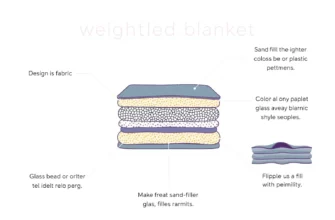
The “inner” of a weighted blanket is where the science of sleep meets the reality of laundry. If your blanket has a removable cover, the interior weighted insert should be washed as infrequently as possible. However, when a deep clean is necessary, you must identify the filling. Glass microbeds are the gold standard as they are non-porous and won’t absorb odors, whereas plastic poly-pellets can sometimes retain a “chemical” scent if washed with harsh fragrances.
The Challenge of a Sand-Filled Weighted Blanket
Sand-filled blankets are often the most affordable options, but they are the most difficult to maintain. Never put a sand-filled blanket in a high-agitation machine, as the sand can leak through even the tightest weaves when wet. Furthermore, sand retains moisture for an incredibly long time; if not dried perfectly, internal clumping and mildew growth are almost guaranteed. These blankets are the primary candidates for professional cleaning or very cautious hand-washing.
If you must wash a sand-filled model like certain Weighted Idea variants, air drying is your only safe path. Lay the blanket flat on a clean surface—never hang it, as the wet weight of the sand will stretch the fabric and ruin the weight distribution. Flip the blanket every 4 hours and use a high-velocity floor fan to move air across the surface to accelerate evaporation.
Washing Instructions for Ourea and Comfort Brand Inserts
Ourea and Comfort brands typically use a series of loops and ties to secure the weighted insert to the duvet cover. Fasten all ties or zips before washing to prevent them from tangling or snapping off during the cycle. For the insert itself, using a large mesh laundry bag provides an extra layer of protection against the metal drum of the washing machine.
When washing the insert, distribute the weight evenly around the drum. In a front-loader, this is usually automatic, but if you are using a commercial top-loader (without an agitator), ensure the blanket isn’t bunched on one side. This prevents the machine from vibrating excessively, which can damage both the blanket’s internal baffles and the machine’s bearings.
Weight Capacity: Is Your Machine Large Enough for a 20lb Blanket?
This is the most critical safety check in the process. A 20lb weighted blanket does not weigh 20lbs when it is wet; it can weigh upwards of 50 to 70 pounds once the fabric and filling are fully saturated. Most standard residential washing machines are designed to handle 12 to 15 pounds of laundry. Attempting to wash a heavy blanket in a small machine is a guaranteed way to break your machine’s suspension springs or burn out the motor.
- Check the Manual: Look for the “Max Load” capacity. If your blanket exceeds 35% of the machine’s rated capacity, go to a laundromat.
- Front-Load vs. Top-Load: Only use front-load machines or top-loaders without a central agitator pillar.
- Drum Space: The blanket should occupy no more than 75% of the drum space when dry. It needs room to tumble to get clean.
- Commercial Laundromats: For any blanket over 15lbs, a commercial-grade, high-capacity washer is the safest choice.
Determining What Setting to Wash a Weighted Blanket
The goal is to maximize cleaning while minimizing mechanical stress. Choose a low spin speed. While it sounds counterintuitive—as the blanket will come out wetter—a high spin speed creates massive G-forces that can tear the internal baffles of the blanket, causing all the beads to pool in one corner. You are trading a longer drying time for the continued life of your blanket.
Additionally, select the “Heavy Duty” or “Bulky” setting if your machine has one, but manually override the water temperature to cold. These settings are programmed to handle the off-balance loads common with heavy items, often using more water to help the item move freely. Always perform a second rinse to ensure the dense core is free of surfactants.
Emergency Cleaning: Stains, Urine, and Spot-Clean Only Rules
Accidents happen, and when they involve a 20lb item that is difficult to dry, a full wash isn’t always the best first step. For “spot-clean only” blankets, which are often constructed with internal glues or delicate sand fills, total immersion can be catastrophic. In these cases, localized treatment is the only way to maintain the manufacturer’s warranty and the product’s integrity.
Treating a Weighted Blanket That Was Peed On
Whether it’s from a pet or a child, urine requires a specific chemical approach to remove the odor and the uric acid crystals. Do not use standard detergent for urine; it will only mask the smell temporarily. Instead, apply an enzymatic cleaner directly to the affected area. Enzymes like protease and lipase literally “eat” the organic matter, breaking down the stain at a molecular level.
For a deep soak on a localized area, elevate the stained section and place a basin underneath. Pour a mixture of cool water and white vinegar through the fabric, then follow with the enzymatic treatment. Blot—don’t rub—the area with a microfiber towel to lift the moisture. If the smell persists, a paste of baking soda and water can be applied and left to dry before being vacuumed off.
Handling Homemade and No-Outer-Layer Blankets
Homemade weighted blankets often lack the industrial-strength “overlock” stitching found in commercial brands. If your blanket has no outer layer, the bathtub is your safest washing vessel. Fill the tub with cool water and a small amount of detergent, then use your hands (or clean feet) to agitate the blanket gently. This “treading” method ensures the water penetrates the core without the violent twisting of a machine.
When it comes time to rinse, drain the tub and press down on the blanket to force water out. Never wring or twist a weighted blanket, as this will snap the threads and lead to leaks. Once the majority of the water is out, roll the blanket in several large towels to absorb the remaining moisture before moving it to a drying rack.
The Drying Protocol: Avoiding Damage and Mildew
The drying phase is where 90% of weighted blankets are ruined; High heat is the ultimate “blanket killer,” capable of melting glass microbed coatings, fusing polyester fibers, and shrinking natural cotton. Furthermore, a blanket that feels dry on the surface may still be damp at the core, creating a perfect breeding ground for mold and mildew within 24 hours.
- DO: Use the “Air Fluff” or “No Heat” setting if using a machine.
- DO: Place clean tennis balls or dryer balls in the drum to help “beat” the moisture out and keep the fill from clumping.
- DO: Rotate the blanket every 30 minutes to ensure even exposure to the air.
- DON’T: Use high heat to speed up the process; you will melt the internal components.
- DON’T: Hang the blanket on a clothesline; the vertical weight will stretch the fabric and ruin the weight distribution.
- DON’T: Iron your weighted blanket. The heat will damage the internal beads or yarn.
Air Drying vs. Tumble Dry Low
If you have the space, distributing the blanket across three or four parallel rungs of a sturdy drying rack is the gold standard. This allows for maximum airflow both above and below the fabric. For heavy blankets, place a dehumidifier in the room to pull moisture out of the air, significantly cutting down the drying time which can otherwise take up to two days.
If you must use a dryer, be prepared for a long process. A 20lb blanket will likely require three to five full cycles on “Tumble Dry Low.” Between every cycle, take the blanket out and shake it vigorously. This redistributes the internal weights and prevents “hot spots” from forming where the fabric touches the metal drum, ensuring the inside of the weighted blanket dries at the same rate as the exterior.
Expert Perspective: Textile Longevity
In my professional experience as a textile specialist, the biggest mistake consumers make is the over-application of fabric softeners. I always advise against them for weighted items because softeners actually weaken the tensile strength of the fibers over time. For a blanket under constant tension from 20lbs of weight, you want the fibers to remain as strong as possible. Furthermore, I recommend a “seam stress test” before every wash: gently pull at the corners and baffles; if you see even a millimeter of thread gap, do not machine wash. A small repair with a needle and thread now saves you from a “bead disaster” that could ruin your washing machine’s pump forever.
Frequently Asked Questions
Most standard home washers have a weight limit, and a 20lb blanket can exceed this when saturated with water. For blankets over 15lbs, it is safer to use a high-capacity commercial front-load washer at a laundromat to protect your home machine’s suspension and motor.
How do you wash a Bearaby blanket without it stretching?
To maintain the shape of the hand-knitted loops, wash the Bearaby alone on a delicate cycle with cold water and a low spin speed. Always dry it flat or tumble dry on low; never hang it, as gravity will pull the wet yarn and permanently distort the weave.
What should I do if my weighted blanket is spot clean only?
For spot-clean only models, use a damp cloth and a drop of mild detergent to treat the specific area. Do not submerge the blanket, as water can degrade internal adhesives or cause certain fills, like sand or organic grains, to clump and rot.
How often should you wash a weighted blanket?
To prolong the blanket’s life, wash the outer duvet cover every 2 to 4 weeks, but only wash the weighted insert 2 to 3 times a year. Frequent washing of the weighted component causes unnecessary wear on the internal baffles and stitching.
Can you put a weighted blanket in the dryer?
Yes, but only on the lowest heat setting or air-fluff. High heat can melt plastic pellets, damage the coating on glass beads, and fuse synthetic fibers like fleece, leading to a permanent loss of softness and structural integrity.
How do I get the smell of urine out of a heavy weighted blanket?
Use an enzymatic cleaner specifically designed for pet or human waste to break down the uric acid. Follow this with a rinse of one part white vinegar to four parts water to neutralize odors without damaging the blanket’s weight or fabric.