- Why a weighted blanket for a 200lb man requires a specialized approach
- The math of comfort: Calculating weight for 200 to 250 lbs
- Quick Reference: Weight Selection Chart for Heavy Sleepers
- Finding the sweet spot for 220lb to 240lb sleepers
- Size matters: Why tall men and big guys need larger dimensions
- The struggle for tall sleepers: Length vs. Pressure
- Common Mistakes to Avoid When Buying for Heavier Frames
- Heat retention: The Hot Sleeper problem for larger bodies
- Scaling up: Selecting a weighted blanket for 300 to 400 lbs
- Durability requirements for the 300lb+ sleeper
- Safety and Health: When to be cautious with heavy blankets
- Understanding the limits for overweight and obese individuals
- Frequently Asked Questions
Why a weighted blanket for a 200lb man requires a specialized approach
Selecting the right sleep equipment is rarely a one-size-fits-all endeavor, especially when you are shopping for a 200lb man. While the general market often caters to average-sized sleepers, larger frames require a more nuanced understanding of how deep pressure stimulation interacts with a higher body mass index. A blanket that feels like a gentle hug to someone weighing 130 lbs might feel entirely unnoticeable or even restrictive to a man with a broader build.
The standard guideline suggests a blanket weight that is roughly 10% of your total body weight, but for men in the 200lb plus category, this is merely a starting point. Factors such as shoulder width, metabolic rate, and sleep position play a massive role in whether a 20lb or 25lb blanket will actually provide the intended therapeutic benefits. If the weight is distributed over a massive surface area, the perceived pressure decreases significantly, making the “math” of comfort a bit more complex than a simple percentage.
The math of comfort: Calculating weight for 200 to 250 lbs
When you are looking for a weighted blanket for a 200 pound man, the 10% rule places you squarely at a 20lb blanket. However, many men in this weight class find that a 20lb option feels slightly “light” because of their bone density and muscle mass. If you are seeking relief from high-anxiety or chronic insomnia, adding an extra 1 to 2 pounds to that 10% baseline often hits the “sweet spot” of sensory input without becoming overwhelming.
For those shopping for a weighted blanket for a 250lb person, the decision usually comes down to a choice between a 25lb and 30lb model. In my experience, a 25lb blanket is the safest bet for most sleepers in this bracket. Moving up to 30lbs is generally reserved for individuals who specifically prefer intense pressure or those who are over 6 feet tall, as the extra length of the blanket will naturally disperse the weight more thinly across the bed surface.
Quick Reference: Weight Selection Chart for Heavy Sleepers
To simplify the selection process, use the following data to narrow down your search based on your current weight. Remember that personal preference for pressure intensity should always outweigh a generic chart, but these figures serve as a safe, effective baseline for most adults with larger frames.
| User Body Weight (lbs) | Recommended Blanket Weight (lbs) | Pressure Intensity Level |
|---|---|---|
| 170 ― 190 lbs | 15 ⏤ 20 lbs | Moderate |
| 200 ― 220 lbs | 20 lbs | Standard / Therapeutic |
| 230 ― 260 lbs | 25 lbs | High Pressure |
| 270 ⏤ 320 lbs | 30 lbs | Heavy Duty |
| 330 ― 400 lbs | 35 lbs | Maximum Compression |
Finding the sweet spot for 220lb to 240lb sleepers
If you fall into the 220lb to 240lb range, you are essentially in the “transition zone” of weighted bedding. When choosing a weighted blanket for a 220 lb man, a 20lb blanket is technically the standard, but it may lack the heavier sensory input required to trigger the nervous system’s relaxation response. If you are a side sleeper, sticking to 20lbs is often better for your hips and shoulders to avoid morning soreness.
Conversely, when selecting a weighted blanket for 240 lbs or a weighted blanket for a 230 lb man, rounding up to a 25lb model is usually the more satisfying choice. The reason is simple: larger bodies naturally displace more volume, which can cause the glass beads within the blanket to shift toward the edges. A slightly heavier fill ensures that the center of the blanket maintains consistent contact with your torso, providing that vital grounding sensation throughout the night.
Size matters: Why tall men and big guys need larger dimensions
Standard weighted blankets often come in “Throw” or “Twin” sizes (roughly 48×72 inches), which are fundamentally inadequate for a tall man or a big guy. If you are over 6 feet tall, a 72-inch blanket will likely leave your feet exposed or pull down from your shoulders, breaking the continuity of the pressure. This interruption in sensory input can actually increase restlessness rather than soothing it, defeating the entire purpose of the product.
Furthermore, the physical dimensions of the blanket dictate the weight distribution per square inch. A 20lb blanket that is 48×72 inches feels significantly heavier than a 20lb blanket that is 80×87 inches (King size). For big guys, the goal is to find a balance where the blanket is large enough to cover the body fully without being so large that the weight “disappears” into the mattress edges. Use the following criteria when checking dimensions:
- Minimum Length: Look for at least 80 inches if you are 6’0″ or taller to ensure full coverage from chin to toe.
- Width for Broad Shoulders: A width of 60 inches (Queen) is the baseline for men with larger frames to prevent the blanket from sliding off during side-sleeping.
- Mattress Overhang: Avoid blankets that hang over the sides of the bed, as gravity will pull the weight toward the floor, making the blanket feel twice as heavy and difficult to adjust at night.
The struggle for tall sleepers: Length vs. Pressure
For the tall man, the biggest challenge isn’t finding weight; it’s finding length. A weighted blanket for a tall man needs to accommodate a larger vertical surface area. If the blanket is too short, you’ll find yourself curling into a fetal position just to stay covered, which can lead to joint stiffness and poor sleep posture. When the weight is concentrated on a smaller area because the blanket is short, the pressure can actually become uncomfortable on the knees and shins.
For tall people, I recommend looking specifically for “Queen” or “King” dimensions, even if you sleep in a smaller bed. A weighted blanket for big guys should ideally be at least 8 inches longer than the sleeper’s height. This extra slack allows you to move your feet freely without losing the “cocoon” effect. Remember, as the blanket size increases, you may need to increase the total weight to maintain the same level of pressure on your actual body.
Common Mistakes to Avoid When Buying for Heavier Frames
Buying a weighted blanket is an investment in your health, but many people with larger frames make critical errors that lead to “buyer’s remorse.” One of the most frequent mistakes is underestimating the heat generated by a higher body mass. When you combine a high metabolic rate with a heavy blanket, you can quickly create a sweat-box environment that ruins sleep quality. Another common pitfall is choosing a blanket with poor weight distribution, where the internal fill clumps into corners.
- Ignoring Fabric Breathability: Avoid “Minky” or fleece fabrics if you are a hot sleeper. These synthetic materials trap body heat aggressively.
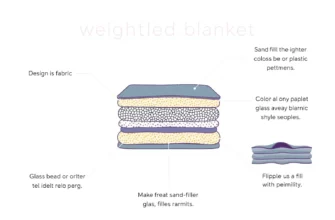
- Choosing Plastic Pellets: Always opt for glass beads. They are denser, quieter, and do not retain heat like plastic poly-pellets do.
- Skipping the Duvet Cover: A 25lb blanket is nearly impossible to wash in a standard home machine. Always use a removable cover to maintain sleep hygiene.
- Buying Too Large for the Bed: If a King-size weighted blanket is used on a Full-size bed, the weight hanging over the edges will constantly pull the blanket off you during the night.
Heat retention: The Hot Sleeper problem for larger bodies
It is a biological reality that individuals with more body mass often radiate more heat. This makes finding a weighted blanket for heavy people a challenge in terms of thermal regulation. The best weighted blanket for 200 lbs or more is one that utilizes cooling technology such as bamboo-derived rayon or high-thread-count cotton. These natural fibers allow air to circulate through the layers, preventing the “insulation effect” common with cheaper blankets.
The filler material is equally important. Micro-glass beads are superior for heat dissipation compared to plastic alternatives. Because glass beads are smaller and denser, the blanket can be thinner while maintaining its weight, which naturally allows more heat to escape. If you frequently wake up sweating, look for a “moisture-wicking” cover, which can significantly improve your comfort during the warmer months.
Scaling up: Selecting a weighted blanket for 300 to 400 lbs
When we move into the 300lb to 400lb range, the structural integrity of the blanket becomes the primary concern. A weighted blanket for a 300 lb man needs to be exceptionally durable. The sheer force of 30 or 35 pounds of glass beads creates immense pressure on the internal stitching. If the blanket is poorly made, those beads will eventually leak through the seams, rendering the blanket useless and creating a mess in your bed.
In this weight category, the “10% rule” still applies, but you must be mindful of the physical effort required to move the blanket. A weighted blanket for 400 pounds would technically be 40 lbs, but most commercial brands cap their weight at 35 lbs for safety and manufacturing reasons. For a weighted blanket for 350 lbs, a 30lb or 35lb option is usually sufficient to provide the deep pressure stimulation needed to calm the nervous system without posing a risk of entrapment.
Durability requirements for the 300lb+ sleeper
If you are in the 300lb+ bracket, do not settle for a budget-tier blanket. You need heavy-duty stitching with a small-grid pattern (roughly 4×4 inch squares). Smaller pockets ensure that the beads cannot shift or clump, which is vital for maintaining even weight distribution across a large frame. Reinforced double-stitched edges are a non-negotiable feature to prevent bead leakage over time.
Safety is also a factor for very heavy blankets. Ensure you have the physical strength to remove the blanket independently. While the pressure is therapeutic, it should never feel like you are pinned to the mattress. If you have mobility issues or joint pain in your hands, a 35lb blanket might be too difficult to adjust during the night, so you may want to opt for a slightly lighter weight (25-30 lbs) to maintain your independence and ease of movement.
Safety and Health: When to be cautious with heavy blankets
While weighted blankets offer incredible benefits for sleep hygiene and anxiety reduction, they are not suitable for everyone. For individuals who are overweight or obese, certain underlying health conditions can make the use of a heavy blanket risky. The primary concern is respiratory health; adding 20 to 30 pounds of pressure to the chest can exacerbate breathing difficulties during sleep.
- Sleep Apnea Warning: If you suffer from obstructive sleep apnea, consult your doctor before using a weighted blanket, as the extra weight may further restrict your airway.
- Circulatory Issues: Individuals with diabetes or peripheral neuropathy should be cautious, as the pressure could potentially limit blood flow to the extremities.
- Independent Movement: You must be able to pull the blanket off your body without assistance to ensure you can exit the bed quickly in an emergency.
- Respiratory Conditions: People with asthma or COPD should avoid blankets that feel restrictive around the ribcage.
Understanding the limits for overweight and obese individuals
For a weighted blanket for an obese person, the goal is comfort, not compression. It is vital to distinguish between therapeutic pressure and physical restriction. If you find that using the blanket causes you to wake up feeling short of breath or with a racing heart, the weight is likely too high or you may have an undiagnosed respiratory issue. A weighted blanket for adults for an overweight person should always feel like a choice, not a constraint.
I always recommend starting with a lower weight if you have any health concerns. You can always “layer up” later, but overtaxing your respiratory system during the night will lead to lower blood oxygen levels and poor-quality REM sleep. If you have a high body mass index, focus on blankets that prioritize even weight distribution rather than raw poundage, as this provides the same neurological benefits with less physical strain on the heart and lungs.
In my professional experience, the most common mistake people make is equating total body weight with the required blanket weight without considering body surface area. I always advise larger adults to look at weight density. A 200lb man who is 6’5″ has a much larger surface area than a 200lb man who is 5’7″. For the taller man, I actually recommend increasing the blanket weight by 15-20% over the standard rule because the pressure is spread so thin across his frame. Deep Pressure Stimulation (DPS) only works if the pressure is concentrated enough to trigger the parasympathetic nervous system. For my larger clients, I focus on “effective pressure”—ensuring the blanket is heavy enough to actually be felt, while prioritizing cooling materials to prevent the metabolic heat spikes that often wake larger sleepers in the middle of the night.
Frequently Asked Questions
No, a 20lb blanket is the standard 10% recommendation for this weight and is generally considered the perfect starting point for comfort and safety.
What size weighted blanket should a tall man over 6 feet use?
A tall man should look for a Queen or King size blanket, specifically ensuring a length of at least 80 inches to cover the body from shoulders to toes.
Are there weighted blankets specifically designed for 300lb people?
Yes, many premium brands offer 30lb and 35lb blankets featuring reinforced stitching and high-density glass beads specifically for larger frames.
Can an overweight person use a weighted blanket if they have sleep apnea?
It is strongly recommended to consult a physician first, as the additional weight on the chest can potentially worsen respiratory obstruction during sleep.
Do weighted blankets make you too hot if you weigh over 250lbs?
They can, but choosing cooling fabrics like bamboo or cotton combined with glass bead fillers can effectively mitigate heat retention for hot sleepers.
How do I clean a heavy-duty 30lb weighted blanket?
Most home washing machines cannot handle 30lbs; always use a removable duvet cover and wash the cover frequently while spot-cleaning the inner blanket only when necessary.