- Why Poly Beads for Weighted Blankets are the Industry Standard for Comfort
- The Benefits of Using Plastic Filler Beads for Weighted Blankets
- Comparing Glass, Ceramic, and Poly: Which Filler Fits Your Sleep Style?
- High-Density Options: Micro Beads vs. Steel Shot Beads
- Common Challenges: Why the Beads in My Weighted Blanket Keep Shifting
- How to Secure Heavy Beads for Consistent Pressure
- Safety First: Avoiding Lead, Sand, and Organic Fillers
- The Hidden Dangers of Dried Beans and Unrefined Sand
- DIY Guide: Selecting Inexpensive Beads for Making Your Own Blanket
- Where to Buy Quality Filler Beads in Bulk
- Maintenance and Longevity: Keeping Your Weighted Blanket Clean
- Washing Instructions for Polypropylene and Silicone Fillers
- Expert Perspective: Sensory Integration
- Frequently Asked Questions
Why Poly Beads for Weighted Blankets are the Industry Standard for Comfort
Polypropylene pellets have dominated the therapeutic bedding market for decades because they offer a reliable, consistent weight that stands up to years of daily use. These small, round plastic beads provide a specific tactile feedback that many users find grounding, particularly in clinical settings where durability is a non-negotiable requirement.
Unlike organic alternatives, these pellets are engineered for stability, ensuring that the blanket maintains its structural integrity regardless of how many times it is folded or compressed during sleep. Their uniform size allows for a predictable fill volume, which is essential for manufacturers and DIY crafters alike who need to calculate precise weight distributions across large surface areas.
The Benefits of Using Plastic Filler Beads for Weighted Blankets
One of the primary advantages of utilizing plastic pellets for blankets is their extreme resistance to moisture and environmental degradation. Because polypropylene is non-porous, it does not absorb sweat, oils, or humidity, which prevents the internal fill from becoming a breeding ground for bacteria or allergens over time.
For those embarking on DIY projects, these washable weighted beads are remarkably cost-effective compared to luxury glass alternatives. They provide a “fuller” feel to the blanket, which many individuals prefer for the cocoon-like sensation it creates, as the larger volume of the beads fills out the quilted pockets more substantially than high-density micro-materials.
Furthermore, high-quality plastic beads are virtually indestructible under normal household conditions. Always look for “virgin” polypropylene to ensure the beads are free from chemical odors or recycled impurities that could trigger sensitivities in users with sensory processing disorders.
Comparing Glass, Ceramic, and Poly: Which Filler Fits Your Sleep Style?
Selecting the right filler is not just about weight; it is about how that weight interacts with your body temperature and auditory environment. Each material brings a distinct set of physical properties that can either enhance or detract from your restorative sleep depending on whether you are a “hot sleeper” or someone sensitive to noise.
| Material Type | Density | Noise Level | Heat Retention | Best Used For |
|---|---|---|---|---|
| Polypropylene Beads | Low to Medium | Moderate (Soft Rustle) | Medium to High | Budget-friendly, “fluffy” feel |
| Micro Glass Beads | High | Very Low (Silent) | Low (Stays Cool) | Hot sleepers, sensory sensitivity |
| Ceramic Beads | High | Low | Very Low | Premium cooling blankets |
| Steel Shot | Extreme | High (Metallic) | Low | Ultra-thin, heavy industrial use |
While poly beads are excellent for warmth and cushioning, glass micro-beads are the gold standard for temperature regulation. Because glass is significantly denser, the beads are much smaller—roughly the size of grains of sand—which allows the blanket to be thinner and more breathable while still providing the necessary downward pressure.
High-Density Options: Micro Beads vs. Steel Shot Beads
Micro beads for weighted blankets offer a “liquid-like” movement, contouring perfectly to the curves of the body without the bulk associated with plastic pellets. This seamless contouring is vital for maximizing the surface area of the body receiving deep pressure stimulation, which helps effectively trigger the release of serotonin and melatonin.
If you require an exceptionally heavy blanket but want to avoid a thick, cumbersome profile, steel shot beads for weighted blankets are an alternative worth considering. Steel is incredibly dense, meaning you can achieve a 25-pound weight with a fraction of the volume required by other materials. However, steel shot must be encapsulated in thick batting to prevent a “lumpy” texture and to dampen the metallic clicking noise that occurs when the beads shift.
Common Challenges: Why the Beads in My Weighted Blanket Keep Shifting
The most frequent complaint among weighted blanket users is the “bunching” effect, where all the weight migrates to the corners or edges of the blanket. This uneven distribution renders the blanket ineffective, as the deep pressure is no longer applied to the torso or limbs where it is needed most to calm the nervous system.
This issue is rarely a fault of the beads themselves but is instead a failure of the internal architecture. To maintain therapeutic efficacy, the filler must be physically restrained within a grid system that prevents it from traveling more than a few inches in any direction.
- Check the pocket size: Ensure your blanket uses a “baffle-box” construction with pockets no larger than 5×5 inches.
- Inspect the stitching: Weight shifting often occurs because internal seams have ruptured; look for reinforced double-stitching along the grid lines.
- Assess the fill volume: If pockets are too empty, beads will pool in the corners of each square, creating “dead zones” of pressure.
- Evaluate the outer cover: A loose duvet cover can make it feel like the weight is shifting even if the internal blanket is intact; use internal ties to secure the weighted core.
How to Secure Heavy Beads for Consistent Pressure
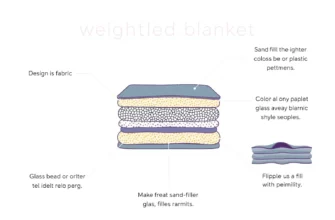
To fix shifting issues in existing blankets or to prevent them in new builds, the integration of polyester batting is a critical technical step. By layering thin sheets of fiberfill on both sides of the heavy beads for weighted blanket construction, you create a “friction sandwich” that holds the beads in place within their individual pockets.
This batting serves a dual purpose: it locks the beads against the fabric to prevent movement and acts as a silencer. For those using micro-glass or steel, adding a layer of high-loft batting is the only way to achieve a truly silent sleep experience. Without this dampening layer, the weighted blanket beads shifting against one another can create a distracting grit-like sound every time you roll over.
Safety First: Avoiding Lead, Sand, and Organic Fillers
The rise of DIY weighted blankets has led to the dangerous popularization of “natural” fillers that pose significant health risks. While using household items like rice or beans might seem like a clever way to save money, these materials are fundamentally unsuited for long-term use in bedding and can lead to severe respiratory or hygiene complications.
Myth: Dried beans and rice are safe, eco-friendly alternatives to plastic beads.
Fact: Organic fillers absorb moisture from the air and body sweat, leading to rapid mold growth and insect infestations within the blanket. Furthermore, these materials cannot be washed, making them a significant biohazard after just a few months of use.
Safety also extends to the sourcing of mineral fillers. Some manufacturers attempt to cut costs by using unrefined industrial sand. This is a major safety concern because low-grade sand can contain traces of lead and crystalline silica, which can leak through the fabric as fine dust and be inhaled during sleep.
The Hidden Dangers of Dried Beans and Unrefined Sand
Beyond the hygiene issues, dried beans for weighted blankets eventually break down into a fine starch powder through friction. This powder not only creates a mess but can also trigger allergic reactions in sensitive individuals. Once an organic filler gets wet—whether through a spill or an attempted wash—it will begin to rot, producing foul odors that are impossible to remove.
Sand also presents a mechanical problem: it is so fine that it will eventually “sift” through the weave of most fabrics, leaving a gritty residue in your bed. Stick to medical-grade, non-toxic polypropylene or polished glass beads. These materials are hypoallergenic, non-porous, and heat-resistant, ensuring your blanket remains a safe environment for relaxation rather than a source of contamination.
DIY Guide: Selecting Inexpensive Beads for Making Your Own Blanket
If you are crafting your own therapeutic tool, the cost of materials can add up quickly. While specialty craft stores sell branded “weighted stuffing,” these are often marked up significantly. To keep your project affordable, look for bulk suppliers of industrial-grade polypropylene pellets, which are chemically identical to craft-store versions but sold at a fraction of the price.
- Virgin Polypropylene: The best all-around choice for price and washability.
- Glass Micro-Beads: More expensive but better for thin, professional-feeling blankets.
- Polished Stones: An ultra-cheap option, though they can be noisy and difficult to distribute evenly.
- Pellon Weighted Beads: A reliable brand-name option for beginners who want guaranteed non-toxic quality.
Where to Buy Quality Filler Beads in Bulk
When searching for an inexpensive bead for weighted blanket projects, prioritize suppliers that provide BPA-free and food-grade certifications. This ensures that even if the beads are heated in a dryer, they won’t off-gas harmful chemicals. You can often find these in 10-lb or 25-lb bags from online industrial suppliers or specialized doll-making warehouses.
To calculate the amount you need, use the 10% of body weight plus 1 pound rule. For example, if the user weighs 150 pounds, you need 15 pounds of beads plus an extra pound to account for the weight of the fabric and batting. Buying exactly the amount you need in bulk will prevent waste and ensure you have enough filler to maintain high density in every pocket of the blanket.
Maintenance and Longevity: Keeping Your Weighted Blanket Clean
A weighted blanket is a significant investment in your sleep health, and proper maintenance is required to ensure the filler doesn’t degrade or damage your appliances. The primary concern with washing these blankets is the sheer weight of the item when wet, which can easily unbalance a standard home washing machine.
Most blankets filled with plastic or glass are technically machine washable, but you should always use a commercial-grade, front-loading washer for blankets exceeding 12 pounds. Top-loading machines with center agitators can catch on the blanket’s fabric, leading to tears that result in a “bead explosion” inside your machine—a nightmare scenario that can destroy your plumbing.
Washing Instructions for Polypropylene and Silicone Fillers
When cleaning blankets with silicone beads for weighted blanket interiors or standard poly pellets, temperature control is your most important variable. While polypropylene is durable, it has a relatively low melting point compared to natural fibers. Never wash or dry your blanket on high heat settings; keep water temperatures at “cool” or “warm” and use the lowest possible heat setting on the dryer.
For blankets containing steel shot or ceramic, air drying is the safest route. Steel, even if treated, can be prone to oxidation if moisture is trapped in the pockets for too long. If you must use a dryer, tumble on “air fluff” with several clean tennis balls to help redistribute the beads and prevent the wet fabric from clumping, which ensures the core dries thoroughly and prevents any musty odors from developing.
Expert Perspective: Sensory Integration
In my professional experience as a sensory specialist, the “noise profile” of a weighted blanket is just as important as the weight itself. For many children with ADHD or autism, the subtle rustling of poly beads can act as a secondary sensory input that is either soothing or overstimulating depending on the individual. I always advise parents to test a small pouch of the filler material near the child’s ear before committing to a full blanket. If the sound of plastic pellets is distracting, switching to micro-glass beads is often the breakthrough needed to achieve the “calm-down” effect required for sleep onset. Furthermore, always ensure the weight is distributed proportionally; a blanket that is too heavy can cause “sensory guarding,” where the body tenses up against the weight rather than relaxing into it.
Frequently Asked Questions
Glass beads are generally considered superior for those who prefer a thinner, cooler, and quieter blanket. Poly beads are bulkier and trap more heat, making them better for people who want a traditional “comforter” feel at a lower price point.
Can you wash a weighted blanket filled with plastic beads?
Yes, polypropylene beads are machine washable. However, you must avoid high heat in the dryer to prevent the plastic from softening or melting, which could ruin the blanket’s texture and internal structure.
What is the best way to stop beads from shifting in a weighted blanket?
The most effective method is using small quilted pockets (4×4 or 5×5 inches) combined with a layer of polyester batting. The batting creates friction that holds the beads in place and prevents them from pooling in corners.
Are steel shot beads safe for household weighted blankets?
Steel shot is safe if it is high-quality, rust-proof stainless steel. It is extremely dense, but it requires significant padding to prevent the blanket from feeling like a bag of marbles and to reduce metallic noise.
Is it safe to use sand as a filler for weighted blankets?
No, sand is not recommended. It can contain lead or silica dust, it leaks through most fabric seams, and it is nearly impossible to dry completely, which inevitably leads to mold and mildew growth.
How many pounds of poly beads do I need for a DIY weighted blanket?
Calculate 10% of the user’s body weight and add roughly 1 to 2 pounds to account for the weight of the fabric and batting to reach the final desired therapeutic weight.