- Is a 15lb weighted blanket the right choice for your body weight?
- The 10% Rule: Why 15 Pounds is the Sweet Spot for Many Adults
- Comparing the Spectrum: 13lb, 15lb, and 18lb Weighted Blankets
- When to Choose a 13lb vs․ 16lb or 18lb Option
- Material Matters: From Cooling Bamboo to Reversible Sherpa
- Choosing Between Cotton, Plush, and Bamboo Finishes
- Filling and Construction: What’s Inside Your 15lb Blanket?
- The Role of Glass Beads and Quilted Stitching
- Specialized Uses: From Anxiety Relief to Kids Safety
- Weighted Blankets for Children and Adult Anxiety
- Maintenance Guide: How to Wash and Care for a 15lb Throw
- Machine Washable vs․ Spot Cleaning Strategies
- Frequently Asked Questions
Is a 15lb weighted blanket the right choice for your body weight?
The science behind weighted therapy rests on deep pressure stimulation, a therapeutic technique that emulates the sensation of being held or hugged․ This physical connection triggers the release of serotonin and melatonin while simultaneously reducing cortisol levels․ Choosing a 15lb blanket is not an arbitrary decision; it is a calculated move to find the balance between comforting pressure and physical safety․
For most adults, the sensory experience of a 15lb blanket provides enough weight to ground the nervous system without causing a feeling of restriction․ This weight class is the most popular in the industry because it hits the “sweet spot” for a broad demographic of sleepers․
The 10% Rule: Why 15 Pounds is the Sweet Spot for Many Adults
The gold standard for selecting a weighted blanket is the 10% rule, which suggests your blanket should weigh approximately one-tenth of your total body weight․ If you weigh 150 pounds, a 15lb weighted throw blanket is your direct match․ However, humans do not fit into perfect mathematical boxes, and personal preference often dictates whether you should go slightly heavier or lighter․
For individuals weighing 110 pounds, a 15 pound weighted blanket represents roughly 13․6% of their body weight․ While this is slightly above the standard recommendation, many users in this weight bracket find the extra pressure helps with severe insomnia or restless leg syndrome․ Conversely, for someone at 170 pounds, a 15 pound weighted blanket offers about 8․8% pressure․ This is often preferred by those who want the benefits of deep pressure without feeling “trapped” or becoming too warm during the night․
If you fall between 110 and 170 pounds, 15 lbs is generally the safest and most effective starting point․ Always ensure you can easily move the blanket off your body without assistance, as this is the primary safety requirement for any weighted sleep product․
Comparing the Spectrum: 13lb, 15lb, and 18lb Weighted Blankets
When shopping for sleep aids, a few pounds can make a significant difference in how your nervous system responds․ A 13lb blanket might feel like a heavy quilt, whereas an 18lb version feels more like a professional therapeutic tool․ Understanding these nuances helps you avoid the hassle of returns and ensures a better night’s sleep from day one․
| Blanket Weight | Ideal User Weight Range | Pressure Intensity | Best For |
|---|---|---|---|
| 13 lb weighted blanket | 110 — 140 lbs | Gentle / Moderate | Beginners, hot sleepers, and elderly users․ |
| 15 lb weighted blanket | 130 ⸺ 170 lbs | Balanced / Standard | General anxiety relief and everyday sleep improvement․ |
| 18 lb weighted blanket | 160 ⸺ 200+ lbs | Deep / Intense | Chronic insomnia and those who prefer a “heavy hug” feel․ |
When to Choose a 13lb vs․ 16lb or 18lb Option
Choosing between a 13 lb weighted blanket and a 16 pound weighted blanket often comes down to your physical frame and sleep environment․ If you are a petite individual or have joint pain, the lower 13lb option reduces the risk of morning stiffness․ A lighter weight is also easier to manage if you plan on moving the blanket from the bed to the sofa frequently․
On the other hand, a 14-16 lb weighted blanket or even an 18lb option is better suited for larger mattress sizes․ Weight distribution changes based on surface area; 15 pounds spread over a Twin mattress feels much heavier than 15 pounds spread over a King mattress․ If you share a bed and want the weight only on your side, stick to a personal-sized 15lb throw rather than a larger, heavier version that might slide off the bed due to its own mass․
Material Matters: From Cooling Bamboo to Reversible Sherpa
The fabric surrounding the weighted core dictates your thermal comfort and tactile satisfaction․ A 15lb blanket is heavy enough to trap significant body heat, so the choice of material is arguably as important as the weight itself․ You must match the fabric to your personal internal thermostat and the climate of your bedroom․
Natural fibers and synthetic blends offer vastly different sleep experiences․ While a 15lb cotton weighted blanket is the traditional choice for its durability and mid-range warmth, newer innovations like bamboo and minky fabrics have specialized the market for specific types of sleepers․
Choosing Between Cotton, Plush, and Bamboo Finishes
For “hot sleepers” who wake up drenched in sweat, a 17 lb bamboo weighted blanket or a 15lb bamboo version is the superior choice․ Bamboo is naturally moisture-wicking and remains cool to the touch, which helps offset the heat retention caused by the blanket’s density․ This material allows for airflow that prevents the dreaded “oven effect” often associated with heavier bedding․
In contrast, those who live in colder climates or deal with poor circulation often prefer a 15 pound sherpa weighted blanket․ The high-pile, wool-like texture provides immediate warmth and a soft, sensory-rich experience․ If you want the best of both worlds, look for a 15lb reversible anti-anxiety weighted blanket․ These often feature a cooling side for summer and a plush or minky side for winter, giving you a versatile tool for year-round temperature regulation․
Filling and Construction: What’s Inside Your 15lb Blanket?
The internal components of your blanket determine how the weight is distributed across your limbs․ Early weighted blankets used plastic poly-pellets, but modern high-end options have shifted toward more sophisticated materials․ The goal is to avoid “pooling,” where all the weight slides to the corners, leaving the center of the blanket empty․
Key Construction Takeaways:
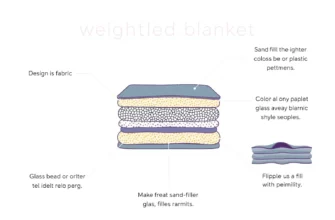
– Glass Beads: These are smaller, denser, and quieter than plastic pellets․ They provide a “sand-like” feel that contours better to the body․
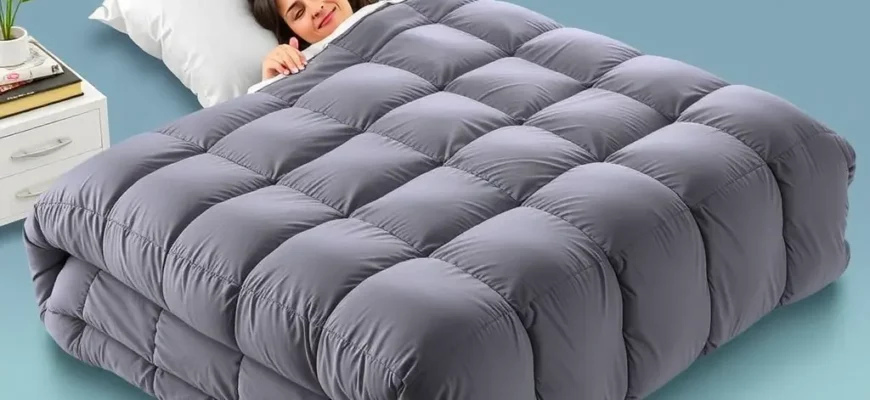
– Quilted Stitching: Look for 15lb quilted weighted blankets with small pocket sizes (4×4 inches or 5×5 inches)․ Smaller pockets ensure the weight stays even․
– Layering: Quality blankets use extra layers of polyester padding to prevent the beads from leaking or making noise when you move․
The Role of Glass Beads and Quilted Stitching
The 15lb weighted blanket filling is usually the deciding factor in the blanket’s profile․ Glass beads are the industry favorite because they are non-toxic, hypoallergenic, and take up less space than plastic․ This allows a 15 lb weighted blanket with beads to be thinner and less bulky than a pellet-filled version, making it easier to fold and store when not in use․
Furthermore, the integrity of the stitching is what makes a blanket last․ A 15lb quilted weighted blanket must withstand significant tension․ If the stitching is weak, the beads will shift, creating uneven pressure that can be frustrating or even uncomfortable․ High-quality construction uses double-reinforced seams to ensure that the 15 pounds of pressure remain exactly where you need them: on your body․
Specialized Uses: From Anxiety Relief to Kids Safety
While 15lb blankets are standard for adults, they are often used in therapeutic settings for individuals with ADHD, Autism, or general sensory processing disorders․ The consistent proprioceptive input helps “quiet” the nervous system, making it easier to transition into a restful state․ However, when moving into the realm of pediatric use or specific brand comparisons, safety and specific weight limits become paramount․
- Do: Use a 15lb blanket for adults struggling with night-time anxiety or racing thoughts․
- Do: Ensure the user has the physical strength to lift the blanket off their chest․
- Don’t: Use a 15lb blanket for toddlers or small children․
- Don’t: Cover your face or head with a weighted blanket, regardless of the weight․
Weighted Blankets for Children and Adult Anxiety
Safety guidelines for children are much stricter than for adults․ Generally, 14 lb weighted blankets for kids are only appropriate for older teenagers who have reached a body weight of at least 130-140 pounds․ For younger children, a weight that is too heavy can interfere with breathing or circulation․ Always consult with an occupational therapist before introducing a weighted blanket to a child’s sleep routine․
For adults, the choice might also be influenced by specific brand feel․ For instance, the Therapedic weighted blanket 16 lbs or a 16 lb adult weighted blanket might be marketed for those who find 15 lbs just a bit too light but aren’t ready for 20 lbs․ Additionally, a 15 lb plush weighted blanket is often the preferred choice for those seeking “tactile grounding,” as the soft texture provides an extra layer of sensory soothing for high-anxiety moments․
Maintenance Guide: How to Wash and Care for a 15lb Throw
Maintaining a 15lb blanket requires more care than a standard duvet․ Because of the concentrated weight, putting these blankets in a residential washing machine can be risky․ The mechanical stress of a 15lb dead weight spinning at high speeds can damage the drum or the motor of many home appliances․
- Check the Label: Always confirm if the blanket is “machine washable” or “dry clean only․”
- Inspect the Seams: Before washing, check for any loose threads where beads could escape․
- Use a Duvet Cover: To extend the life of your blanket, use a removable cover that can be washed frequently, leaving the weighted inner for occasional cleaning․
- Air Dry: Whenever possible, air dry your blanket flat to avoid clumping the filling in a hot dryer․
Machine Washable vs․ Spot Cleaning Strategies
While you might see an 18lb weighted blanket washable label, 15lbs is often the limit for standard front-loading washers․ Top-loaders with agitators should generally be avoided, as the blanket can wrap around the agitator and cause the machine to become unbalanced․ If your 15lb weighted throw blanket gets a small stain, spot cleaning with a mild detergent and a damp cloth is always the safest first step․
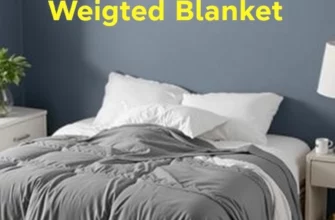
If you must wash the entire blanket, use a cold, gentle cycle․ For drying, many manufacturers recommend tumble drying on low heat, but be warned: 15 pounds of wet fabric is significantly heavier than 15 pounds of dry fabric․ This added moisture weight can exceed the capacity of your dryer․ A 15 lb weighted blanket in gray or other dark colors may also show detergent residue more easily, so ensure a thorough rinse cycle is used․
In my professional experience working with clients who suffer from sensory over-stimulation, I have found that the “10% rule” is merely a baseline․ I always advise people to consider their “sensory threshold․” Some individuals with high anxiety actually require a 15lb blanket even if they only weigh 110 pounds, because their nervous system needs a higher “noise-to-signal” ratio to feel calm․ However, you must also consider the fabric’s tactile feedback․ A 15lb bamboo blanket feels “sharper” and more direct, while a 15lb plush blanket feels “soft” and diffused․ If you are easily overstimulated by heat, never prioritize weight over breathability, as waking up hot will negate any benefit the pressure provides․
Frequently Asked Questions
No, it is not too heavy․ A 15lb blanket is roughly 11․5% of a 130lb person’s weight, which is within the recommended therapeutic range of 10-12% for most adults․
Can I wash a 15lb weighted blanket in my home washing machine?
It depends on your machine’s capacity․ Most modern front-load washers can handle 15lbs, but always check your owner’s manual for the maximum load weight to avoid damaging the suspension;
What is the difference between a 15lb blanket and a 15kg blanket?
There is a massive difference․ 15kg is approximately 33 pounds․ Using a 15kg blanket is dangerous for most individuals and should only be used under medical supervision for very large adults․
Is a 15lb weighted blanket safe for children?
Generally, no․ A 15lb blanket is far too heavy for small children․ A child should be at least 130-140 pounds before considering a 15lb weight for safety reasons․
Which is better for hot sleepers: cotton or bamboo 15lb blankets?
Bamboo is significantly better for hot sleepers․ It has superior moisture-wicking properties and a lower thermal mass than cotton, helping to keep your body temperature stable․