- Why Rewilding America is the Next Frontier for Conservation
- The Visionaries: Dave Foreman and the Origins of the Wildlands Project
- Restoring the American West: A Landscape Reborn
- The American Prairie Reserve and the Great Plains
- Regional Spotlights: Idaho, Montana, and Utah
- Rewilding Methods: How We Bring Back the Wild
- Passive vs․ Active Rewilding Strategies
- The Coast-to-Coast Movement: From California to the East Coast
- California Dreaming: Reconnecting Los Angeles to the Wild
- The Green Wall: Rewilding the East Coast and Vermont
- Addressing the Friction: Agenda 21 and the Politics of Land
- Land Rights and the Public Perception of Rewilding
- The Human Connection: Rewilding Your Life and Your Children
- Outdoor Magazine’s Vision: Rewilding the American Child
- Off the Grid: Living Within the Wild System
- Practical Steps to Support the Rewilding Movement
- From Your Backyard to the National Parks
- Expert Perspective: The Power of Trophic Cascades
- Frequently Asked Questions
Why Rewilding America is the Next Frontier for Conservation
For decades, conservation in the United States focused on a “fortress” model, attempting to protect isolated pockets of wilderness while the land around them withered․ Rewilding represents a fundamental shift from merely preserving what remains to actively reclaiming the ecological functions that have been lost over centuries․
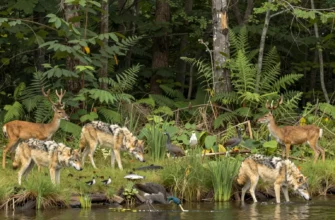
This movement suggests that nature is not a static museum piece but a dynamic system that requires large-scale connectivity and the presence of keystone species to thrive․ By focusing on the restoration of natural processes—such as wild river flows and natural fire regimes—we can create a landscape that is resilient enough to withstand the pressures of a changing climate․
The Visionaries: Dave Foreman and the Origins of the Wildlands Project
The intellectual architecture of rewilding in North America was largely built by Dave Foreman and Michael Soulé․ Foreman, a former lobbyist who grew disillusioned with standard political compromises, realized that small, disconnected parks act as “ecological islands” where species eventually go extinct due to genetic isolation and environmental fluctuations․
In the early 1990s, they launched the Wildlands Project, which introduced the scientific community to the “3 Cs” model: Cores, Corridors, and Carnivores․ This framework argues that for a wildlife corridor in the Rocky Mountains to truly function, it must connect large core wilderness areas, allowing apex predators to move freely across the continent․ Dave Foreman’s rewilding of North America wasn’t just about biology; it was a radical call to restore the evolutionary potential of the continent by ensuring large mammals had the space to roam and hunt as they did for millennia․
Restoring the American West: A Landscape Reborn
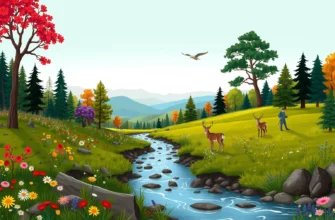
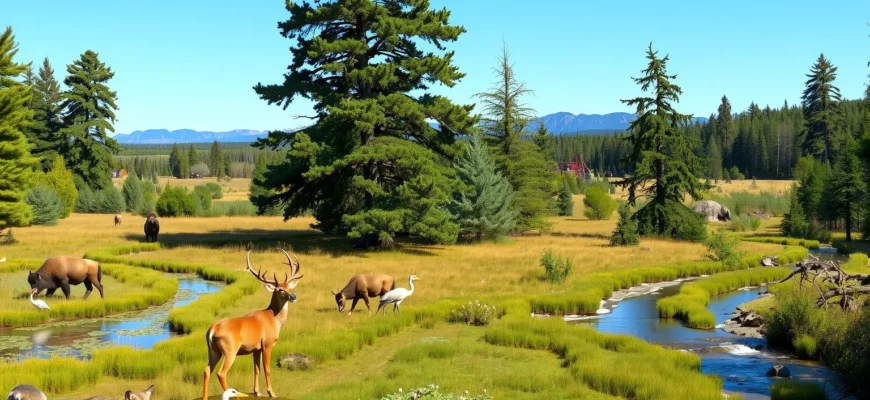
The American West serves as the primary laboratory for large-scale rewilding due to its vast tracts of public land and lower population densities․ Here, the goal is to stitch together fragmented habitats to create a seamless wilderness that stretches from Mexico to the Arctic․
In these arid and semi-arid environments, water and migration routes are the lifeblood of the ecosystem․ Successful restoration in this region requires a narrative shift, moving away from the “taming of the West” toward a future where human industry and wild systems coexist within shared boundaries․
The American Prairie Reserve and the Great Plains
The Great Plains were once home to one of the greatest wildlife spectacles on Earth, often compared to the Serengeti․ Author Richard Manning has frequently noted that the West’s identity is tied to its grasslands, yet much of this “sea of grass” has been fenced and plowed․ The American Prairie Reserve (APR) in Montana is working to reverse this by assembling a 3․2-million-acre reserve of private and public lands․
At the center of this effort is the bison․ Reintroducing bison to the prairies does more than just bring back an iconic animal; bison are “ecosystem engineers” whose wallowing creates seasonal wetlands and whose selective grazing promotes a diverse mosaic of plant life․ By rewilding America’s prairies, the APR is demonstrating that restoring the “thundering herd” is the most efficient way to sequester carbon and support hundreds of bird and insect species that depend on heterogeneous grassland structures․
Regional Spotlights: Idaho, Montana, and Utah
In the Northern Rockies, rewilding Idaho and Montana has centered on the controversial but ecologically essential return of the gray wolf․ Since their reintroduction in the mid-1990s, wolves have initiated a “trophic cascade,” where their presence forces elk to move more frequently, allowing willow and aspen groves to recover along stream banks․ This regrowth provides habitat for songbirds and material for beavers, who in turn create ponds that recharge groundwater․
Further south, rewilding Utah presents a different challenge, focusing on high-desert recovery and the protection of “red rock” wilderness․ The focus here is often on removing invasive species like tamarisk and restoring the natural flow of desert springs, which are critical stopover points for migratory birds․ These regional efforts prove that rewilding is not a one-size-fits-all strategy but a localized response to specific ecological trauma․
Rewilding Methods: How We Bring Back the Wild
To understand the practical application of these theories, we must distinguish between traditional land management—which often requires constant human intervention—and rewilding, which aims for self-governance․ The goal is to reach a point where human management is no longer necessary because the system has regained its internal balance․
| Feature | Traditional Land Management | Rewilding Approach |
|---|---|---|
| Primary Goal | Conservation of specific species or beauty․ | Restoration of self-sustaining natural processes․ |
| Human Role | Active manager (weeding, culling, planting)․ | Initiator (removing barriers, then stepping back)․ |
| Key Tool | Fencing and designated “use” zones․ | Wildlife corridors and habitat connectivity․ |
| Success Metric | Stable populations of “target” species․ | Increased biodiversity and trophic complexity․ |
Passive vs․ Active Rewilding Strategies
Active rewilding involves direct human intervention to jumpstart an ecosystem․ This includes the reintroduction of keystone species, such as wolves or beavers, and the physical removal of man-made obstacles like dams and redundant fencing․ For instance, removing obsolete dams is the fastest way to rewild river systems, allowing salmon to return to upstream spawning grounds and bringing ocean-derived nutrients back into deep forest ecosystems․
Passive rewilding, conversely, relies on the “spontaneous” return of nature when human pressure is removed․ This is often seen in abandoned agricultural lands or after large-scale land protection․ When looking at a rewilding North America map, you can see how passive recovery in the Northeast has led to the return of cougars and bears in areas where they hadn’t been seen for a century, simply because the forest was allowed to grow back undisturbed․
The Coast-to-Coast Movement: From California to the East Coast
A common misconception is that rewilding only happens in the “Empty West․” In reality, some of the most innovative work is happening in densely populated areas where nature has been pushed to the brink․ These projects prove that wildness is a spectrum, and even a city can host a functional ecosystem․
From the temperate rainforests of the Pacific Northwest to the ancient Appalachian mountains, rewilding efforts are being tailored to the unique climate and history of each region․ The movement is shifting from a rural obsession to a comprehensive national strategy that includes urban and suburban zones․
California Dreaming: Reconnecting Los Angeles to the Wild
In Southern California, rewilding Los Angeles has focused on the survival of the mountain lion․ Isolated by massive freeway systems, these cats face “genetic extinction” due to inbreeding․ The construction of the Wallis Annenberg Wildlife Crossing—the largest of its kind in the world—is a landmark achievement in linking the Santa Monica Mountains back to the wider Los Padres National Forest․
Beyond charismatic megafauna, rewilding California involves a massive grassroots push for native plant restoration․ By replacing thirsty lawns with sagebrush and California poppies, residents are creating “micro-corridors” for pollinators and migratory birds․ Meanwhile, rewilding Oregon focuses on the “Beaver Believers” movement, where landowners use “beaver dam analogs” to restore wetlands, proving that small-scale biological interventions can have massive hydrological benefits․
The Green Wall: Rewilding the East Coast and Vermont
The East Coast of America is a prime example of passive rewilding․ A century ago, much of the Northeast was deforested for sheep farming; today, it is one of the most heavily forested regions in the country․ To rewild Vermont and the surrounding states, conservationists are focusing on the “Northern Forest Canoe Trail” and other corridors that allow species like the Canada lynx to move between the U․S․ and Canada․
Restoring the East Coast of America also involves “daylighting” buried urban streams and removing small, defunct mill dams that litter the landscape․ These actions reconnect the Atlantic Ocean to the headwaters of the Appalachians, allowing alewives and shad to migrate inland, which provides a massive influx of protein for inland predators and enriches the entire forest soil food web․
Addressing the Friction: Agenda 21 and the Politics of Land
Rewilding is not without its detractors․ Critics often view these projects as a threat to private property rights or traditional livelihoods like ranching and logging․ In some circles, these fears have manifested as elaborate conspiracy theories, linking ecological restoration to international governance schemes․
Myth: Rewilding is a secret plot under “Agenda 21” to forcibly remove citizens from rural lands and consolidate them into “mega-cities․”
Fact: Rewilding projects in the U․S․ almost exclusively rely on voluntary land sales, conservation easements, and collaborative partnerships between private landowners and non-profits․ Agenda 21 was a non-binding UN resolution on sustainable development, whereas rewilding is a biological science focused on ecosystem health․
Land Rights and the Public Perception of Rewilding
The tension often stems from a fear of government overreach․ To be successful, the rewilding of the West must move beyond “top-down” mandates and embrace “bottom-up” community engagement․ In many cases, ranchers are finding that rewilding techniques, such as rotational grazing that mimics bison movement, actually improve their soil health and long-term profitability․
Collaborative conservation is the new gold standard․ By working with local stakeholders, organizations can address concerns about livestock predation—often by providing compensation for losses or funding non-lethal deterrents like range riders and fladry․ When rewilding America is framed as a way to ensure clean water and resilient landscapes for everyone, the political “Agenda 21” rewilding myths begin to lose their grip․
The Human Connection: Rewilding Your Life and Your Children
The ecological crisis is often mirrored by a psychological one․ As we have paved over the wild world, we have also domesticated ourselves, leading to what many call “nature deficit disorder․” Rewilding the landscape is inextricably linked to rewilding the human spirit and reclaiming our place within the natural order․
This isn’t about rejecting technology, but about finding a balance․ It is about recognizing that humans are not separate from nature; we are a part of it․ When we restore a forest, we are also restoring the spaces where our children can develop resilience, curiosity, and a sense of wonder․
Outdoor Magazine’s Vision: Rewilding the American Child
The concept of rewilding the American child has gained traction in publications like Outdoor Magazine, highlighting the importance of “unstructured play” in wild settings․ Modern childhood is often hyper-scheduled and confined to screens, but exposure to the “controlled chaos” of a forest or creek is essential for cognitive development․ It teaches risk assessment, sensory integration, and empathy for other living things․
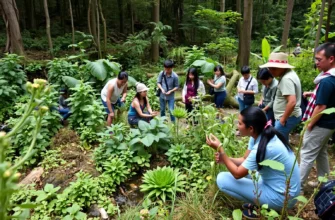
To raise the next generation of stewards, we must allow them to get their hands dirty․ If a child never explores a wild thicket or watches a hawk hunt, they will have no reason to protect those things as adults․ Rewilding education means moving beyond textbooks and into the “living classroom” of the outdoors, where the lessons are written in tracks and scat․
Off the Grid: Living Within the Wild System
For some, rewilding means moving off the grid in America․ This lifestyle isn’t just about survivalism; it’s about reducing the human footprint to a level that the local ecology can sustain․ This involves using gray-water systems, solar power, and permaculture gardens that provide food while also supporting local pollinators․
Integrating homes into the local ecology—rather than clear-cutting a lot to build a suburban mansion—is a form of “micro-rewilding․” By choosing to live within the natural constraints of a landscape, individuals can experience a deep sense of belonging that is often missing in modern life․ You don’t have to move to the wilderness to “rewild yourself”; you can start by simply observing the rhythms of the sun and the seasons in your own neighborhood․
Practical Steps to Support the Rewilding Movement
Rewilding can feel like a daunting, continental-scale task, but it is actually built on millions of small, local actions․ You do not need to own a thousand acres in Montana to make a difference․ Ecology is fractal; the same principles that apply to the Great Plains apply to a suburban lot in Texas․
- Plant Native Species: Replace non-native turf grass with plants that provide nectar and seeds for local wildlife․
- Support Wildlife Crossings: Advocate for local and national legislation that funds bridges and underpasses for migrating animals․
- Reduce Light Pollution: Use dark-sky compliant lighting to help migratory birds and nocturnal insects navigate․
- Volunteer for Habitat Restoration: Join local groups pulling invasive weeds or planting trees along riparian corridors․
- Practice Coexistence: If you live in an area with predators, use bear-proof trash cans and keep pets indoors at night․
From Your Backyard to the National Parks
In states like Texas, where most land is privately owned, rewilding Texas depends entirely on the choices of individual landowners․ By converting unused pastures back into native prairies, Texans are helping to save the monarch butterfly and the northern bobwhite quail․ Similarly, rewilding North Carolina often involves private citizens working to protect the “Red Wolf,” one of the most endangered canids on the planet․
On a larger scale, supporting the expansion of National Parks and the creation of new National Monuments ensures that the “Cores” of the 3 Cs remain protected․ Whether it is donating to land trusts or voting for “Green Bonds” in your local elections, every action contributes to the goal of a wilder, more vibrant America․ The restoration of the wild heart of this continent is not a dream; it is a project already underway, one acre at a time․
Expert Perspective: The Power of Trophic Cascades
In my professional experience as an ecologist, I have seen that the most common mistake people make is viewing rewilding as an attempt to “turn back the clock” to 1491․ That is impossible and, frankly, unhelpful․ Rewilding is about the future, not the past․ It is about building functional, resilient ecosystems that can manage themselves in the face of the 21st century’s challenges․
I always advise my colleagues and the public to focus on the Trophic Cascade effect․ When we bring back an apex predator or a keystone herbivore, we aren’t just adding one species; we are initiating a chain reaction that heals the soil, the water, and the vegetation․ We must stop trying to micro-manage every leaf and instead trust the biological wisdom of a complete system․ A landscape with its “teeth” and “engineers” intact is a landscape that can survive anything we throw at it․
Frequently Asked Questions
The goal is to restore self-sustaining ecosystems by reintroducing keystone species, such as wolves and bison, and removing human barriers like dams and fences to allow natural processes to take over․
How does the American Prairie Reserve contribute to rewilding?
The APR is creating a massive 3․2-million-acre reserve in Montana by connecting existing public lands with purchased private land, effectively restoring the Great Plains’ original biodiversity and bison herds․
Is rewilding connected to Agenda 21?
No․ While conspiracy theories exist, rewilding is a science-based ecological movement that relies on voluntary conservation and biology, whereas Agenda 21 was a non-binding UN policy regarding sustainable development․
What does rewilding yourself mean in a modern context?
It involves reconnecting with the natural world through outdoor immersion, learning ancestral skills, and reducing reliance on hyper-industrialized systems to improve mental and physical well-being․
Why are wildlife corridors essential for rewilding the American West?
Corridors prevent “genetic bottlenecks” by allowing large mammals like grizzly bears and elk to migrate between protected areas, ensuring long-term species survival and adaptation․
Can rewilding happen in urban areas like Los Angeles?
Yes, urban rewilding includes building wildlife bridges over freeways, planting native gardens to support pollinators, and restoring concrete-lined rivers to their natural state․