- Why a Cold Plunge After Sauna is a Powerful Recovery Tool
- The Science of Better Circulation and Heart Health
- Staying Safe: Is Moving from Extreme Heat to Cold Dangerous?
- Understanding the Risks for Your Heart and Blood Pressure
- Why Does the Sauna and Cold Plunge Combo Make You Feel Tired?
- The Role of the Nervous System in Post-Session Fatigue
- Managing Skin Sensitivity and Rosacea During Contrast Therapy
- How to Protect Your Skin from Extreme Temperature Changes
- The Verdict: Is Cold Plunge or Sauna Better for You?
- Choosing the Right Method for Your Fitness Goals
- Expert Perspective: Safe Thermal Transitions
- Frequently Asked Questions
Why a Cold Plunge After Sauna is a Powerful Recovery Tool
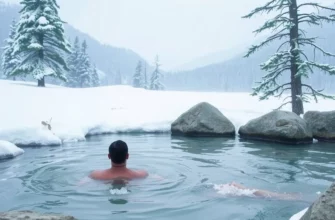
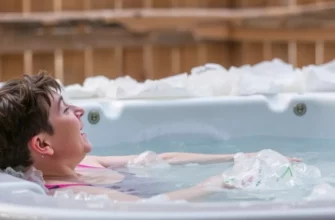
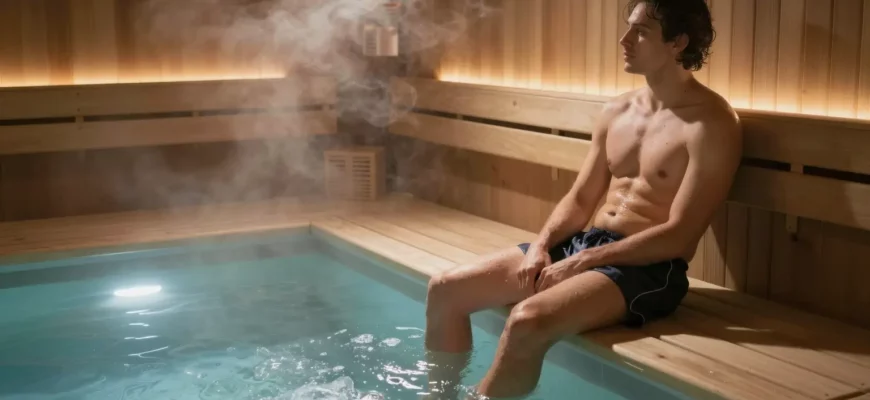
Contrast therapy, the practice of alternating between extreme heat and cold, creates a physiological “pump” that few other recovery modalities can replicate. By moving from the intense heat of a sauna to the biting chill of a cold plunge, you are essentially put your vascular system through a high-intensity workout. This rapid transition forces your body to adapt in real-time, triggering a cascade of hormonal and circulatory responses that can significantly shorten recovery windows after grueling physical activity.
The primary mechanism at play here is the shift between vasodilation and vasoconstriction. In the sauna, your blood vessels expand to dissipate heat, pushing blood toward the skin’s surface. When you submerge in cold water, those same vessels constrict instantly, forcing blood back toward your internal organs to protect your core temperature. This mechanical action helps flush metabolic byproducts like lactic acid out of muscle tissue and delivers a fresh supply of oxygenated, nutrient-rich blood to the areas that need it most.
The Science of Better Circulation and Heart Health
When you utilize the sauna then cold plunge protocol, you are training your blood vessels to be more elastic and resilient. This process strengthens the smooth muscles within the arterial walls, which can lead to improved overall cardiovascular efficiency. Think of it as “vascular gymnastics” that keeps the plumbing of your body flexible and responsive to stress.
Beyond the arteries, the lymphatic system benefits immensely from this thermal shift. Unlike the circulatory system, the lymphatic system does not have a central pump like the heart; it relies on muscle contraction and pressure changes to move fluid. The massive shift in pressure during contrast therapy accelerates lymphatic drainage, which is essential for reducing systemic edema and supporting the immune system. Regular practitioners often find that this improved blood flow leads to a noticeable reduction in chronic joint stiffness and “heavy” limbs after long training cycles.
Staying Safe: Is Moving from Extreme Heat to Cold Dangerous?
While the benefits are significant, the transition from 170°F to 50°F is a massive shock to the human frame. The primary concern is the Cold Shock Response, an involuntary physiological reaction that includes a sudden gasp for air, followed by a rapid increase in heart rate and blood pressure. For a healthy individual, this is a form of hormetic stress—a small dose of stress that makes the body stronger. However, for those with underlying cardiovascular issues, this sudden spike in cardiac workload can be genuinely hazardous.
To mitigate these risks, you should never jump head-first into a cold plunge immediately after a long sauna session. The sudden immersion can cause a “clash” of signals where the body is trying to dissipate heat and conserve it simultaneously, leading to heart arrhythmias in sensitive individuals. It is far safer to enter the water slowly, starting with your feet and lower legs, while focusing on a long, controlled exhale to override the natural gasp reflex.
- Don’t hold your breath: This increases intra-thoracic pressure and puts unnecessary strain on your heart.
- Don’t plunge alone: Especially if you are pushing your limits, having a partner is a critical safety measure in case of a vasovagal response (fainting).
- Don’t ignore the “afterdrop”: Your core temperature continues to fall even after you leave the cold water; avoid hot showers immediately after the plunge to prevent dizziness.
- Don’t use alcohol: Combining heat/cold stress with alcohol is a recipe for severe dehydration and impaired thermoregulation.
Understanding the Risks for Your Heart and Blood Pressure
The dangers of cold plunge after sauna are most acute for individuals with pre-existing hypertension or heart disease. The rapid vasoconstriction causes a nearly instantaneous rise in blood pressure. If your arteries are already stiff or narrowed, this pressure spike can be problematic. I strongly advise anyone with a history of heart palpitations or high blood pressure to consult a cardiologist before attempting contrast therapy.
Furthermore, the “diving reflex” is triggered when the face hits cold water, which naturally slows the heart rate, while the “cold shock” response simultaneously tries to speed it up. This conflicting autonomic input can lead to autonomic conflict, which is a known trigger for irregular heartbeats. For most, this is harmless, but for the vulnerable, it is a significant safety consideration. Always prioritize a gradual acclimation period over the “macho” approach of jumping straight in.
Why Does the Sauna and Cold Plunge Combo Make You Feel Tired?
It is common to experience a profound sense of lethargy or “heaviness” after a contrast session. This isn’t necessarily a sign that something is wrong; rather, it is a signal that your nervous system has shifted from a state of high alert to a state of deep recovery. The intense cold triggers a massive release of norepinephrine, a hormone that sharpens focus and reduces inflammation. Once you exit the water and begin to warm up, those levels drop, often leading to a “relaxation crash” that mimics the feeling of post-exercise fatigue.
Another factor is the sheer metabolic cost of thermoregulation. Your body burns a significant amount of energy trying to maintain a core temperature of 98.6°F while being bombarded by external extremes. This “thermal debt” can leave you feeling drained. To manage this, many elite athletes schedule their contrast sessions in the evening to leverage this fatigue for deeper, more restorative sleep. If you find yourself feeling sleepy after cold water, it is simply your parasympathetic nervous system taking the wheel.
- Hydration Status: You lose a massive amount of electrolytes in the sauna; dehydration is a leading cause of post-session fatigue.
- Duration: Staying in the cold for more than 3-5 minutes often crosses the line from recovery to exhaustion.
- Caloric Burn: Shivering and non-shivering thermogenesis consume glycogen stores, leading to a “bonk” feeling.
- Nervous System Fatigue: The constant switching between “fight or flight” and “rest and digest” is mentally and physically taxing.
The Role of the Nervous System in Post-Session Fatigue
The transition from the sauna (sympathetic activation) to the cold (extreme sympathetic spike) and finally to the recovery phase (parasympathetic dominance) is a profound reset for your vagus nerve. The vagus nerve is the main component of the parasympathetic nervous system, and cold exposure is one of the fastest ways to increase “vagal tone.” High vagal tone is associated with better stress resilience and faster heart rate recovery.
Managing your energy levels involves understanding that contrast therapy is a workout in itself. If you perform a heavy lifting session and then follow it with five rounds of sauna and cold plunging, you are essentially doubling your recovery burden for the day. To avoid the post-plunge crash, limit your cold exposure to 11 minutes total per week, spread across several sessions. This provides the hormetic benefits without overtaxing your adrenal system.
Managing Skin Sensitivity and Rosacea During Contrast Therapy
For those with skin conditions like rosacea, contrast therapy requires a nuanced approach. The heat of the sauna causes significant facial flushing as capillaries dilate to move heat away from the core. For a healthy person, this improves skin elasticity and “glow” via increased nutrient delivery. However, for a rosacea sufferer, this prolonged dilation can weaken capillary walls and lead to permanent redness or visible “spider veins” on the cheeks and nose.
The cold plunge can actually be a double-edged sword here. While the cold causes vasoconstriction—which temporarily reduces redness and inflammation—the “rebound” effect when you warm up can cause the skin to flush even harder than before. The key is protection and moderation. You don’t have to give up the benefits of the sauna, but you do need to change how you expose your face to the extreme temperatures.
How to Protect Your Skin from Extreme Temperature Changes
To protect your skin, consider using a physical barrier. Applying a thick layer of a simple emollient can help insulate the skin from the immediate dry heat of a sauna. Additionally, keeping a cool, damp cloth over your face while in the sauna can prevent the facial capillaries from over-dilating while the rest of your body reaps the hyperthermic benefits. This localized cooling is a game-changer for those prone to flare-ups.
When transitioning to the cold, avoid submerging your face entirely if you are in the middle of a rosacea flare-up. The sudden “snap” of the vessels closing can be just as irritating as the heat. Instead, splash your face with lukewarm water before the cold plunge to bridge the temperature gap. If you notice that your skin stays red for more than an hour after your session, it is a clear sign that the temperature delta was too extreme for your current skin barrier health.
The Verdict: Is Cold Plunge or Sauna Better for You?
Comparing the two is difficult because they serve different physiological masters. The sauna is a powerhouse for cardiovascular health, longevity, and detoxification through sweating. It mimics the effects of zone 2 cardio and is linked to a significantly lower risk of all-cause mortality in long-term studies. The cold plunge, conversely, is the ultimate tool for acute inflammation management, mental discipline, and metabolic health via the activation of brown adipose tissue (BAT).
| Benefit | Sauna (Heat) | Cold Plunge (Cold) |
|---|---|---|
| Primary Goal | Longevity & Cardiovascular Health | Inflammation & Mental Resilience |
| Muscle Impact | Promotes Growth (GH Release) | Reduces Soreness (DOMS) |
| Mental State | Deep Relaxation / Zen | High Alertness / Focus |
| Best Time | Post-Workout or Evening | Morning or Acute Injury |
Choosing the Right Method for Your Fitness Goals
If your primary goal is muscle hypertrophy (building size), you should actually avoid the cold plunge for at least 4 hours after lifting weights. The cold is so effective at reducing inflammation that it can actually blunt the natural inflammatory signaling (mTOR pathway) required for muscle growth. In this specific case, the sauna is the superior choice post-workout, as it increases blood flow and growth hormone levels without interfering with muscle protein synthesis.
However, if you are an athlete in the middle of a competitive season or a multi-day tournament, the cold plunge is your best friend. In these scenarios, reducing acute soreness and systemic fatigue is more important than long-term muscle growth. Contrast therapy becomes the “gold standard” when you need to perform again within a short window. Ultimately, for the average person seeking general health, the combination of both provides a comprehensive toolkit for total body resilience.
Expert Perspective: Safe Thermal Transitions
In my professional experience working with both high-level athletes and general wellness clients, the most common mistake is the “all-or-nothing” mentality. I always advise starting with progressive overload for your vascular system. Do not start with a 5-minute plunge at 40°F. Begin with a 30-second dip at 55°F and see how your heart rate responds. The magic of contrast therapy happens in the transition, not just the duration. If you can maintain a calm, nasal breathing pattern throughout the cold shock, you have successfully mastered the autonomic response. I recommend limiting your heat-to-cold rounds to three per session to avoid overtaxing the adrenal glands, which can lead to burnout rather than recovery.
Frequently Asked Questions
I recommend a 1-2 minute transition period. This allows your heart rate to stabilize slightly and gives you time to rinse off sweat, reducing the intensity of the initial cold shock response.
Should I shower before moving from the sauna to the cold water?
Yes, a quick lukewarm rinse is essential for hygiene, especially in shared facilities. It removes salt, oils, and bacteria from your skin, keeping the cold plunge water clean for everyone.
How many rounds of sauna and cold plunge should I do?
For most people, 2-3 cycles are the “sweet spot.” This provides enough thermal stress to trigger recovery benefits without causing excessive nervous system fatigue or dehydration.
Can I do a cold plunge after sauna every day?
While safe for many, daily cold plunging can blunt muscle hypertrophy if done immediately after strength training. For general health, daily use is fine, but athletes should time it carefully around their goals.
Is it better to end on hot or cold?
It depends on your goal. End on cold if you want to reduce inflammation, close your pores, and feel alert. End on hot if your goal is deep relaxation and improving your sleep quality.