- Understanding the standard: how cold are plunge pools meant to be?
- Why the 50-degree mark is the gold standard for recovery
- Comparing your home setup to how cold the water for a polar bear plunge is
- The extreme reality of polar plunge water temperatures
- How to stay safe when facing the extreme chill
- Recognizing your bodys limits in freezing water
- Common misconceptions about the perfect temperature
- Is 33 degrees really better than 50 degrees?
- Frequently Asked Questions
Understanding the standard: how cold are plunge pools meant to be?
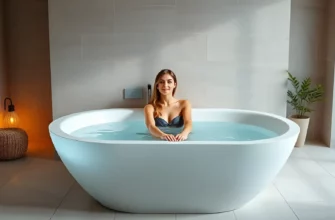
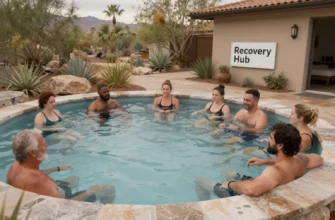
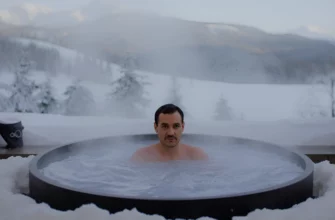
Most commercial and residential cold plunge units are engineered to maintain a specific temperature range, typically hovering between 50 and 59 degrees Fahrenheit. This range isn’t arbitrary; it represents a calculated balance between therapeutic intensity and physical safety for the average person.
When you step into water within this bracket, your body undergoes a massive physiological shift without the immediate risk of localized tissue damage. This temperature serves as the baseline for those looking to integrate cold water immersion into a sustainable wellness routine rather than a one-time test of will.
Finding the right temperature often depends on your current level of acclimation. For many, a 55-degree pool feels incredibly biting at first, but it allows for a longer immersion time, which is often more beneficial than a ten-second dip in near-freezing water.
Why the 50-degree mark is the gold standard for recovery
The 50-degree threshold is widely considered the “sweet spot” because it effectively triggers the body’s recovery mechanisms while keeping the user within a safe operational window. At this temperature, the body initiates significant vasoconstriction, which helps move blood from the extremities to the core, effectively flushing out metabolic waste from muscle tissues.
If you are looking for how to reduce inflammation after a heavy lifting session or a long run, 50 to 55 degrees provides the necessary thermal pressure to dampen the inflammatory response. Unlike extreme ice baths, this range allows you to stay submerged long enough—usually 3 to 5 minutes—to actually lower your core temperature slightly, which is where the systemic benefits truly begin.
Managing the initial chill at 50 degrees is also more achievable for the average person’s daily recovery routine. This temperature is cold enough to trigger the shiver response, a process where your muscles vibrate to produce heat, which has been linked to increased metabolic rate and the activation of brown adipose tissue. By staying just above the freezing mark, you maximize these metabolic advantages without the high risk of immediate cold shock or cardiac strain.
Comparing your home setup to how cold the water for a polar bear plunge is
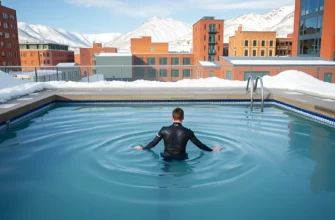
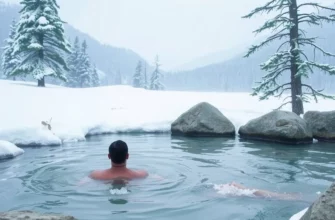
There is a massive chasm between a controlled 55-degree home plunge and the chaotic, bone-chilling environment of a natural Polar Bear plunge. While your home unit is a precision tool for health, a winter lake is a raw environmental challenge that demands a completely different level of respect and preparation.
In a home setting, you control the variables, including the water filtration and the exact degree of chill. In the wild, you are at the mercy of the current, the wind chill, and water that is often sitting just a fraction of a degree above the freezing point. The jump from 55°F to 33°F isn’t just a 22-degree difference; it is a massive increase in thermal conductivity that drains heat from your body at an alarming rate.
| Feature | Standard Plunge Pool | Natural Polar Plunge |
|---|---|---|
| Typical Temp | 50°F ౼ 59°F | 32°F ౼ 40°F |
| Environment | Controlled indoor/outdoor | Frozen lakes or oceans |
| Duration | 3 to 10 minutes | 30 seconds to 2 minutes |
| Primary Goal | Muscle recovery & health | Mental challenge & tradition |
| Risk Level | Low (with supervision) | High (requires spotters) |
The extreme reality of polar plunge water temperatures
When people ask how cold is polar plunge water, the answer is usually “as cold as liquid water can physically be.” In northern climates, these events take place in water that is often 33 to 35 degrees Fahrenheit. At this level, the water is so cold that it can cause immediate cutaneous vasoconstriction and an involuntary gasp reflex that can be dangerous if your head is submerged.
Icy water conditions in the wild are further complicated by the “wind chill” factor once you exit the water. In a controlled plunge, you likely step into a heated room or a dry towel immediately. During a polar plunge, the walk from the water’s edge back to your clothes can be the most dangerous part of the experience, as evaporative cooling strips away remaining body heat even faster than the water did.
Outdoor winter swimming in these temperatures is less about “therapeutic cold” and more about the psychological triumph of the event. Because the water is so close to freezing, the duration of these plunges is significantly shorter. Most participants are in and out within 60 seconds. This is because, at 33 degrees, the risk of peripheral nerve freezing and muscle incapacitation increases exponentially with every passing minute.
How to stay safe when facing the extreme chill
Safety in cold water immersion is not just about the time spent in the water; it is about how you handle the minutes before and after the dip. Whether you are using a high-end chiller or a hole in the ice, your body needs a strategy to handle the massive thermal load you are placing on your cardiovascular system.
One of the most overlooked aspects of safety is the “afterdrop” effect. This occurs when you exit the cold water and your peripheral blood vessels begin to dilate. The cold blood from your arms and legs then rushes back to your core, causing your internal temperature to continue dropping even though you are no longer in the water. This is why you often feel colder 10 minutes after a plunge than you did while submerged.
- Never plunge alone: Even in a home tub, cold shock can cause fainting or muscle cramps that make exiting the water difficult.
- Focus on the exhale: To manage the first 30 seconds, force a long, slow exhale to counteract the natural urge to hyperventilate.
- Warm up naturally: Avoid jumping into a hot shower immediately; instead, dry off, put on layers, and let your body’s internal thermogenesis do the work.
- Protect your extremities: If plunging in natural ice, consider neoprene booties to prevent your feet from losing motor control.
- Check your heart: Cold water causes a sudden spike in blood pressure; if you have underlying cardiac issues, consult a doctor before attempting temperatures below 60°F.
Recognizing your bodys limits in freezing water
Understanding the difference between “therapeutic discomfort” and “physical danger” is the hallmark of an experienced practitioner. When you are breathing through the cold, you should feel a sharp, stinging sensation, but you should still maintain full control over your motor skills. If you notice that your fingers are becoming “claws” or you cannot articulate your speech, you have crossed the line into early-stage hypothermia.
Staying safe after a cold plunge requires a gradual rewarming process. I recommend performing light movement, such as air squats or pacing, to encourage blood flow without shocking the system with external heat sources. Warming up naturally allows your heart rate to stabilize and reduces the intensity of the afterdrop.
Breathing techniques are your primary tool for staying calm. By practicing box breathing or rhythmic nasal breathing, you signal to your nervous system that you are not in a life-threatening situation. This prevents the “panic response” that often leads people to exit the water prematurely or move too frantically, which can lead to slips and falls on icy surfaces.
Common misconceptions about the perfect temperature
In the world of biohacking, there is a pervasive “more is better” mentality that often leads people to believe that 33 degrees is twice as effective as 50 degrees. This is a fundamental misunderstanding of how the human body responds to thermal stress. The goal of cold immersion is to trigger a hormetic response—a beneficial stressor—not to see how much punishment your tissues can take.
Crucial Insight: Biological benefits like norepinephrine release and mitochondrial biogenesis tend to plateau around 50-55 degrees Fahrenheit. Going colder increases the risk of cold shock and heart strain without providing a proportional increase in physical recovery or metabolic health.
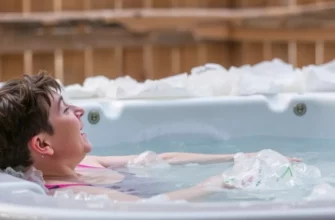
Many beginners make the mistake of thinking they need to add bags of ice to a perfectly functional 55-degree pool. Unless you are training specifically for an Arctic expedition, the extra ice is often just “ego-chilling.” It makes the experience more miserable without necessarily making it more effective for muscle repair or inflammation reduction.
Is 33 degrees really better than 50 degrees?
When comparing 33 degrees to 50 degrees, the primary difference is the mental resilience factor. There is no denying that staying calm in near-freezing water requires a higher level of psychological fortitude. If your goal is strictly “mind over matter” training, the colder water has its place. However, for athletic recovery and general health, 50 degrees is often superior because it allows for longer exposure times.
Finding your cold tolerance is a journey, not a race. If you start at 33 degrees without prior experience, the risk of cold shock in untrained individuals is remarkably high. This can lead to a “dry drowning” scenario where the throat muscles spasm due to the sudden temperature drop. For the vast majority of users, gradual cold exposure starting at 60 degrees and working down to 50 degrees provides the safest and most consistent results.
The benefits of cool water are cumulative. Consistency beats intensity every time. A 5-minute plunge at 55 degrees performed four times a week will yield significantly better health outcomes than a single, traumatic 30-second dip in an ice-choked lake once a month. Focus on the long-term adaptation of your nervous system rather than the lowest possible number on the thermometer.
In my professional experience working with high-performance athletes, I have seen far more injuries and “burnout” from people trying to maintain a 33-degree habit than those who stick to the 50-55 degree range. I always advise my clients that consistency is the most important variable in cold therapy. An ego-driven plunge into near-freezing water often results in a negative association with the practice, leading people to quit. From a physiological standpoint, the vascular “pump” you get at 55 degrees is more than sufficient for 99% of recovery goals. If you can’t stay in for at least two minutes because the water is too cold, you are likely missing out on the deeper core-cooling benefits that drive long-term metabolic health.
Frequently Asked Questions
Beginners should start between 55 and 60 degrees Fahrenheit. This range is cold enough to be challenging but warm enough to prevent an overwhelming shock response, allowing the body to acclimate safely.
How long should I stay in a polar bear plunge?
For extreme temperatures near 33 degrees, 30 seconds to 2 minutes is usually the maximum recommended time. The goal is the experience and the initial shock, not prolonged immersion which risks hypothermia.
Can the water be too cold for health benefits?
Yes. Once water approaches the freezing point, the risk of cardiac stress and nerve damage increases significantly. Research suggests that metabolic and recovery benefits do not increase substantially below 50 degrees.
How cold is the water for a typical New Years Day polar plunge?
In northern climates, the water temperature for a New Year’s Day plunge typically ranges from 33 to 45 degrees Fahrenheit, depending on whether the water is moving or has an ice crust.
Do I need to add ice to my plunge pool?
If your pool’s cooling system can consistently maintain a temperature of 50-55 degrees, adding ice is generally unnecessary. The therapeutic benefits for recovery are already fully active at that temperature.