- Understanding How Weighted Blankets Interact with Sleep Paralysis
- The Role of Deep Pressure in Grounding Your Nervous System
- Myth vs. Fact: Can a Weighted Blanket Actually Cause Nightmares?
- Why Some People Report More Vivid or Weird Dreams
- Using Heavy Blankets to Manage Nightmares and Stress Dreams
- From Stress Dreams to Sound Sleep: The Serotonin Connection
- Physical Safety: Sleepwalking, Tossing, and Bladder Pressure
- Does the Weight Stop You from Tossing and Turning?
- Best Practices for Choosing a Blanket for Parasomnia Relief
- The 10% Rule and Material Matters
- Expert Perspective: Sensory Integration and Sleep
- Frequently Asked Questions
Understanding How Weighted Blankets Interact with Sleep Paralysis
Sleep paralysis remains one of the most jarring experiences a human can endure, characterized by a temporary inability to move or speak while falling asleep or waking up. This phenomenon occurs when the brain and body lose synchronization during the transition into or out of REM sleep, leaving the mind awake while the muscles remain in a state of atonia. Many individuals are turning to deep pressure therapy to bridge this neurological gap and provide a sense of security during these vulnerable episodes.
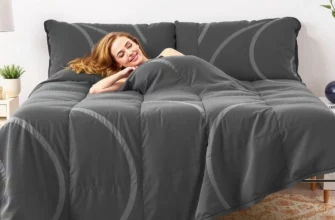
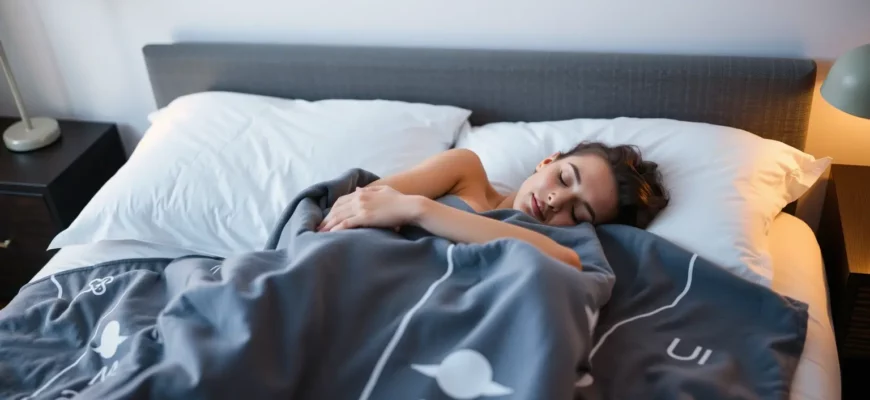
The application of a heavy blanket utilizes the principles of Deep Pressure Stimulation (DPS), which functions similarly to a firm hug or swaddling. For someone prone to sleep paralysis, this tactile feedback provides constant proprioceptive input, helping the brain maintain a better “map” of the body’s physical boundaries. This sensory grounding can potentially lower the threshold of the “fight or flight” response that usually accompanies the realization that one cannot move.
The Role of Deep Pressure in Grounding Your Nervous System
Deep pressure works by shifting the nervous system from a sympathetic (alert) state to a parasympathetic (rest) state. When the weight of a blanket is evenly distributed across the body, it triggers the release of neurotransmitters like serotonin, the precursor to melatonin. By lowering cortisol levels by up to 30%, the blanket creates a biological environment where the brain is less likely to enter the hyper-vigilant state required for a terrifying sleep paralysis hallucination.
The psychological cocoon effect is another critical factor. During an episode, the sensation of the blanket’s weight can serve as a “reality anchor.” If you find yourself in a paralyzed state, the physical pressure against your skin provides a non-threatening stimulus that your brain can focus on. This helps in de-escalating the panic response, making the transition back to full motor control faster and less traumatic.
Regarding prevention, while a blanket cannot “fix” the underlying neurological misfire of sleep paralysis, it significantly improves overall sleep hygiene. By reducing sleep fragmentation and limiting the number of times you wake up mid-cycle, you minimize the statistical opportunities for sleep paralysis to occur. A stable, deep sleep cycle is the most effective natural defense against these boundary-state parasomnias.
Myth vs. Fact: Can a Weighted Blanket Actually Cause Nightmares?
There is a persistent online narrative suggesting that heavy blankets are the source of dark, vivid nightmares or even “old hag” syndrome. To understand the truth, we must separate the physical effects of weight from the neurological process of dreaming. Most reports of increased nightmares are actually linked to thermoregulation and sleep depth rather than the pressure itself.
The Nightmare Myth: Many believe the physical pressure on the chest “tricks” the brain into dreaming about suffocation. The Reality: Nightmares are more frequently triggered by overheating. If a weighted blanket lacks breathability, your rising core temperature forces the brain into a state of metabolic stress, which often manifests as intense or frightening dream imagery. To avoid this, always opt for glass bead fillers and natural cotton or bamboo covers to ensure heat can escape.
Why Some People Report More Vivid or Weird Dreams
The transition to using a weighted blanket often results in a significant increase in REM (Rapid Eye Movement) sleep duration. Because the body is more physically relaxed and less likely to be disturbed by minor environmental noises, you spend longer in the deep dreaming phases of sleep. This increased REM density often leads to much better dream recall upon waking, making it seem as though your dreams have suddenly become more “weird” or intense.
Furthermore, the physical sensation of the weight can sometimes be integrated into the dream narrative itself. This is known as dream incorporation. If you are experiencing out-of-body sensations, it may be because your brain is trying to reconcile the heavy physical grounding of the blanket with the mental “freedom” of the dream state. To mitigate this, ensure your blanket does not exceed 10% of your total body weight, as excessive pressure can lead to a feeling of restriction that the dreaming mind may interpret negatively.
Body temperature plays a pivotal role here. A spike in core temperature is a known catalyst for “fever dreams.” If you are a “hot sleeper,” the insulation provided by a heavy blanket might be the true culprit behind your vivid nightmares. Lowering your thermostat to 65-68 degrees Fahrenheit when using a weighted blanket can often eliminate these intense dreams entirely by keeping your brain in a stable metabolic state.
Using Heavy Blankets to Manage Nightmares and Stress Dreams
While some fear nightmares, many others find that weighted blankets are a powerful tool for suppressing them. For those suffering from chronic stress or anxiety-induced dreams, the blanket acts as a physical sedative. By providing a constant, unchanging sensory input, the blanket muffles the “noise” of the external environment, allowing the brain to descend into a more restorative sleep architecture.
The anxiety-reduction loop is simple: less daily stress leads to lower evening cortisol, which leads to a calmer amygdala (the brain’s fear center). When the amygdala is less active during sleep, the frequency of “threat simulation” dreams—better known as nightmares—drops significantly. This makes weighted blankets especially effective for those who find themselves trapped in a cycle of “rebound” insomnia caused by a fear of having a bad dream.
From Stress Dreams to Sound Sleep: The Serotonin Connection
The biological impact of deep pressure on serotonin production cannot be overstated. Serotonin is essential for emotional regulation and mood stability. By boosting these levels naturally through tactile stimulation, you are essentially pre-loading your brain with “calm” chemicals before the dream cycle begins. This is particularly beneficial for individuals managing PTSD, where nightmares are often a re-living of traumatic events.
In cases of PTSD-related nightmares, the blanket provides a sense of physical safety that is often missing. The feeling of being “held” or “grounded” helps the body stay in a “rest and digest” state (parasympathetic) rather than a “fight or flight” state. For veterans and trauma survivors, a weighted blanket can reduce the physical “startle response” that often terminates a sleep cycle prematurely, allowing for a full night of uninterrupted rest.
It is also important to distinguish between nightmares and night terrors. Nightmares occur during REM sleep and are usually remembered. Night terrors occur during deep non-REM sleep and involve intense physical thrashing or screaming with no memory of the event. While a weighted blanket is excellent for nightmares, it should be used with caution for night terrors, as the physical restriction could potentially cause frustration or injury if the person attempts to bolt out of bed.
Physical Safety: Sleepwalking, Tossing, and Bladder Pressure
Beyond the psychological aspects, we must consider the practical physics of sleeping under 15 to 25 pounds of material. For the average sleeper, this weight is a benefit that prevents “restless leg” syndrome and general tossing and turning. However, for those with specific physical sleep disorders like somnambulism (sleepwalking), the weight introduces new safety variables that must be addressed.
| Feature | Standard Bedding | Weighted Bedding |
|---|---|---|
| Movement Restriction | Minimal; easy to kick off or move under. | Moderate; provides resistance that discourages movement. |
| Proprioceptive Feedback | Low; brain has less awareness of limb position. | High; constant signal to the brain regarding body location. |
| Sleepwalking Safety | Safe; no trip hazards or exit delays. | Caution Advised; can act as a trip hazard or delay waking. |
| Bladder Impact | Neutral. | May increase urge to urinate due to abdominal pressure. |
Does the Weight Stop You from Tossing and Turning?
One of the primary reasons people purchase weighted blankets is to stop the constant “macro-movements” that disrupt sleep. The weight provides a neurological signal to the brain that the body is “settled.” This reduces the urge for involuntary movements like leg twitches or frequent rolling. By staying in one position longer, you reach the deeper stages of sleep (Stages 3 and 4) more quickly and stay there longer.
For sleepwalkers, the situation is more complex. While the weight might prevent a sleepwalking episode from starting by keeping the individual in a deeper sleep, if an episode does occur, the blanket can become a hazard. Heavy blankets can cause a sleepwalker to trip as they attempt to exit the bed in a semi-conscious state. If you have a history of complex sleep behaviors, I recommend starting with a very light weighted blanket (5-7 lbs) to test your reaction.
Another physical side effect often ignored is the “bladder pressure” phenomenon. Direct weight on the lower abdomen can stimulate the bladder, leading to more frequent trips to the bathroom. If you find yourself waking up to pee more often, try positioning the blanket so the bulk of the weight is on your legs and chest, leaving the lower abdominal area with less direct pressure. This simple adjustment can often resolve the issue without sacrificing the benefits of the weight.
Best Practices for Choosing a Blanket for Parasomnia Relief
Selecting the wrong blanket can actually exacerbate the very issues you are trying to solve. If your goal is to manage sleep paralysis or nightmares, you cannot simply grab the heaviest option on the shelf. You must consider the mathematical ratio of weight-to-body-mass and the thermal properties of the materials used.
The 10% Rule and Material Matters
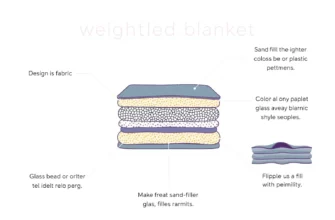
Proper weight distribution is the difference between a therapeutic tool and a heavy nuisance. If the beads inside your blanket shift to one side, you lose the “grounding” effect on your nervous system. Look for blankets with smaller quilted squares (4×4 inches or smaller), as these keep the weight locked in place over your major muscle groups and joints.
Breathability is the ultimate defense against the “bad dream” trap. When your body enters REM, your ability to regulate temperature (thermoregulation) is impaired. If the blanket traps too much heat, your heart rate increases, which the dreaming brain can interpret as a sign of danger. Using a “cooling” weighted blanket allows you to get the benefits of the pressure while keeping your skin temperature stable, ensuring your dreams remain peaceful.
Finally, if your sleep paralysis or nightmares are accompanied by gasping for air, loud snoring, or extreme daytime fatigue, consult a sleep specialist before using a weighted blanket. These can be signs of sleep apnea, a condition where the weight of a blanket on the chest might actually be contraindicated. Safety should always be your first priority when introducing new sleep gear.
Expert Perspective: Sensory Integration and Sleep
In my professional experience as a sleep consultant, I have found that the efficacy of weighted blankets for parasomnias depends almost entirely on an individual’s sensory processing threshold. For clients who struggle with sleep paralysis, the “fear of the episode” often creates a state of hyper-arousal that makes the episode more likely to occur. I always advise using deep pressure as a proactive tool to down-regulate the sympathetic nervous system before you even close your eyes. By providing consistent proprioceptive feedback, we are essentially giving the brain a ‘safety signal’ that persists even as the body enters REM atonia. This reduces the ‘fight or flight’ response of the amygdala, which is the primary engine behind the terrifying hallucinations associated with sleep paralysis. If you feel grounded, your brain is less likely to invent a ‘threat’ to explain why you cannot move.
Frequently Asked Questions
For most, it helps by grounding the body. However, if the blanket is too heavy, the feeling of physical restriction might increase panic during an episode. It is vital to stay within the 10% body weight recommendation to avoid a sensation of being trapped.
Why do I have more vivid dreams when using a weighted blanket?
This is usually a sign of improved REM sleep quality. Because you are sleeping more deeply and waking up less often, your brain completes more dream cycles, making them feel more intense and easier to remember upon waking.
Are weighted blankets safe for people who sleepwalk?
Use caution. While the weight can discourage movement, it can also present a trip hazard if you do manage to get out of bed. If you are a chronic sleepwalker, consult a doctor and consider a lighter weight first.
How do I stop a weighted blanket from causing bad dreams?
The most common cause of bad dreams is overheating. To fix this, switch to a cooling cover like bamboo and lower your bedroom temperature. Keeping your core cool prevents the metabolic stress that triggers nightmares.
Do weighted blankets make you have to pee more frequently?
Yes, it is possible. Physical pressure on the bladder and abdomen can stimulate the urge to urinate. If this happens, shift the blanket so the weight is concentrated on your legs and upper chest rather than your midsection.
Can a weighted blanket stop me from tossing and turning?
Absolutely. The proprioceptive input helps the brain map the body’s position, which naturally reduces the urge for restless movement and helps you stay in restorative sleep stages longer.