- The Science of Pressure: Understanding Different Weights of Weighted Blankets
- The 10% Rule: How to Calculate Your Ideal Blanket Weight
- Is the 12 lb Weight Really the Golden Standard for Sleep?
- Why Are Weighted Blankets Often Smaller Than Standard Comforters?
- Safety and Age: When Can a Child Start Using a Weighted Blanket?
- Weighted Blanket Guidelines for Toddlers and Young Children
- The Global Market: Top Weighted Blanket Brands in the US and Canada
- Where Can You Find High-Quality Weighted Blankets Locally?
- Innovation in Weighting: Adjustable Inserts and Electric Options
- Weighted Vests and Wearable Sensory Aids
- Maximizing Longevity: How Long Can You Use a Weighted Blanket?
- How to Get a Weighted Blanket for Free through Insurance
- Expert Perspective: Sensory Weighting
- Frequently Asked Questions
The Science of Pressure: Understanding Different Weights of Weighted Blankets
The therapeutic utility of a weighted blanket relies entirely on a physiological phenomenon known as deep pressure stimulation. This mechanical input involves applying firm, gentle pressure to the body, which effectively signals the nervous system to transition from a “fight or flight” state to one of “rest and digest.” By mimicking the sensation of a firm hug or swaddling, these blankets facilitate the release of dopamine and serotonin while simultaneously reducing cortisol levels.
Selecting the correct load is not merely about comfort; it is about biological alignment. When the weight is distributed evenly across the torso and limbs, it stimulates proprioceptive receptors that inform the brain of the body’s position in space. This grounding effect is particularly beneficial for individuals navigating the complexities of sensory processing disorder or chronic insomnia, providing a non-pharmacological tool for emotional regulation.
The 10% Rule: How to Calculate Your Ideal Blanket Weight
For most healthy adults, the industry standard for choosing the right heaviness begins with a simple mathematical formula: calculate 10% of your total body weight and add one to two pounds. This specific ratio ensures that the pressure is significant enough to trigger a neurological response without being so heavy that it restricts natural movement or causes respiratory discomfort during the night.
While the 10% rule serves as a foundational benchmark, personal preference often dictates the final choice. Some users find that a slightly heavier load—approaching 12% or 15%—provides the “cocooning” sensation they crave, while others with joint sensitivities or claustrophobia may prefer a lighter touch. It is essential to test the weight by placing it over your legs first before committing to a full-body sleep session to ensure the pressure feels calming rather than restrictive.
Is the 12 lb Weight Really the Golden Standard for Sleep?
The 12 lb weighted blanket is frequently cited as the most common weighted blanket weight for a specific demographic: teenagers, petite adults, and those new to sensory bedding. It offers a middle-ground experience, providing enough force to alleviate mild anxiety without the bulkiness associated with 20 or 25-pound alternatives. This weight class is often the “entry point” for those curious about the benefits of heavy blankets.
In the following table, we break down how different weights correlate with user profiles to help you identify where you fall on the spectrum of sensory needs.
| Blanket Weight | Ideal User Weight Range | Primary Sensory Goal |
|---|---|---|
| 5 ー 7 lbs | 40 ⎼ 70 lbs (Children) | Nighttime calming and focus improvement. |
| 10 ー 12 lbs | 100 ⎼ 130 lbs | Mild anxiety relief and entry-level sleep aid. |
| 15 lbs | 140 ⎼ 170 lbs | The “Standard” for deep pressure stimulation. |
| 20 ー 25 lbs | 190+ lbs | Intense grounding for severe restlessness or high muscle mass. |
Why Are Weighted Blankets Often Smaller Than Standard Comforters?
One of the most frequent surprises for first-time buyers is the physical size of the product. If you purchase a “Queen Size” weighted blanket, you will notice it is significantly smaller than a traditional Queen comforter. This design choice is intentional; weighted blankets are meant to cover the person, not the bed. If the blanket draped over the edges of the mattress like a standard duvet, the force of gravity would cause the heavy filling to pull the entire blanket off the bed during the night.
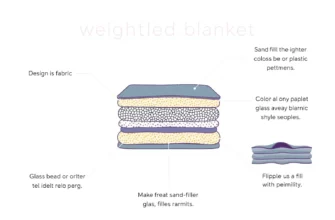
Furthermore, the concentration of mass is critical for efficacy. By keeping the weighted blanket dimensions smaller, manufacturers ensure that the glass beads or plastic pellets remain directly over your body. This maximizes the pressure applied to your pressure points rather than wasting weight on empty mattress space. If you share a bed, it is often better to use two individual-sized weighted blankets rather than one large one, as this allows each partner to choose a weight tailored to their specific body mass.
Safety and Age: When Can a Child Start Using a Weighted Blanket?
Safety is the most critical factor when introducing sensory tools to a household. Weighted blankets are not appropriate for everyone, particularly those who lack the physical strength to remove the blanket independently. For young children, the risk of suffocation is a legitimate concern if the blanket is too heavy or if the child becomes trapped beneath it. Medical professionals generally agree that weighted blankets should never be used for infants or toddlers under the age of two.
When considering a safe weight for toddlers who have reached the appropriate developmental milestones, the calculation changes slightly. The focus shifts toward ensuring the child can move freely while still benefiting from the calming input. Always prioritize blankets with breathable fabric options like cotton or bamboo to prevent overheating, which is a common trigger for nighttime wakefulness in children.
- DO: Consult with a pediatrician or occupational therapist before introducing a weighted blanket to a child with underlying respiratory or cardiac conditions.
- DO: Ensure the child’s head and neck remain completely free of the blanket at all times.
- DON’T: Use a weighted blanket as a form of restraint or for a child who cannot roll over or push the weight off themselves.
- DON’T: Roll a child up in the blanket like a “burrito,” as this can restrict lung expansion.
- DO: Check the blanket regularly for any signs of bead leakage, as small pellets can pose a choking hazard.
Weighted Blanket Guidelines for Toddlers and Young Children
For children over the age of two, the generally accepted guideline is 10% of their body weight plus one extra pound. If a child weighs 40 pounds, a 5-pound blanket is typically the maximum recommended load. These pediatric sensory tools are designed to help children with ADHD or Autism transition into sleep by providing a consistent “grounding” sensation that quietens the nervous system.
It is also helpful to look for blankets specifically marketed as “kids’ versions,” which often feature reinforced stitching and smaller internal pockets. These design elements prevent the weight from shifting to one side, which could potentially create an uneven and unsafe pressure distribution. Always monitor the child during the first few uses to ensure they are comfortable and can navigate the weight without struggle.
The Global Market: Top Weighted Blanket Brands in the US and Canada
The weighted blanket industry has exploded into a multi-million dollar market, transitioning from a niche medical product to a mainstream wellness staple. In North America, the competition between brands has led to significant innovations in material quality, specifically the shift from bulky plastic pellets to hypoallergenic micro-glass beads. These beads are denser and quieter, allowing for a thinner profile that feels more like a traditional blanket.
High-profile brands have established themselves by focusing on specific consumer needs. Gravity Blankets popularized the modern aesthetic, while Hush, a prominent Canadian brand, gained fame for its specialized “iced” covers designed for hot sleepers. Meanwhile, Bearaby has disrupted the market by eliminating fillers entirely, using layers of heavy organic cotton yarn to create weight through a chunky knit design. This innovation addresses the common complaint of beads shifting or leaking over time.
Where Can You Find High-Quality Weighted Blankets Locally?
Finding the right blanket used to require a trip to a specialty medical supply store, but they are now widely available at big-box retailers like Target, Walmart, and Bed Bath & Beyond. However, purchasing directly from a manufacturer’s website often provides access to extended warranties and specialized trial periods, which are vital given the high price point of premium models. Buying weighted blankets in Canada has also become easier with local shipping hubs reducing the duties and taxes previously associated with US-based orders.
Direct-to-consumer (DTC) brands often offer a wider variety of weights, ranging from 5 lbs up to 35 lbs. If you are looking for a highly specific weight—such as a 17 lb or 22 lb option—online specialty stores are your best bet. These retailers also tend to offer machine washable weighted covers, which protect your investment and make maintenance significantly easier compared to washing the heavy inner core itself.
Innovation in Weighting: Adjustable Inserts and Electric Options
As the market matures, manufacturers are solving the “one size fits all” problem by introducing blankets with adjustable inserts. If you have ever wondered if there is a weighted blanket that weights can be added to, the answer is now a resounding yes. These systems use internal zippable pockets or modular weight pods, allowing users to increase the load as they become accustomed to the pressure or to lighten it during the summer months.
Myth: You cannot combine heat with a weighted blanket because it is a fire hazard.
Fact: Modern weighted electric blankets are engineered with specific safety sensors and UL-certified heating elements that are designed to withstand the pressure of the internal weights. However, you must never use a DIY weighted blanket with a standard heating pad, as the weight can cause the heating wires to overheat and fail.
Weighted Vests and Wearable Sensory Aids
The benefits of deep pressure are not limited to the bedroom. Weighted vests and wearable sensory aids have become increasingly popular for daytime use, particularly in educational and office environments. These garments provide the same calming input as a blanket but allow for full range of motion. In the UK and Europe, these wearable tools are frequently integrated into occupational therapy programs to help students maintain focus during high-stimulus activities.
Wearable deep pressure tools usually feature removable weight packs located near the shoulders and torso. This placement is strategic, as it targets the areas where humans carry the most tension. For adults, weighted hoodies and scarves offer a discreet way to manage social anxiety or sensory overload while in public, blending seamlessly into a standard wardrobe while providing a hidden “sensory anchor.”
Maximizing Longevity: How Long Can You Use a Weighted Blanket?
A high-quality weighted blanket should last between five and seven years if maintained properly. The primary failure point for these products is the internal stitching. If the “baffles” or pockets that hold the beads tear, the weight will shift to one side, rendering the blanket ineffective. According to long-term users on platforms like Reddit, the most durable weighted blanket brands are those that utilize double-stitched seams and a high thread count outer shell.
To ensure your blanket stands the test of time, follow this maintenance protocol:
- Use a Duvet Cover: Always use a removable cover to protect the inner weighted core from body oils and dust.
- Spot Clean When Possible: Avoid putting the heavy inner blanket in a home washing machine unless it is rated for heavy loads; the weight can damage your machine’s drum.
- Air Dry Only: High heat in a dryer can weaken the fibers and cause the beads to melt if they are made of plastic poly-pellets.
- Check for “Leakers”: Inspect the seams every few months. Small grains of glass on your sheets are a warning sign that a seam has been compromised.
- Rotate the Blanket: Just like a mattress, rotating the blanket 180 degrees every few weeks ensures even wear on the internal fabric.
How to Get a Weighted Blanket for Free through Insurance
Because weighted blankets are recognized as therapeutic equipment for conditions like Autism, ADHD, and PTSD, they can sometimes be covered by health insurance. To qualify, you typically need a prescription from a licensed physician or occupational therapist that identifies the blanket as “Durable Medical Equipment” (DME). The prescription should state the medical necessity of the item for sensory modulation or sleep induction.
In addition to private insurance, many families utilize health savings accounts (HSA) or flexible spending accounts (FSA) to purchase their blankets tax-free. For those without coverage, various non-profit organizations and grants provide sensory equipment to low-income families. When applying for a grant, be sure to include a letter of support from an OT, as this significantly increases the likelihood of approval by demonstrating a professional clinical need.
Expert Perspective: Sensory Weighting
In my professional experience as an occupational therapist, I have found that the “10% rule” is often treated as a rigid law when it should really be viewed as a starting gate. The human nervous system is incredibly subjective; what feels like a comforting hug to one person can feel like a restrictive burden to another. I always advise my clients to start with a lighter weight if they have a history of tactile defensiveness. The goal isn’t to see how much weight you can tolerate, but to find the minimum amount of pressure required to trigger a parasympathetic response. If you wake up feeling sore in your joints or find yourself struggling to turn over, your blanket is likely too heavy for your current physical state.
Frequently Asked Questions
The 15 lb blanket is the industry standard for adults weighing between 140 and 180 lbs, though 12 lbs is a very common choice for lighter individuals or those who prefer a more subtle pressure.
Are weighted blankets supposed to be small?
Yes, they are intentionally designed to be smaller than standard bedding to ensure the weight stays on your body and doesn’t pull the blanket off the bed due to gravity.
Can you use a weighted blanket every night?
Nightly use is generally safe and encouraged for healthy adults, provided the blanket is breathable and does not cause the user to overheat or feel physically restricted.
Do they make weighted electric blankets?
Yes, specialized weighted electric blankets exist, but you must ensure they carry a UL safety certification to guarantee the wiring can handle the pressure of the weights.
Are there different weights of weighted blankets available for travel?
Travel-sized options include weighted lap pads or mini-blankets ranging from 2 to 5 lbs, which provide sensory input during flights or car rides without the bulk of a full-sized blanket.
How do I know if my weighted blanket is too heavy?
Signs of an excessive load include shortness of breath, tingling in the limbs, or physical difficulty rolling over while under the blanket.