- Is It Safe to Use a Weighted Blanket Every Night?
- Understanding the 10% Rule for Nightly Comfort
- The Benefits of Making Your Weighted Blanket a Daily Habit
- Calming the Nervous System Before Bed
- Safety Check: When You Should Not Sleep With a Weighted Blanket
- Is It OK to Use a Weighted Blanket While Sick?
- Can a Child Use a Weighted Blanket All Night?
- Age and Mobility Requirements for Kids
- Common Mistakes to Avoid When Sleeping Weighted
- Avoiding the Hot Sleeper Trap
- Expert Perspective: Daily Pressure Therapy
- Frequently Asked Questions
Is It Safe to Use a Weighted Blanket Every Night?
For the vast majority of healthy adults, sliding under a weighted blanket every single night is not only safe but highly beneficial for sleep consistency. These heavy blankets function through a therapeutic technique known as deep pressure stimulation, which applies gentle, distributed force across the body to encourage relaxation.
Think of it as a form of passive therapy that works while you drift off. Because the human body adapts well to consistent sensory input, using the blanket nightly helps establish a predictable sleep environment. This predictability is a cornerstone of high-quality sleep hygiene, signaling to your brain that the day is over and it is time to recover.
Understanding the 10% Rule for Nightly Comfort
The most critical factor in ensuring your blanket remains safe for long-term nightly use is the weight-to-body-mass ratio. The gold standard for selecting the right heaviness is to aim for approximately 10% of your total body weight. If you weigh 150 pounds, a 15-pound blanket is usually the sweet spot for providing enough pressure to be effective without being restrictive.
Exceeding this 10% threshold significantly can lead to unintended physical consequences. If a blanket is too heavy, you may wake up with morning joint soreness or muscle fatigue, as your body spends the night fighting against the resistance of the fabric. Always ensure the weight is distributed evenly across your entire frame rather than bunching in one area, which can cause localized pressure points.
The Benefits of Making Your Weighted Blanket a Daily Habit
Consistency is the secret to reaping the full physiological rewards of pressure therapy. When you use a weighted blanket every night, you are effectively training your endocrine system to respond to the weight. Over time, the mere act of pulling the blanket up can trigger a relaxation response before you even close your eyes.
Nightly use helps regulate the production of key hormones. The gentle pressure has been shown to lower serum cortisol levels, the hormone responsible for stress and alertness. Simultaneously, it encourages the production of serotonin, which is the direct chemical precursor to melatonin. By stabilizing these levels every night, you create a chemical environment in your body that supports deeper, uninterrupted sleep cycles.
Calming the Nervous System Before Bed
The primary mechanism behind the nightly weighted blanket habit is its impact on the autonomic nervous system. The pressure helps the body transition from the sympathetic nervous system—the “fight or flight” mode we often carry from a stressful workday—to the parasympathetic nervous system, often called the “rest and digest” state.
By making this a nightly ritual, you turn the blanket into a psychological anchor. This association is powerful; your brain begins to link the specific tactile sensation of the glass beads or fabric with the immediate cessation of cognitive rumination. This is particularly helpful for those who struggle with “racing thoughts” once the lights go out.
Safety Check: When You Should Not Sleep With a Weighted Blanket
While nightly use is a boon for many, it is not a universal solution. There are specific physical conditions where the added weight can transition from therapeutic to hazardous. It is vital to recognize that if you cannot easily move or remove the blanket yourself, it poses a safety risk.
Individuals with specific underlying health issues should exercise caution. Chronic respiratory conditions like COPD or severe asthma can be exacerbated by the weight on the chest, making it harder to take full, deep breaths during REM sleep. Similarly, those with circulatory issues or certain types of chronic pain may find the pressure restricts blood flow or irritates sensitive nerves.
| Condition | Safety Recommendation |
|---|---|
| Sleep Apnea | Consult a physician; chest pressure may interfere with airway clearance. |
| Type 2 Diabetes | Use caution if you have peripheral neuropathy or poor circulation in the limbs. |
| Claustrophobia | Start with a lower weight to avoid triggering nighttime panic attacks. |
| Physical Frailty | Ensure the user can independently push the blanket off in an emergency. |
Is It OK to Use a Weighted Blanket While Sick?
When you are battling a cold or the flu, your body’s needs change, and your usual weighted blanket might need to stay in the closet. The biggest concern during illness is thermoregulation. If you are running a fever, a weighted blanket can trap excessive body heat, potentially causing your core temperature to rise to unsafe levels.
Furthermore, respiratory infections often involve chest congestion. Adding 15 to 20 pounds of pressure on a congested chest can make breathing feel labored and increase the physical work of respiration. If you find yourself struggling with a heavy cough or shortness of breath, switch to a lightweight, breathable sheet until you have fully recovered.
Can a Child Use a Weighted Blanket All Night?
Pediatric use of weighted blankets requires a much higher level of scrutiny than adult use. Safety is the absolute priority here, as the risks of suffocation or entrapment are real for small children. Never use a weighted blanket for an infant or toddler under the age of two or three, as they lack the motor skills and strength to adjust the blanket if it covers their face.
For older children, the blanket must be specifically sized for their smaller frames. A common mistake is letting a child use an adult-sized weighted blanket, which can be dangerously heavy for their developing ribcages. The child must be able to remove the blanket without any assistance to ensure they can get out of bed or adjust themselves during the night.
Age and Mobility Requirements for Kids
Before introducing a weighted blanket to a child’s nightly routine, you should always consult with a pediatrician or an occupational therapist. These professionals can help determine if the child has the sensory processing needs that would benefit from the weight and ensure the specific weight chosen is appropriate for their growth stage.
Mobility is the ultimate safety metric. If a child feels “stuck” or is unable to shift positions easily under the weight, the blanket is too heavy. Always supervise the first few sessions of use to ensure the child is comfortable and that the blanket does not shift upward toward the neck or face during movement.
Common Mistakes to Avoid When Sleeping Weighted
Even with the right weight, how you use the blanket determines its safety and effectiveness. One of the most frequent errors is folding the blanket in half to get “extra pressure.” Doing this doubles the weight in a concentrated area, which can lead to restricted blood flow or joint strain.
Another mistake is ignoring the bed size. A weighted blanket should never hang over the edges of the mattress. Because of the weight, gravity will eventually pull the blanket onto the floor, often taking the sleeper’s top sheet with it or causing the sleeper to strain their muscles while trying to pull the heavy fabric back up in the middle of the night.
- Ignoring breathability: Using a weighted blanket with a synthetic minky cover in the summer can cause severe overheating.
- Improper weight distribution: Ensure the filling (usually glass beads) hasn’t shifted into one corner, which creates uneven and uncomfortable pressure.
- Using it as a shared blanket: Weighted blankets are designed for individual use; sharing one usually means neither person gets the correct weight ratio.
Avoiding the Hot Sleeper Trap
Many people stop using their blankets because they get too hot, but this is usually a material issue rather than a weight issue. To maintain a comfortable temperature for nightly use, look for moisture-wicking fabrics like bamboo, Tencel, or high-thread-count cotton. These materials allow for much better airflow than polyester blends.
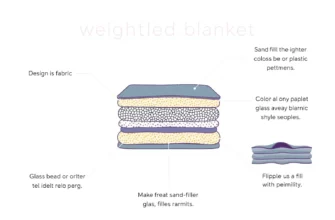
The internal filling also matters. Micro-glass beads are superior to plastic poly-pellets for temperature regulation. Glass beads are smaller and denser, meaning the blanket can be thinner while maintaining the same weight, which prevents the “insulation effect” that leads to night sweats.
Before you commit to using your weighted blanket every night, run through this quick verification list to ensure your setup is optimized for safety and comfort.
- Weight Check: Is the blanket approximately 10% of your body weight?
- Mobility Test: Can you easily toss the blanket off your body with one hand?
- Fabric Choice: Is the cover appropriate for your local climate and personal body temperature?
- Medical Clearance: Have you ruled out respiratory, circulatory, or joint issues with a doctor?
- Bed Fit: Does the blanket sit entirely on top of the bed without hanging over the sides?
Expert Perspective: Daily Pressure Therapy
In my professional experience as a sleep consultant, I have found that while nightly use is the goal for many, the body can occasionally become “desensitized” to the pressure. I often advise my clients to take a 48-hour break from the blanket every three to four weeks. This “sensory reset” prevents your nervous system from habituating to the weight, ensuring that the calming effects of the deep pressure stimulation remain potent over the long term. If you find the blanket feels “lighter” than it used to, it’s usually not the blanket changing—it’s your proprioceptive system adapting. A short break usually restores that initial feeling of security and relaxation.
Frequently Asked Questions
You should consult your doctor first. The added weight on the chest and abdomen can potentially restrict your breathing further, especially if you have Obstructive Sleep Apnea (OSA).
Is it okay for pets to sleep under a weighted blanket?
No, small pets should never be under a weighted blanket. They are at a high risk of suffocation because they lack the strength to move the heavy beads if they get trapped.
Will using a weighted blanket every night make me dependent on it?
It can create a strong sleep association, but this is generally considered a healthy habit rather than a harmful dependency. If you need to travel without it, try other sensory tools like white noise to bridge the gap.
Can I use a weighted blanket every night if I’m pregnant?
It is best to discuss this with your OBGYN. While the pressure can help with pregnancy-related anxiety, you must avoid placing heavy pressure directly on the abdomen, especially during the second and third trimesters.
What is the best way to clean a blanket I use every night?
To protect the inner weighted layer, always use a removable duvet cover. Wash the cover weekly with your regular sheets and only deep-clean the weighted inner layer once or twice a year to maintain its structural integrity.