- Can You Do a Cold Plunge While Pregnant? Navigating the Safety Debate
- The Core Question: Is it Safe to Cold Plunge While Pregnant?
- Understanding the Risks: Why Cold Exposure Matters for Expecting Mothers
- The Impact of Cold Shock on Fetal Health
- Myth vs. Reality: Common Misconceptions About Pregnancy and Cold Water
- Trimester-by-Trimester: How Risks Evolve During Pregnancy
- First Trimester and Early Development Concerns
- Third Trimester: Physical Limitations and Safety
- The Fire and Ice Routine: Can You Sauna and Cold Plunge While Pregnant?
- Why Contrast Therapy is High-Risk for Expecting Mothers
- Post-Pregnancy: Is Cold Plunging Safe While Breastfeeding?
- Impact on Milk Supply and Postpartum Recovery
- Safe Alternatives to Traditional Cold Plunging
- Expert Perspective: Prenatal Hydrotherapy
- Frequently Asked Questions
Can You Do a Cold Plunge While Pregnant? Navigating the Safety Debate
The rise of cold water immersion as a cornerstone of modern wellness has led many expecting mothers to wonder if they can maintain their ice bath routine. While the benefits for inflammation and mental clarity are well-documented for the general population‚ pregnancy introduces a complex set of physiological changes that shift the risk-to-reward ratio.
When you are pregnant‚ your body is already undergoing a massive cardiovascular overhaul‚ including a 50% increase in blood volume and a higher resting heart rate. Adding the intense stimulus of freezing water creates a layer of stress that requires a careful‚ medically-informed approach. This guide examines whether the “cold craze” is compatible with the “gestational journey.”
The Core Question: Is it Safe to Cold Plunge While Pregnant?
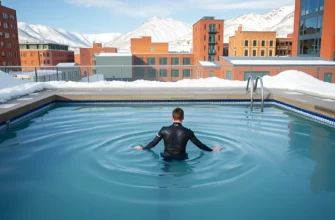
The medical consensus on high-intensity cold water therapy during pregnancy is generally one of extreme caution‚ with most obstetricians advising against it. The primary concern is not necessarily the cold itself‚ but the sudden and violent physiological reaction known as the cold shock response‚ which can spike blood pressure and heart rate instantly.
There is a significant distinction between therapeutic cooling and a high-intensity plunge. While a cool bath (around 70°F to 80°F) might help soothe swollen ankles and lower a high core temp on a summer day‚ an ice bath (below 55°F) triggers a systemic stress response. Because clinical studies on pregnant women and extreme cold immersion are virtually non-existent due to ethical constraints‚ doctors rely on known physiological markers to recommend avoidance.
Maternal temperature regulation is another vital factor. A developing fetus cannot regulate its own temperature and relies entirely on the mother’s homeostasis. While hyperthermia (overheating) is a more commonly cited risk in pregnancy‚ extreme hypothermic stress can lead to uterine artery constriction‚ potentially limiting the flow of oxygen and nutrients to the baby during the immersion period.
Understanding the Risks: Why Cold Exposure Matters for Expecting Mothers
The transition from a warm environment to a freezing tub causes an immediate gasp reflex and a massive release of “stress hormones” like adrenaline and norepinephrine. In a non-pregnant state‚ this is the “biohack” that many seek for mental resilience‚ but for a pregnant woman‚ these hormones cross the placental barrier.
When the body hits cold water‚ the peripheral blood vessels constrict to keep the core warm. This process‚ while efficient for survival‚ temporarily redirects blood flow away from non-essential systems. In a survival situation‚ the body may prioritize the mother’s vital organs over the uterine environment‚ making the intensity of the plunge a significant variable for fetal stability.
The Impact of Cold Shock on Fetal Health
The cold shock response and pregnancy are a risky combination because of the involuntary nature of the body’s reaction. Within seconds of immersion‚ heart rate and blood pressure soar. For a mother with undiagnosed gestational hypertension or preeclampsia‚ this sudden spike could lead to a dangerous cardiovascular event.
Furthermore‚ the surge of cortisol and adrenaline can lead to a state of acute fetal stress. While a single plunge might not cause permanent harm‚ the cumulative effect of repeated high-stress sessions on a developing nervous system is unknown. It is also important to consider the physical environment; ice baths are often slippery and require significant core strength to enter and exit. A fall in or around a cold plunge tub poses a direct risk of placental abruption‚ a medical emergency that can occur from blunt force trauma.
Finally‚ the “mammalian dive reflex” can cause a significant drop in heart rate once the face is submerged. The conflict between the cold shock response (which raises heart rate) and the dive reflex (which lowers it) can create cardiac arrhythmias that are poorly tolerated during the third trimester of pregnancy.
Myth vs. Reality: Common Misconceptions About Pregnancy and Cold Water
Common Myth The Medical Reality “If I did it before pregnancy‚ my body is adapted and it’s safe to continue.” Pregnancy fundamentally changes your cardiovascular baseline. Your heart is already working harder; what was a “healthy stress” before can become an “overload” now. “The baby is insulated by amniotic fluid‚ so they don’t feel the cold.” While the fluid provides physical insulation‚ it does not protect the fetus from maternal hormonal spikes or changes in uterine blood flow caused by the mother’s shock. “Cold plunging helps with pregnancy swelling better than anything else.” While cold reduces edema‚ a cool foot soak or a lukewarm shower provides the same benefits without the systemic risks of a full-body ice bath. “It’s just like a cold swimming pool.” The temperature difference is critical. Most pools are 78°F-82°F. A cold plunge is typically 45°F-55°F. The physiological impact of a 50°F tub is exponentially higher than a standard pool.
Trimester-by-Trimester: How Risks Evolve During Pregnancy
The risks associated with cold exposure are not static; they shift as the fetus develops and the mother’s body changes shape and function. What might be a minor concern in the second trimester could be a major complication in the first or third.
Understanding these stages helps in making an informed decision about whether to pause your practice. Each trimester presents a unique set of vulnerabilities‚ from the delicate process of organ formation to the physical instability of late-stage pregnancy.
First Trimester and Early Development Concerns
The first trimester is the period of organogenesis‚ where the baby’s vital organs are forming; This is the most sensitive time for environmental stressors. Many women ask if they can cold plunge when trying to conceive or during early pregnancy‚ and the answer is usually one of caution. Extreme temperature shifts can interfere with the delicate hormonal balance required for successful implantation and early placental development.
Early pregnancy cold exposure also coincides with the peak of morning sickness and fatigue. The stress of an ice bath can exacerbate nausea or lead to fainting (syncope) because blood sugar levels and blood pressure are often less stable during these first twelve weeks. Maintaining a steady internal environment is the priority during this foundational stage.
Third Trimester: Physical Limitations and Safety
As you enter the third trimester‚ the concerns shift from developmental to mechanical and systemic. The risk of can you cold plunge while pregnant in the third trimester is largely dictated by your changing center of gravity. The hormone relaxin loosens your joints‚ making the act of climbing into a deep‚ freezing tub a major slip-and-fall hazard.
There is also the potential for cold-induced contractions or Braxton Hicks. Extreme cold can cause the muscles of the abdomen to tighten involuntarily. While not necessarily leading to preterm labor‚ any activity that triggers uterine activity should be avoided unless cleared by a provider. By the second trimester‚ your blood volume has peaked‚ and the heart may struggle to manage the rapid vasoconstriction caused by the ice‚ leading to dizziness or shortness of breath.
The Fire and Ice Routine: Can You Sauna and Cold Plunge While Pregnant?
Contrast therapy—the practice of moving between a hot sauna and a cold plunge—is a favorite among athletes for recovery. However‚ for a pregnant woman‚ this is arguably the most dangerous form of hydrotherapy. The rapid switching between extreme heat and extreme cold creates a “yo-yo” effect on the vascular system that the body is not equipped to handle during gestation.
Saunas are generally discouraged during pregnancy because they can raise the mother’s core temperature above 102.2°F (39°C)‚ which is linked to neural tube defects and other developmental issues. When you follow that heat with an immediate cold plunge‚ you are forcing your blood vessels to go from maximum dilation to maximum constriction in seconds.
Why Contrast Therapy is High-Risk for Expecting Mothers
The primary danger of sauna and cold plunge while pregnant is the risk of orthostatic hypotension and fainting. When you are in a sauna‚ blood pools in your extremities. If you stand up and shock your system with cold water‚ your body may struggle to return that blood to your brain and the placenta quickly enough. This can lead to a sudden loss of consciousness‚ which is dangerous for both mother and baby.
Furthermore‚ the cardiovascular strain of “fire and ice” routines is immense. Your heart is already pumping for two; demanding it to also manage extreme thermoregulation is a high-risk‚ low-reward activity. If you are looking for the metabolic benefits of contrast therapy‚ it is much safer to wait until after the baby is born and you have fully recovered from delivery.
Post-Pregnancy: Is Cold Plunging Safe While Breastfeeding?
Once the baby is born‚ many women are eager to return to their wellness routines to help with postpartum inflammation‚ “baby blues‚” and weight loss. While the immediate risks to the fetus are gone‚ nursing mothers have a new set of variables to consider‚ specifically regarding milk production and the healing of the body.
The postpartum period is a time of massive hormonal recalibration. While cold plunging is generally considered much safer now than during pregnancy‚ it is still wise to wait until your 6-week postpartum checkup to ensure any incisions (from a C-section or perineal tears) are fully healed and there is no risk of infection from the water.
Impact on Milk Supply and Postpartum Recovery
One of the most common questions is‚ can I cold plunge while breastfeeding? The answer is generally yes‚ but with caveats. Extreme cold can cause a temporary inhibition of the let-down reflex. This is because the cold shock triggers the sympathetic nervous system (fight or flight)‚ while breastfeeding requires the parasympathetic nervous system (rest and digest) and the release of oxytocin.
If you find that your milk supply seems to dip or your let-down is difficult after a plunge‚ try to time your sessions immediately after a feeding rather than before. Some women also find that the intense constriction of the chest area can lead to discomfort or potentially contribute to clogged ducts if the breast tissue is already engorged. Always wear a supportive top to protect sensitive breast tissue from the direct sting of the ice.
Safe Alternatives to Traditional Cold Plunging
If you miss the mental “reset” of cold therapy but want to avoid the risks of a full-body ice bath‚ there are several ways to achieve similar results with much lower physiological stress.
- Localized Cold Packs: To manage swelling in the feet or ankles‚ apply ice packs or use a dedicated foot soak tub with cool water. This provides relief without affecting your core temperature.
- Cool Showers: Instead of 45°F‚ try a shower at 65°F-70°F. Gradually lower the temperature for the last 30 seconds to get the mental benefit without the violent cold shock response.
- Face Dipping: Submerging just your face in a bowl of cold water can trigger the mammalian dive reflex‚ which slows the heart rate and calms the nervous system without stressing the rest of the body.
- Lukewarm Swimming: A gentle swim in a standard lap pool (usually around 80°F) provides hydrostatic pressure that helps move lymphatic fluid and reduce pregnancy swelling safely.
- The “Cool Walk”: Simply being outside in cool air (if the weather permits) can provide a mild metabolic boost without the intensity of water immersion.
Managing cold exposure during pregnancy requires a shift from “pushing limits” to “prioritizing stability.” Use this checklist to ensure you are making the safest choices for your current stage.
- DO consult your OB-GYN or midwife before trying any form of cold therapy‚ even cool showers.
- DO keep sessions extremely short (under 60 seconds) if you are cleared for mild cooling.
- DO ensure there is always someone nearby to assist you in getting in and out of the water to prevent falls.
- DON’T submerge your abdomen or chest in freezing water; focus on the limbs if you must use cold water.
- DON’T combine heat (saunas/hot tubs) with cold plunges during any stage of pregnancy.
- DON’T ignore warning signs like shivering‚ blue lips‚ or decreased fetal movement; stop immediately if you feel any discomfort.
- DO prioritize hydration and warmth after any cold exposure to help your body return to homeostasis gently.
Expert Perspective: Prenatal Hydrotherapy
In my professional experience‚ the modern obsession with “biohacking” often ignores the most impressive biological feat of all: pregnancy. While I am a strong advocate for cold therapy for athletes and general wellness seekers‚ the physiological load of pregnancy makes extreme cold immersion a high-risk‚ low-reward activity. The “benefits” of a dopamine hit or reduced inflammation simply do not outweigh the potential for maternal syncope or fetal stress. I always advise my patients to trade the ice bath for a cool swimming pool or localized icing until they are at least six to eight weeks postpartum. Every pregnancy is a unique physiological event; never assume that because a celebrity or influencer did it‚ it is safe for your specific vascular health and your baby’s development.
Frequently Asked Questions
Even for experienced plungers‚ pregnancy fundamentally alters your cardiovascular system and blood pressure regulation. You must consult your doctor because your body’s “normal” response to cold shock is entirely different while supporting a fetus.
Can a cold plunge cause a miscarriage or early labor?
While there is no direct clinical evidence linking cold water to miscarriage‚ the extreme stress of cold shock and potential for core temperature shifts are unnecessary risks that could theoretically trigger complications in high-risk pregnancies.
How long can you stay in a cold plunge while pregnant if your doctor clears it?
If you receive medical clearance‚ sessions should be extremely short (under 1-2 minutes) and the water should be cool (60°F+) rather than freezing to prevent a significant drop in core temperature.
What are the signs I should stop cold exposure immediately?
You should exit the water immediately if you experience dizziness‚ shortness of breath‚ uterine tightening (contractions)‚ or a sudden change in the baby’s movement patterns.
Can cold plunging help with pregnancy swelling?
Cool water does help with edema‚ but a lukewarm-to-cool bath or a foot soak is a much safer alternative to a full-body ice plunge for managing swollen limbs.
Is it safe to cold plunge while trying to conceive (TTC)?
Extreme temperature shifts can occasionally disrupt the endocrine system and menstrual cycle. It is generally better to stick to moderate temperatures when trying to get pregnant to keep stress hormones like cortisol low.